Dominica
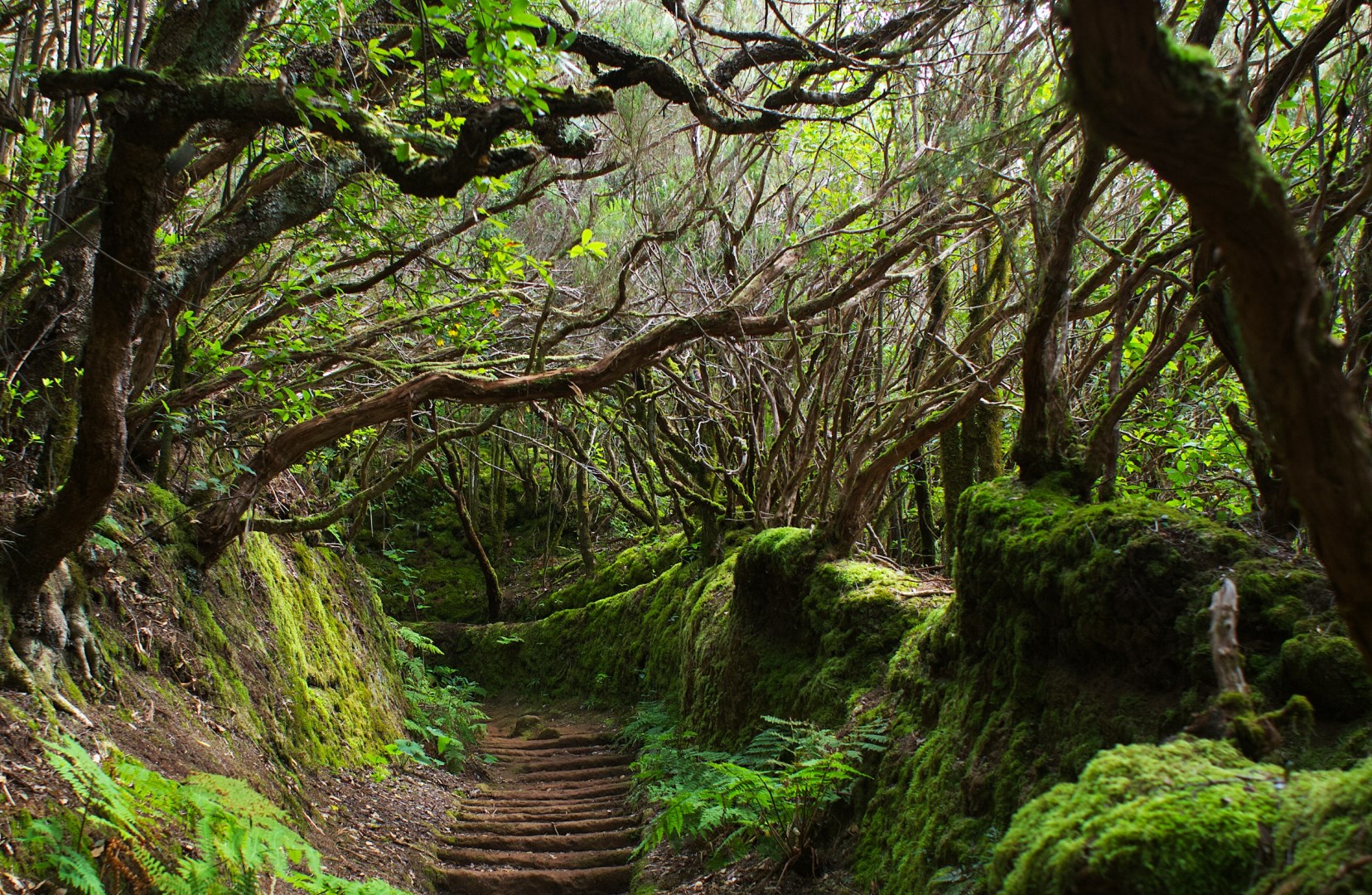
Dominica, known as the “Nature Island of the Caribbean,” is a haven for eco-tourists and adventure seekers. Nestled between the French islands of Guadeloupe and Martinique, this lush island boasts a remarkable landscape of volcanic mountains, dense rainforests, and stunning waterfalls. Dominica’s most iconic natural wonder is the Boiling Lake, the second-largest hot spring in the world.

Mahé Island
Mahé Island is the largest and most culturally central island in the Seychelles, home to the capital city of Victoria and the majority of the country’s population.
Pigeon Island
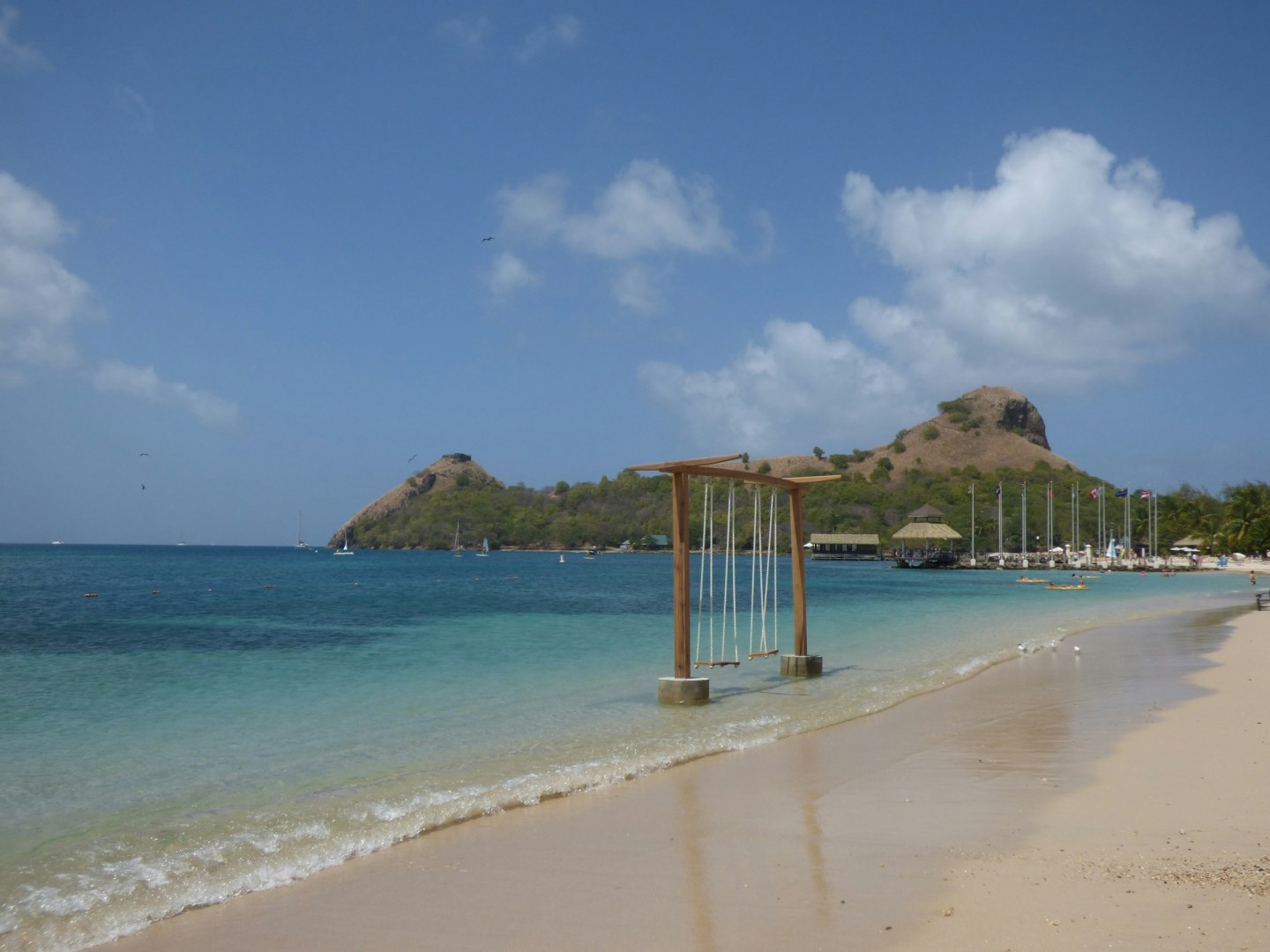
Pigeon Island National Landmark is a historic coastal site on the northwest tip of Saint Lucia, set beside Rodney Bay and connected to the mainland by a causeway. Once a separate island, it now forms part of the island’s northern landscape and combines low hills, dry coastal vegetation, rocky shoreline, and sandy beaches. The site is known for its walking trails and elevated viewpoints, including Signal Peak and Fort Rodney. From the higher ground, visitors can see across Rodney Bay, the Caribbe
Kokand
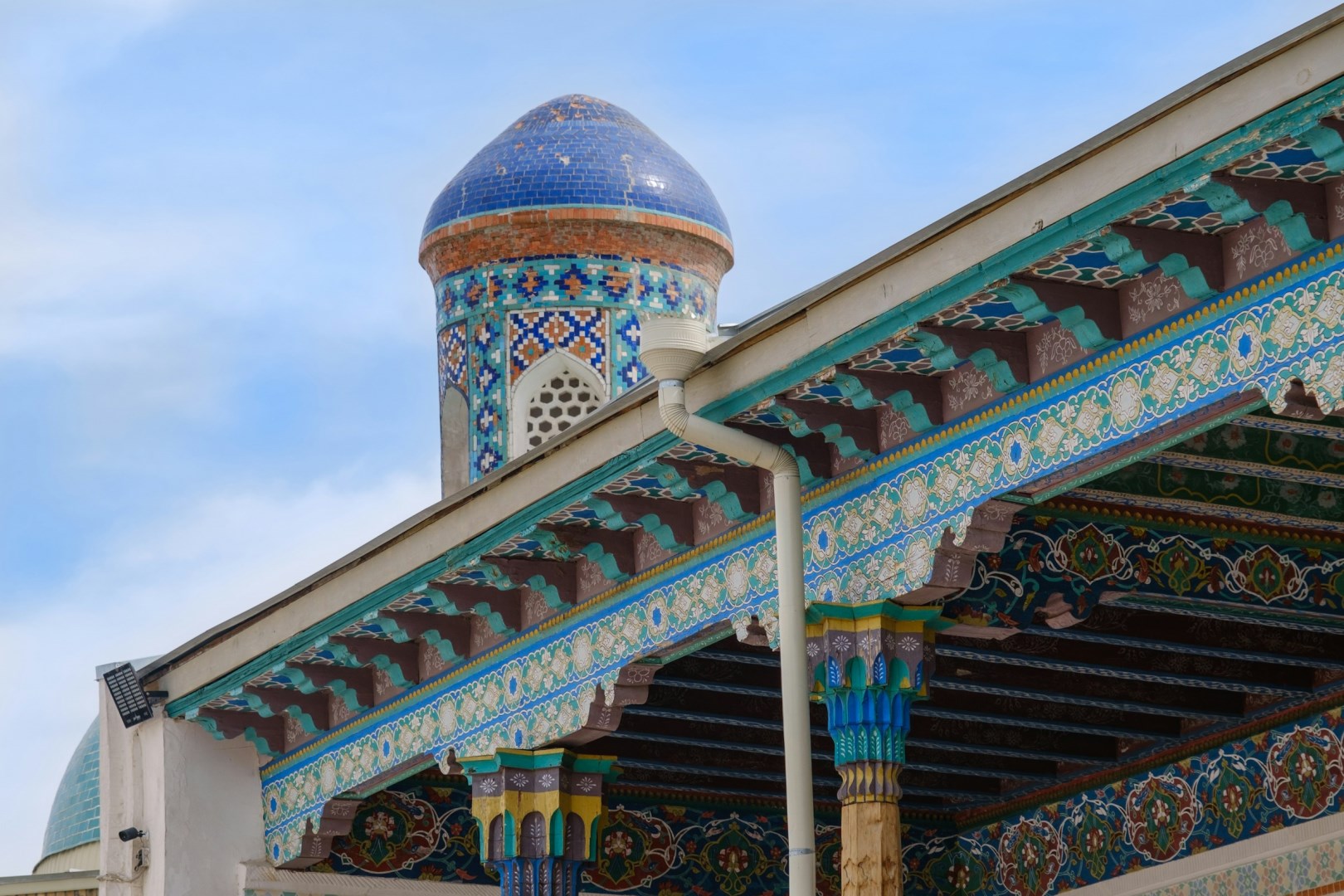
Kokand is a historic city in the eastern part of Uzbekistan’s Fergana Valley, known for its connection with the former Kokand Khanate and its long tradition of trade, scholarship, and craftsmanship. The city developed as an important center along regional routes linking the Fergana Valley with other parts of Central Asia. Today, Kokand combines broad streets and modern neighborhoods with mosques, madrasas, mausoleums, and palace architecture.

Santa Fe
Santa Fe, New Mexico, with its adobe-style architecture, vibrant arts scene, and unique blend of Native American, Spanish, and Anglo influences, is a destination like no other. Known as "The City Different," Santa Fe stands apart with its rich history and cultural diversity. A fun fact about Santa Fe is that it is the highest state capital in the United States, sitting at an elevation of 7,199 feet.