The city of Canakkale lies at the narrow, 1,200 meter entrance to the Canakkale Strait that connects the Sea of Marmara and the Aegean. To honor the 500,000 soldiers who lost their lives at Gelibolu (Gallipoli), the peninsula was made into Gelibou Historical National Park.
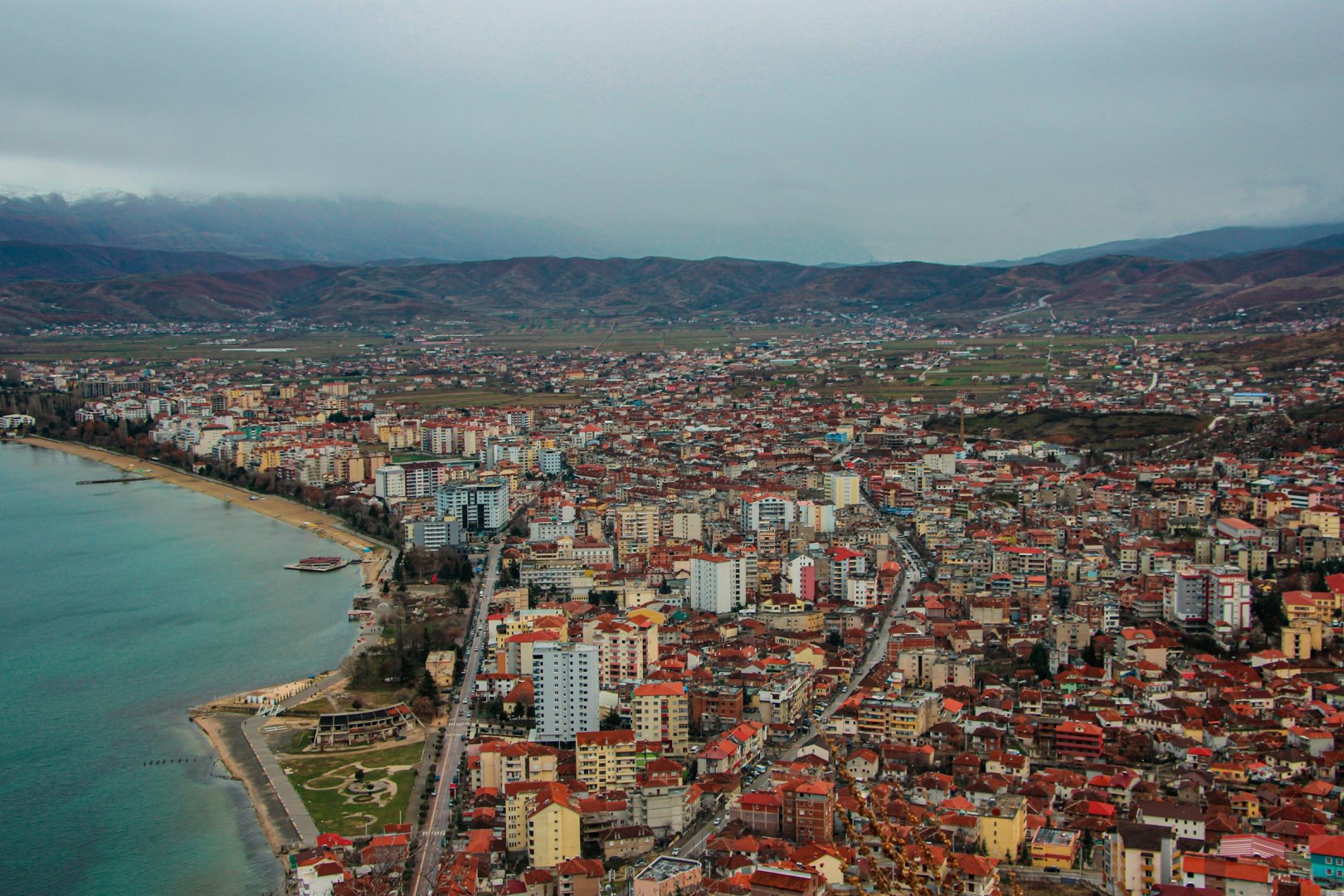
Pogradec is a lakeside town in southeastern Albania, situated on the southwestern shore of Lake Ohrid beneath the surrounding mountains. The lake is part of the UNESCO World Heritage property known as the Natural and Cultural Heritage of the Ohrid Region and is recognized for its exceptional freshwater biodiversity.
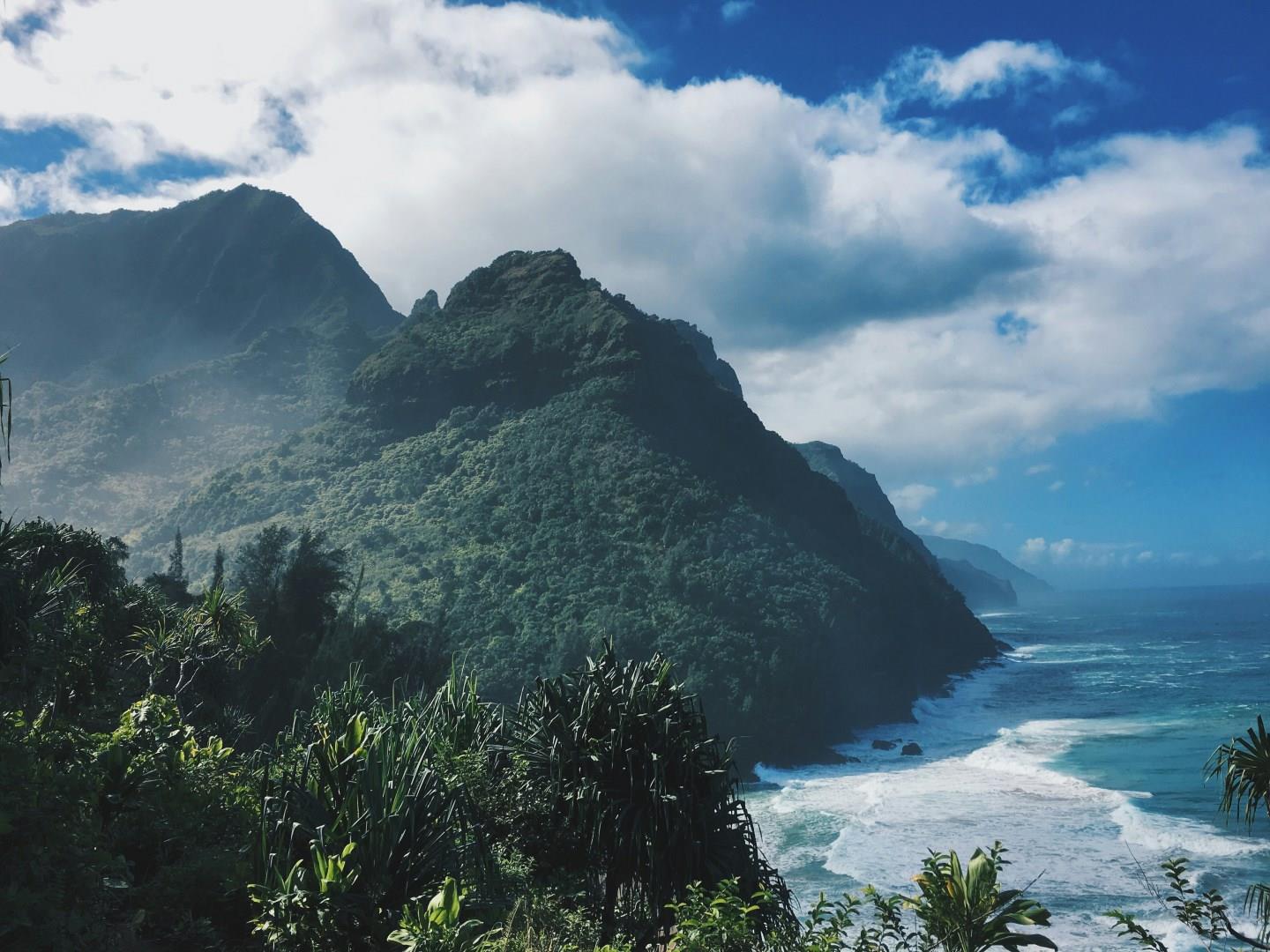
Kapaa, a coastal town on the east side of Kauai, offers a laid-back alternative to Hawaii’s more developed resort areas. Despite its small size, Kapaa is one of the most populated towns on the island, making it a central hub for exploring the Coconut Coast, a stretch of shoreline dotted with towering palms and scenic overlooks.
Mount Kilimanjaro, located in Tanzania, stands as Africa’s highest peak and an iconic symbol of adventure. This majestic stratovolcano rises 5,895 meters (19,341 feet) above sea level, making it one of the world’s most accessible high summits. Climbing Kilimanjaro offers a unique opportunity to traverse multiple climate zones, from lush rainforests and alpine meadows to the icy summit.
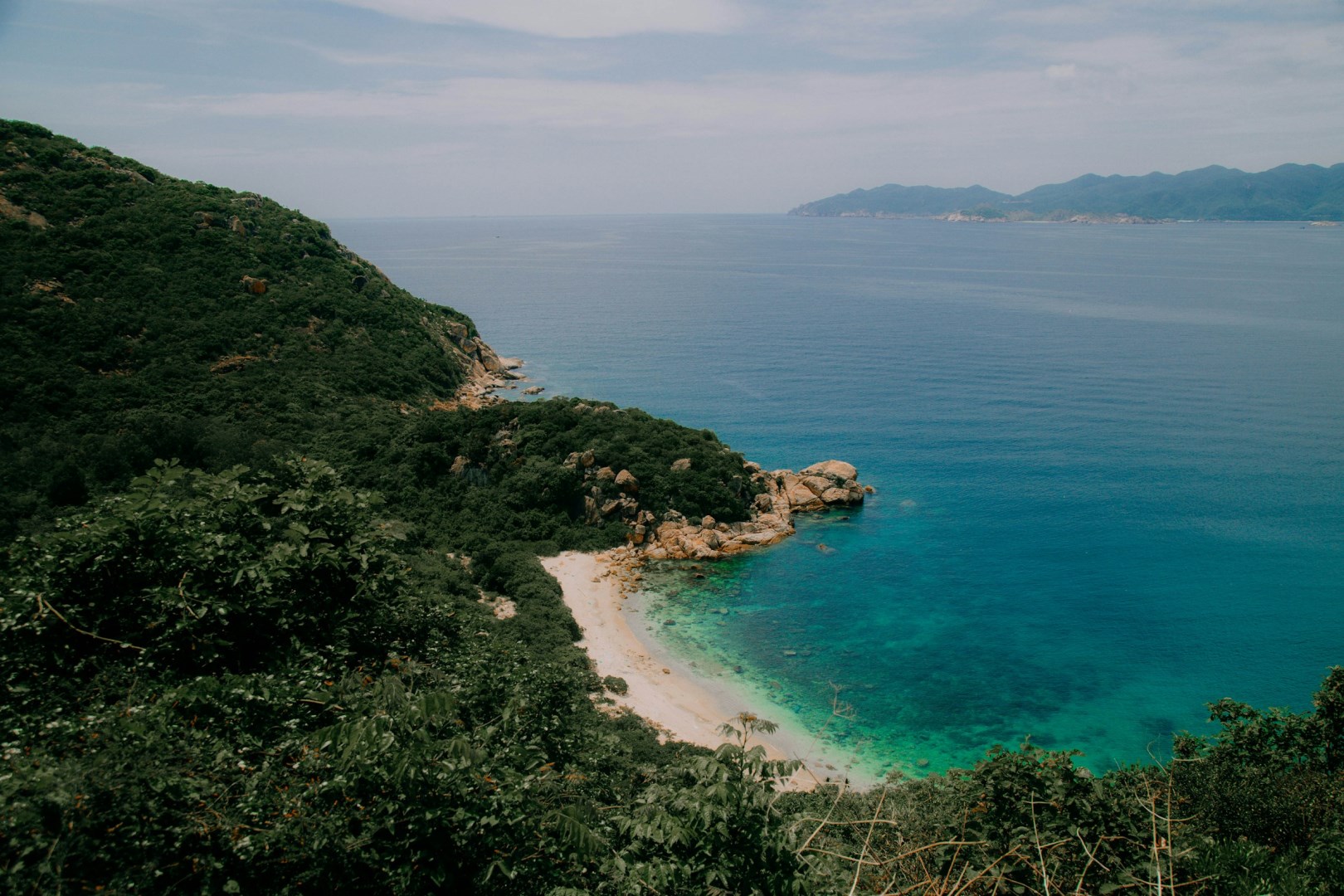
Cam Ranh is a coastal city in Khánh Hòa Province in south-central Vietnam, located around a sheltered bay along the South China Sea. The area is known for its long coastline, sandy beaches, fishing communities, and dry coastal climate. Cam Ranh Bay forms a deep natural harbor surrounded by hills and is an important maritime area.
Photo Credit: Photo by Conny Schneider on Unsplash
Photo Credit: Photo by Hendrik Cornelissen on Unsplash
Photo Credit: Photo by Fausto García-Menéndez on Unsplash
Photo Credit: Photo by Andreas M on Unsplash
Photo Credit: Photo by Kevin Charit on Unsplash
Photo Credit: Photo by Mark Pisek on Unsplash
Photo Credit: Photo by Mihály Köles on Unsplash
Photo Credit: Photo by Miltiadis Fragkidis on Unsplash
Photo Credit: Photo by Elijah G on Unsplash
Photo Credit: Photo by Andreas M on Unsplash
Photo Credit: Photo by Bertrand Borie on Unsplash
Photo Credit: Photo by Antoino Lopez on Unsplash
Photo Credit: Photo by Bastian Pudill on Unsplash
Photo Credit: Photo by Antoino Lopez on Unsplash
Photo Credit: Photo by Max Nayman on Unsplash
Photo Credit: Photo by Michele Bergami on Unsplash
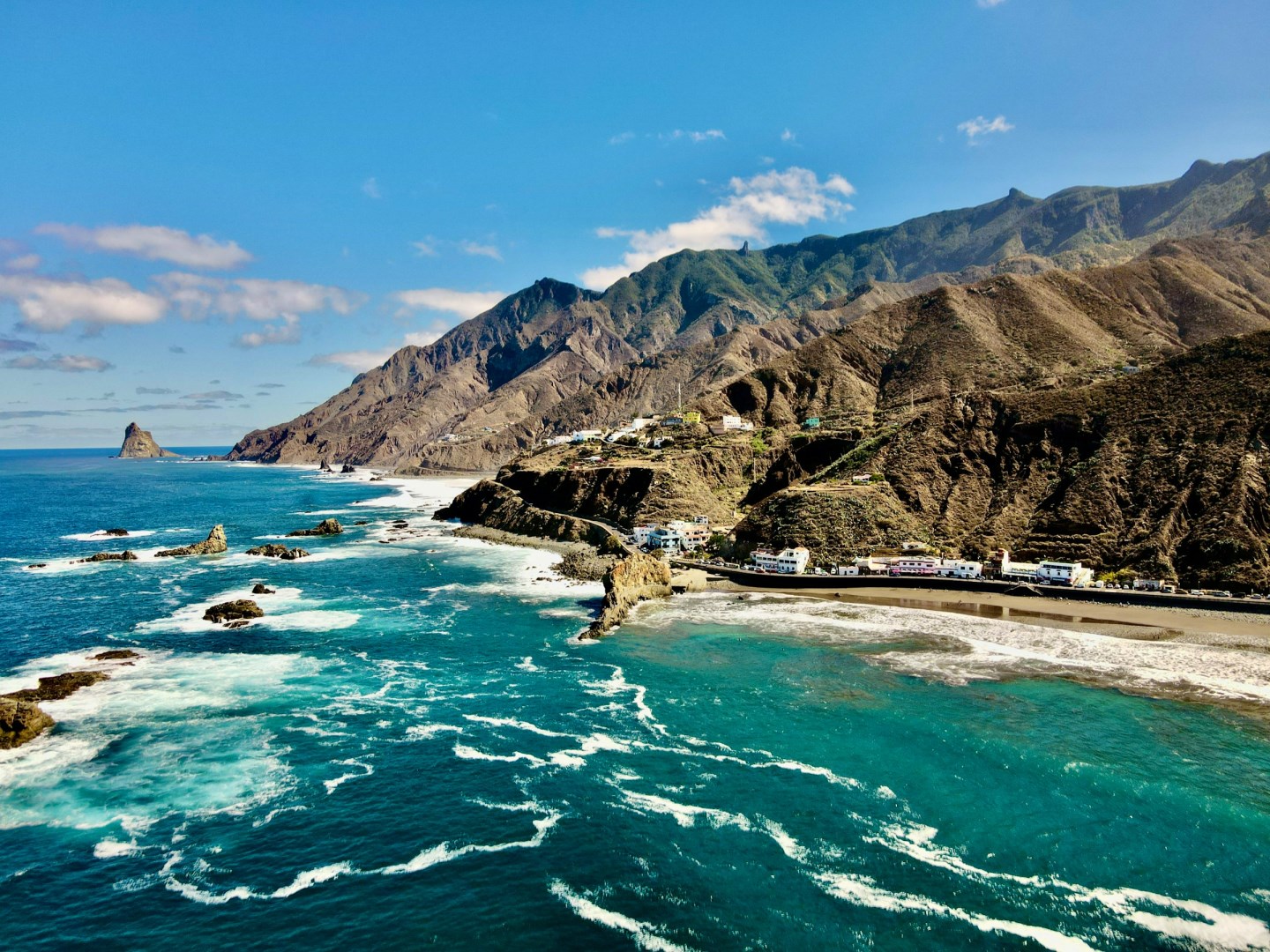
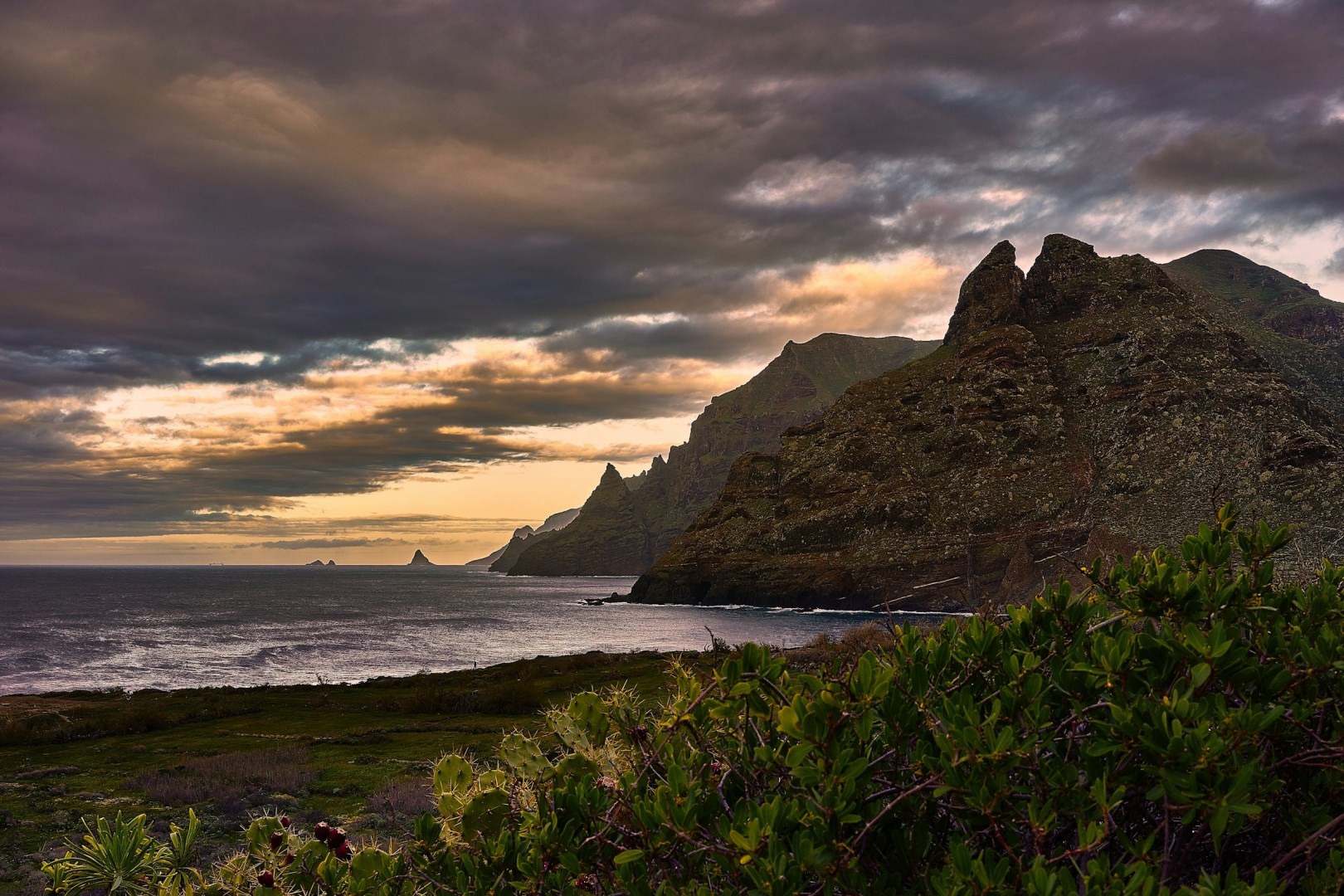
Taganana
Photo Credit: Photo by Carla M.J. Gomes on Unsplash
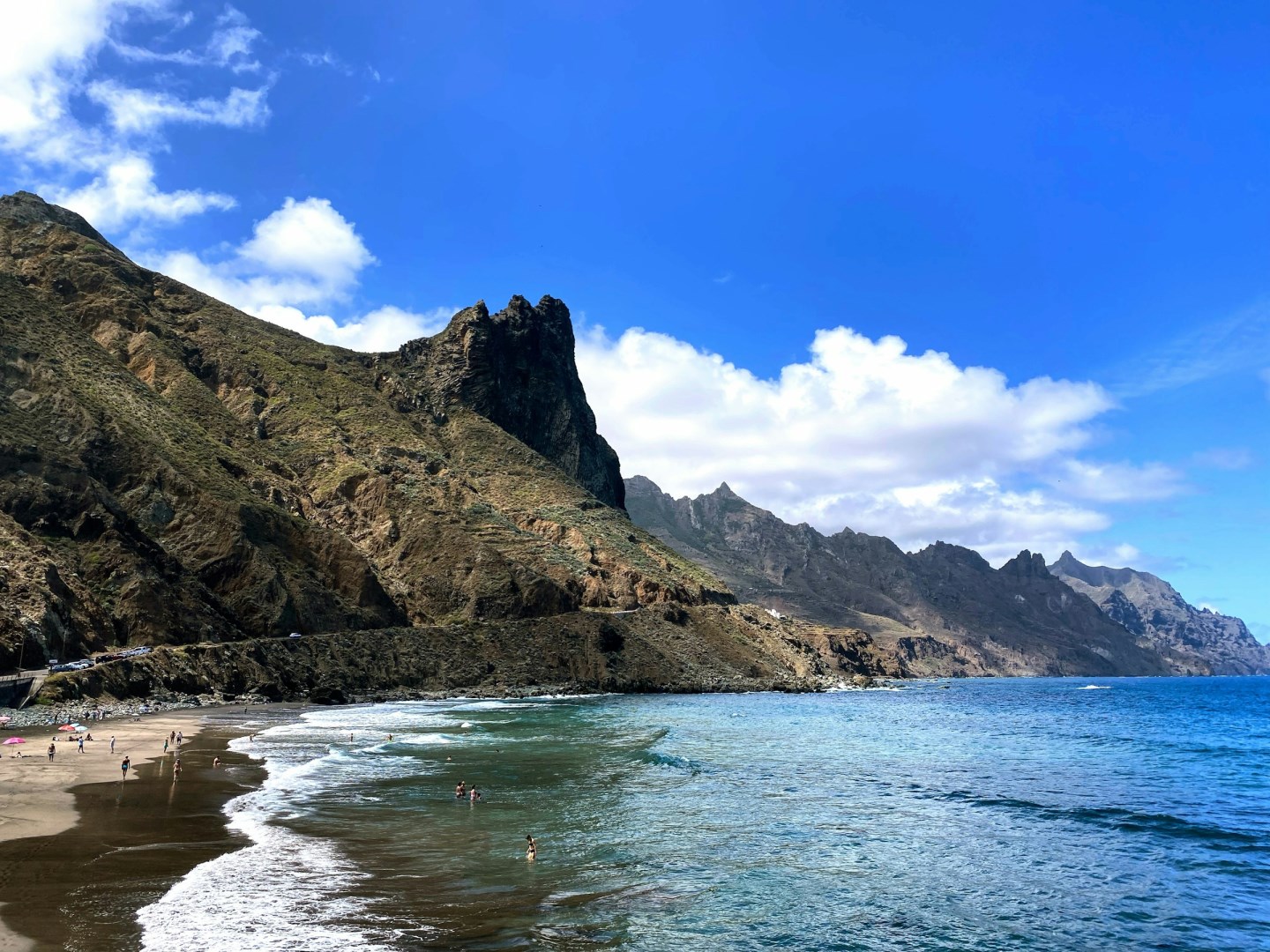
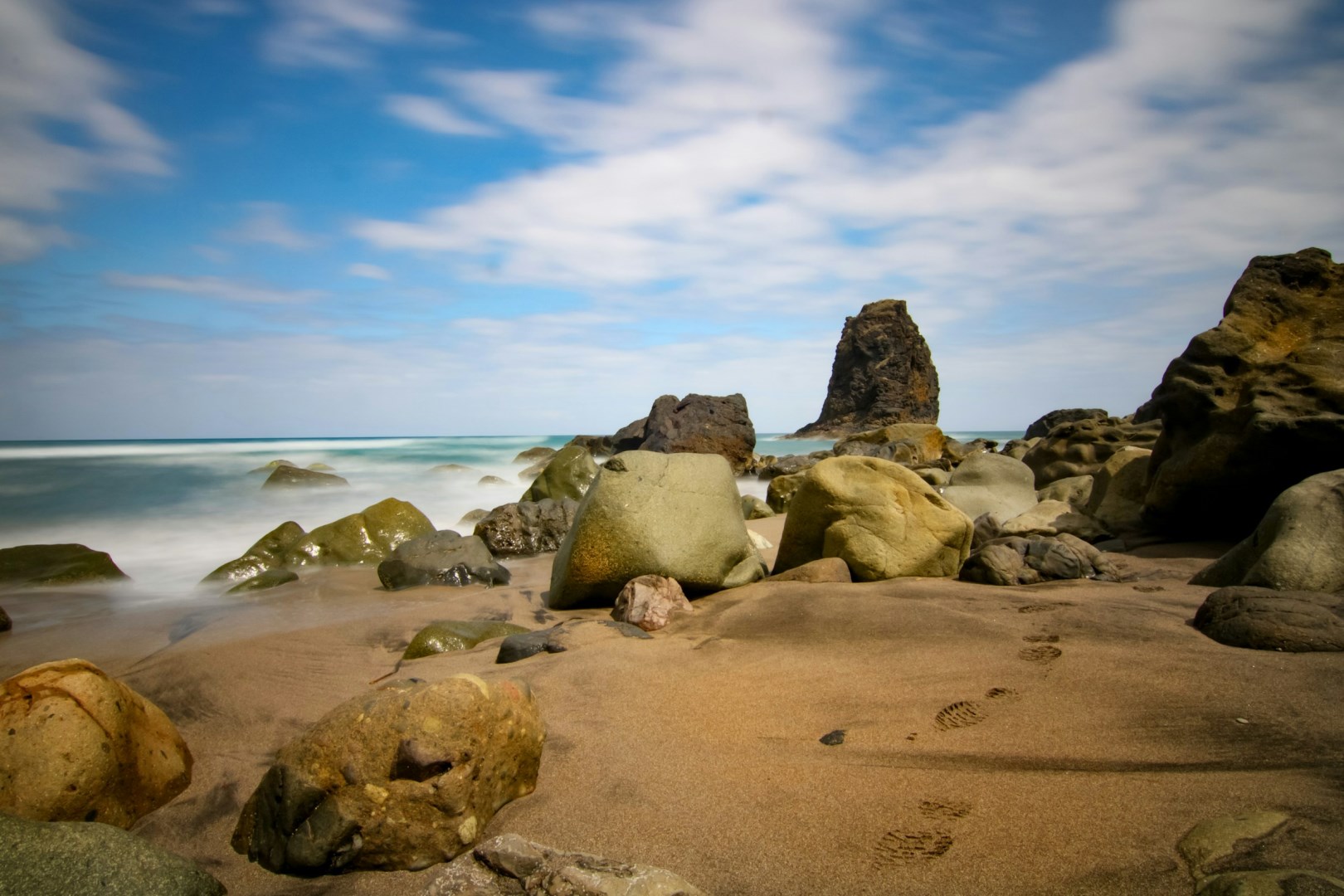
Photo Credit: Photo by Maksim Shutov on Unsplash
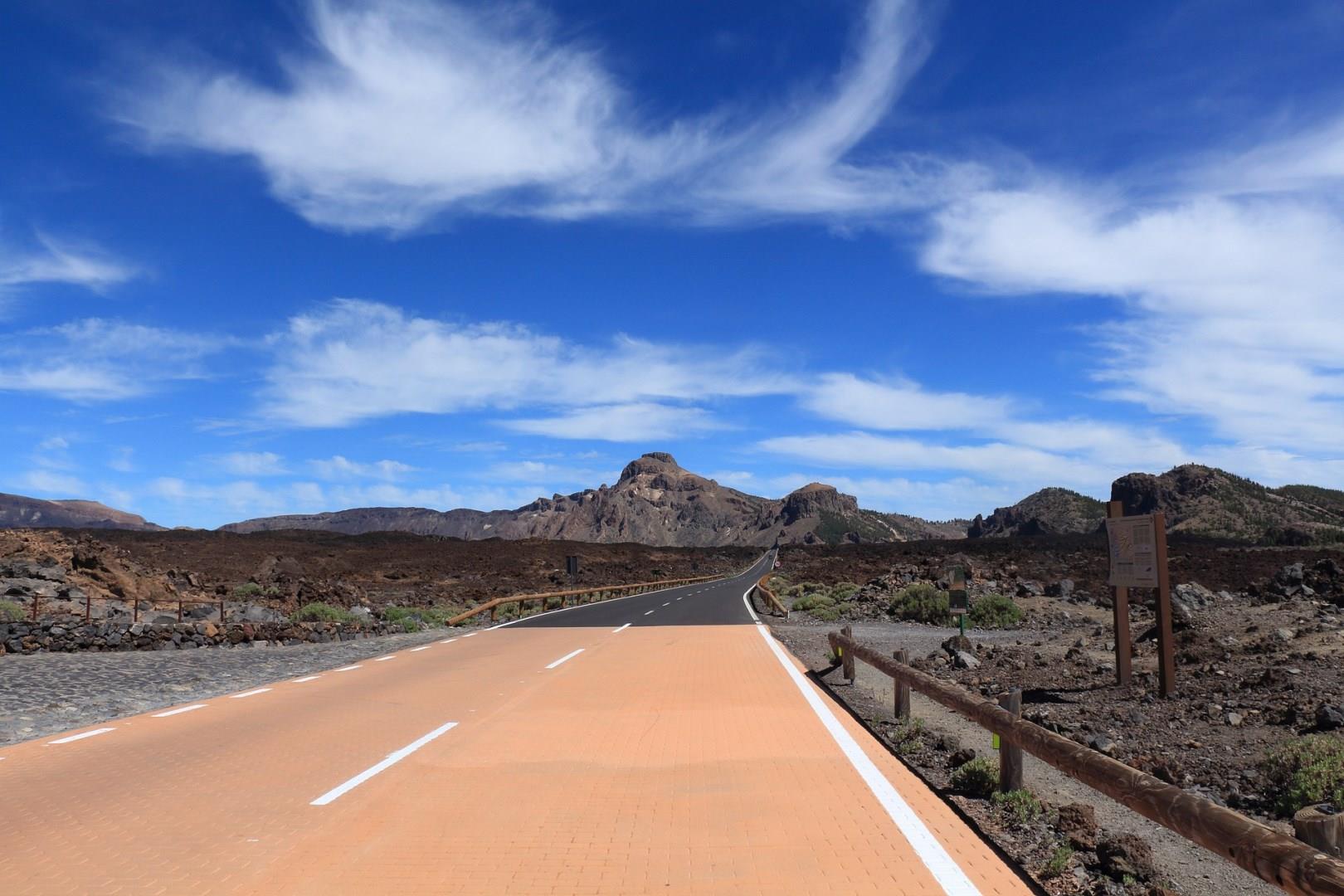
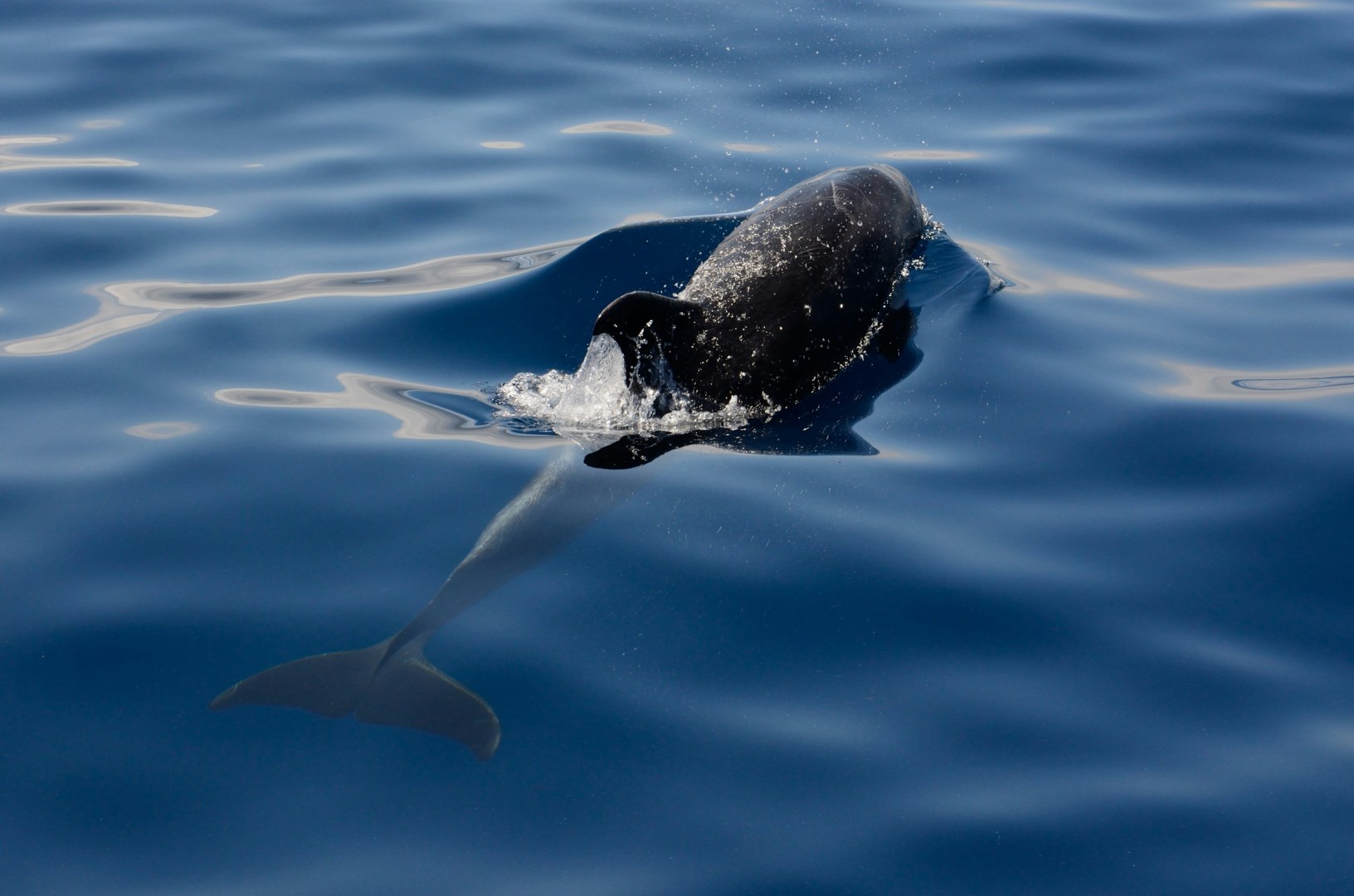
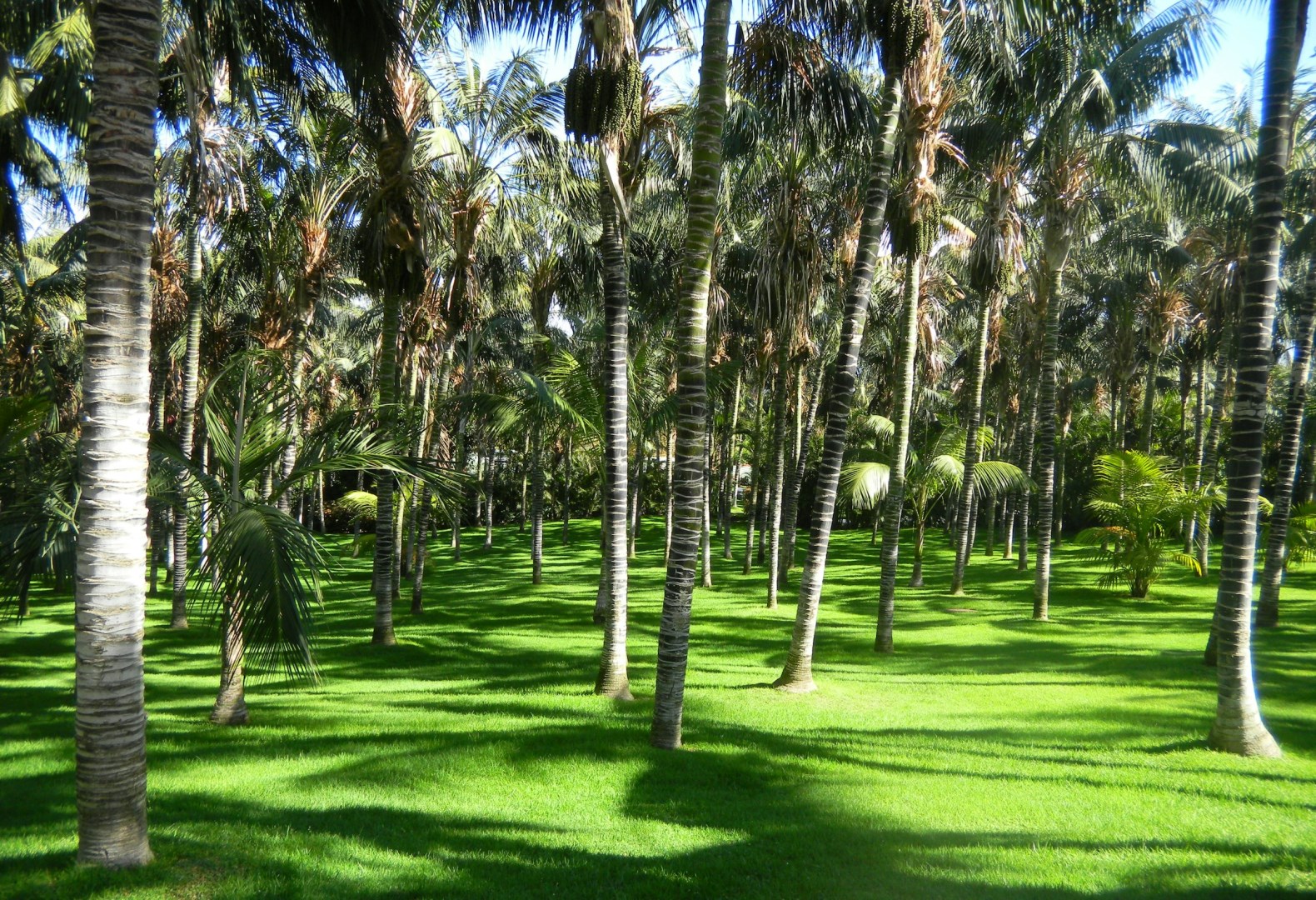
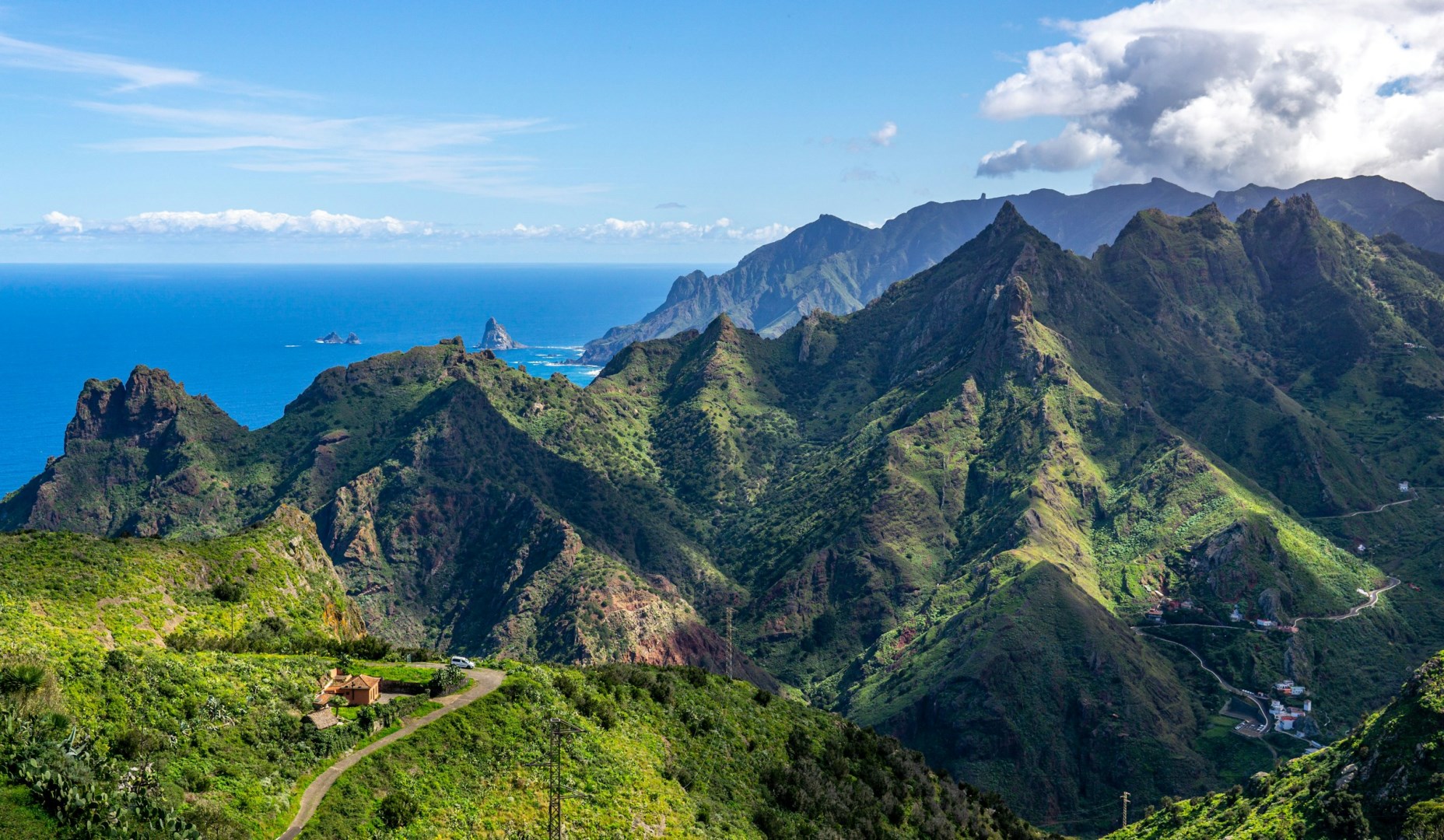
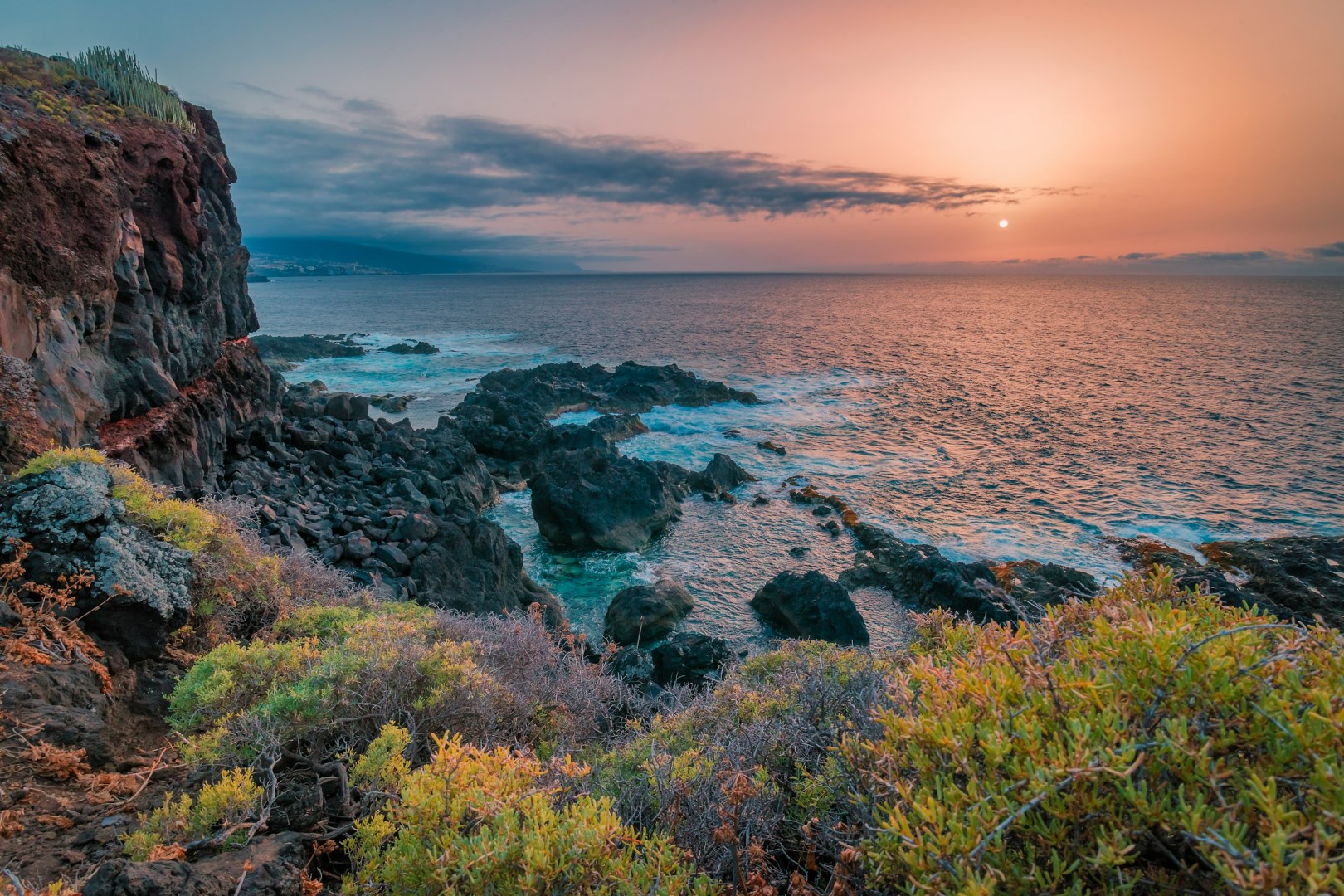
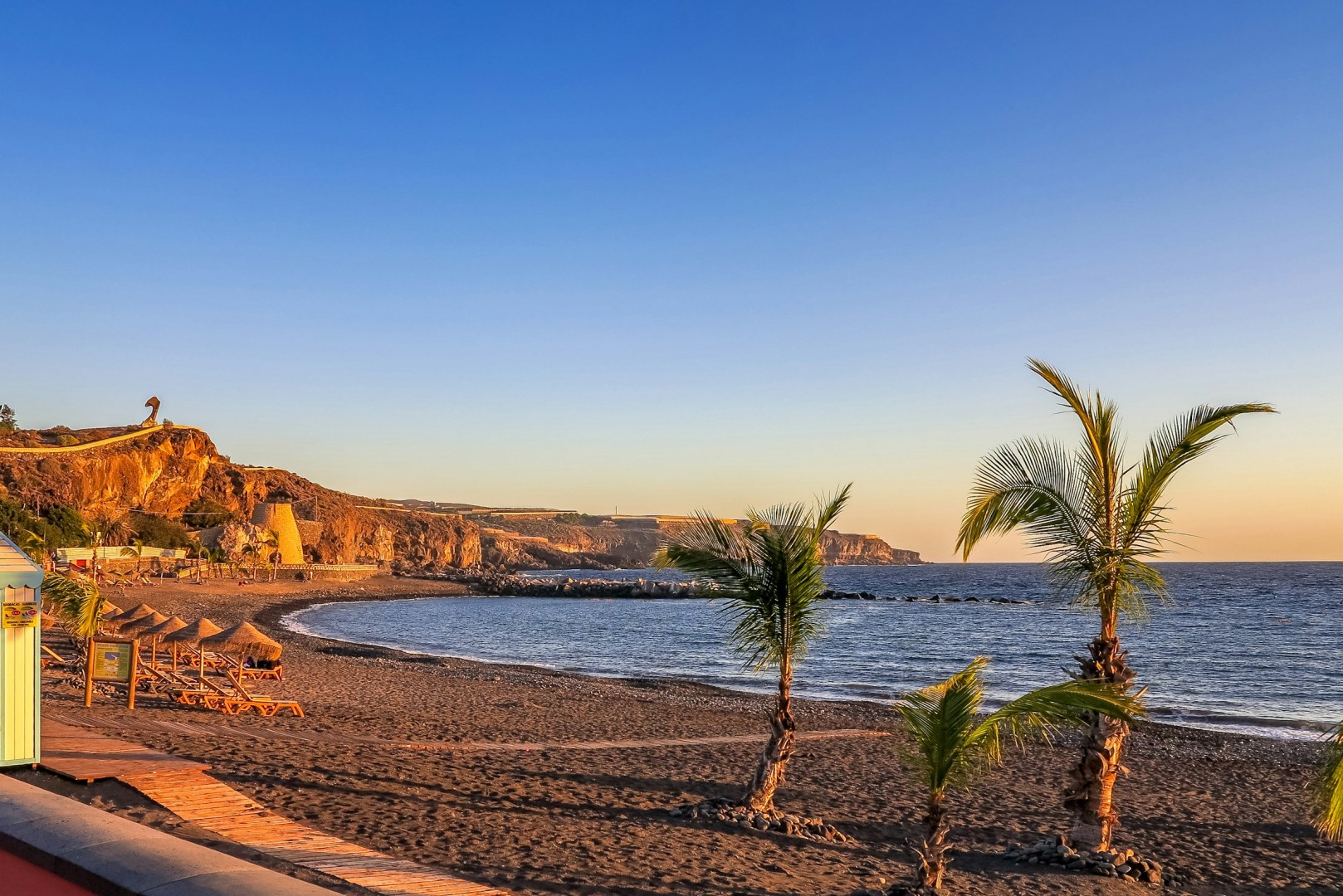
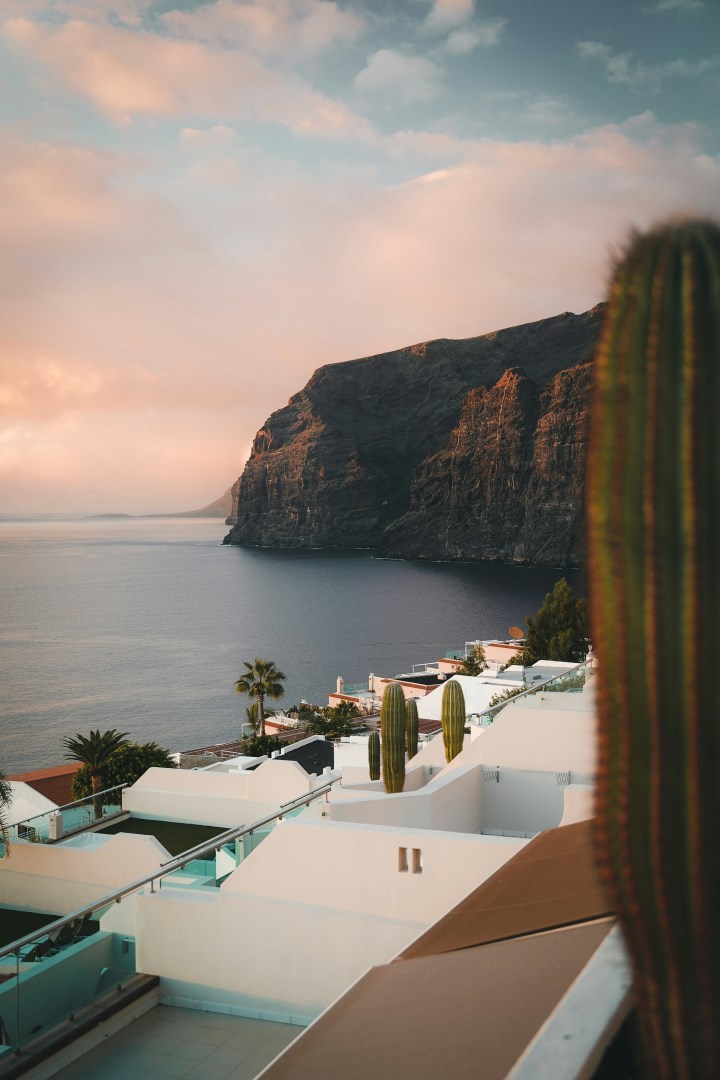
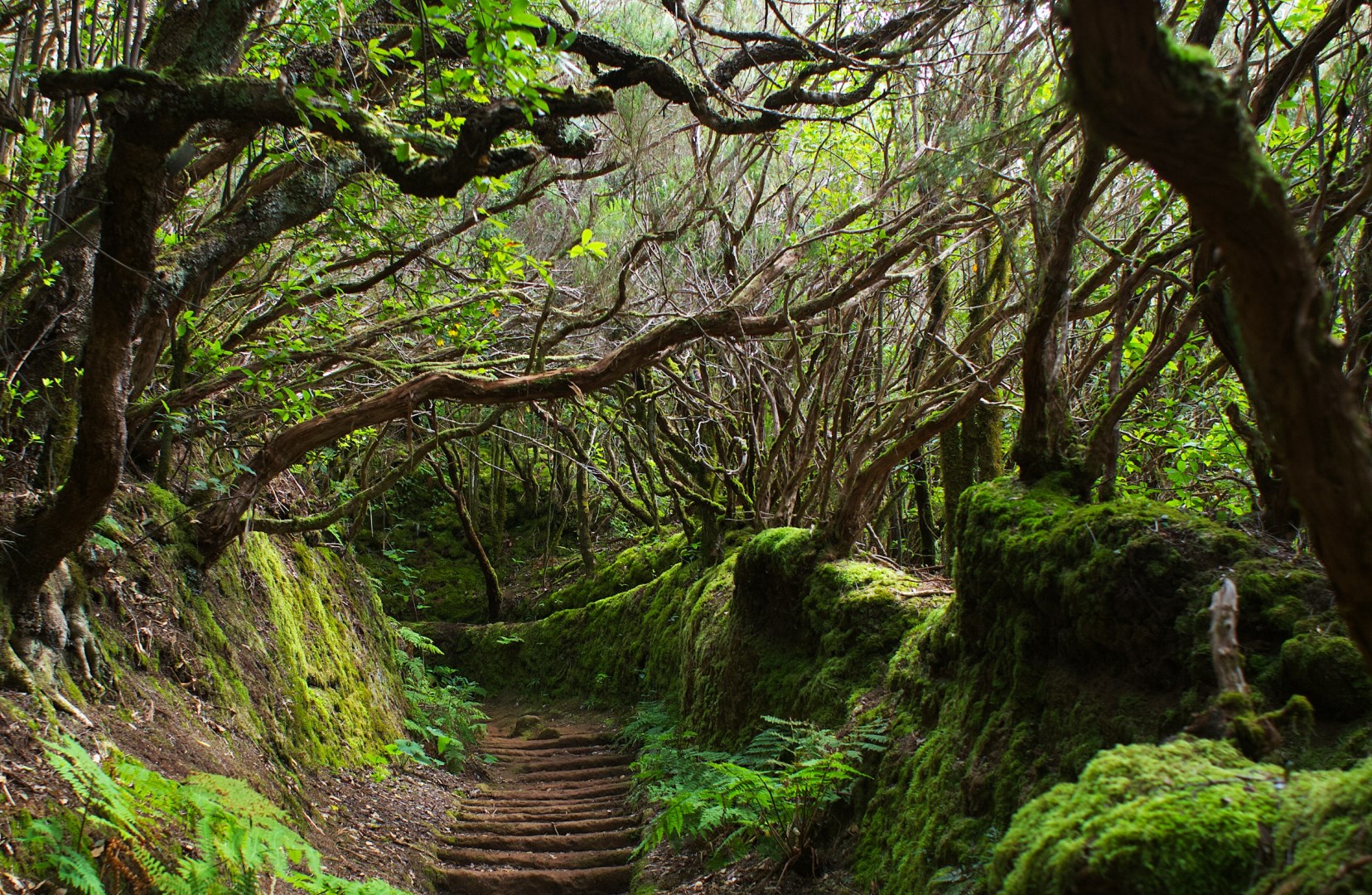
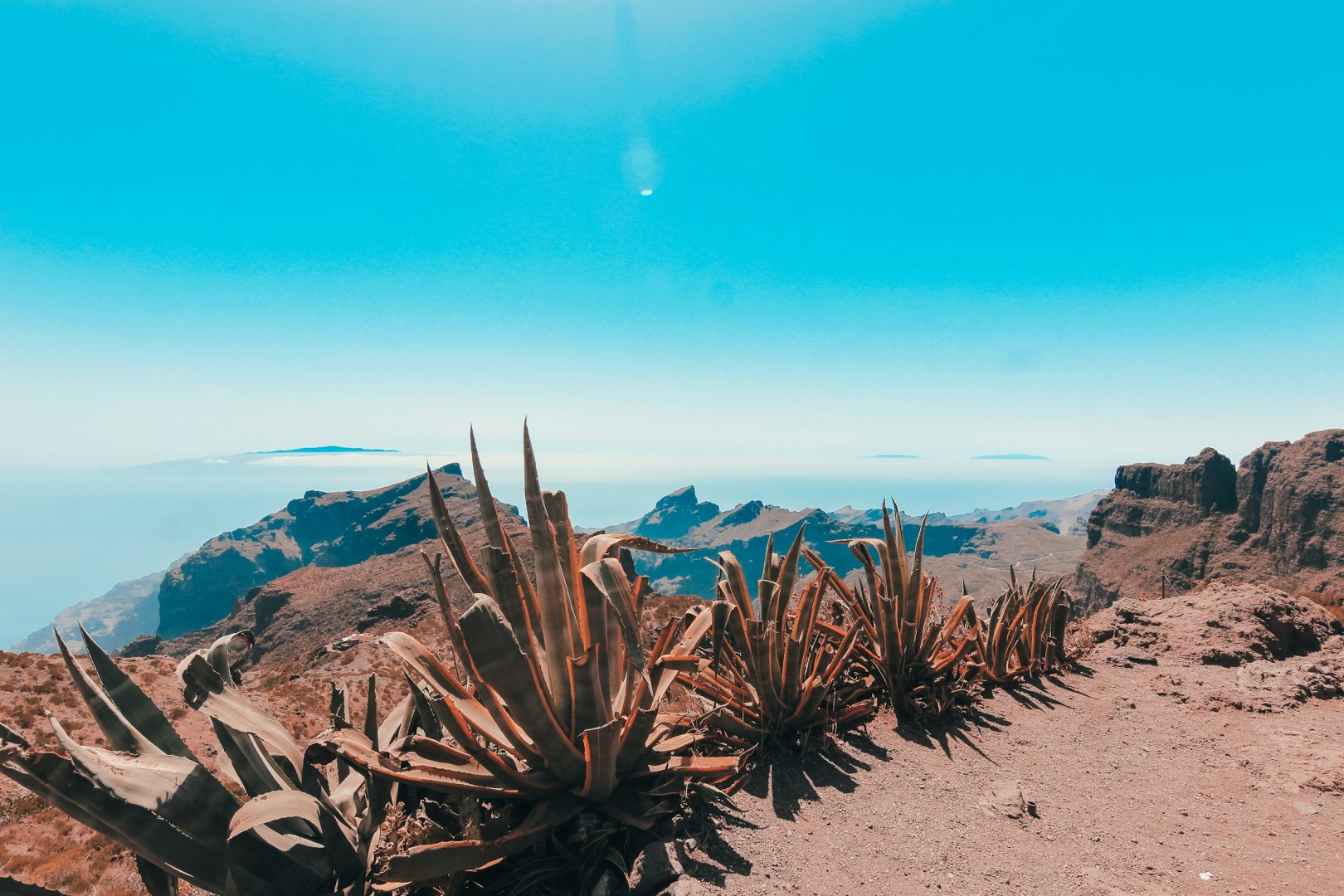
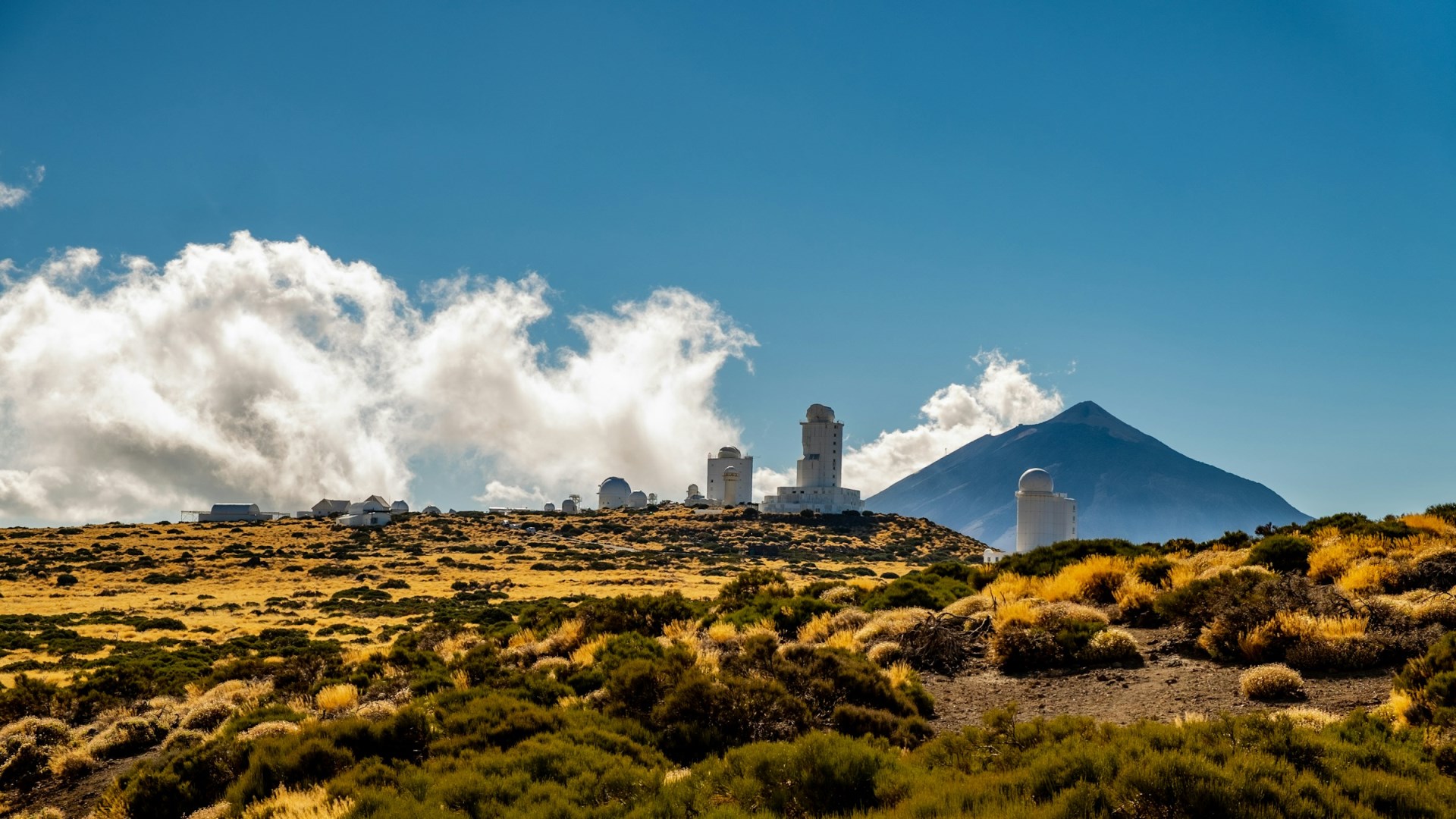
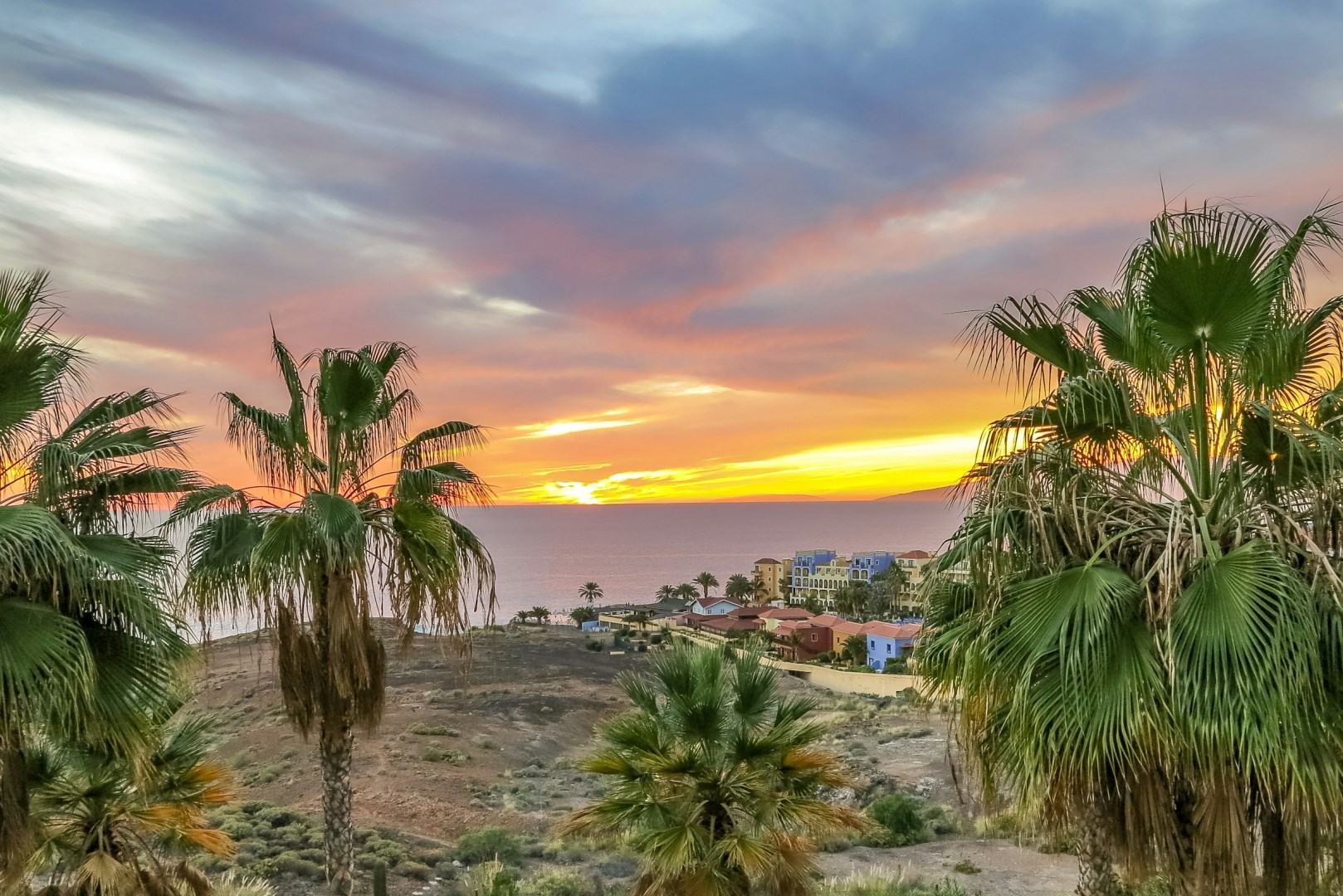
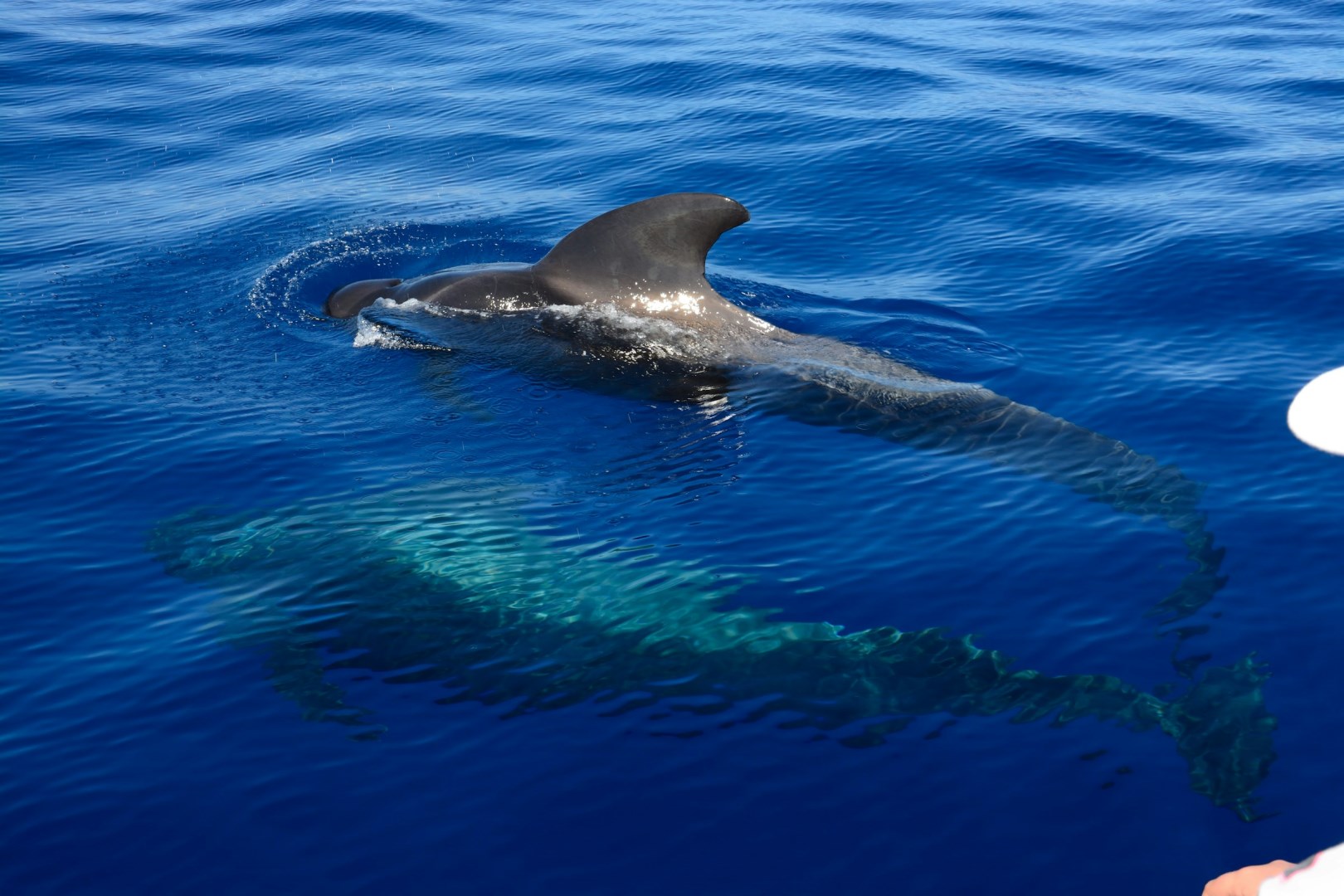
Tenerife is the largest isle of the Canary Islands archipelago. Famous for its black and yellow sand beaches as well as Mt. Teide, the dormant volcano that looms over the island.
Other Popular Destinations in Canary Islands
Santa Cruz de La Palma
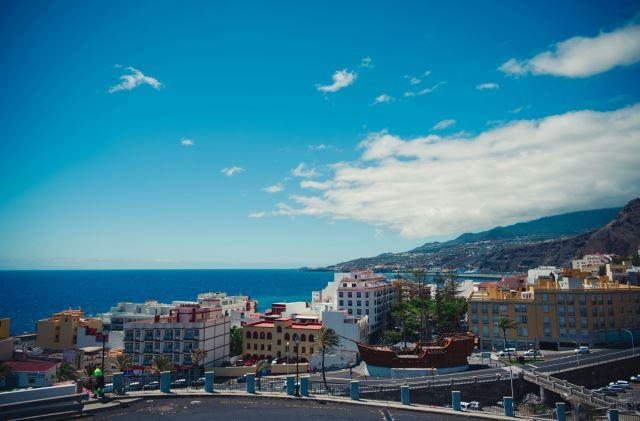
Santa Cruz de La Palma is the capital of the island of La Palma, one of the seven Canary Islands. Although often forgotten in favor of the similarly named Santa Cruz de Tenerife, it is a compact and colorful colonial town well worth a visit. Swimming, paragliding, and hiking and some of the most popular daytime activities, while stargazing is a favorite pastime after the sun goes down.
Las Palmas
Las Palmas (officially Las Palmas de Gran Canaria) is the capital of Gran Canaria island as well as co-capital (along with Santa Cruz de Tenerife) of the Canary Islands. It is a major cruise-ship port known for duty-free shopping and sandy beaches, including Playa de Las Canteras, considered by many to be one of the best urban beaches worldwide.