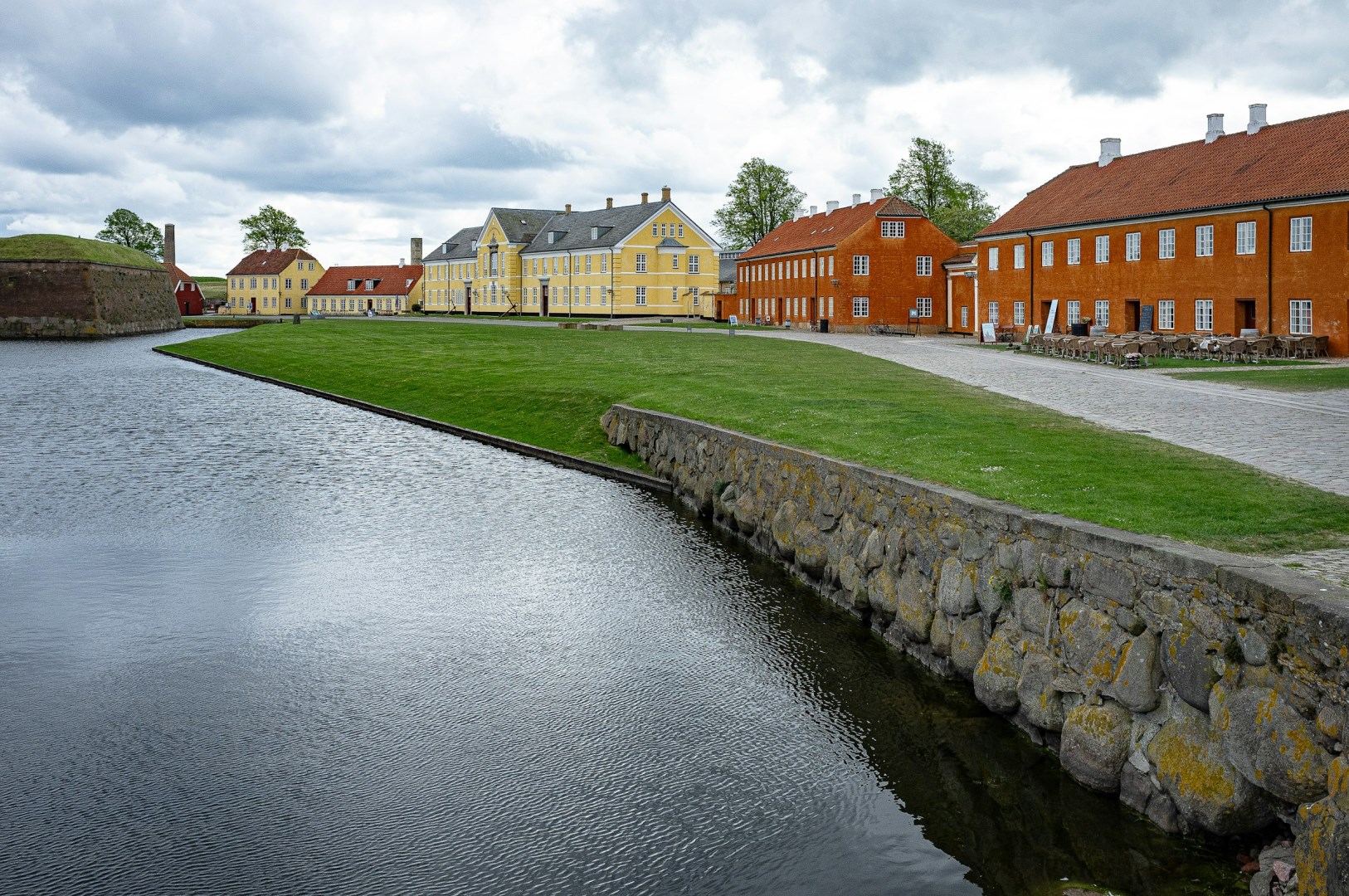
Helsingør is a historic port town on Denmark’s northeastern Zealand coast, facing the narrow Øresund strait toward Sweden. Its waterfront setting has long shaped the town, with ferries, maritime traffic, and views across the water forming part of everyday life. The compact center contains narrow streets, colorful historic buildings, and squares surrounding the town’s main landmarks.
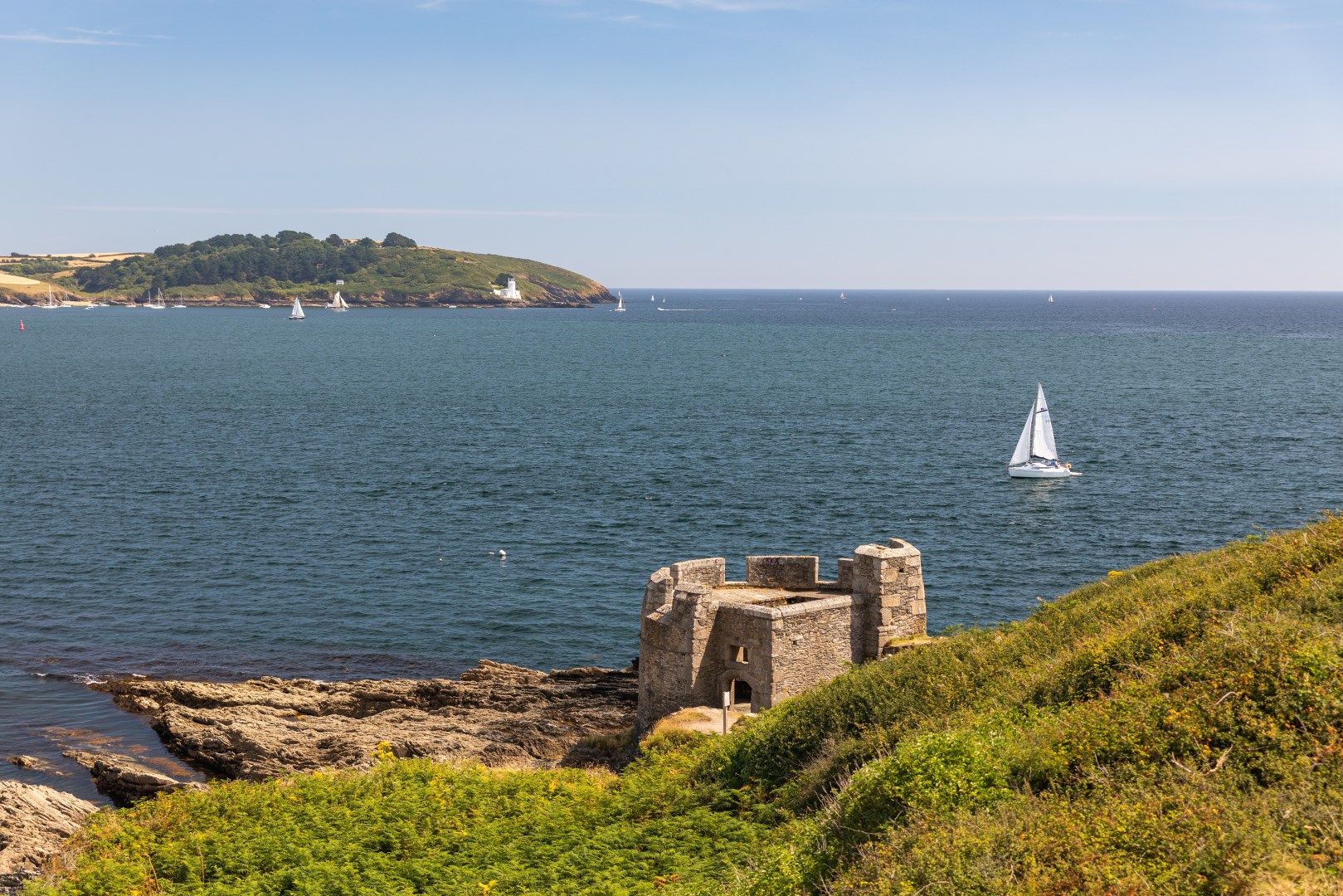
Falmouth is a small harbour settlement on the southern coast of Antigua, adjoining English Harbour and surrounded by hills and sheltered bays. Its waterfront is closely connected to Antigua's sailing industry, with marinas, boatyards, restaurants, and services lining the harbour.
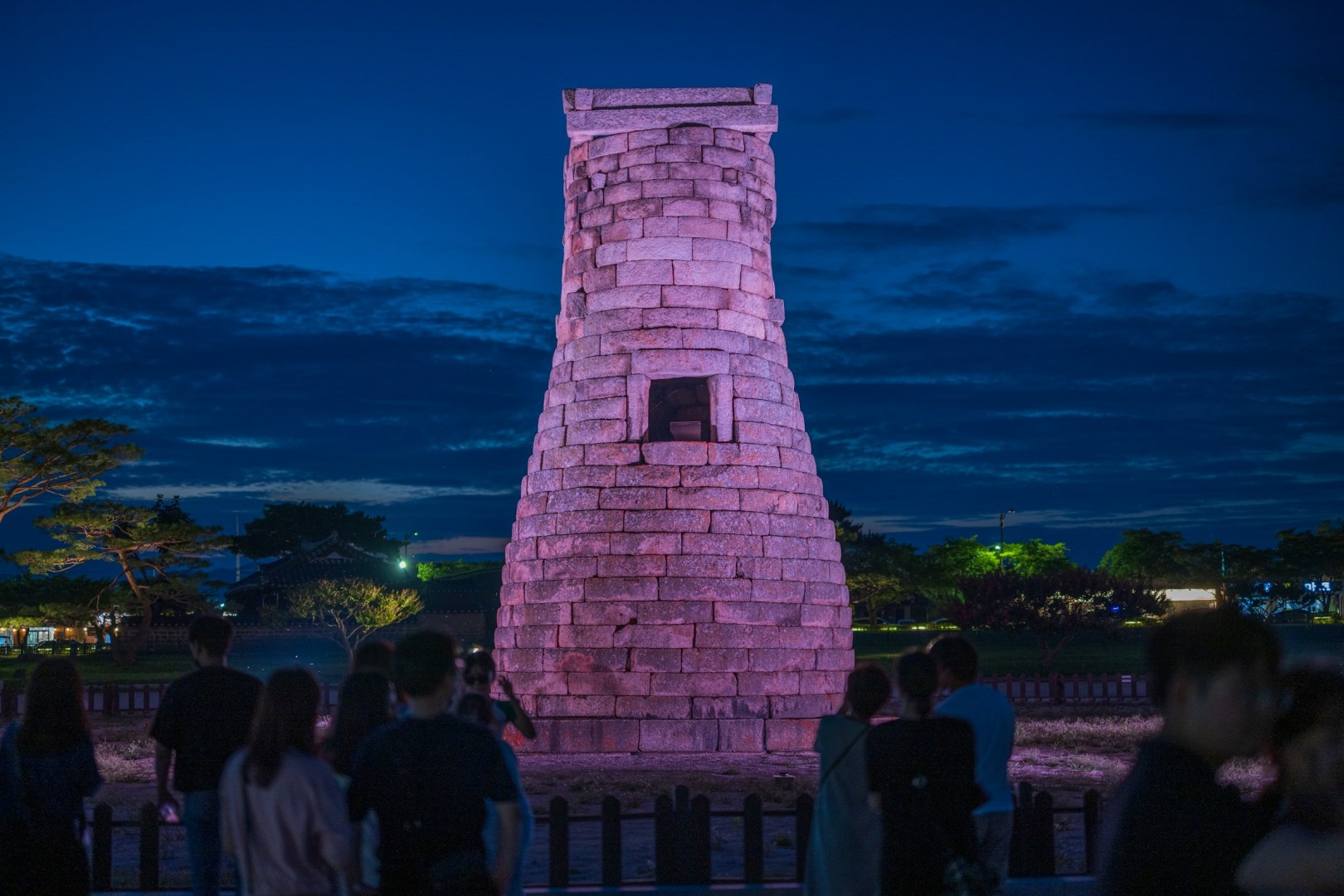
Gyeongju-si is a historic city in southeastern South Korea known for its close connection with the Silla kingdom and its concentration of archaeological sites, temples, royal tombs, and Buddhist monuments. Much of the city’s heritage is spread across open landscapes rather than confined to a single historic center. The Gyeongju Historic Areas include Mount Namsan, the Wolseong area, royal tomb complexes, and the remains of major temples and palaces.
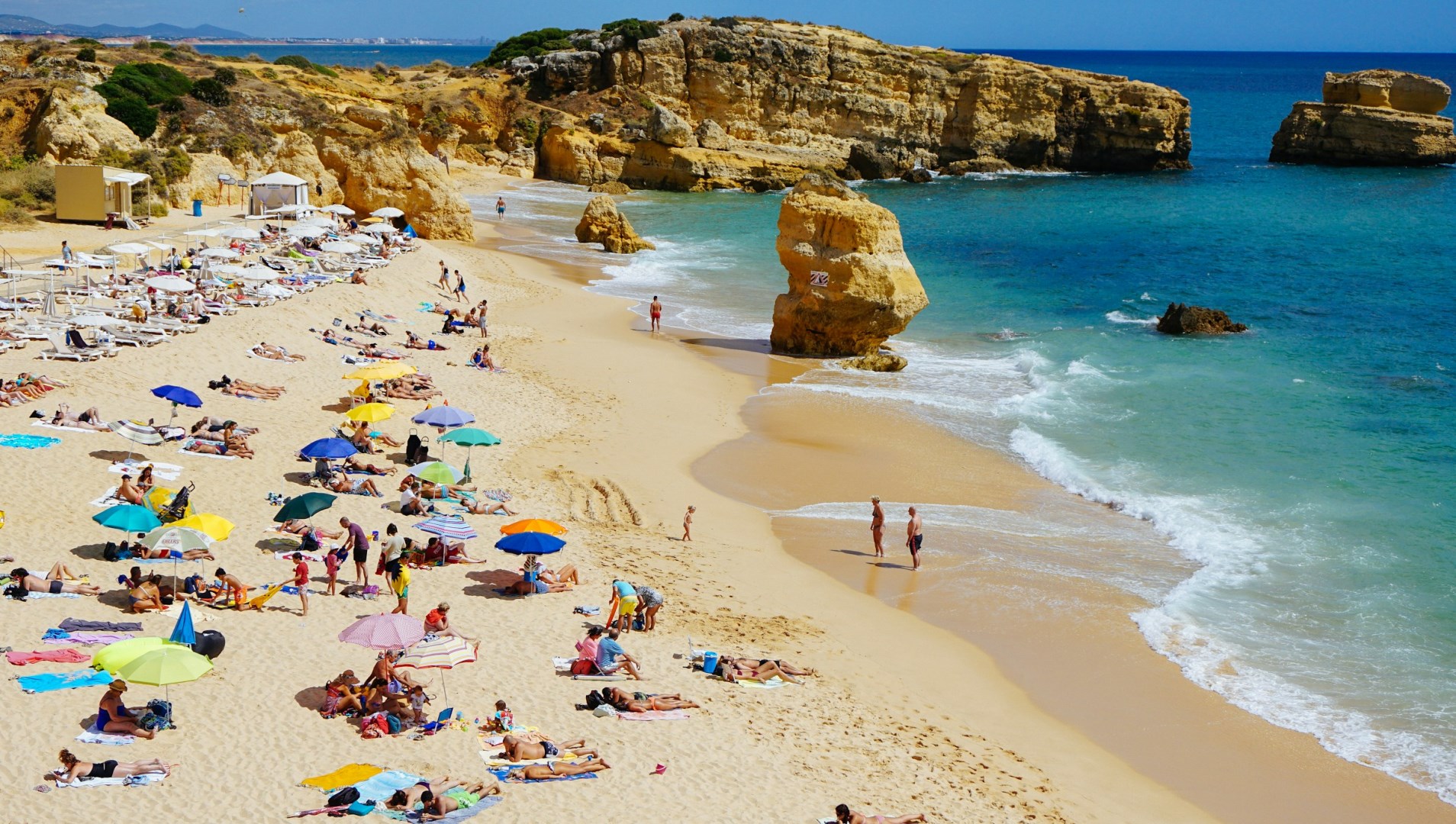
Albufeira, perched on Portugal’s Algarve coast, combines the charm of a traditional fishing village with the vibrancy of a seaside resort. Its whitewashed buildings tumble down hillsides toward golden beaches and turquoise waters, creating one of the most picturesque coastal scenes in southern Europe.
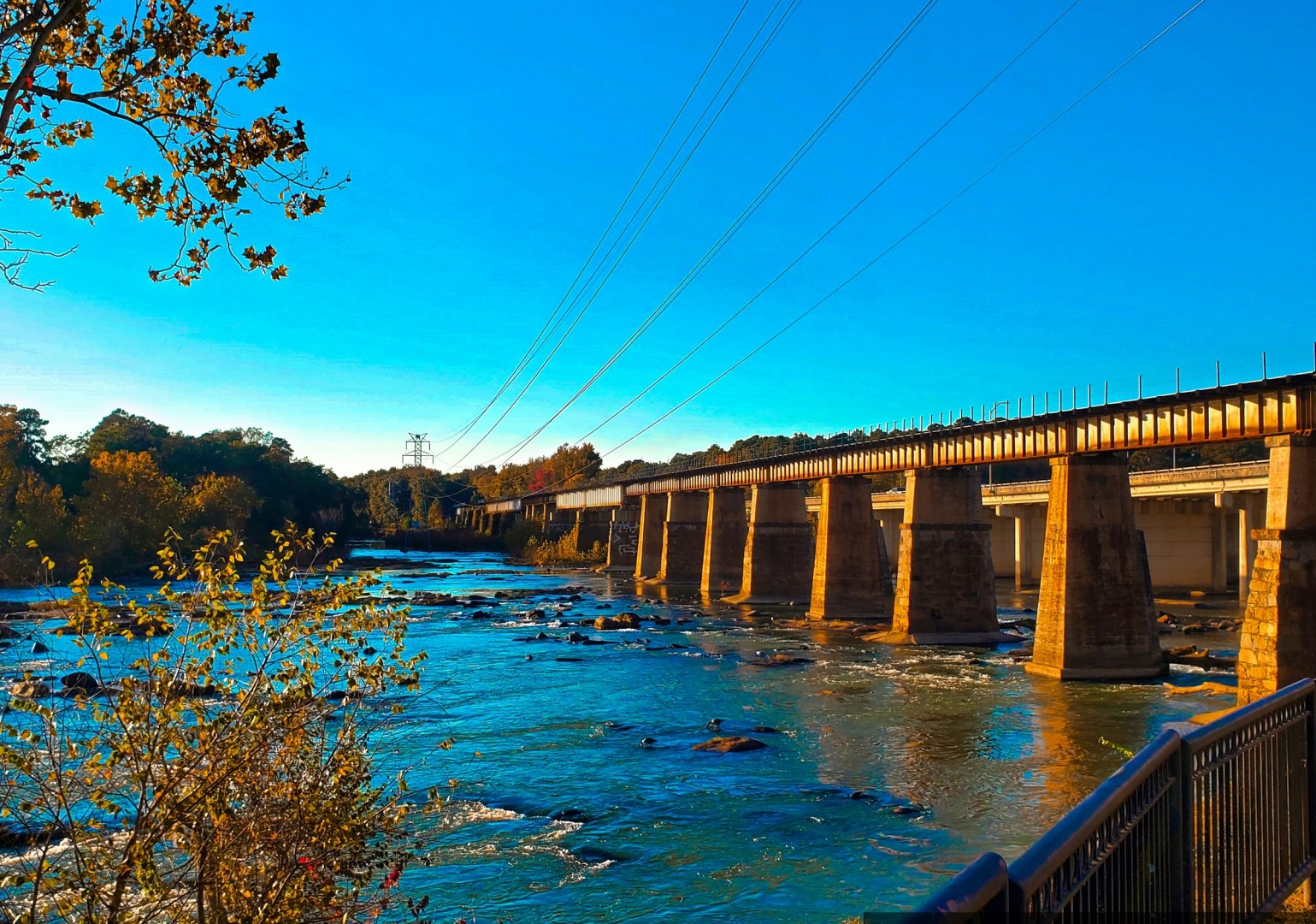
Photo Credit: Photo by Conny Schneider on Unsplash
Photo Credit: Photo by Hendrik Cornelissen on Unsplash
Photo Credit: Photo by Fausto García-Menéndez on Unsplash
Photo Credit: Photo by Andreas M on Unsplash
Photo Credit: Photo by Kevin Charit on Unsplash
Photo Credit: Photo by Mark Pisek on Unsplash
Photo Credit: Photo by Mihály Köles on Unsplash
Photo Credit: Photo by Miltiadis Fragkidis on Unsplash
Photo Credit: Photo by Elijah G on Unsplash
Photo Credit: Photo by Andreas M on Unsplash
Photo Credit: Photo by Bertrand Borie on Unsplash
Photo Credit: Photo by Antoino Lopez on Unsplash
Photo Credit: Photo by Bastian Pudill on Unsplash
Photo Credit: Photo by Antoino Lopez on Unsplash
Photo Credit: Photo by Max Nayman on Unsplash
Photo Credit: Photo by Michele Bergami on Unsplash
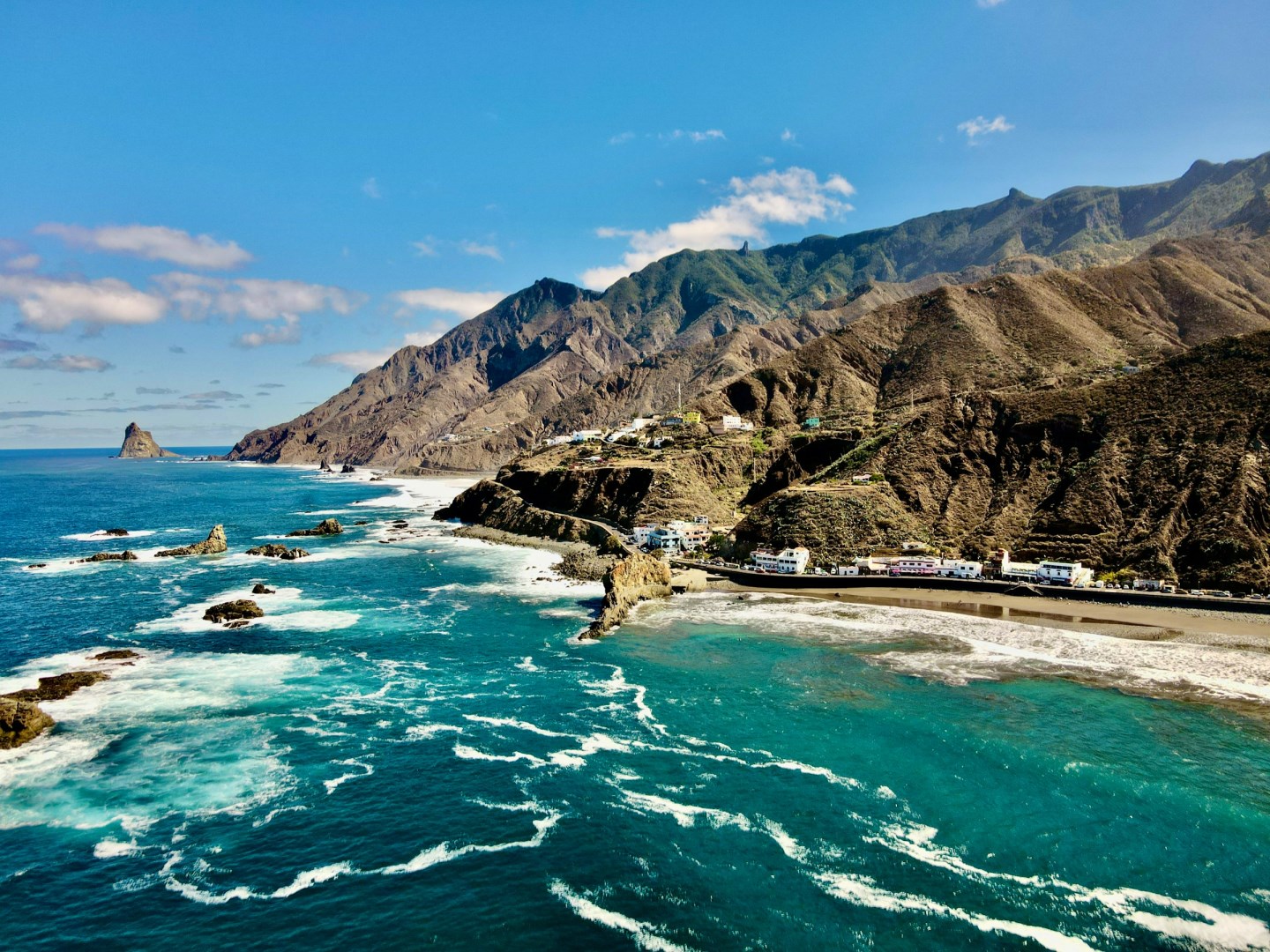
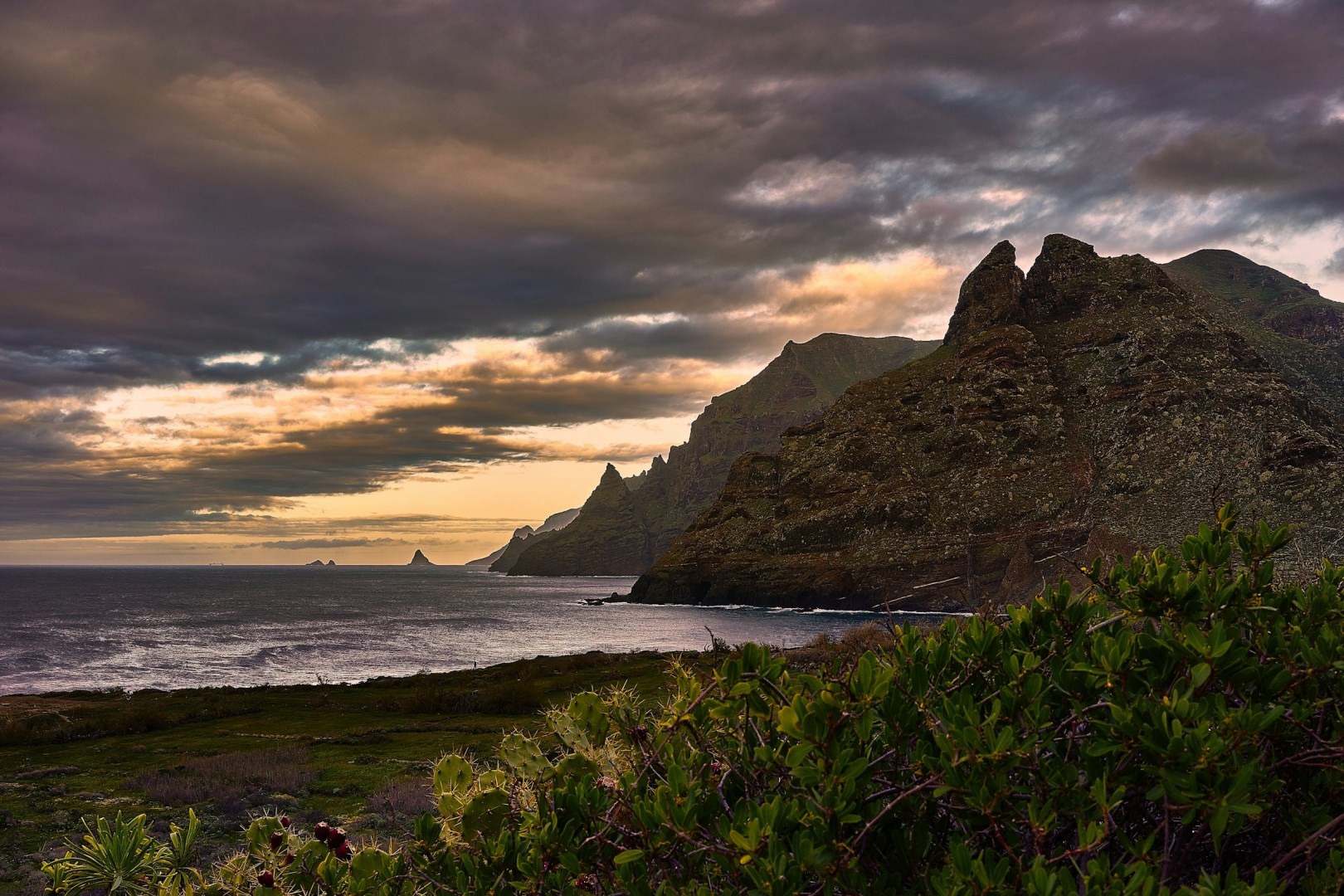
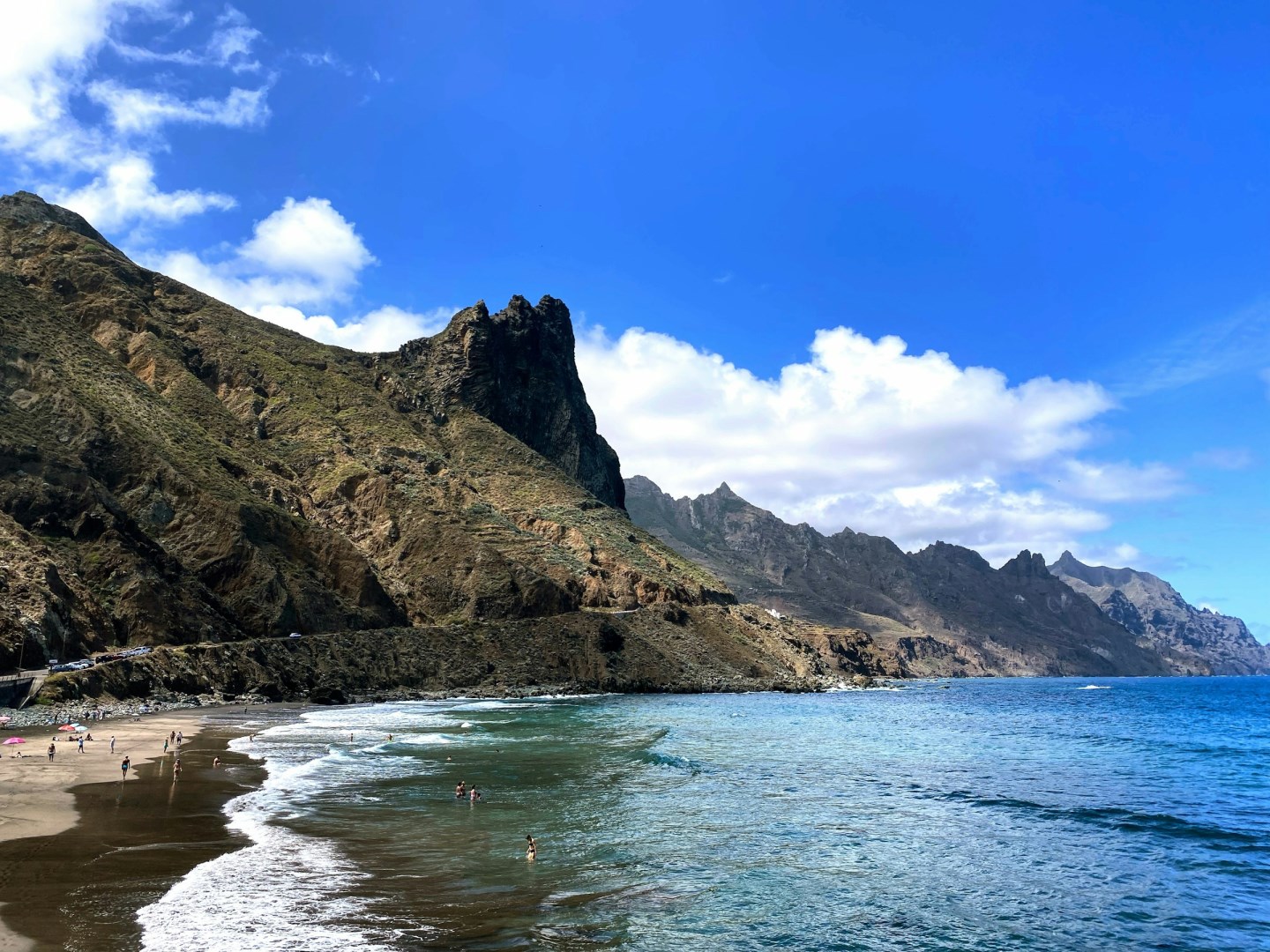
Taganana
Photo Credit: Photo by Carla M.J. Gomes on Unsplash
Photo Credit: Photo by Maksim Shutov on Unsplash
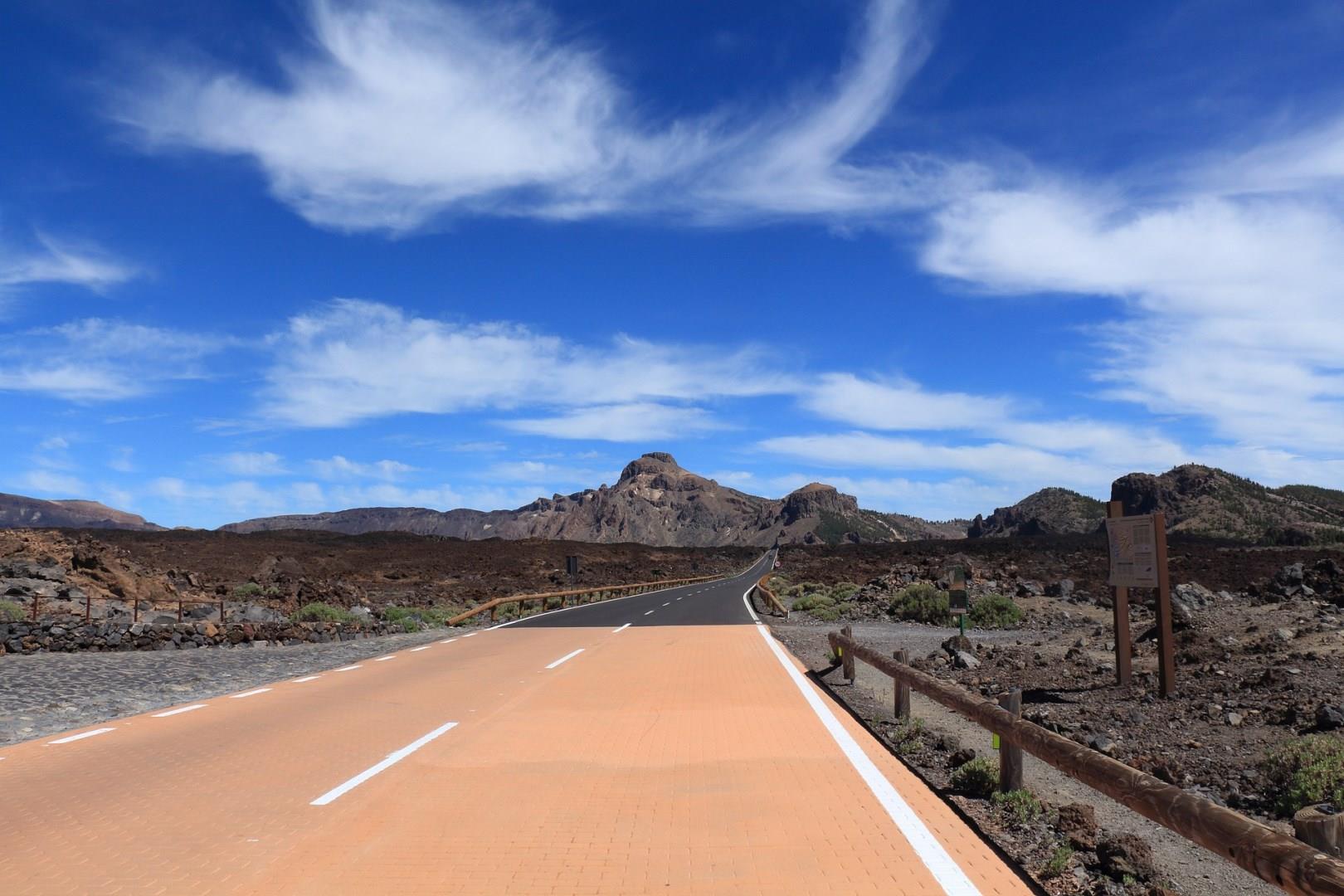
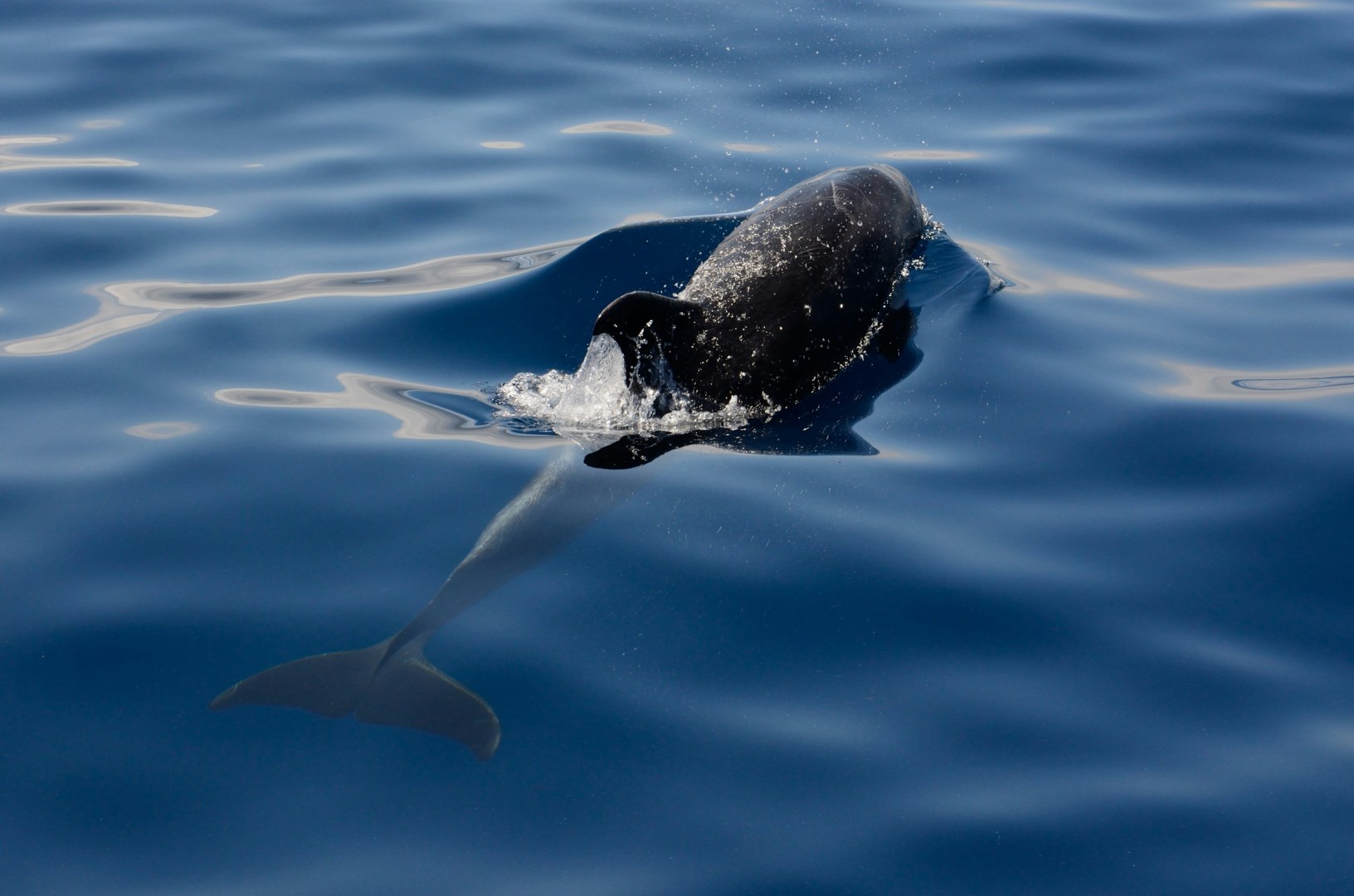
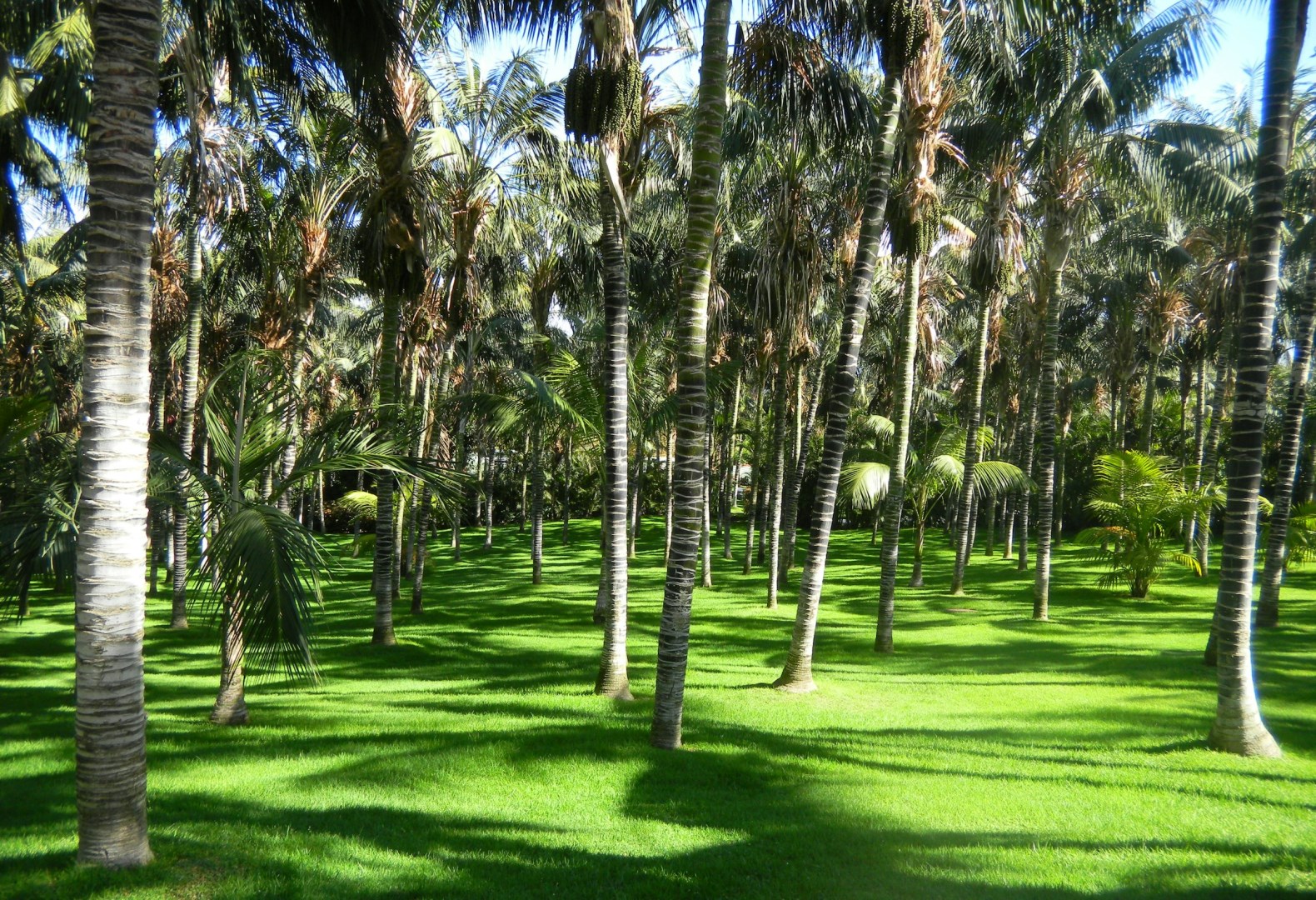
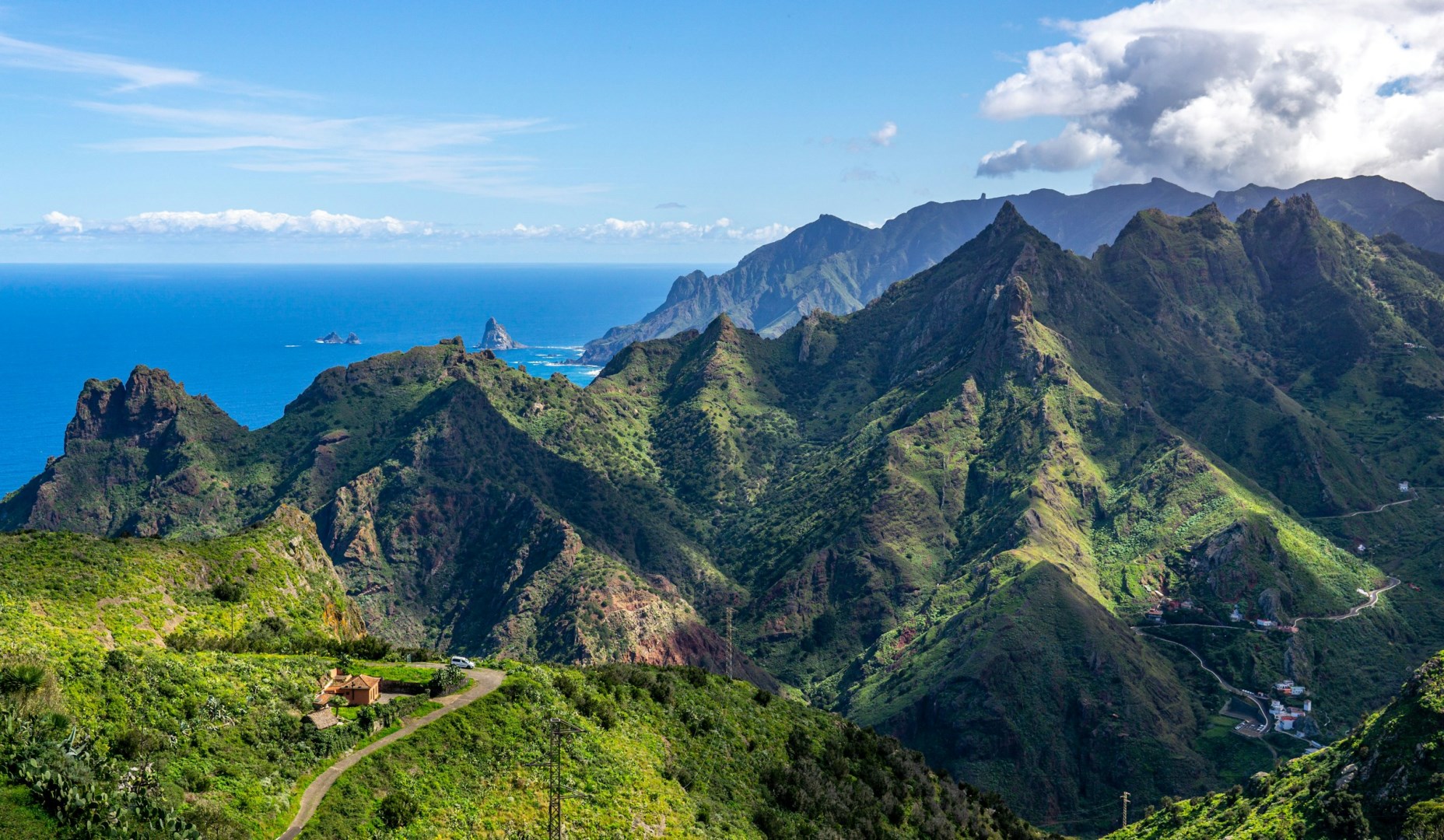
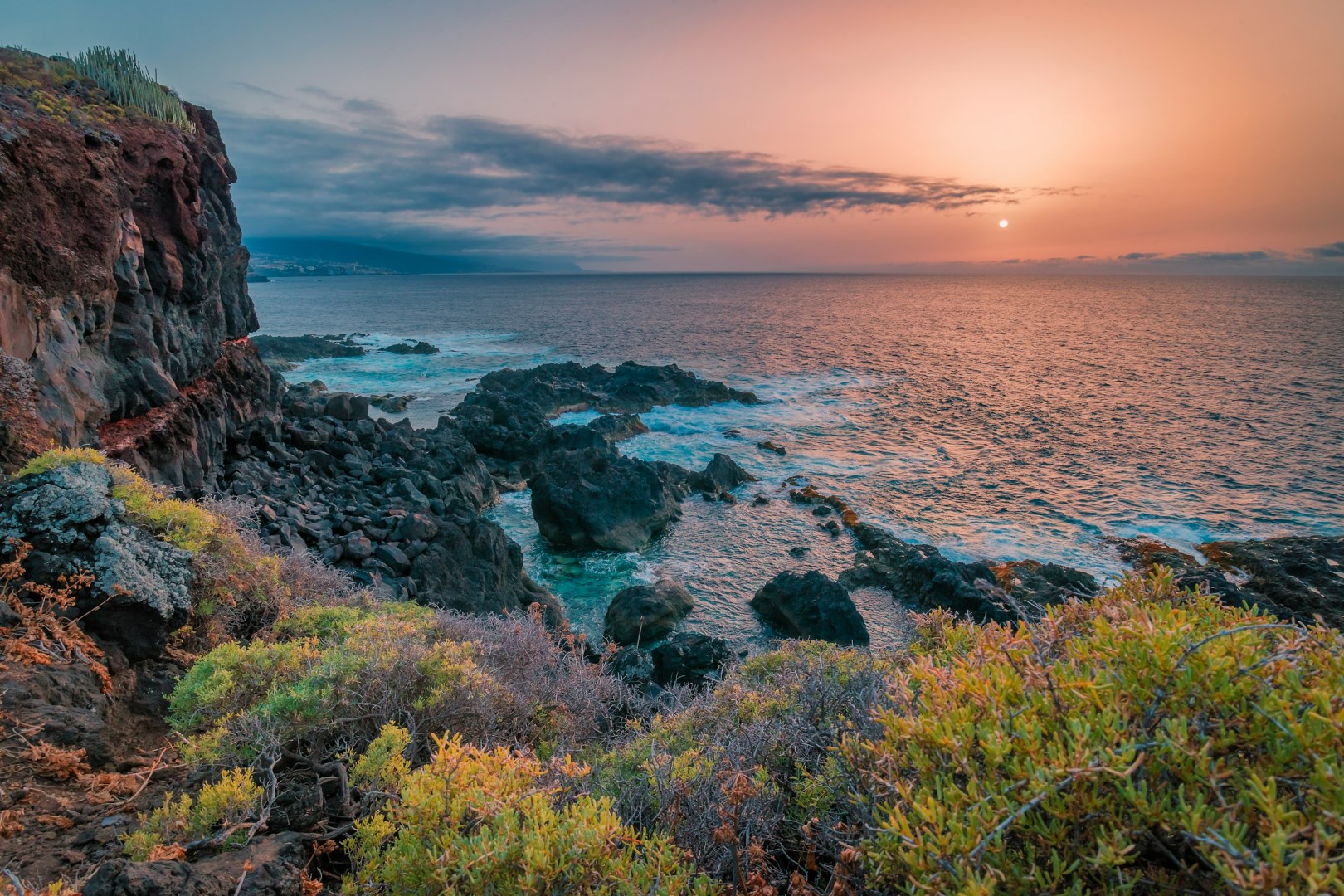
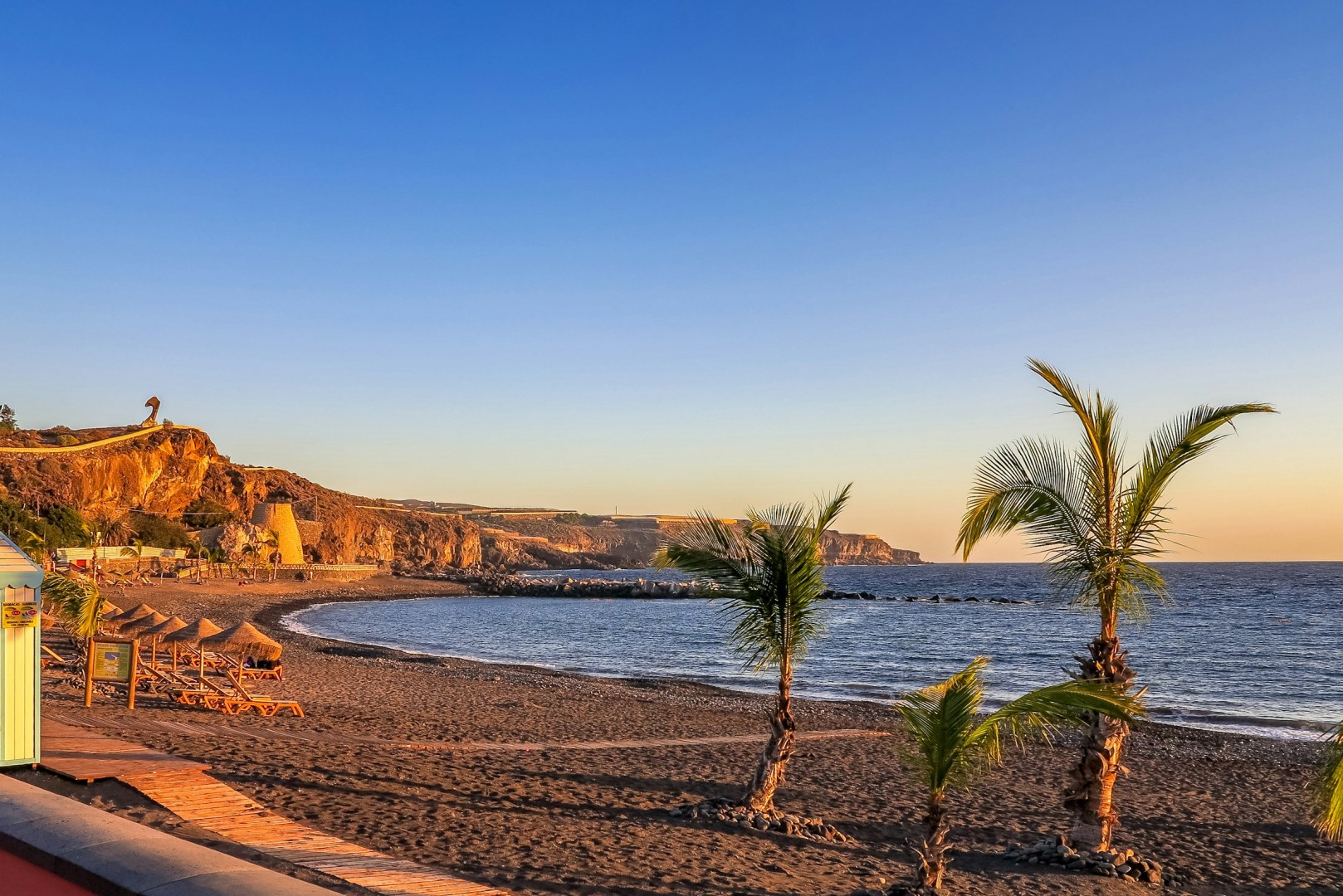
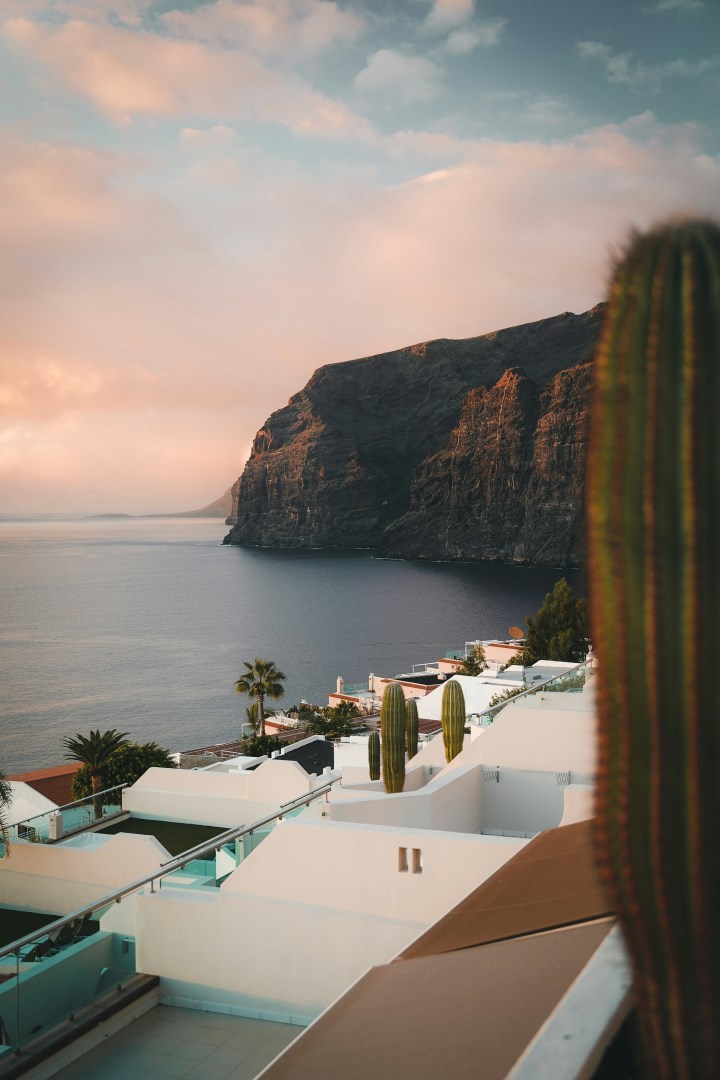
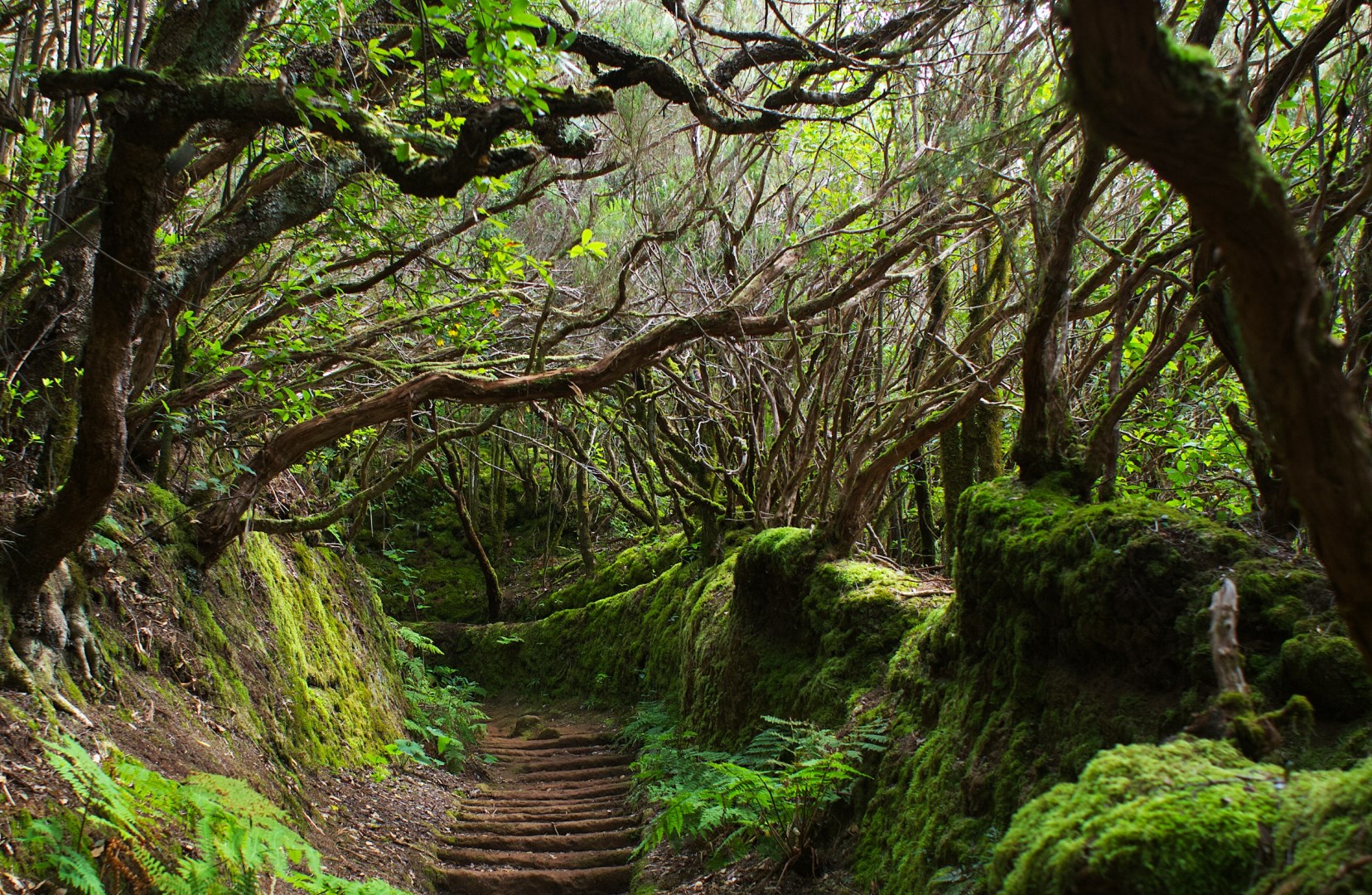
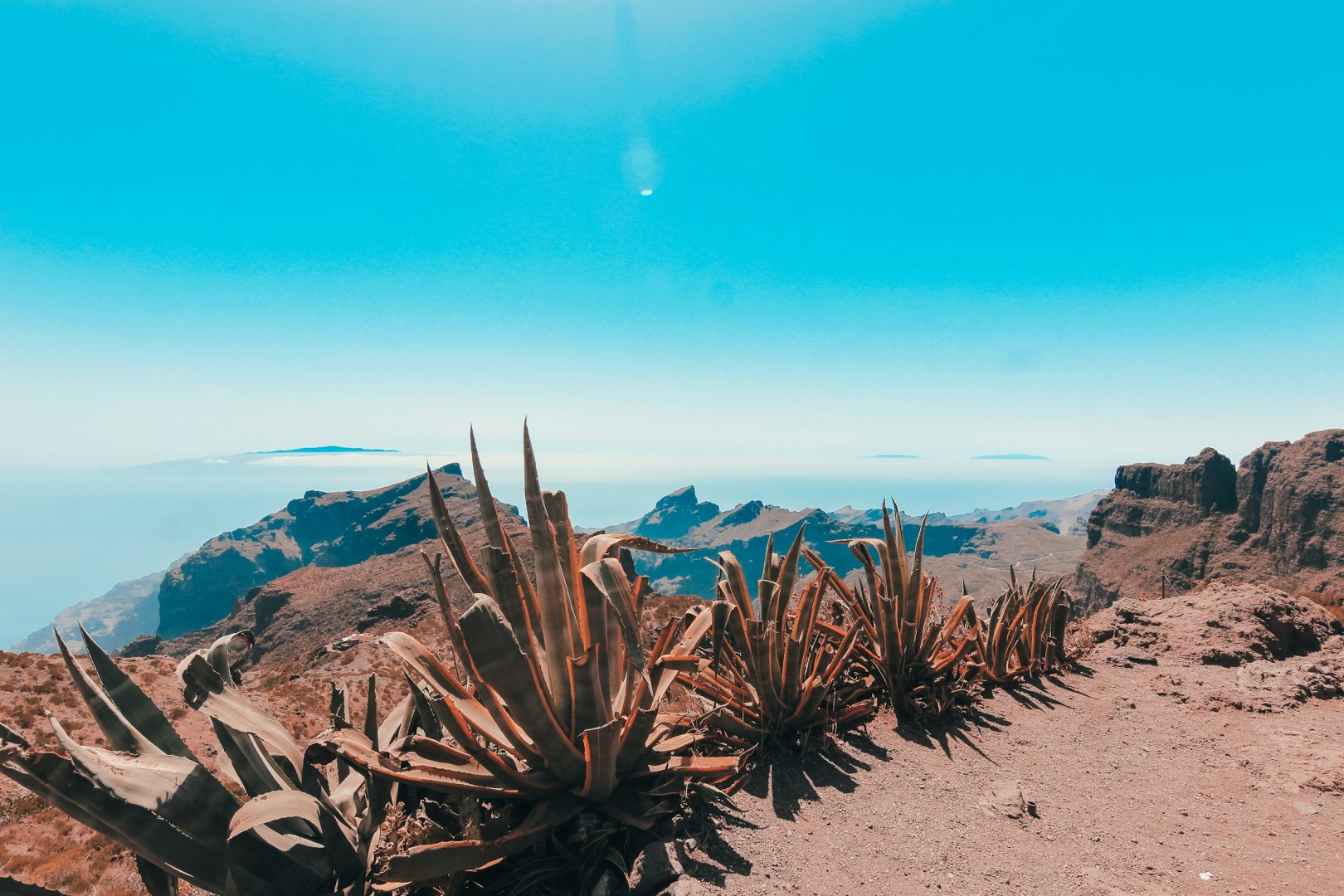
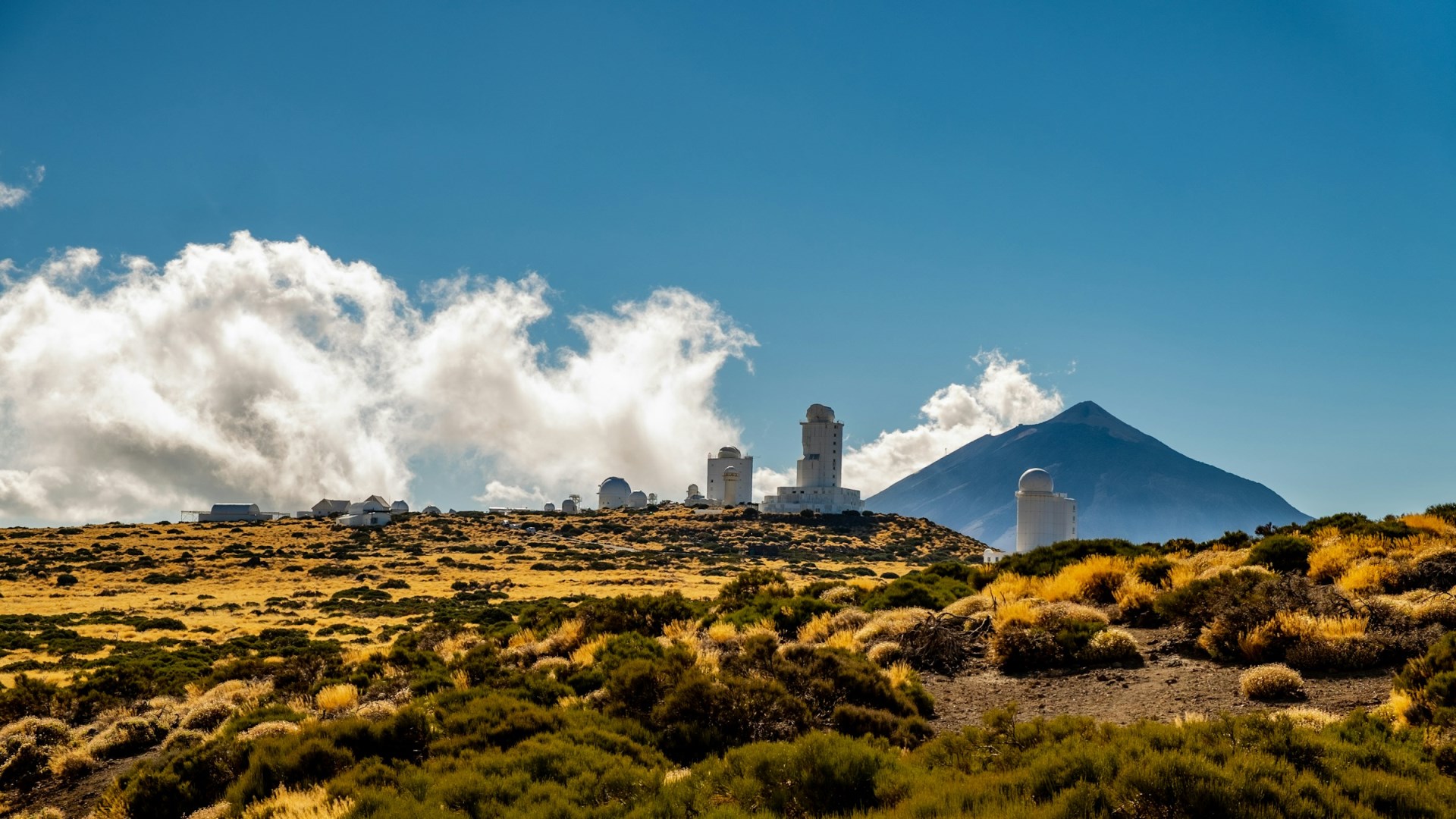
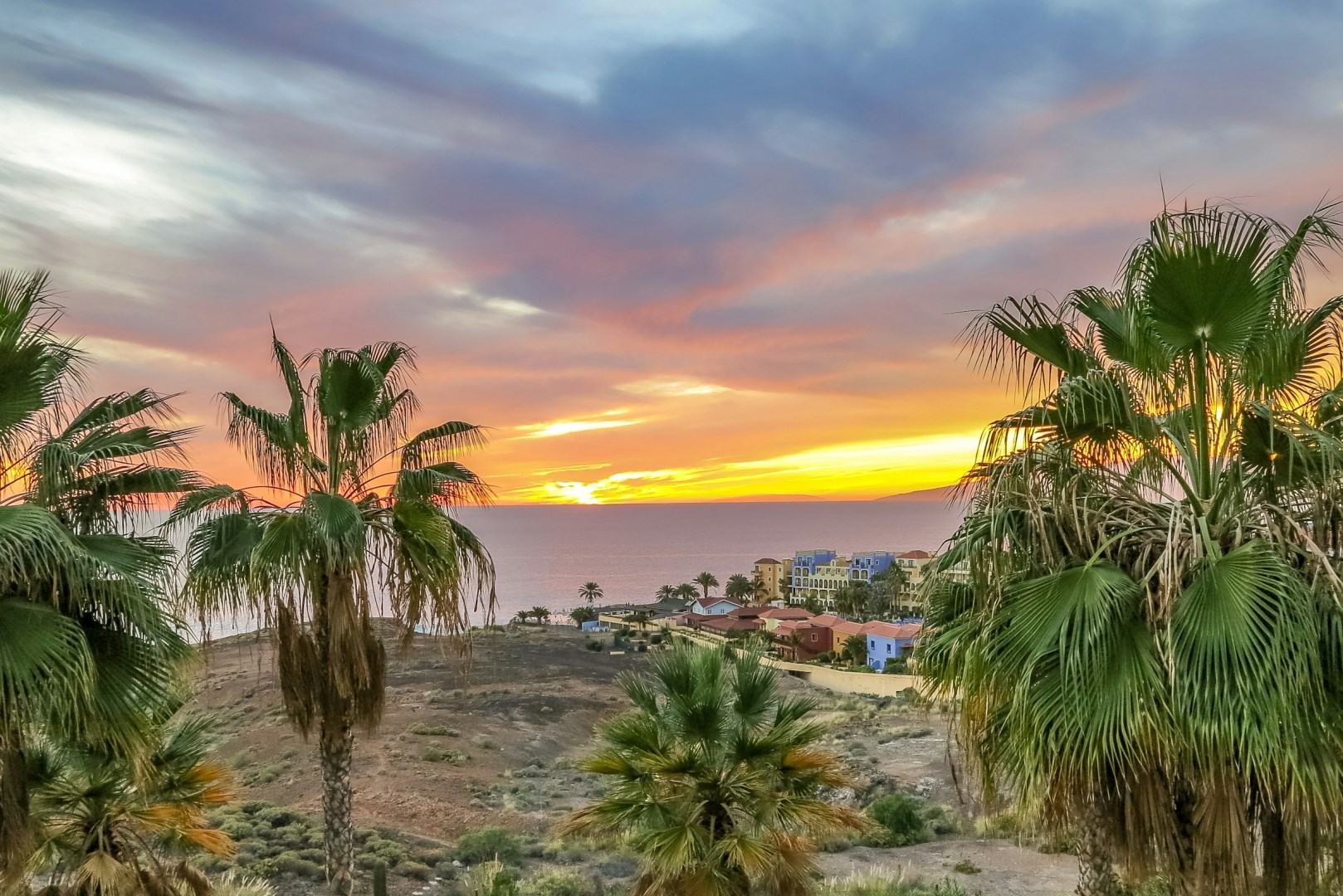
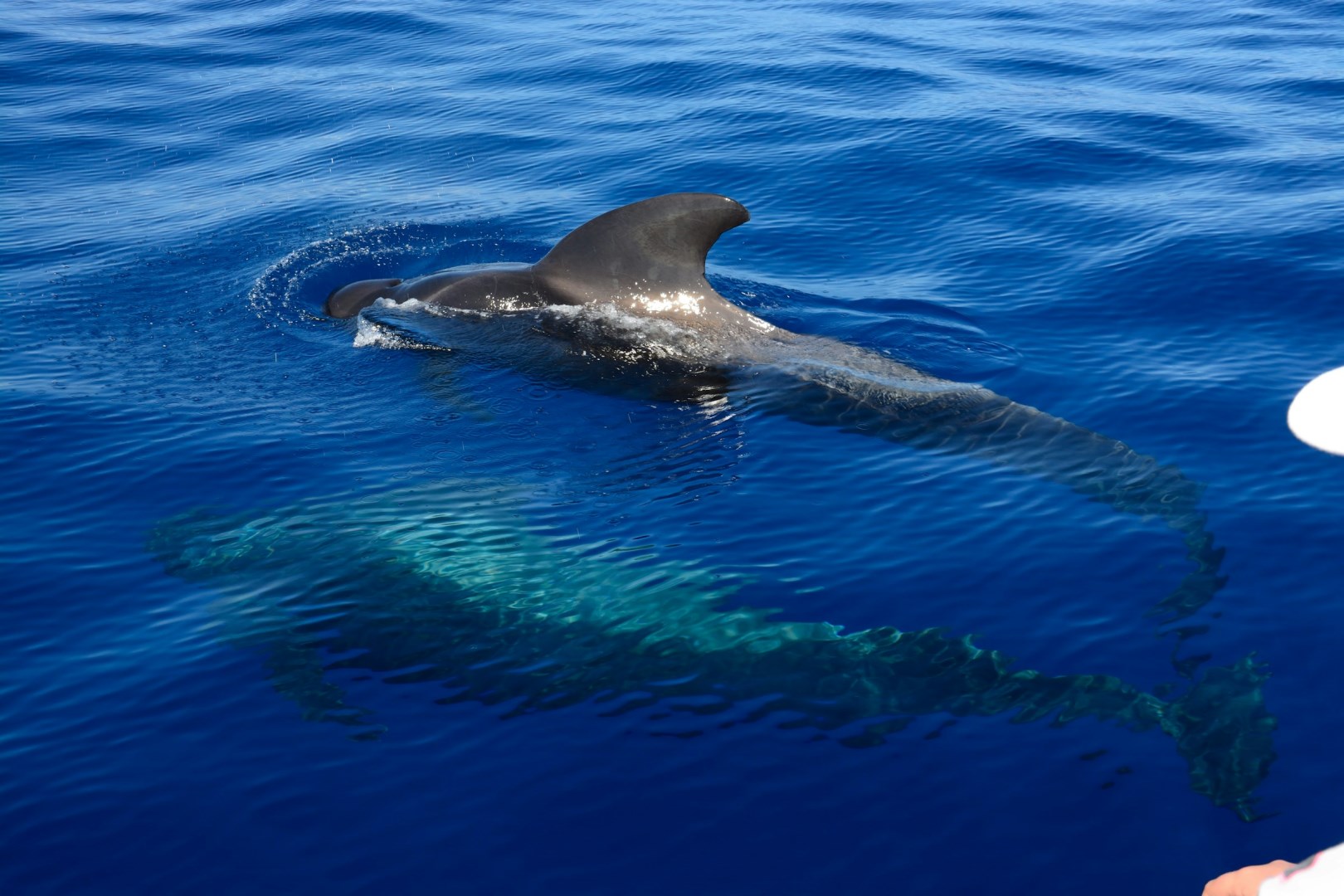
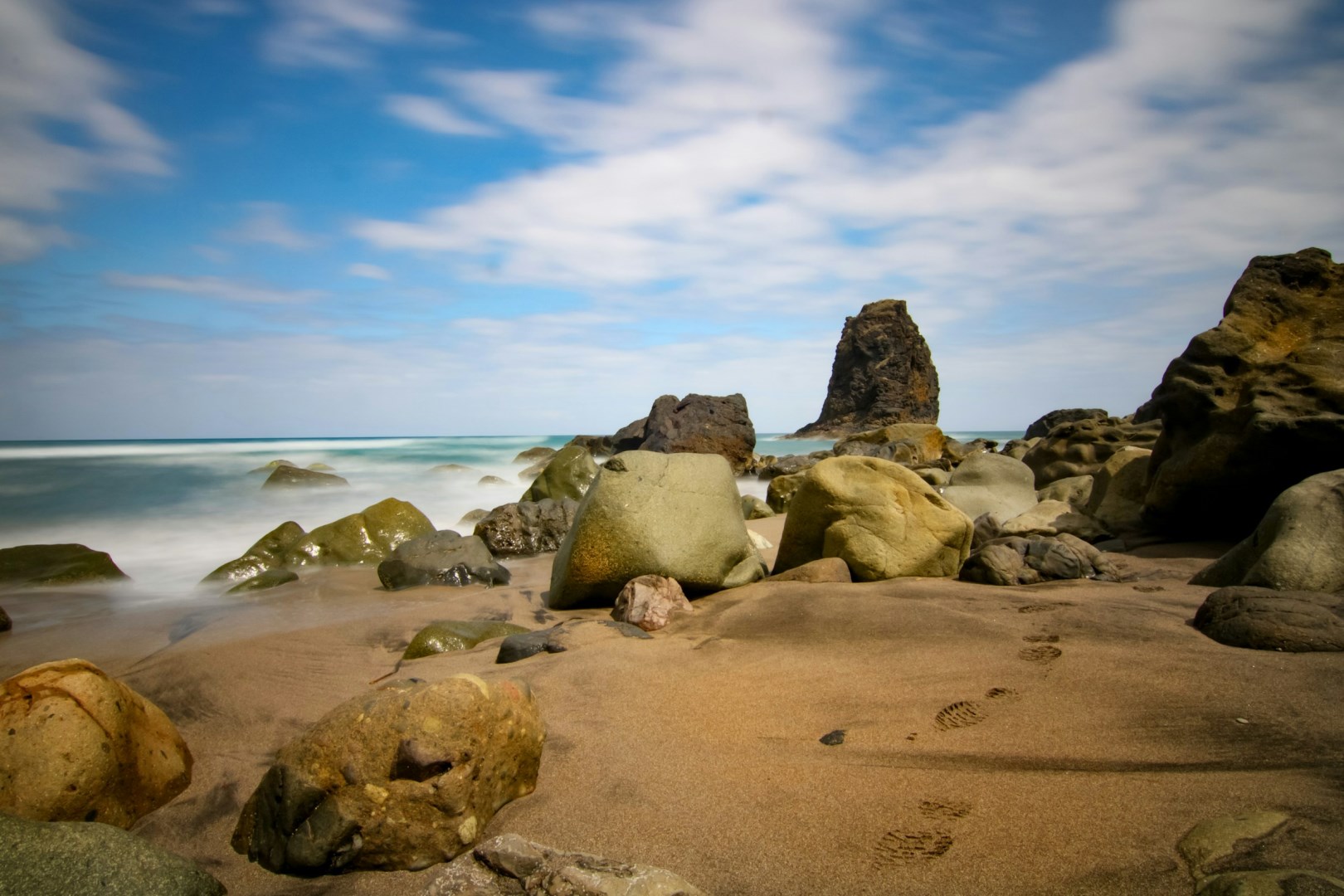
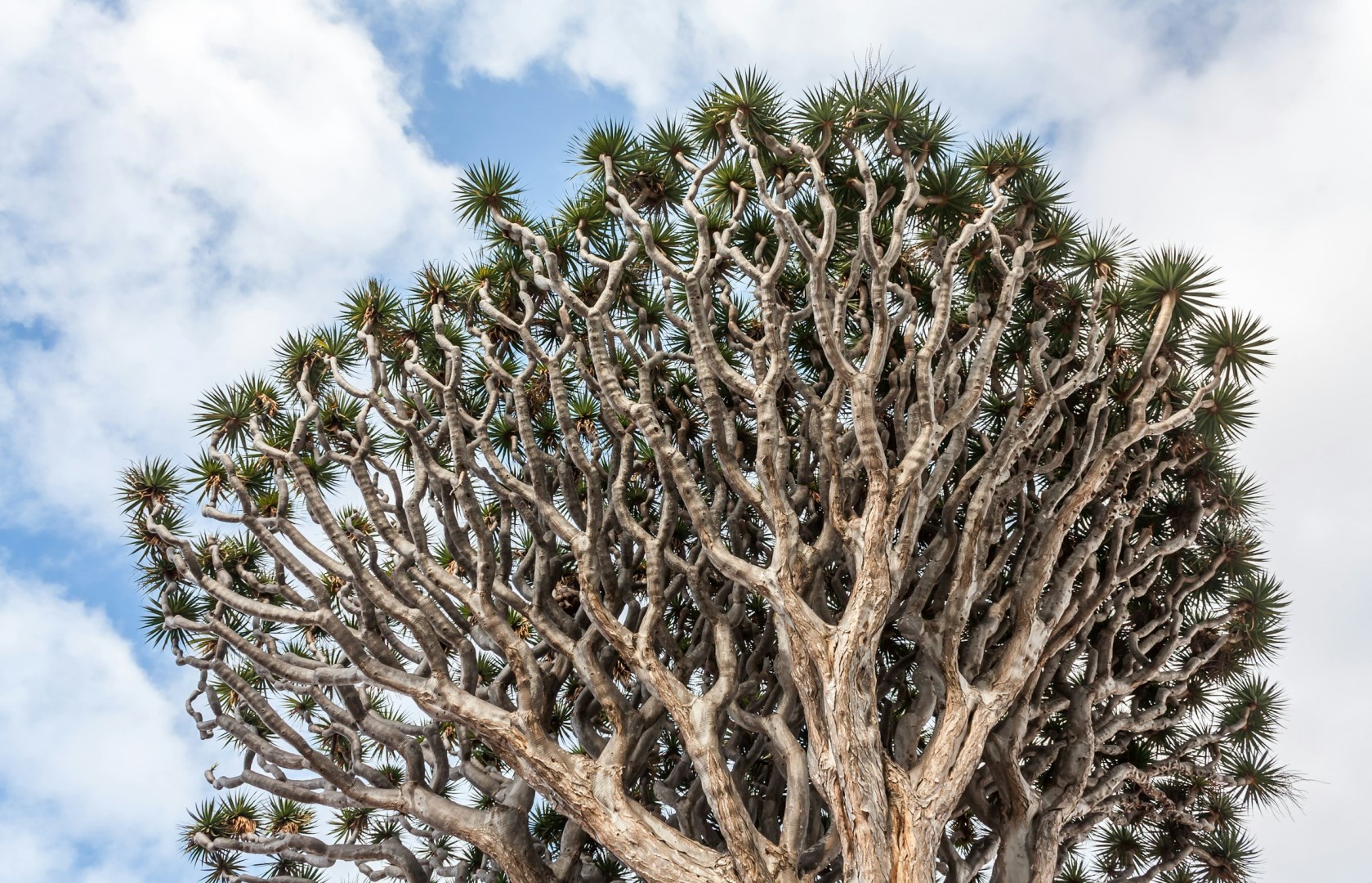
Tenerife is the largest isle of the Canary Islands archipelago. Famous for its black and yellow sand beaches as well as Mt. Teide, the dormant volcano that looms over the island.
Other Popular Destinations in Canary Islands
Santa Cruz de La Palma
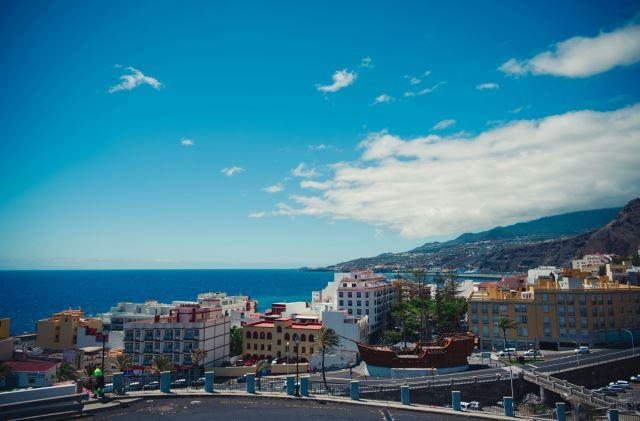
Santa Cruz de La Palma is the capital of the island of La Palma, one of the seven Canary Islands. Although often forgotten in favor of the similarly named Santa Cruz de Tenerife, it is a compact and colorful colonial town well worth a visit. Swimming, paragliding, and hiking and some of the most popular daytime activities, while stargazing is a favorite pastime after the sun goes down.

Las Palmas
Las Palmas (officially Las Palmas de Gran Canaria) is the capital of Gran Canaria island as well as co-capital (along with Santa Cruz de Tenerife) of the Canary Islands. It is a major cruise-ship port known for duty-free shopping and sandy beaches, including Playa de Las Canteras, considered by many to be one of the best urban beaches worldwide.