Europe
Europe is a continent where centuries of history, diverse cultures, and striking landscapes are woven together. From the snowy peaks of the Alps to the sun-soaked shores of the Mediterranean, each region offers its own distinct character and traditions.

Marzamemi Sicily
Marzamemi, a small fishing village on the southeastern coast of Sicily, offers an authentic taste of Mediterranean charm. Known for its picturesque stone buildings, vibrant piazzas, and crystal-clear waters, Marzamemi captures the essence of coastal life in Sicily. The town’s centerpiece is Piazza Regina Margherita, surrounded by rustic houses and lively seafood restaurants where visitors can savor the fresh catch of the day.

Puntarenas
Stretching along Costa Rica’s Pacific coast, Puntarenas offers more than just sandy shores. This historic port town once served as the country’s main gateway for coffee exports in the 19th century. Today, visitors can stroll along streets that echo stories of maritime trade and explore how Puntarenas helped shape Costa Rica's economic identity.

Motril
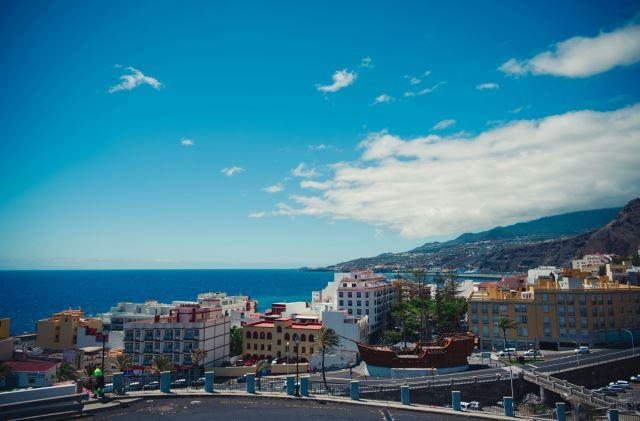
Motril, Spain, is located near the Guadalfeo River on the Mediterranean coast in the province of Granada. Sugar cane refineries form the backbone of Motril's economy, though tourism is also an essential industry.
Orange Beach
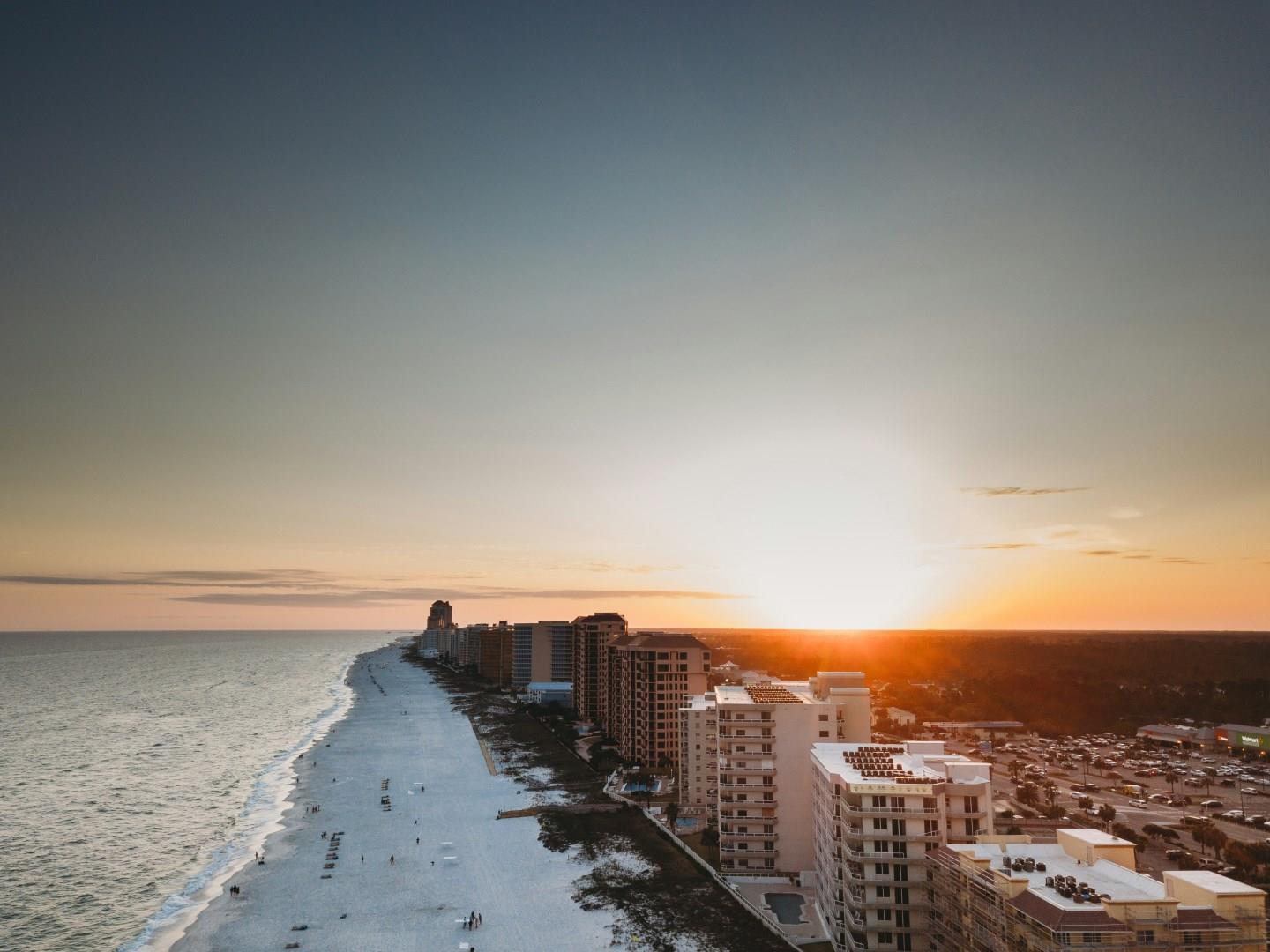
Orange Beach is a coastal city in southern Alabama, located along the Gulf of Mexico between Gulf Shores and Perdido Key. It is known for wide sandy beaches, coastal dunes, inland bays, and waterways that support boating and fishing. The city extends along a narrow barrier-island setting, with residential areas, restaurants, marinas, and recreation facilities close to the water. Cotton Bayou, Terry Cove, and Wolf Bay provide access to calmer inland waters, while the Gulf shoreline offers a diffe