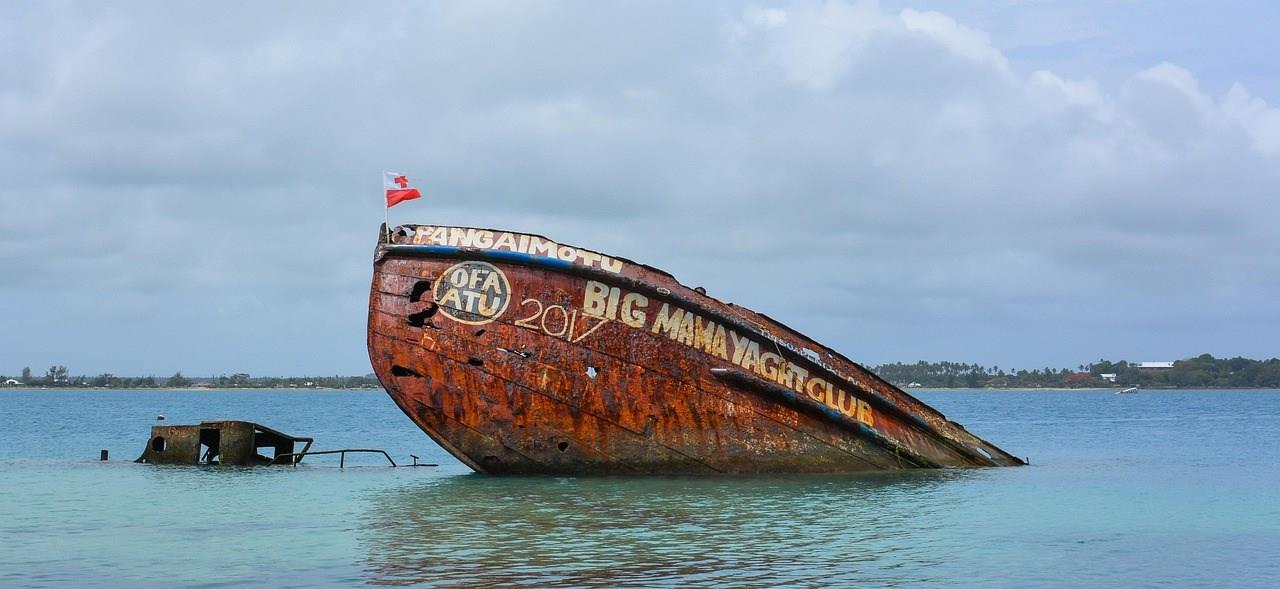
Tongatapu, the main island of Tonga, is where tradition, history, and the South Pacific’s natural world intersect in quiet and unexpected ways. As the political and cultural center of the Kingdom of Tonga, it is home to the capital city, Nukuʻalofa, as well as ancient royal burial grounds, dramatic coastal blowholes, and friendly villages where daily life unfolds slowly.
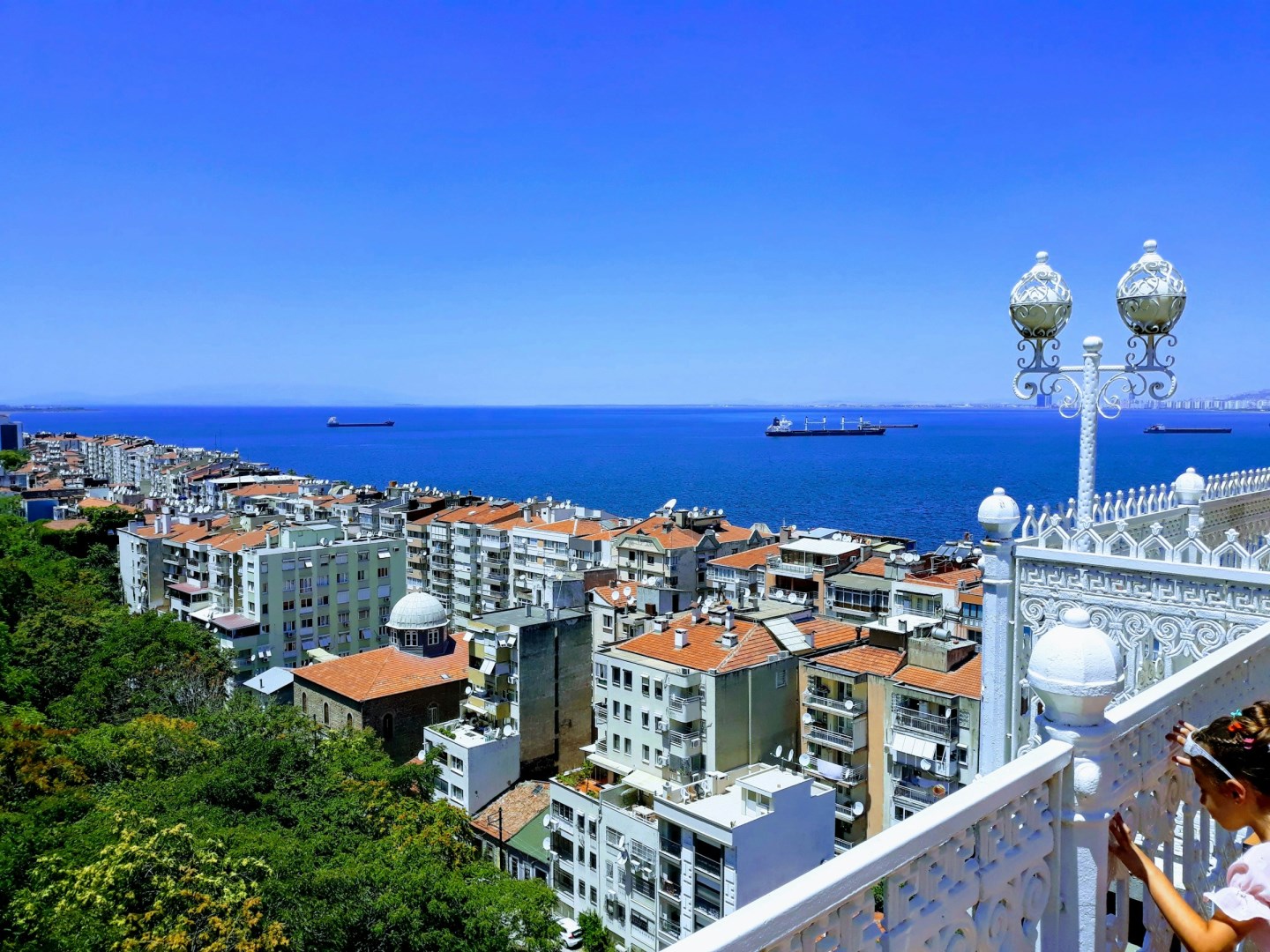
The third largest city in Turkey, a cosmopolitan and lively city all year round, during the International Arts Festival (June/July) and the international Fair (August/September), Izmir bursts with an added vibrancy.

Texas is a state where size meets story from high plains to coastal shores, every region brings something distinct to the table. In San Antonio, visitors can walk through centuries of layered history starting at the Alamo, a site of one of the most famous battles in the state’s fight for independence. The nearby San Antonio Missions, a UNESCO World Heritage Site, offers a deeper look into the Spanish colonial influence that shaped the region.
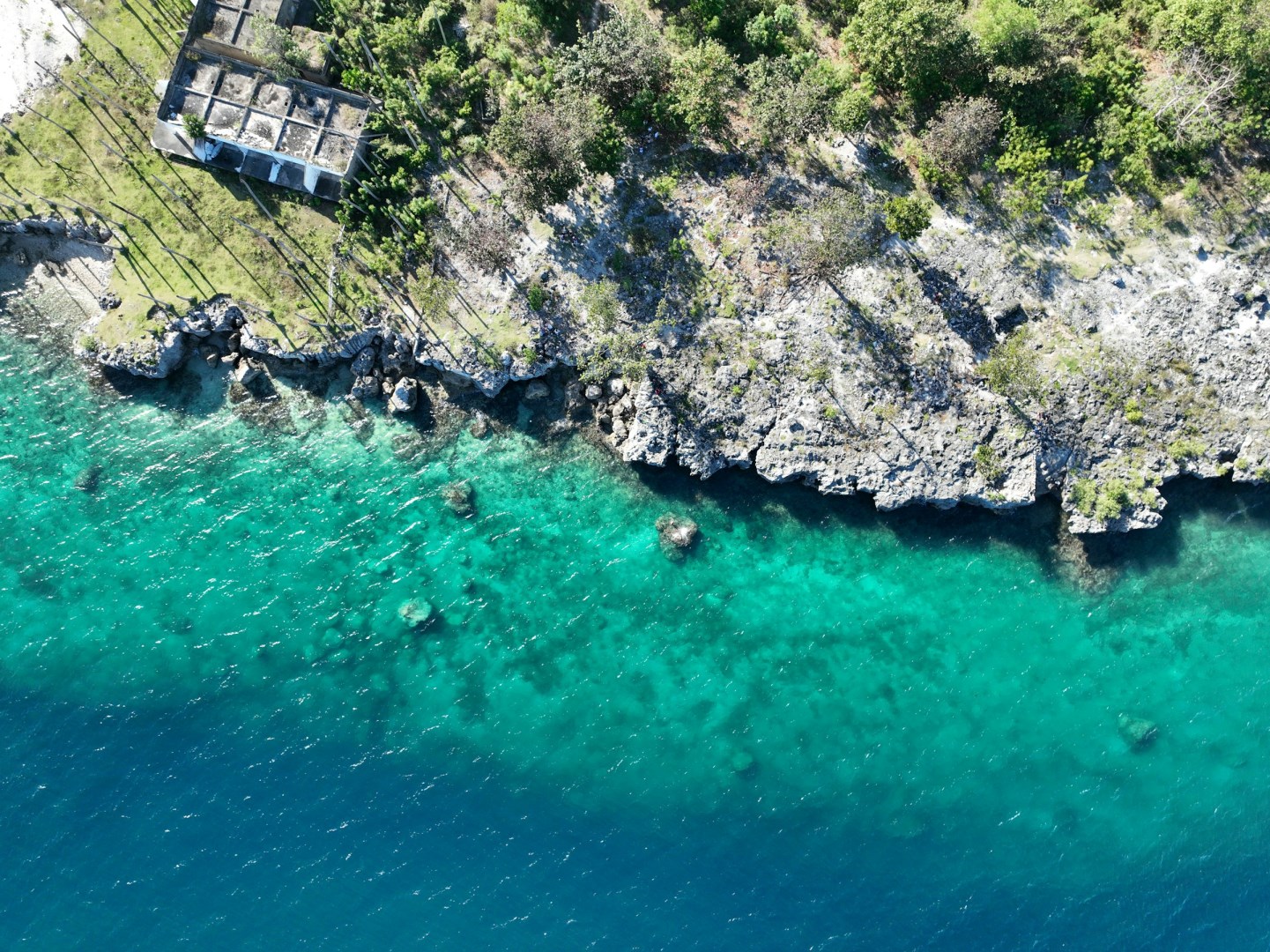
Lapu-Lapu City occupies much of Mactan Island in Cebu Province, Philippines, and is connected to Cebu City and the mainland by bridges across the Mactan Channel. The city combines a busy urban environment with beaches, resorts, coastal communities, and a major international airport. Mactan Island is also known for its coral-rich waters and long association with fishing and maritime trade.
The Loyalty Islands, an enchanting archipelago in New Caledonia, provide an unforgettable escape for travelers looking to experience an unspoiled side of the Pacific.
Photo Credit: Photo by Loïc Mermilliod on Unsplash
Photo Credit: Photo by Fabiola Llerena on Unsplash
Photo Credit: Photo by Martin Woortman on Unsplash
Photo Credit: Photo by David Vives on Unsplash
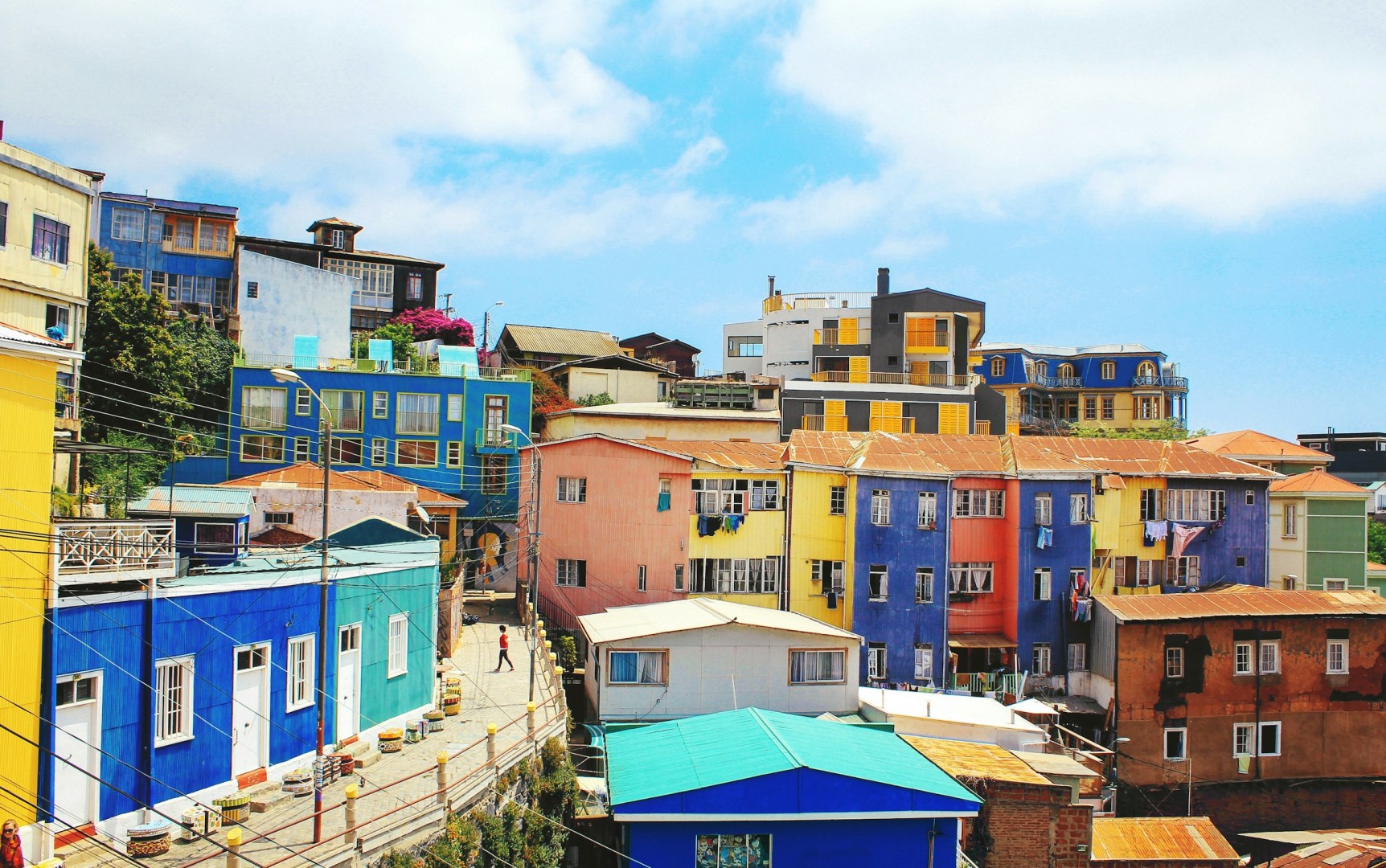
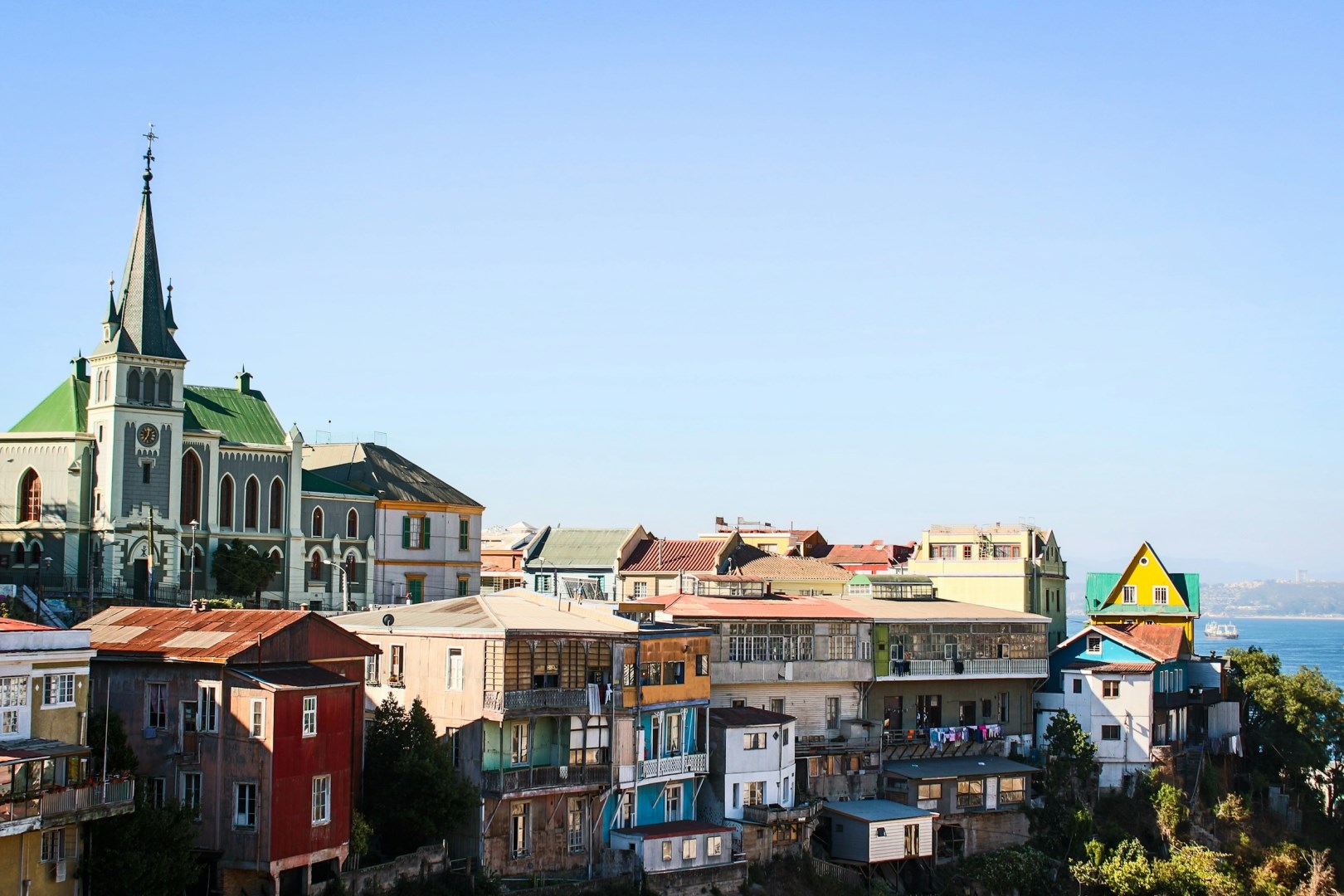
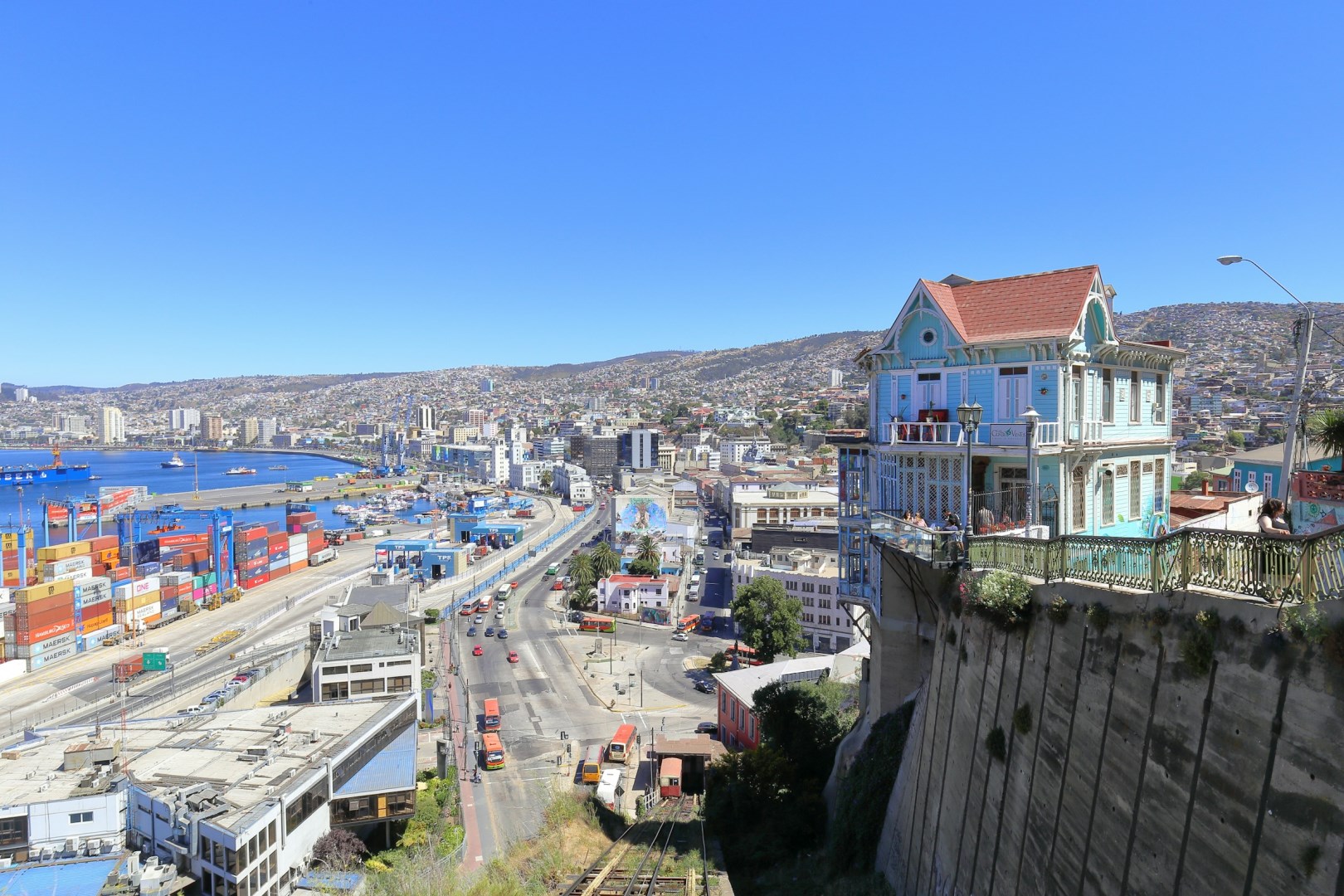
Valparaíso, Chile, is a city that beckons travelers with its vibrant street art, steep hillsides, and bohemian spirit. Known as the "Jewel of the Pacific," Valparaíso's historical importance as a major port during the 19th century has left an indelible mark on its architecture and culture. The city's UNESCO-listed historic quarter is a labyrinth of colorful houses and cobblestone streets that seem to defy gravity as they cascade down to the Pacific Ocean (UNESCO). The iconic Ascensores (funiculars) that dot the city offer a unique way to explore these hills while providing stunning panoramic views.
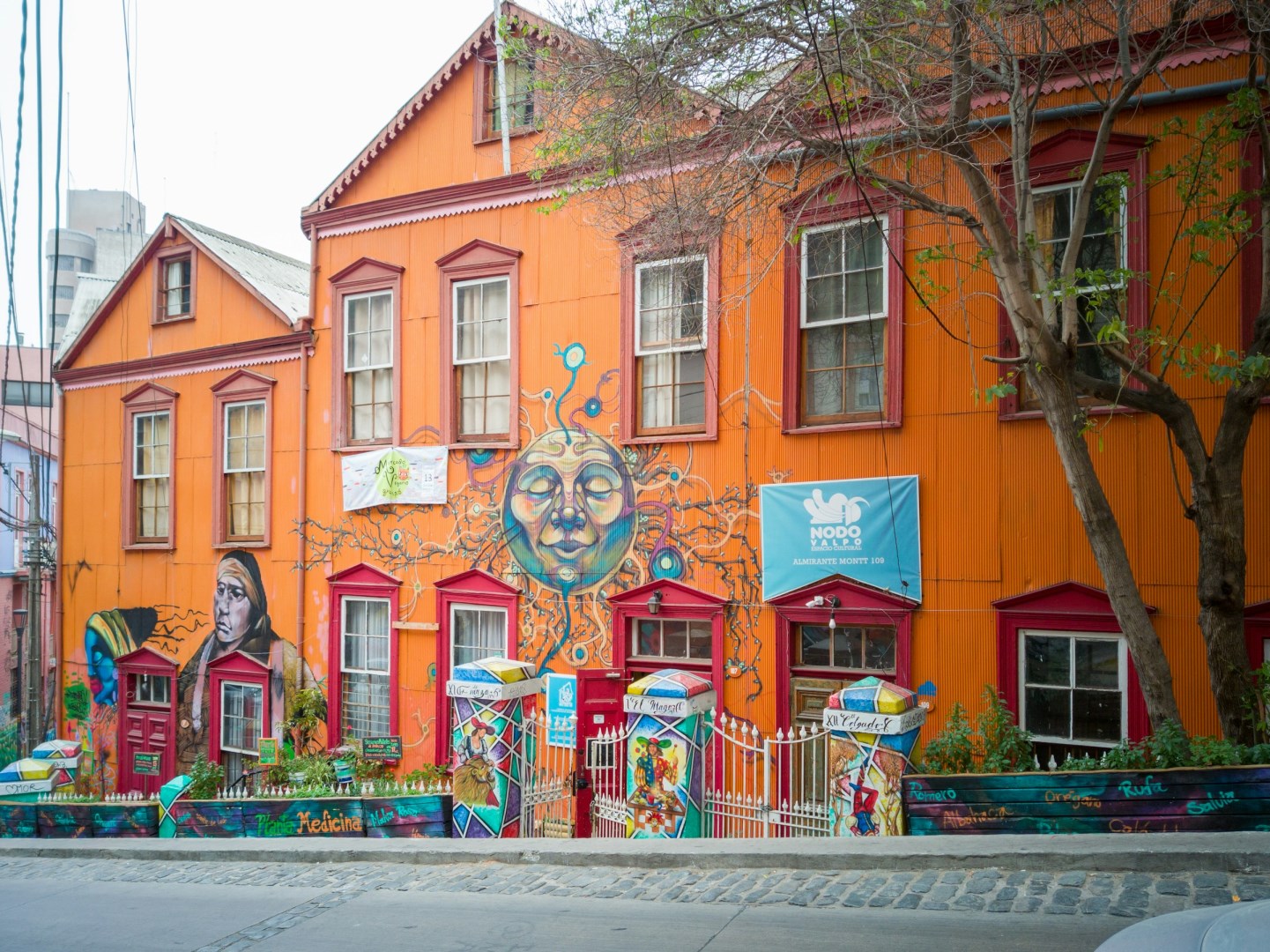
One of the most compelling reasons to visit Valparaíso is its thriving arts scene. The city is essentially an open-air museum, with vibrant murals and street art adorning nearly every surface. A walk through Cerro Alegre and Cerro Concepción neighborhoods will reveal an ever-changing gallery of bold colors and creative expressions, with each piece telling a story of the city's past and present (Chile Travel). The art extends into the city's lively culture, with numerous galleries, cafes, and cultural centers where you can immerse yourself in the local creative energy.
Valparaíso is also deeply connected to the life and work of Chile's Nobel Prize-winning poet, Pablo Neruda. His house, La Sebastiana, perched high on a hill overlooking the bay, is now a museum dedicated to his legacy. Visitors can explore Neruda's eclectic collections and enjoy the same breathtaking views that inspired many of his writings (Fundación Pablo Neruda). This connection to Neruda adds a literary charm to the city's already rich cultural tapestry.
Fun Fact: Valparaíso hosts one of the most famous New Year's Eve celebrations in South America. The city's annual fireworks display, "Año Nuevo en el Mar," lights up the sky over the bay, attracting visitors from all over the world who come to witness this spectacular event (Valparaíso Tourism).
Other Popular Destinations in Chile
Santiago
Flanked by the Chilean Coast Range and the snowy Andes, Chile's largest metropolis offers a dazzling array of sights and attractions for visitors to pursue. Mirrored skyscrapers, 16th-century churches, hip cafes, dance clubs... and did we mention the delicious Chilean cuisine?
San Pedro De Atacama
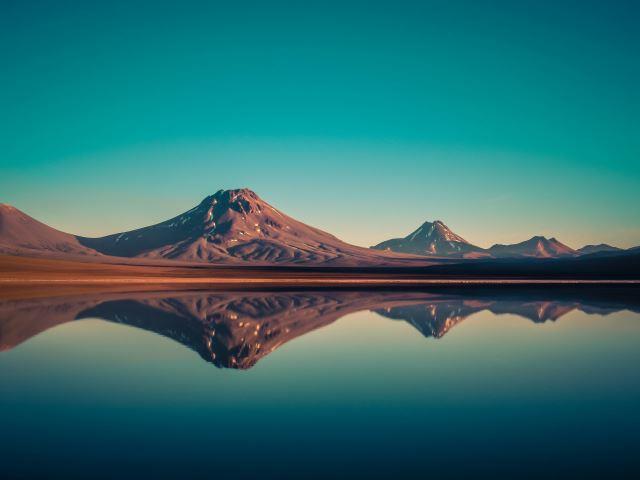
San Pedro de Atacama, a small town in northern Chile, sits at over 2,400 meters above sea level in one of the most geologically diverse areas on Earth. Surrounded by volcanoes, salt flats, geysers, and ancient lava flows, it has long served as a gateway to the Atacama Desert. This desert is the driest non-polar place in the world, where some weather stations have never recorded rainfall.