Scotia Sea
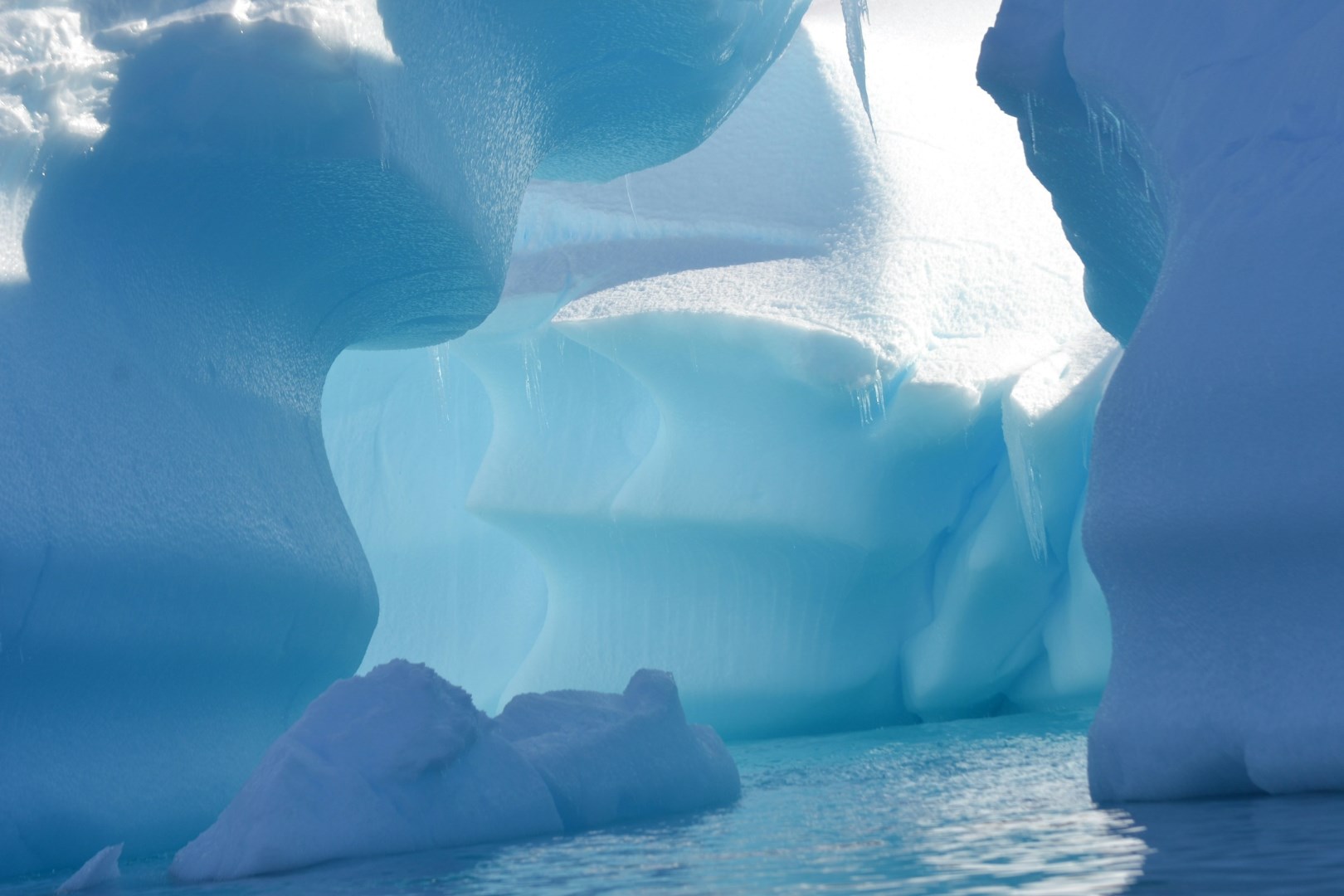
The Scotia Sea, nestled between the southern tip of South America and Antarctica, is a remote and captivating destination for those seeking adventure in the world’s southernmost waters.
Anglesey
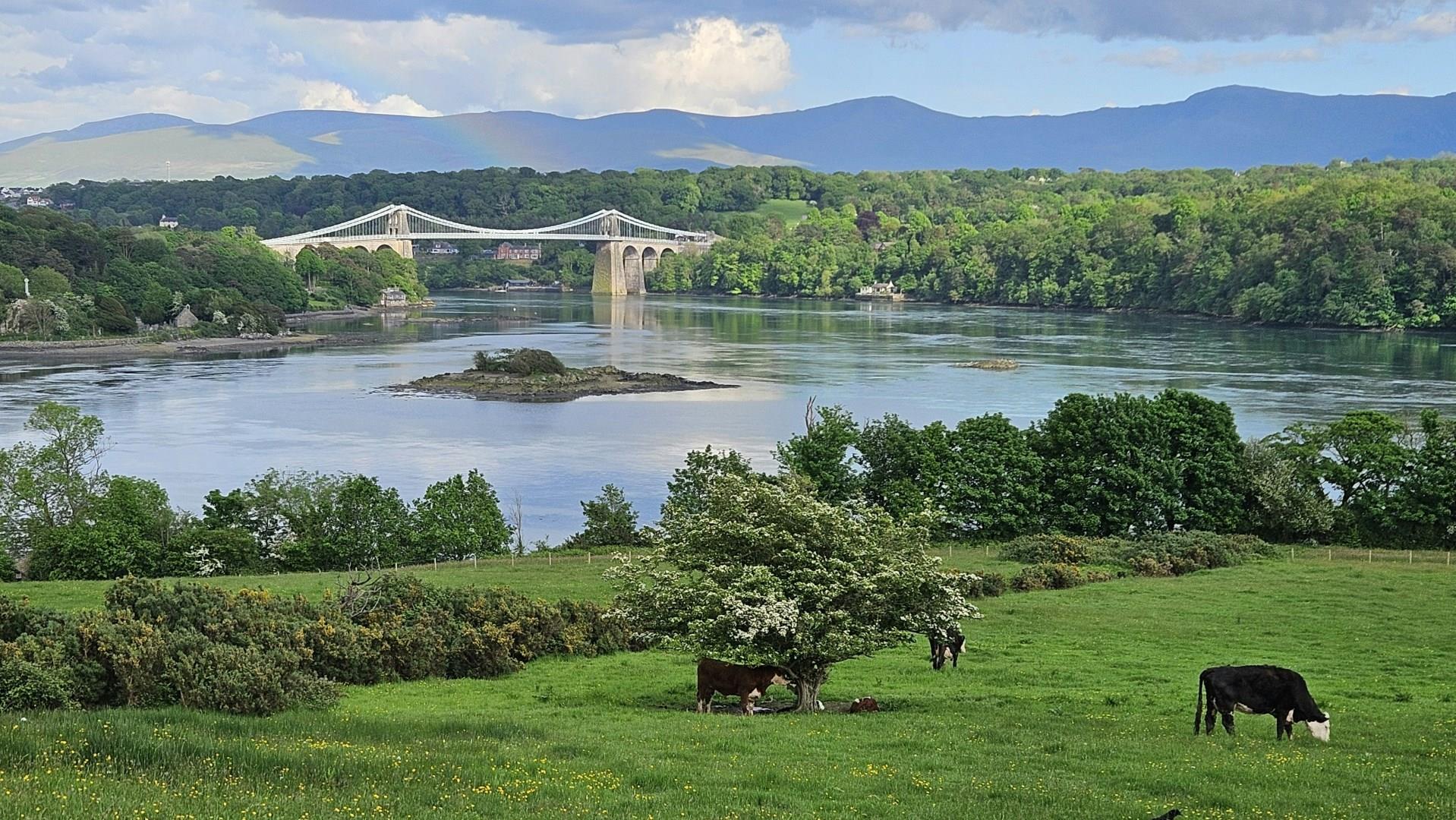
Anglesey is an island off the northwest coast of Wales with a history that stretches back thousands of years. Fertile lands and strategic coastal position made it an early center for agriculture, livestock, and maritime trade.
Sa Dec
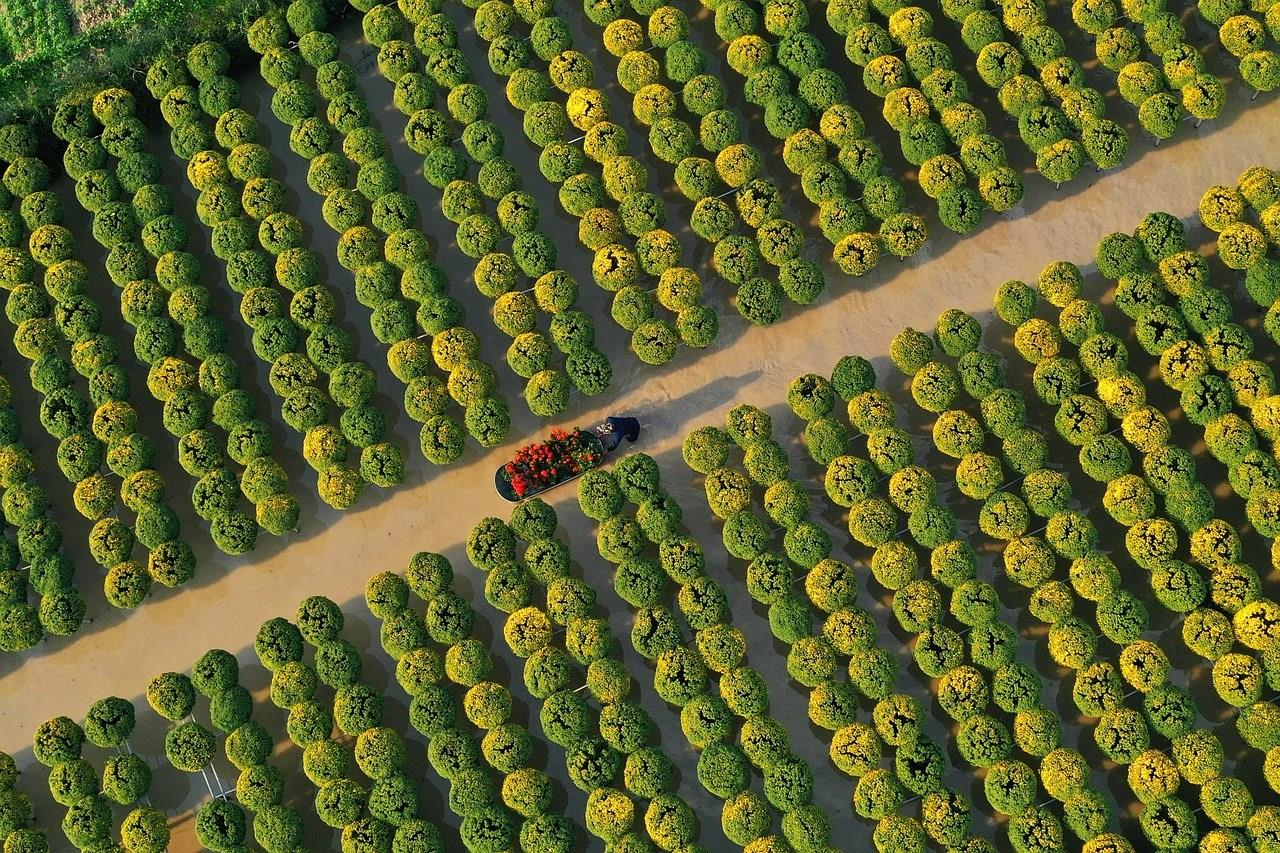
A lesser-known river port in the Mekong Delta, Sa Dec was once the capital of Dong Thap province of southern Vietnam. Today, it is best known for its flower gardens and authentic bustling market. The city is also famous as the setting for French writer Marguerite Duras' 1984 novel, The Lover, and its 1991 film adaptation of the same name.
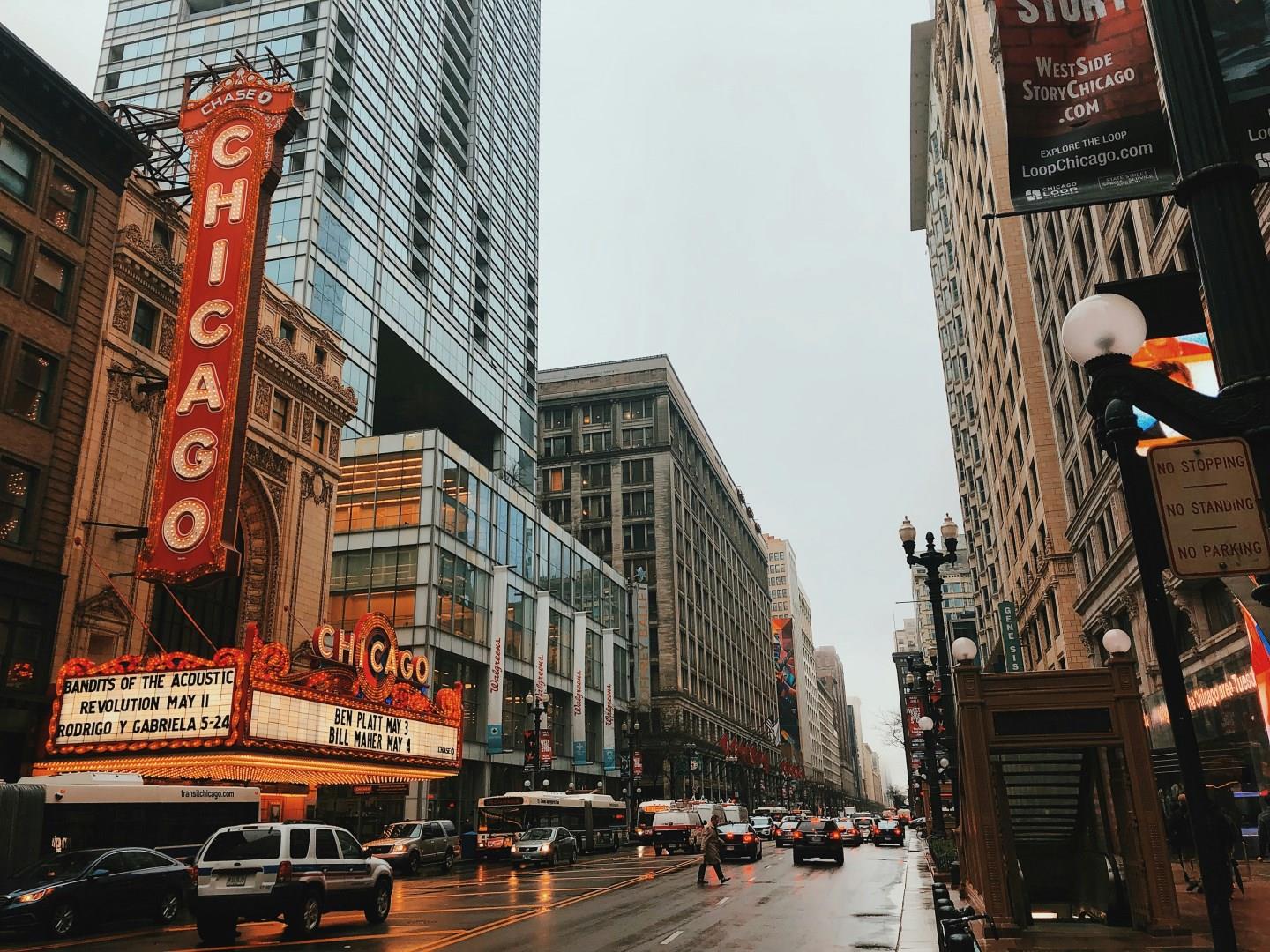
Chicago
Chicago, Illinois, is a vibrant metropolis that combines architectural marvels, rich cultural offerings, and dynamic neighborhoods. Known as the "Windy City," Chicago is home to some of the most iconic landmarks in the United States. The Millennium Park, with its striking Cloud Gate sculpture, popularly known as "The Bean," is a must-see for visitors.

London
London is among the world's most visited cities, with countless attractions and a history stretching back two millennia. Visitors will discover historic iconic structures like Westminster Abbey, Big Ben, and Tower Bridge, as well as recent marvels such as London Eye, a giant observation wheel that offers breathtaking views of the whole city.