Mirissa
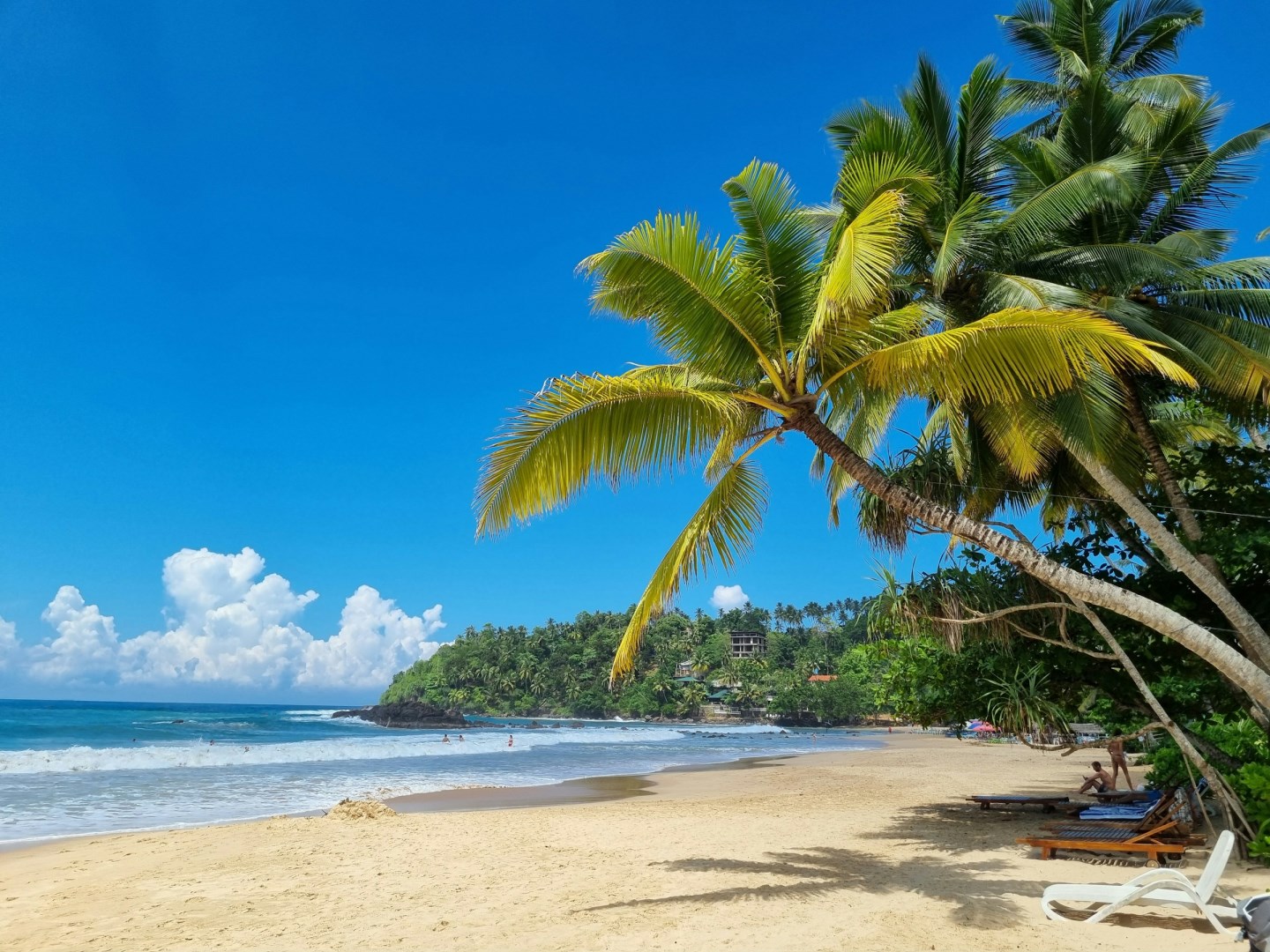
Mirissa, on the southern coast of Sri Lanka, is a seaside town that blends golden beaches, turquoise waters, and a laid-back atmosphere. Known for its crescent-shaped bay fringed with palm trees, it offers one of the island’s most inviting spots for swimming, surfing, and lounging by the sea.

St. Kitts
St. Kitts, part of the twin-island federation of Saint Kitts and Nevis, is known for its volcanic landscape, coastal plains, and long stretches of shoreline. The island’s layout is shaped by its central peaks, including Mount Liamuiga, which rises above surrounding farmland and villages. Basseterre, the capital, serves as the main hub for commerce and government, with a harbor that regularly receives cruise ships.
Bled
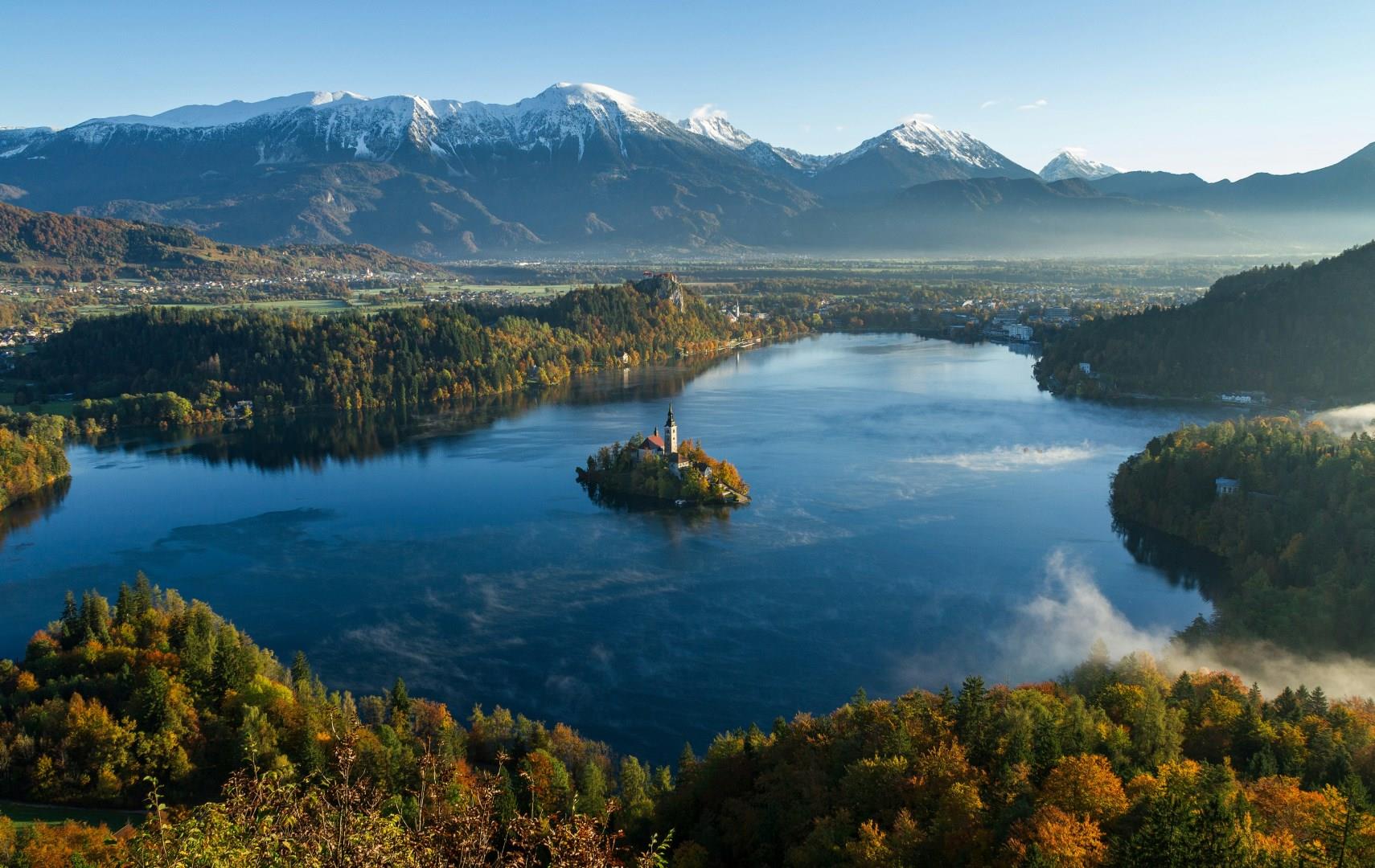
Bled, a small town in northwestern Slovenia, has gained international attention thanks to its lake, which features a lone island topped with a baroque church. Visitors often take traditional wooden boats called pletna to reach the island, where it's customary to ring the church bell and make a wish. According to local legend, the bell was originally cast in memory of a young widow’s lost husband, and today, its chime echoes across the lake as a symbol of devotion and hope.

Bournemouth
Bournemouth, located on England's southern coast, is a charming resort town known for its expansive beaches and picturesque seafront. The town's seven miles of sandy coastline, including the famous Bournemouth Beach, offer a delightful retreat for sunbathers, swimmers, and water sports enthusiasts. The beach is complemented by the Bournemouth Pier, where visitors can enjoy stunning views of the English Channel, take a leisurely stroll, or dine at one of the seaside cafes.
Tobermory
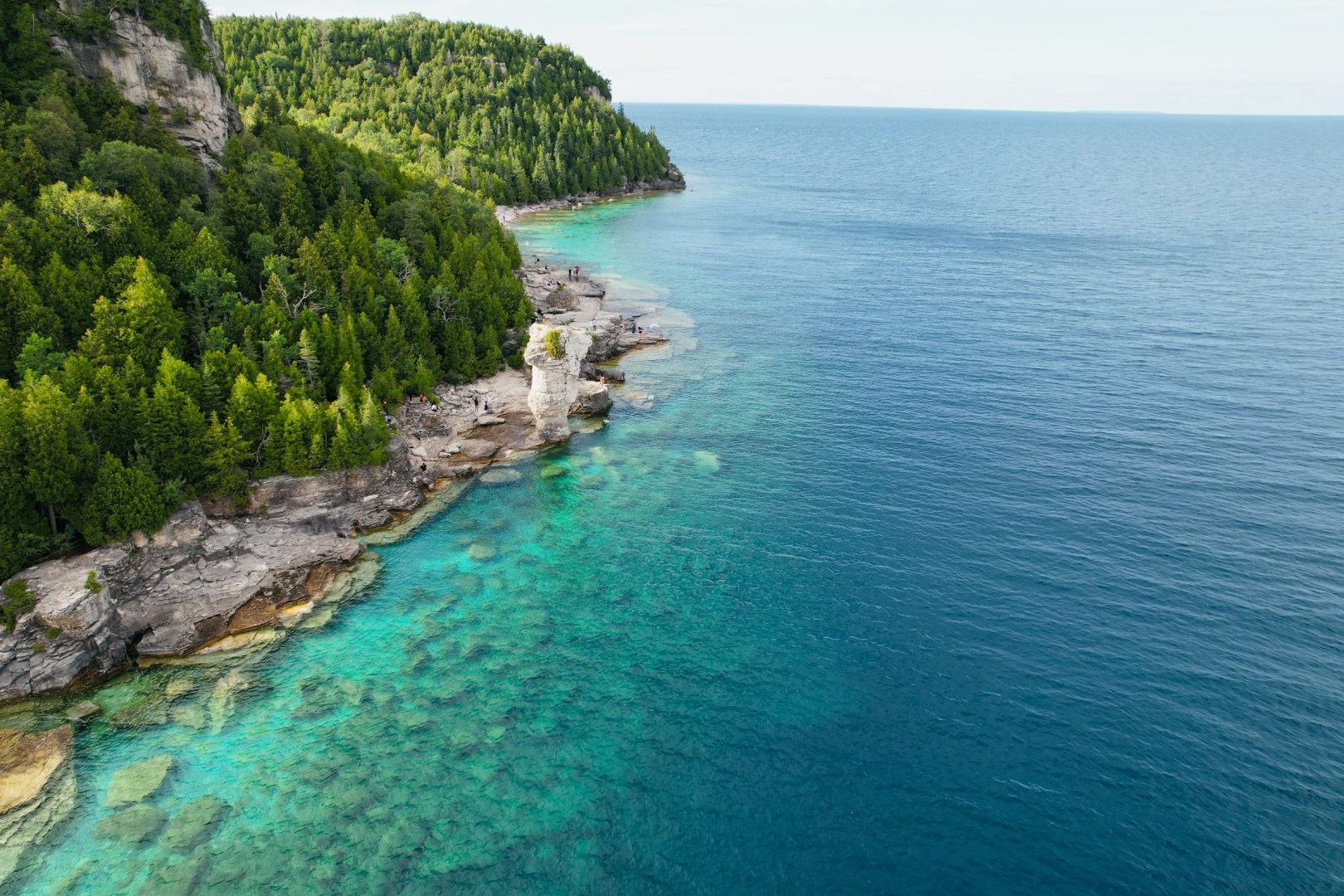
Tobermory is a small harbour community at the northern tip of the Bruce Peninsula in Ontario, where Georgian Bay meets Lake Huron. Its location is surrounded by clear freshwater, rugged limestone shoreline, forests, and numerous offshore islands. Tobermory is closely associated with Fathom Five National Marine Park and Bruce Peninsula National Park, which protect distinctive terrestrial and underwater environments around the peninsula.