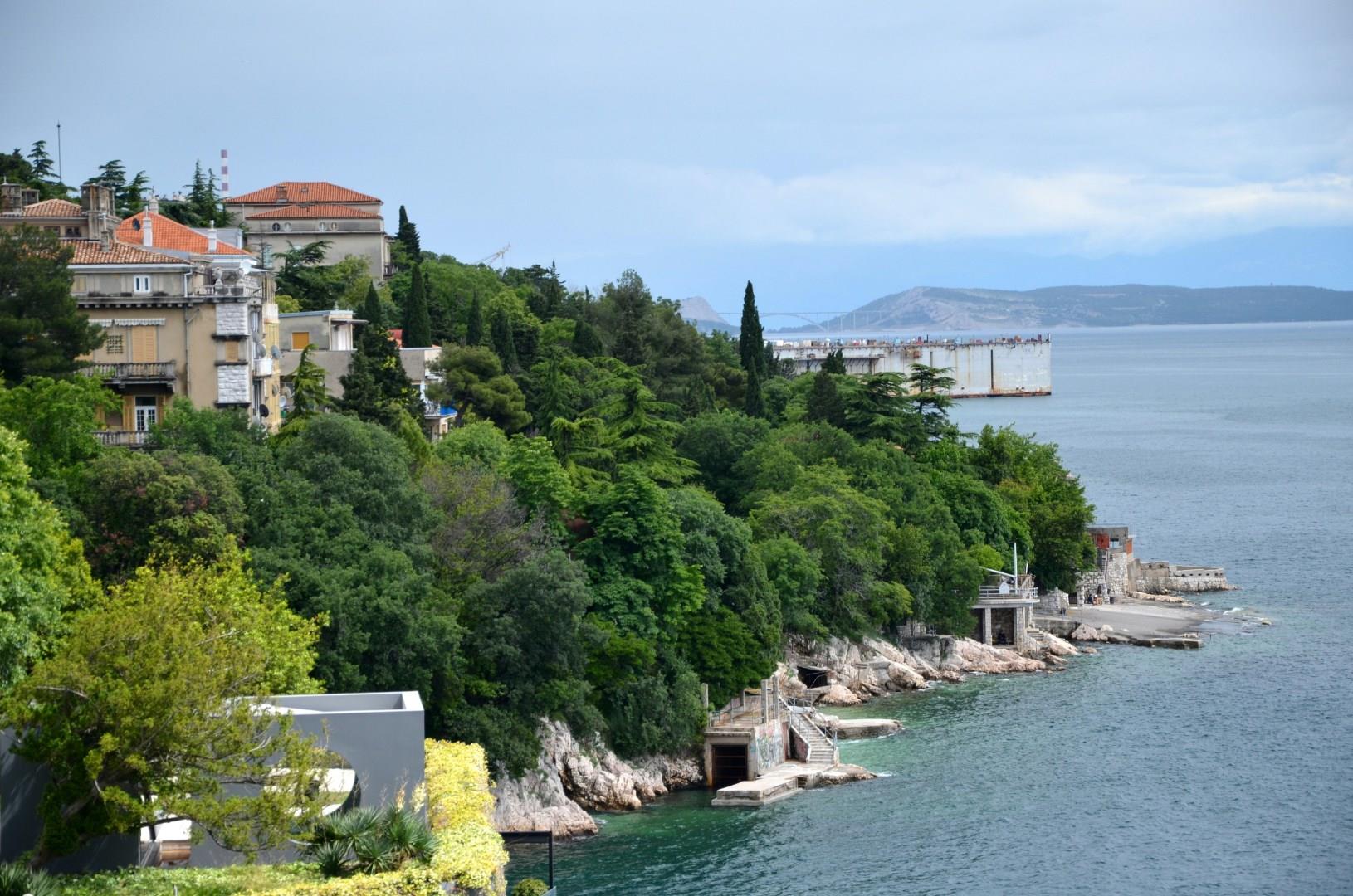
Rijeka
Rijeka sits at the head of Kvarner Bay on Croatia’s northern Adriatic, shaped by its long role as a port city at the crossroads of empires.
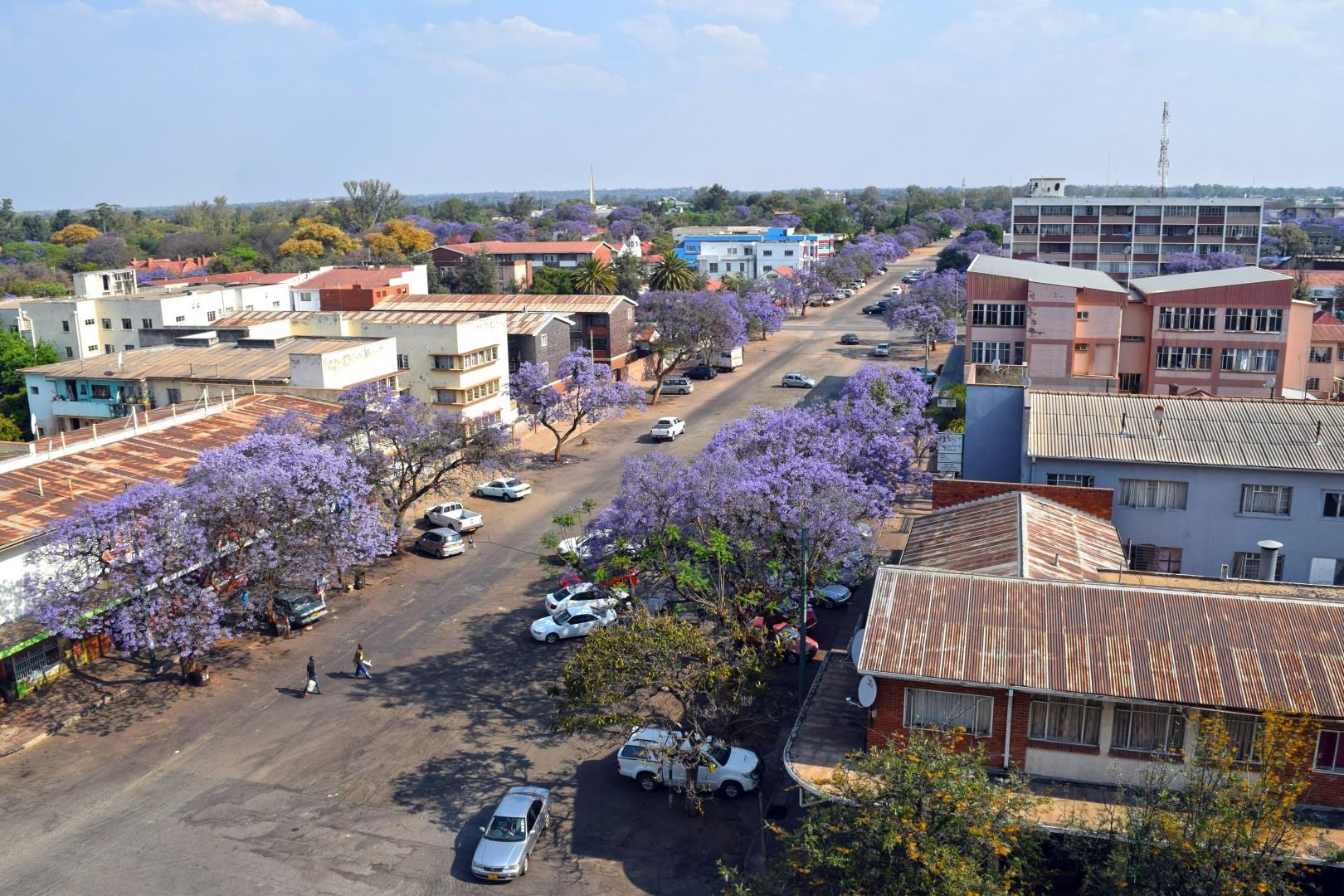
Bulawayo
Bulawayo is Zimbabwe’s second-largest city and a place where industrial heritage and deep cultural roots intersect. Founded near the former capital of the Ndebele kingdom, the city carries strong historical significance tied to King Lobengula and the resistance to colonial expansion.
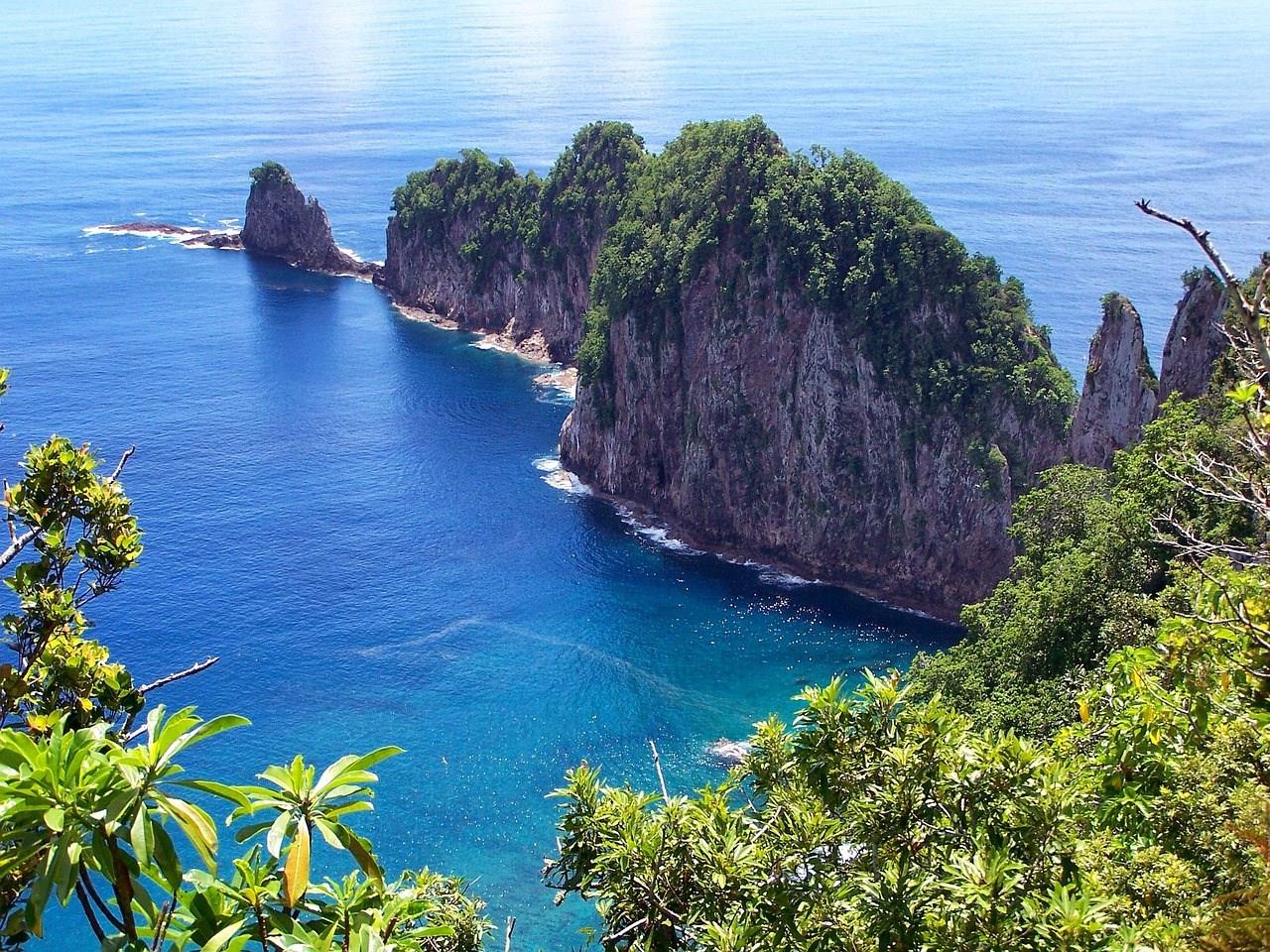
National Park of American Samoa
The National Park of American Samoa invites visitors to step into a world shaped by towering volcanic ridges, tangled rainforests, and clear coral-sand bays. Spread across Tutuila, Ta‘ū, and Ofu islands, the park protects nearly 13,500 acres of land and 4,000 acres of ocean, an unusual patchwork where ancient ecosystems like paleotropical rainforests meet hip-deep coral reefs. Only U.S. national park in the Southern Hemisphere, it’s a place where you can hike through cloud-shrouded forests and t
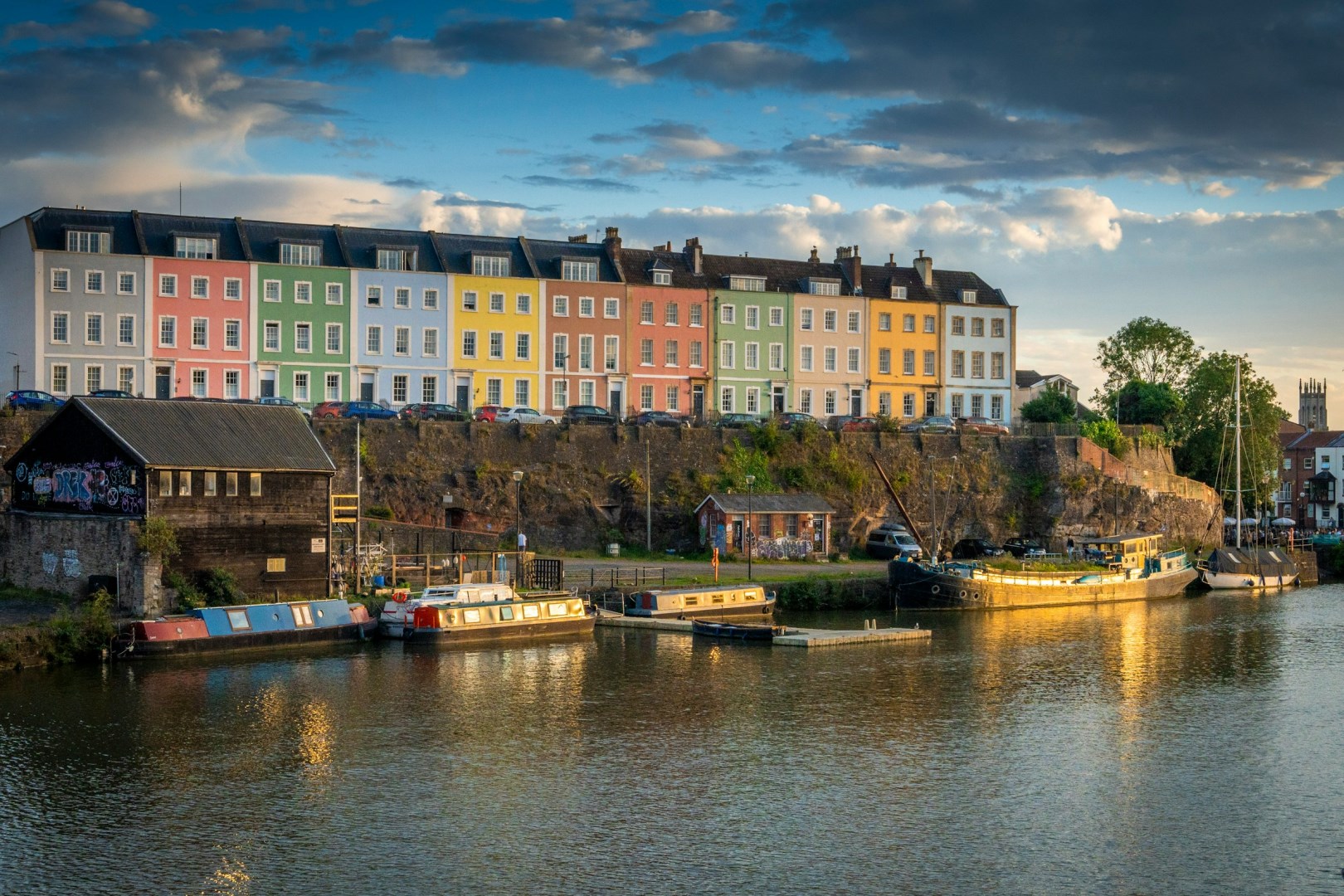
Bristol
Bristol is a city in southwest England built around the River Avon, with a maritime history that has shaped its neighborhoods, architecture, and economy. The historic harbor occupies the center of the city, where former warehouses, quays, and docks have been adapted for museums, galleries, restaurants, and public spaces. Clifton Suspension Bridge spans the Avon Gorge and is one of Bristol’s most recognizable landmarks.
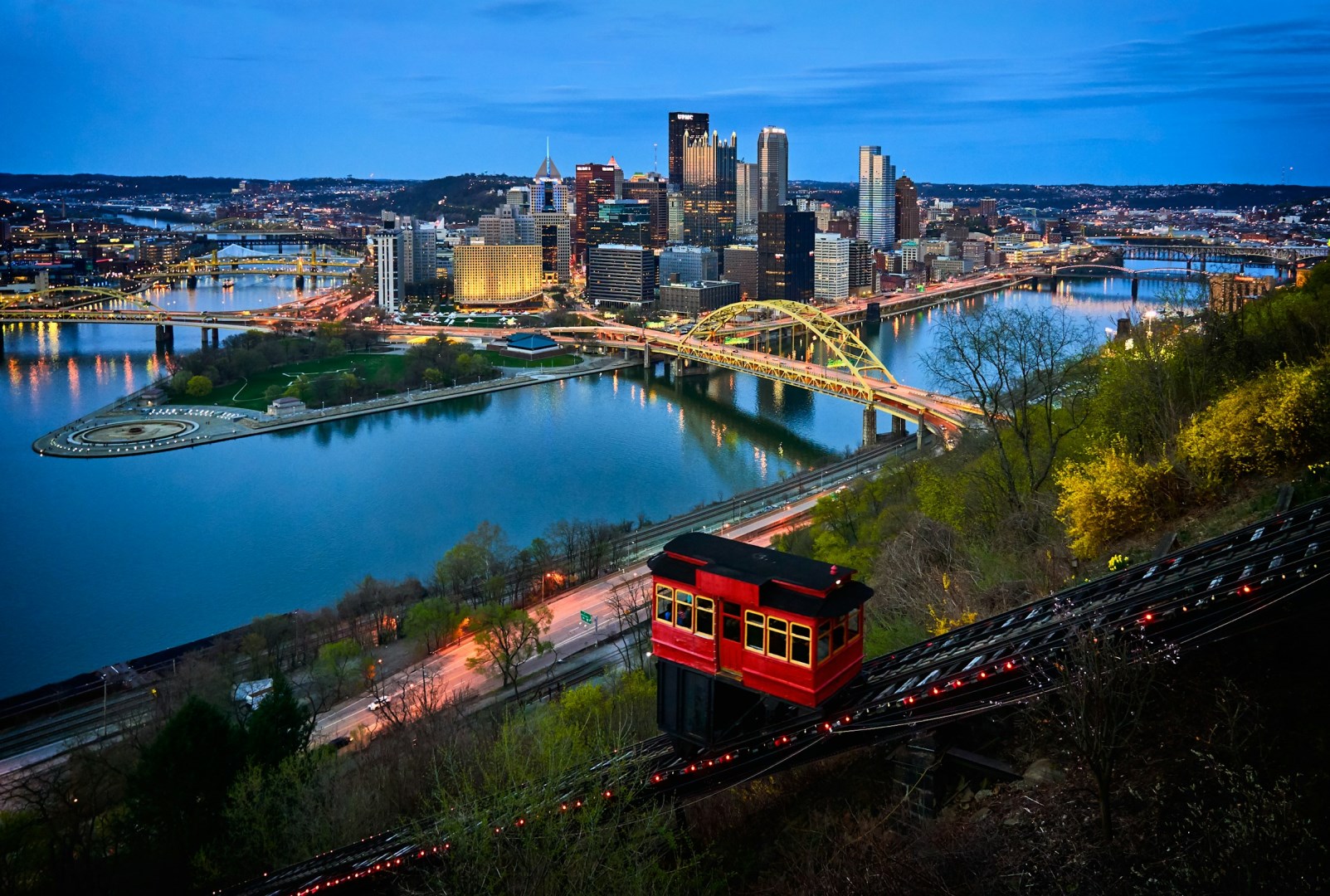
Pittsburgh
Located in Pennsylvania, Pittsburgh is one of the oldest cities in the nation.