Salt Spring Island
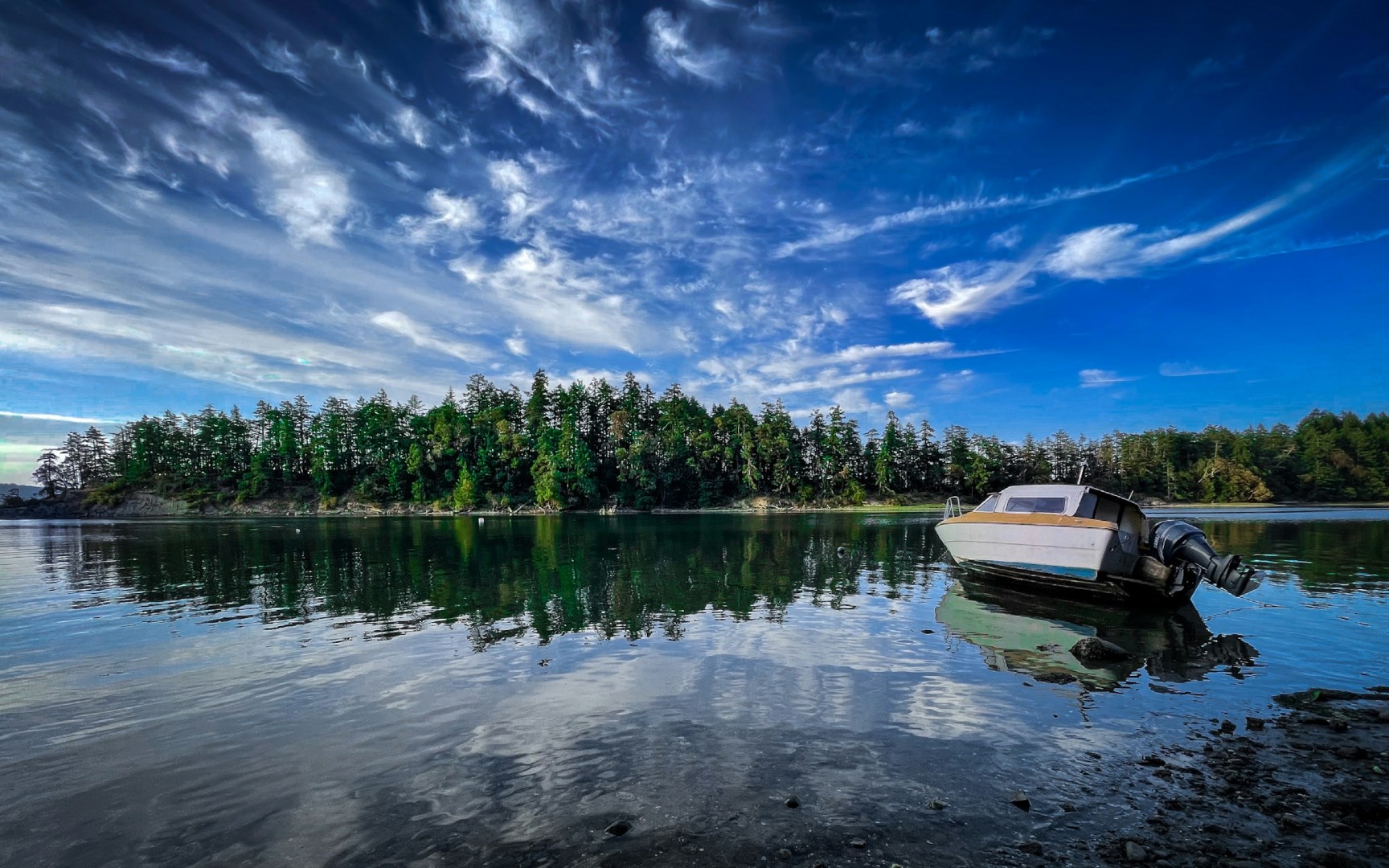
Salt Spring Island is the largest of British Columbia’s Southern Gulf Islands, situated between Vancouver Island and the mainland in the Salish Sea. The island is known for its forested hills, sheltered bays, small farms, and network of rural roads. Ganges serves as the main community and a centre for shops, galleries, cafés, and waterfront activity, while Fulford Harbour and Vesuvius provide additional ferry connections.
Bijaipur
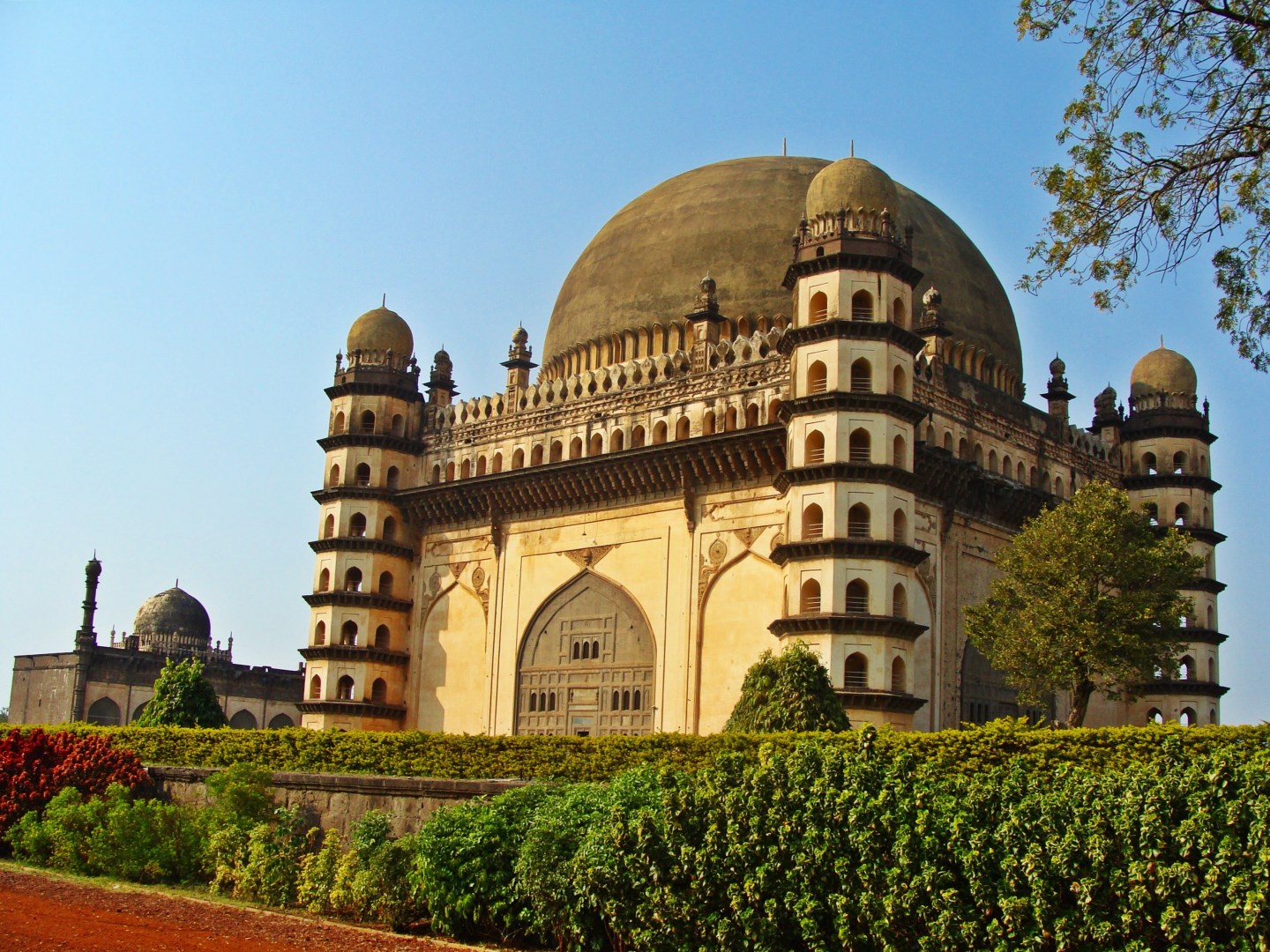
Bijaipur is a small rural destination in Rajasthan, India, set within the Aravalli hills and surrounded by farmland and quiet village landscapes. It is best known for its historic fort, Castle Bijaipur, which has been adapted into a heritage stay.
Calvinia
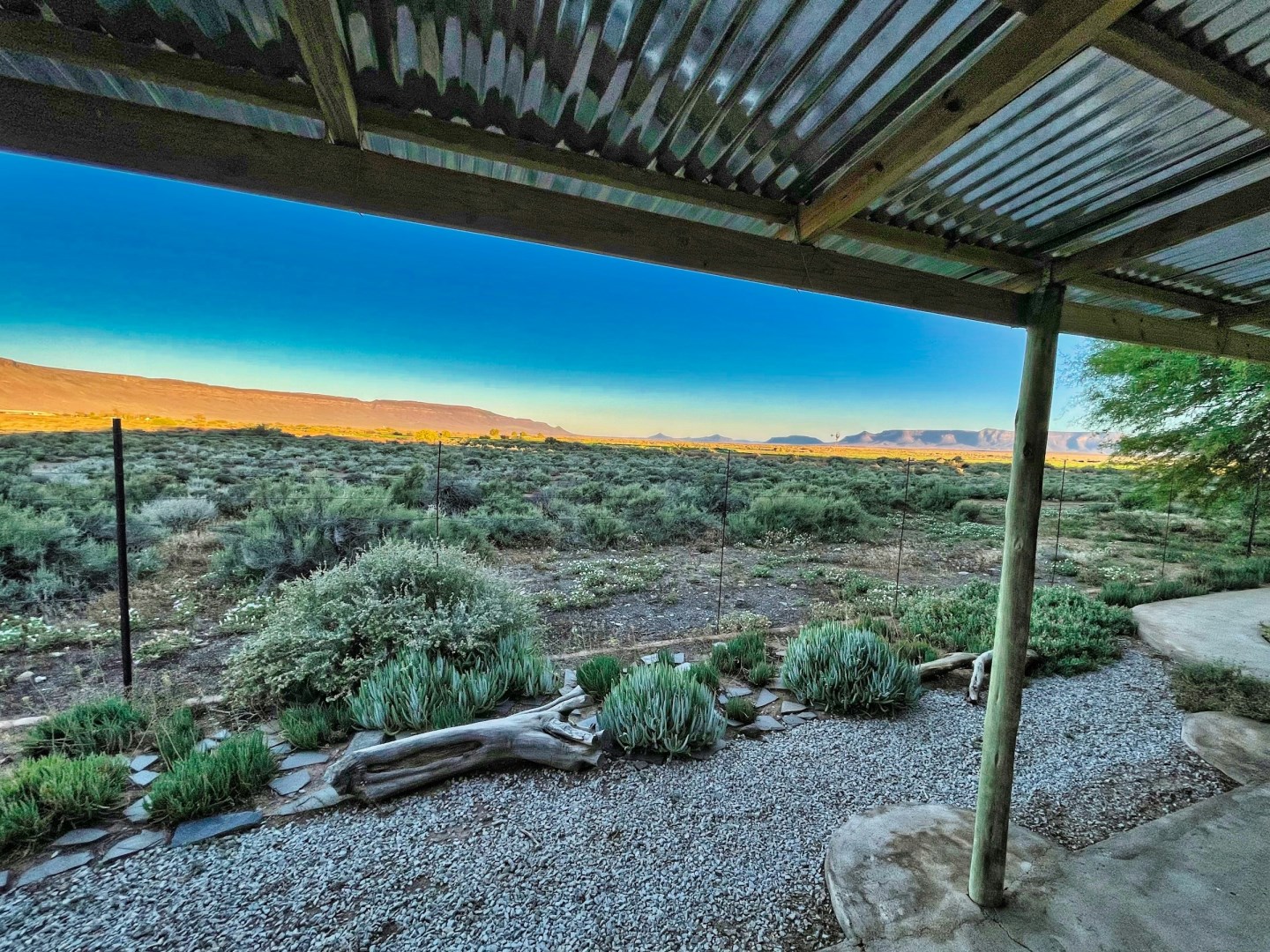
Calvinia is a small town in the Northern Cape’s Hantam Karoo, surrounded by a dry landscape of wide plains, rocky hills, and hardy shrubs. It serves as a regional centre for farming communities and is particularly associated with sheep farming and the production of Karoo wool. The town lies beneath the Hantam Mountain, a prominent local landmark that rises above the surrounding plains.
Badami
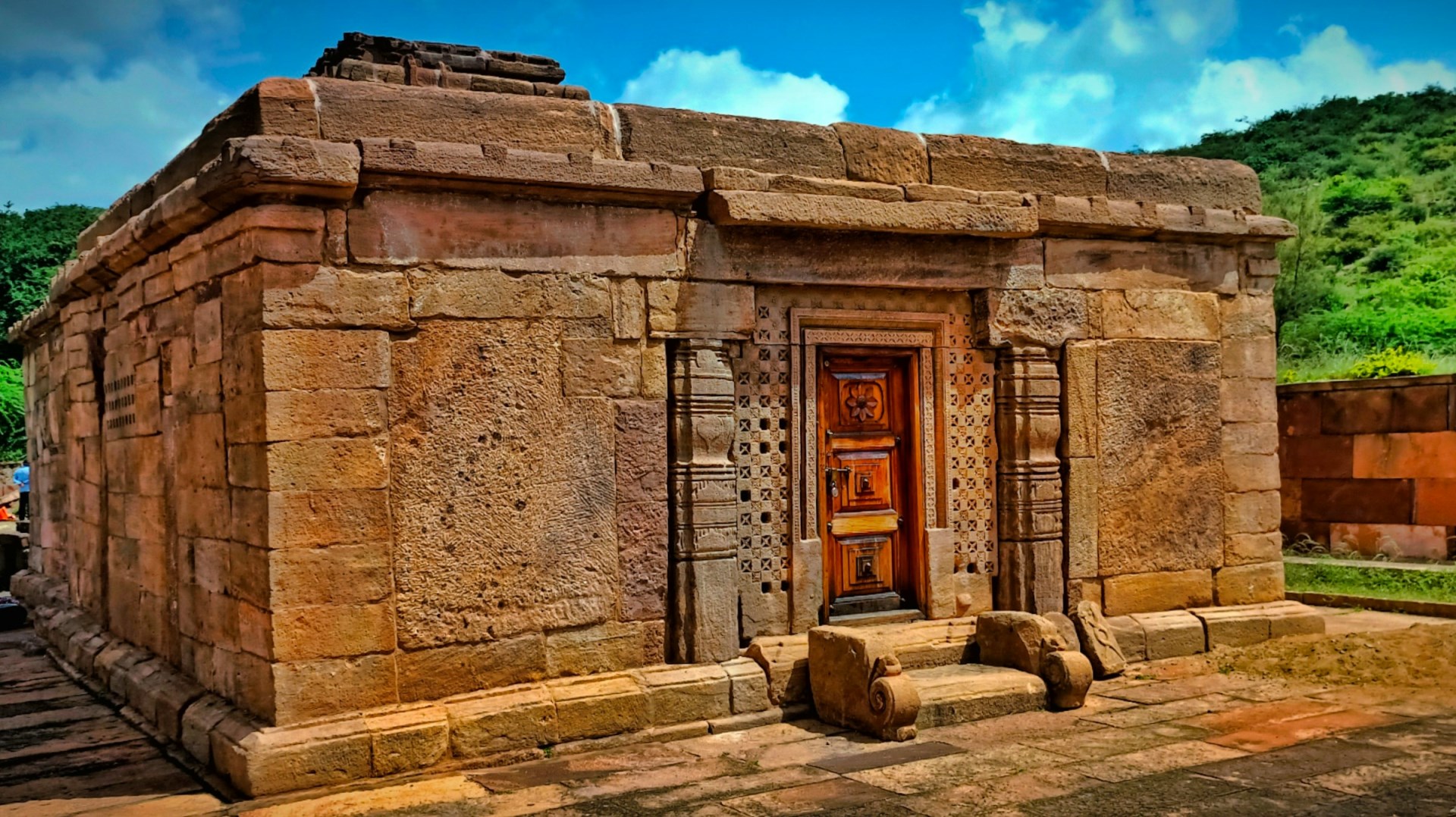
Badami is a historic town in Karnataka’s Bagalkot district, set among red sandstone cliffs and rocky hills in the northern Deccan. Once an important Chalukyan capital, the town is now best known for its rock-cut temples, carved directly into the sandstone surrounding Agastya Lake. The compact setting brings together ancient monuments, a reservoir, rocky outcrops, and narrow valleys, creating a landscape closely tied to the region’s architectural heritage. Badami also forms part of the important

Suez
Suez, Egypt, is a city of historical significance and strategic importance, making it an intriguing destination for travelers. Located at the southern end of the Suez Canal, this city has been a key player in global trade and naval history for over a century. Suez is not only a gateway to the world-renowned canal but also a place rich in history and culture.