Managua
While an earthquake in 1972 left few buildings intact in downtown Managua, new areas are building up. Managua has excellent restaurants, nice hotels, and is a good base for day tours into the countryside.

Adelaide
Situated on the coast of South Australia, Adelaide shines as one of Australia’s cultural centers and boasts extraordinary natural beauty throughout.
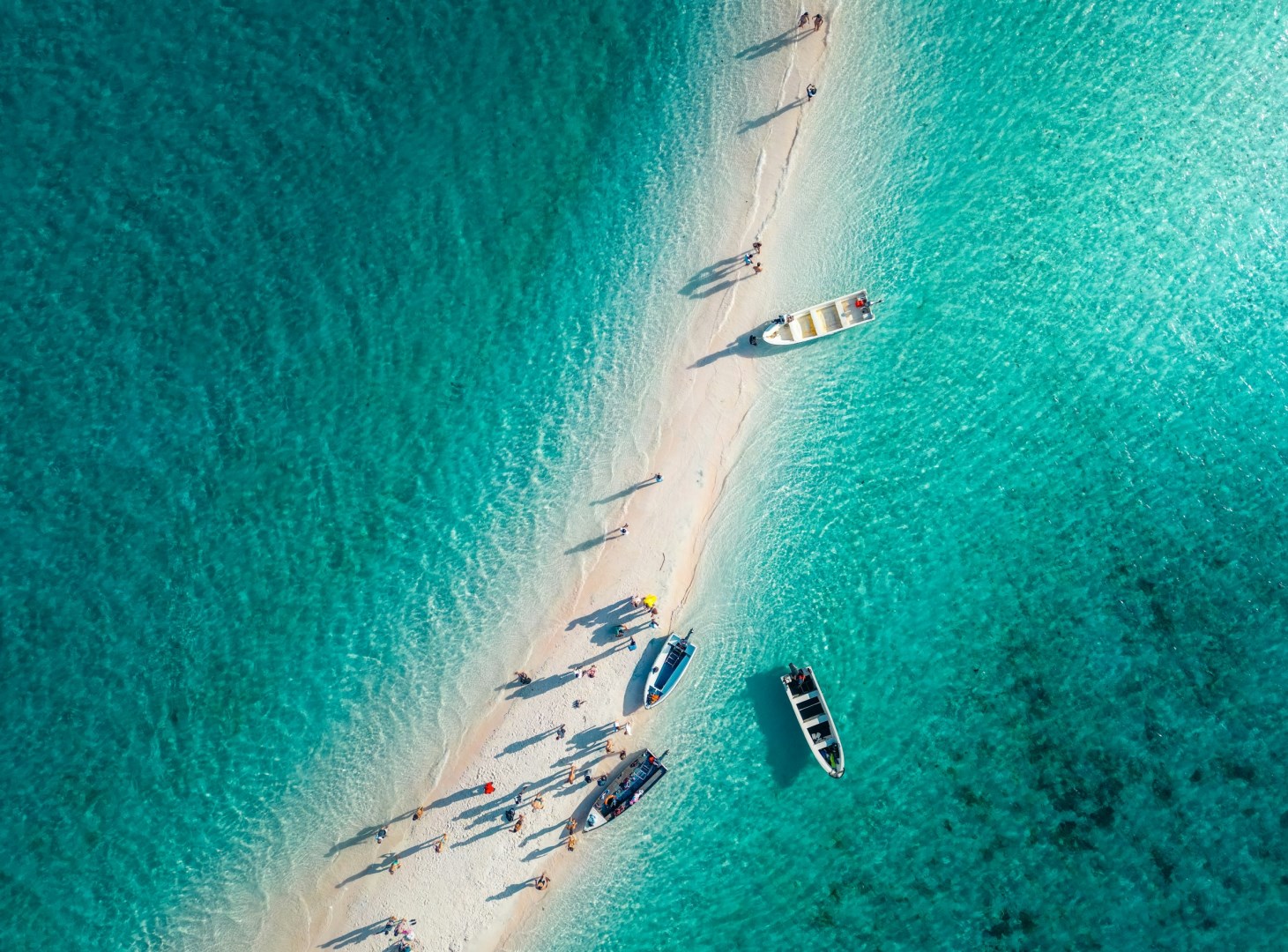
Komodo Island
Komodo Island is famous for its Komodo dragons, the largest lizards in the world. These remarkable creatures, which can grow up to 10 feet long, roam freely on the island, offering visitors a rare chance to watch them in their natural environment.
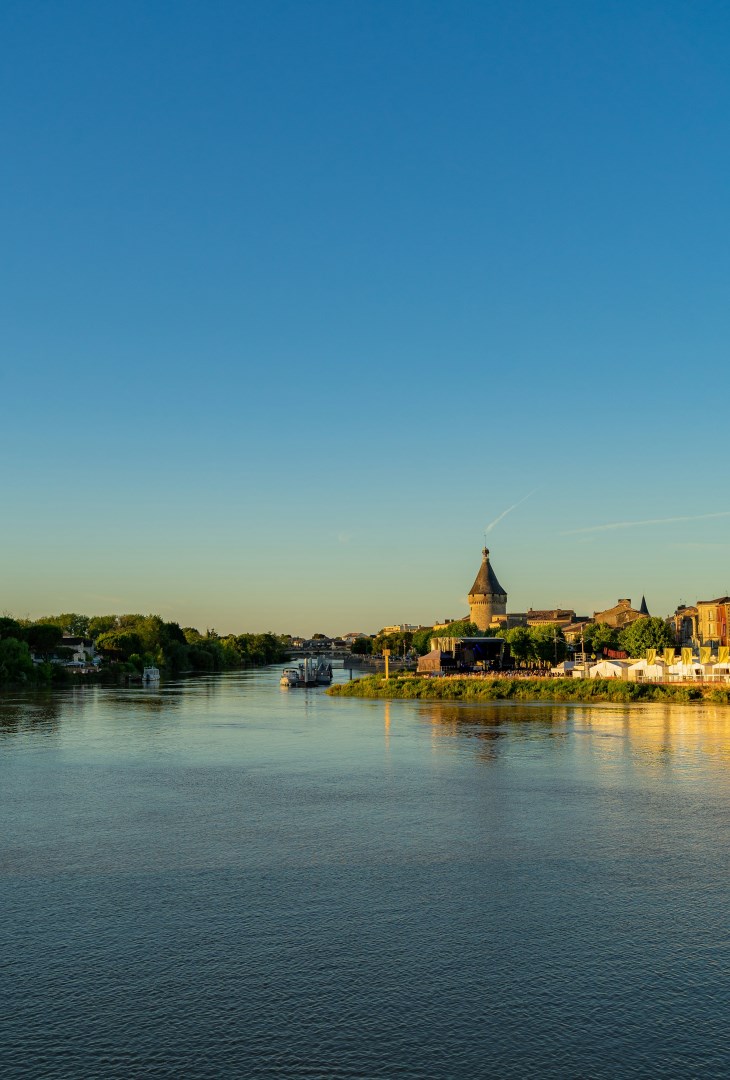
Libourne
Libourne, located in northern Gironde, is a picturesque town known for its rich history and vibrant wine culture. Founded in 1270 as a bastide by Roger de Leybourne, Libourne has long been a key port for the wine trade, particularly for the renowned vineyards of Saint-Émilion and Pomerol. Visitors can explore the charming town center, which features the beautiful Place Abel-Surchamp, surrounded by traditional arcades and lively farmers markets. The town hall, with its grand interior and historic

Yangshuo
Yangshuo lies along the Li River in southern China’s Guangxi region, long known for landscapes that have shaped Chinese art and poetry for centuries.