Maxixe
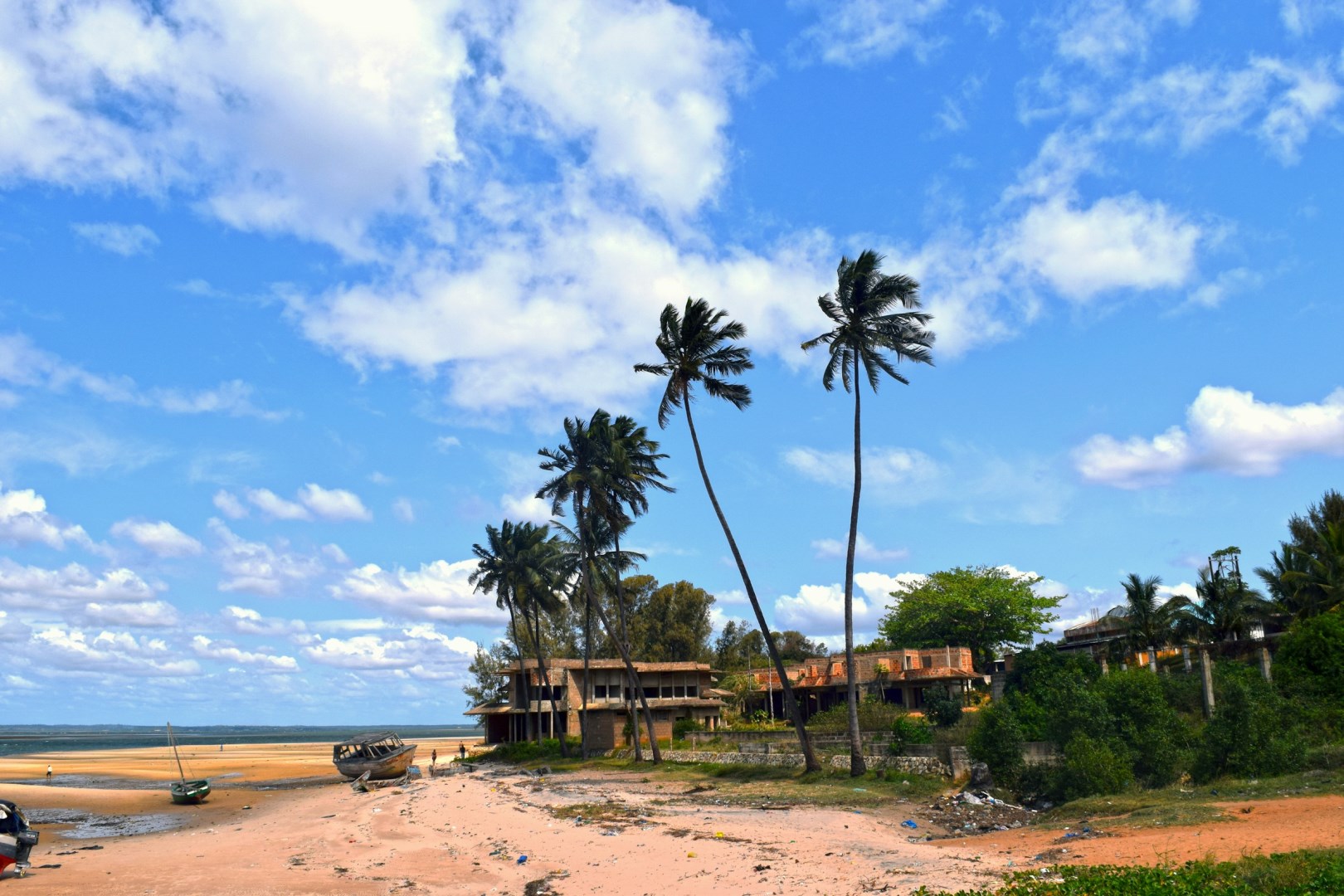
Maxixe is a coastal city in southern Mozambique’s Inhambane Province, situated on the western shore of Inhambane Bay.
Taipei
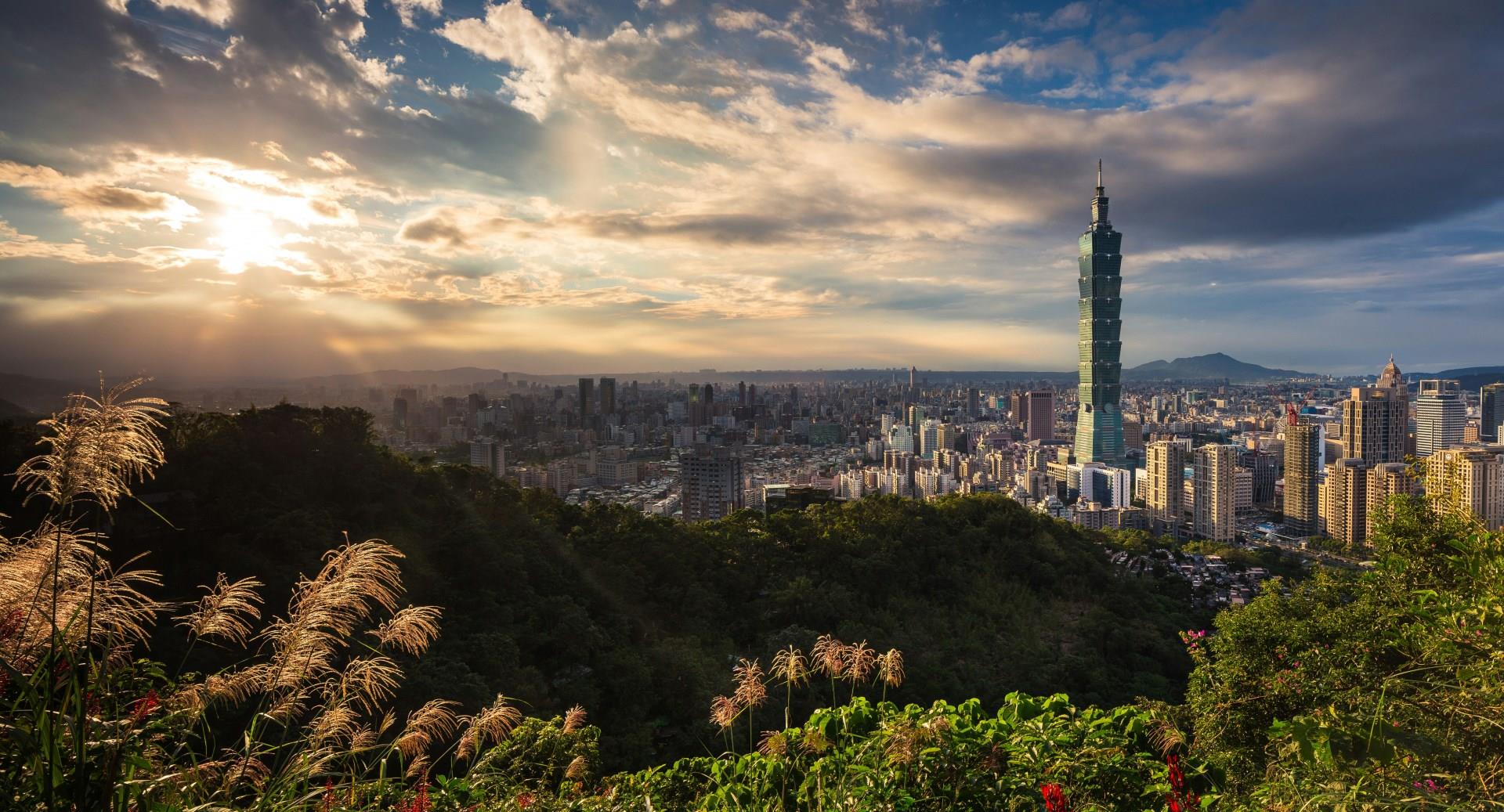
Taipei, the vibrant capital of Taiwan, is a city where tradition and modernity coexist. Visitors can explore historic temples such as Longshan Temple, discover cultural treasures at the National Palace Museum, and admire the cityscape from Taipei 101, one of the world’s tallest skyscrapers.
Varna
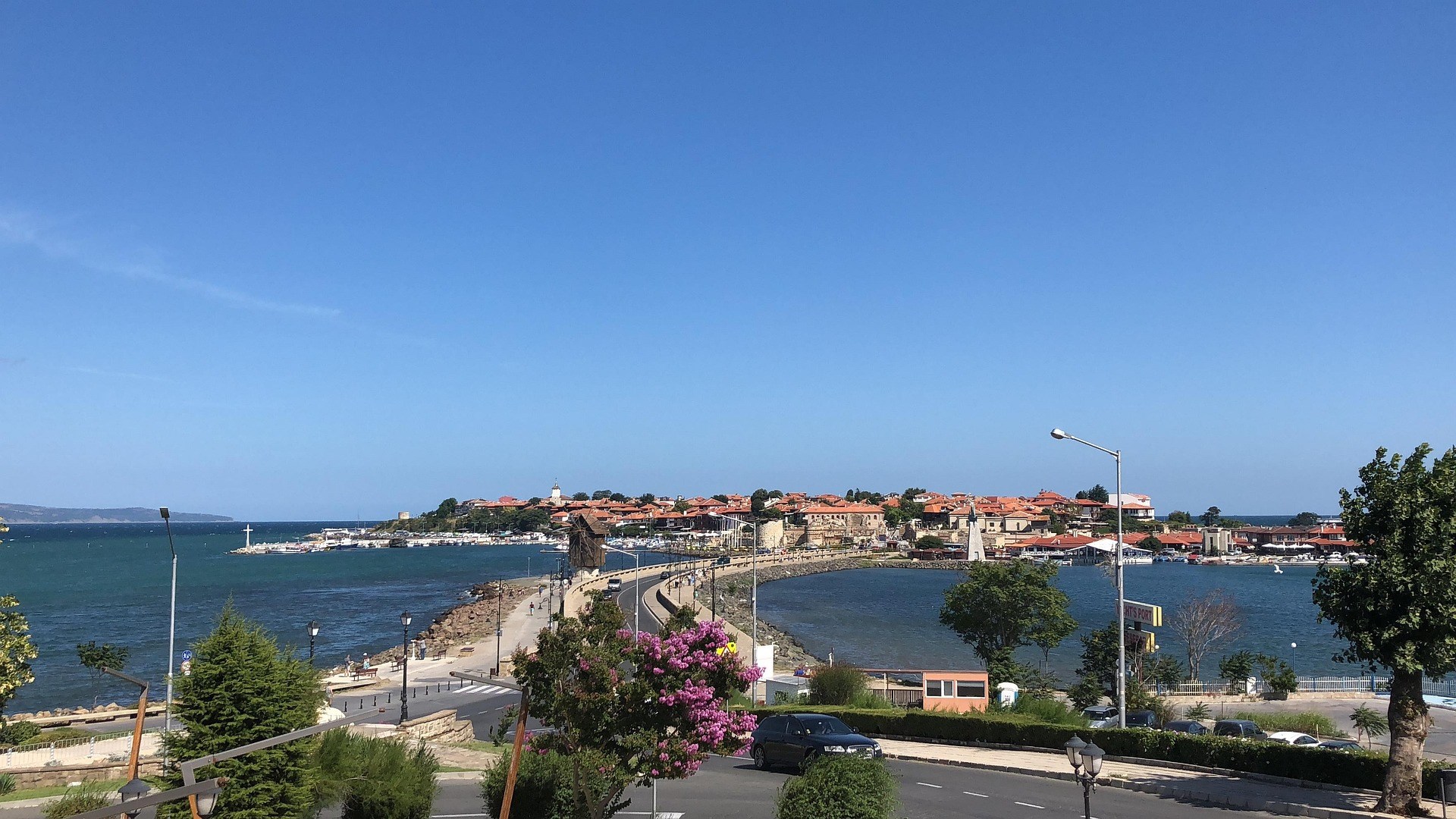
Varna is a beautiful city along the Black Sea and a favorite port of luxury cruise ships.
Aarhus
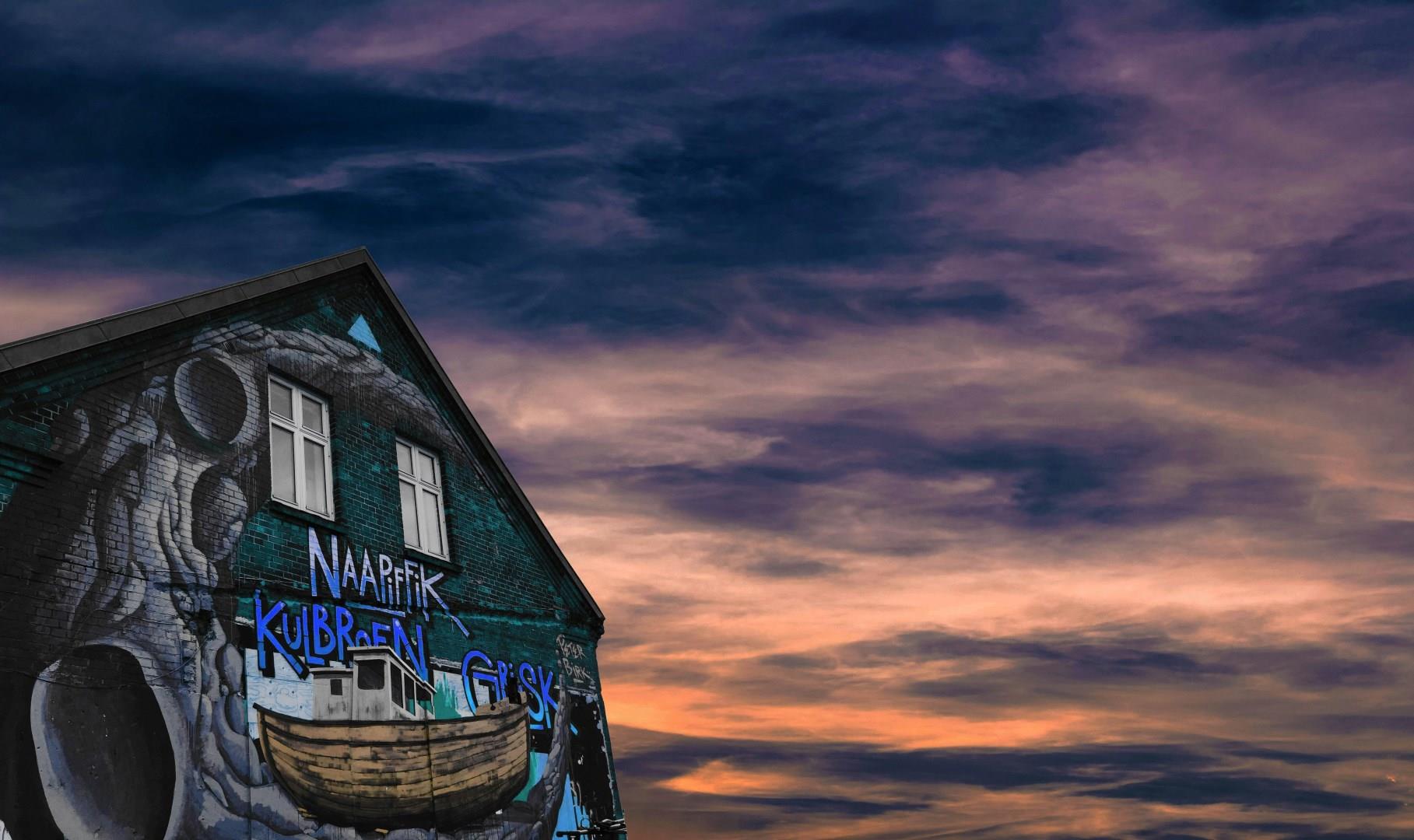
Aarhus, Denmark's second-largest city, offers a captivating blend of historical charm and modern vibrancy. Founded in the 8th century, Aarhus boasts a rich history that visitors can explore at the Old Town Museum, an open-air museum that recreates Danish life through the ages with its historical buildings and interactive exhibits. The city's medieval roots are also visible in the well-preserved Aarhus Cathedral.

Galway
Galway, on Ireland's picturesque west coast, offers a vibrant blend of culture, history, and natural beauty that enchants visitors from around the world. This historic city, often referred to as the "City of the Tribes," was shaped by the seven tribes that dominated it during the medieval period. The city's lively atmosphere is a fusion of traditional Irish charm and modern creativity, evident in its colorful streets and dynamic cultural scene.