Canyon de Chelly National Monument
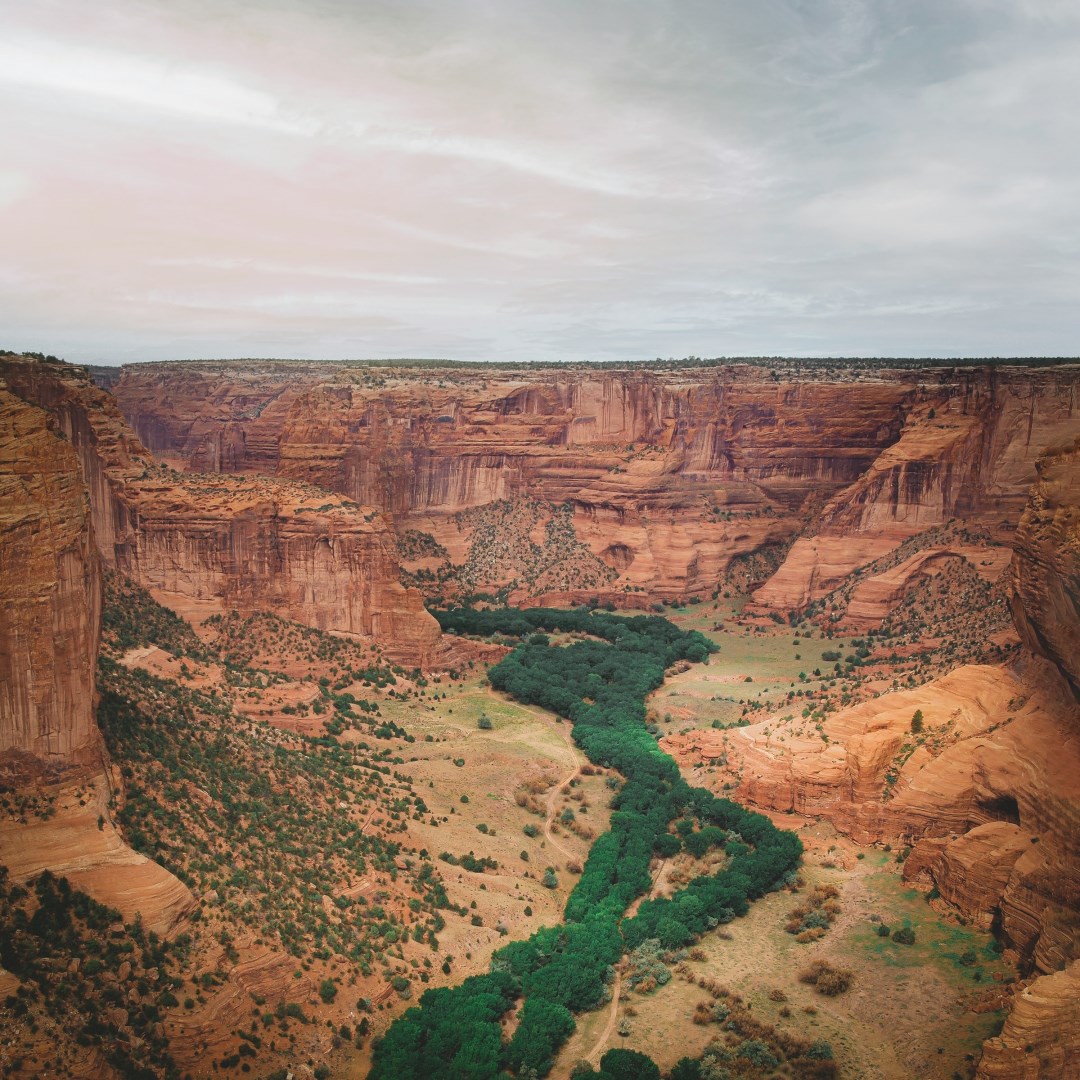
Canyon de Chelly National Monument lies in northeastern Arizona on Navajo Nation land, surrounding a network of deep sandstone canyons near Chinle. The monument is distinctive because it is both a protected landscape and a living community, with Diné families continuing to farm, raise livestock, and maintain homes within the canyon.

Mahé Island
Mahé Island is the largest and most culturally central island in the Seychelles, home to the capital city of Victoria and the majority of the country’s population.
Dordogne River
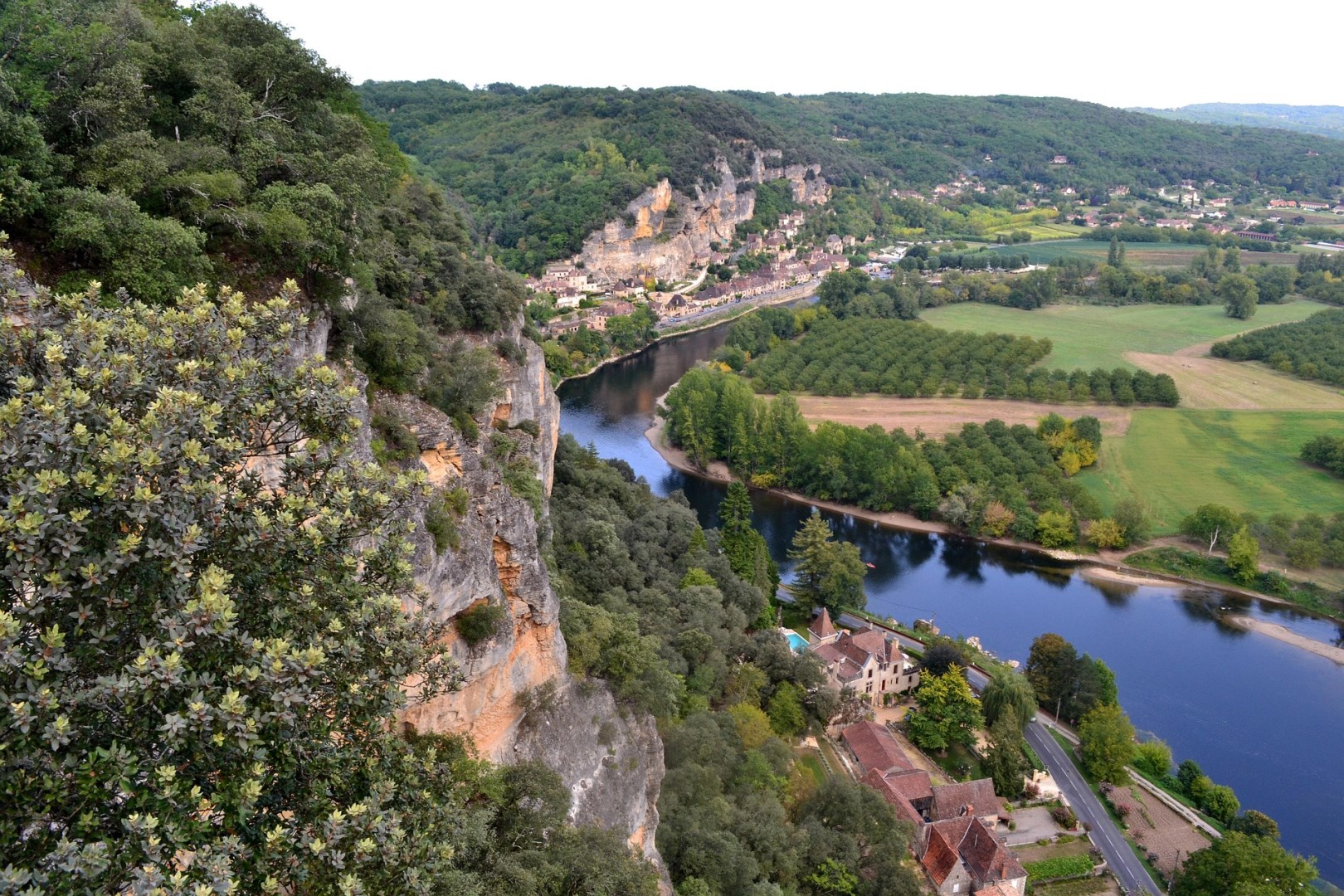
The Dordogne River flows from the mountains of Auvergne to Bordeaux through the magnificent French countryside. The valley area named for the river is full of bucolic scenery, dotted with welcoming rural villages, quaint riverside castles, and plenty of opportunities for gourmet meals in true French tradition.
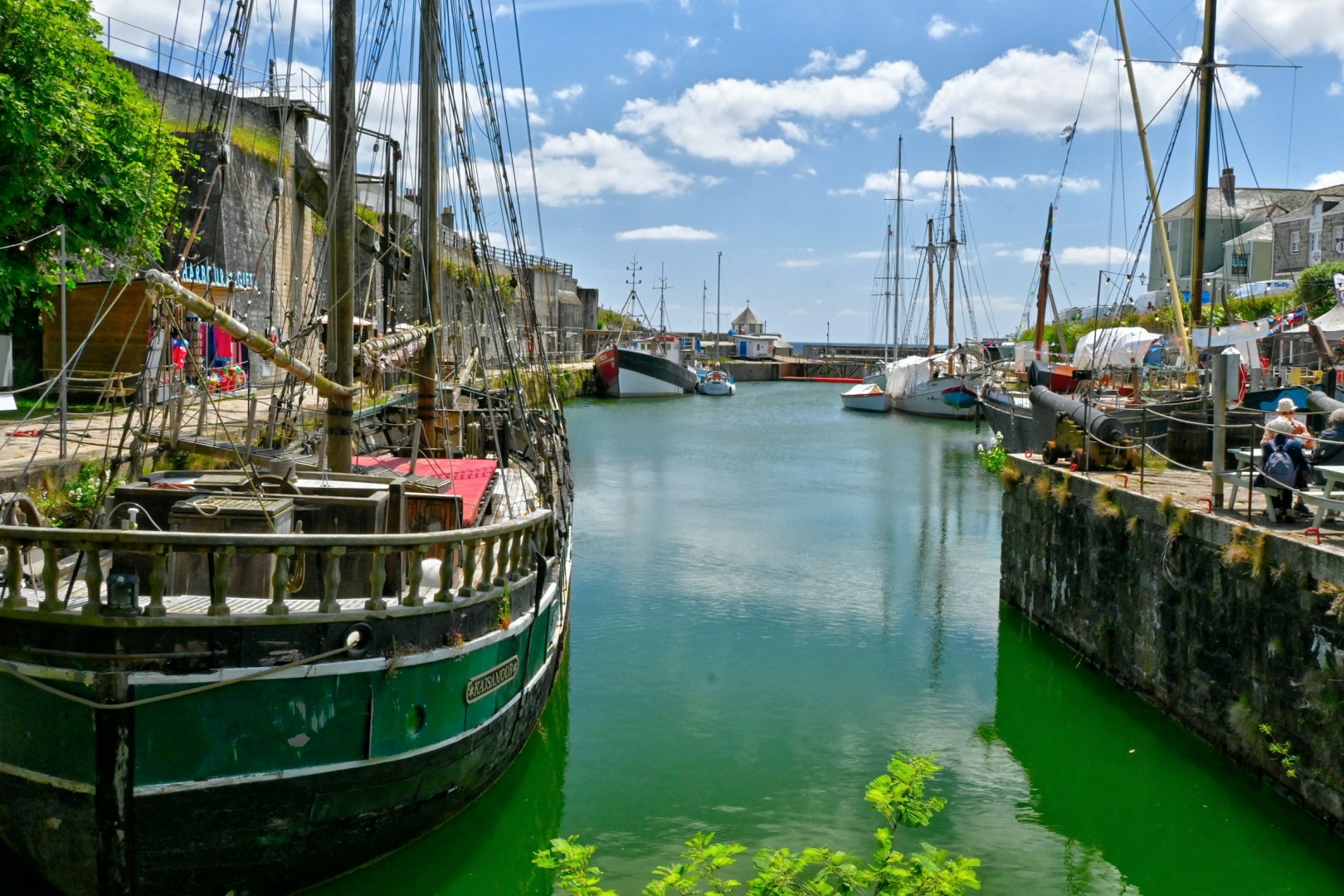
Charlestown
Charlestown is a small historic harbor village on Cornwall’s south coast, near St Austell. Its sheltered harbor is enclosed by stone walls and remains filled with traditional tall ships, giving the village a strong connection with Cornwall’s maritime past. Behind the waterfront are compact rows of stone buildings, narrow lanes, and former industrial structures.
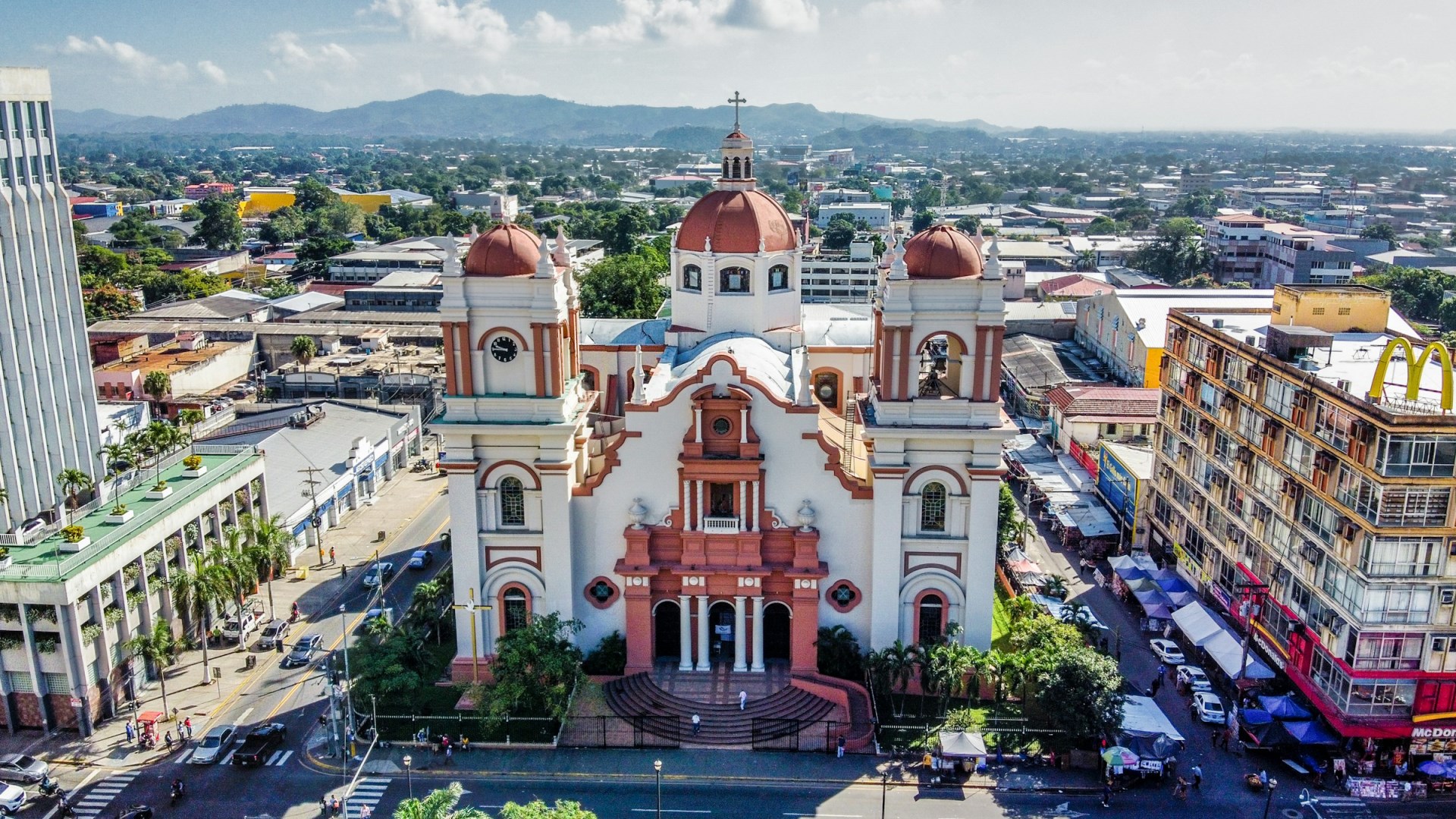
San Pedro Sula
While San Pedro Sula is the oldest city in Honduras, it doesn't show its age. Flat, with a tropical climate,the city prospers both as a commercial center and as a getaway to the Copan ruins and the Bay Islands. There is also a popular artisan market where you can buy silkscreen prints, primitive paintings, pottery, hammocks and wood sculptures.