Rousse
Rousse, Bulgaria, often referred to as "Little Vienna," sits gracefully on the banks of the Danube River. Known for its rich history, stunning architecture, and vibrant culture, Rousse offers a glimpse into Bulgaria's past while embracing the future. The city's central square, Svoboda (Freedom) Square, is a great starting point for exploring.
Zacatecas
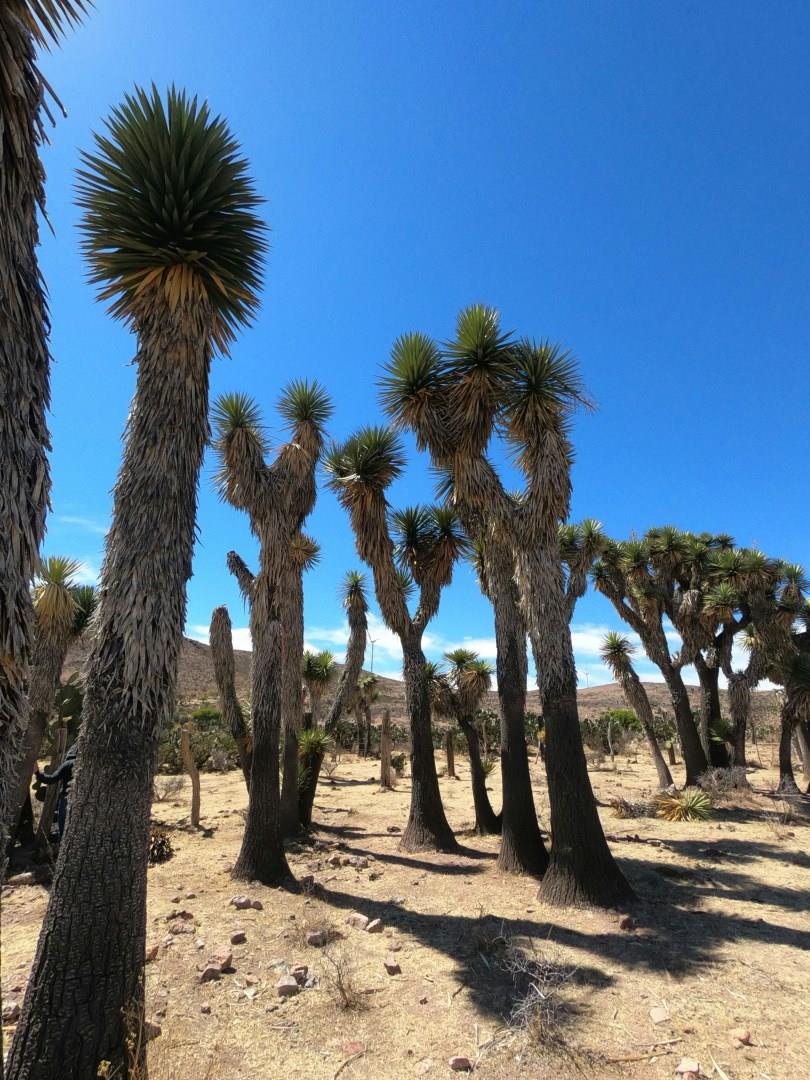
Zacatecas, built into the slopes of a narrow ravine in north-central Mexico, is a city with a deep mining past and a striking skyline. The historic center, a UNESCO World Heritage Site, is known for its pink cantera stone buildings, narrow alleys, and impressive baroque facades. The Cathedral Basilica of Zacatecas, completed in 1752, stands as one of the most detailed examples of Mexican baroque architecture, with hundreds of carved figures covering its sandstone exterior.

Mainz
A charming city nestled on the banks of the Rhine, Mainz, Germany lies southwest of Frankfurt and is replete with historic buildings and famous museums. The city's Altstadt district meets the river's edge and boasts a variety of beautiful and fascinating landmarks.

Luang Prabang
Luang Prabang, the jewel of northern Laos, captivates travelers with its blend of serene spirituality, French colonial charm, and breathtaking natural beauty. This UNESCO World Heritage Site is nestled between the Mekong and Nam Khan rivers, creating a tranquil setting where time seems to slow down. Here, ancient temples with glistening spires, like Wat Xieng Thong, sit alongside quaint colonial-era villas, inviting visitors to explore the harmonious fusion of Lao and French cultures.
Beirut
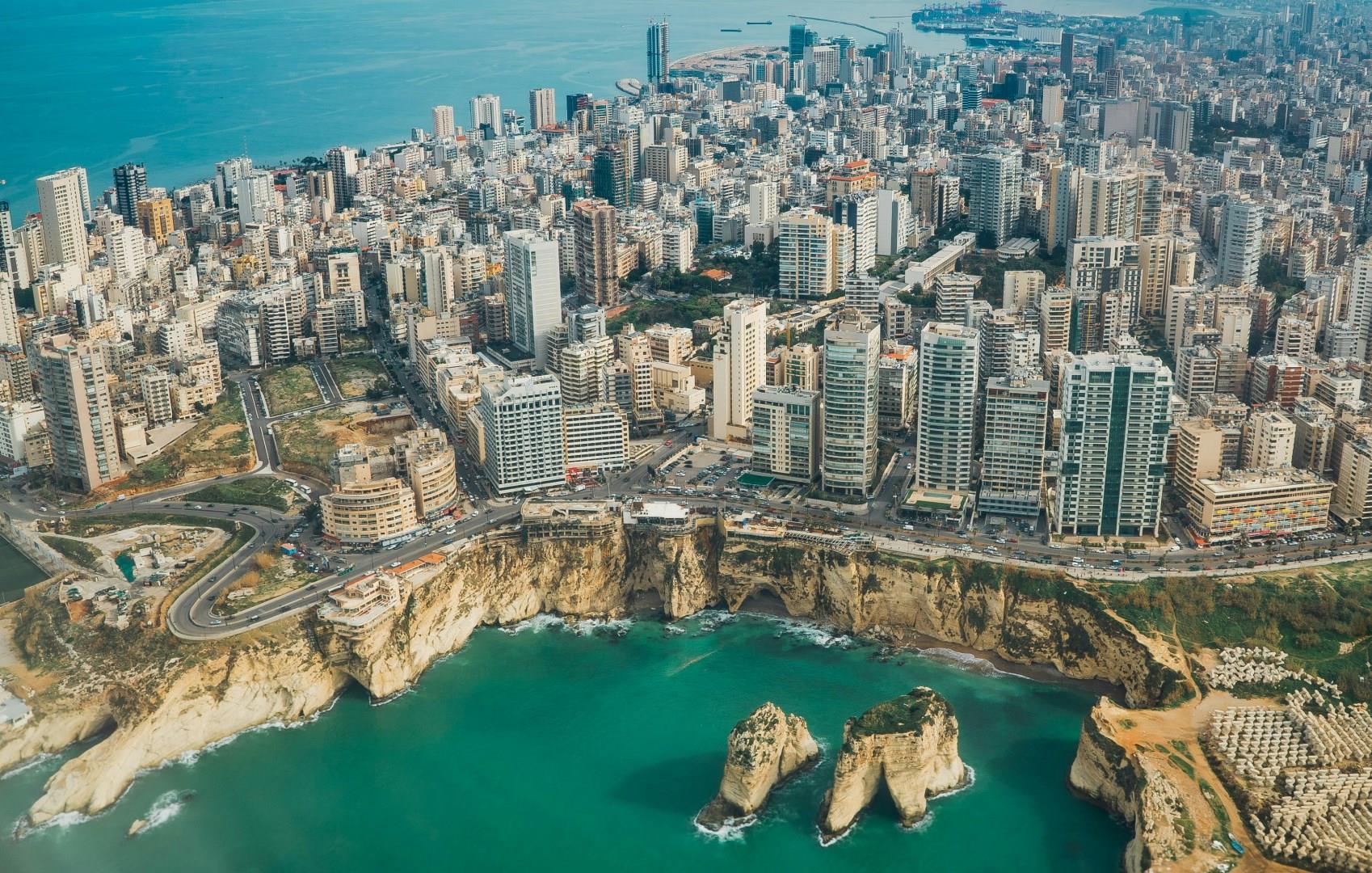
Beirut traces its roots back over 5,000 years. Once called Berytus during the Roman era, it grew into a key port of the Mediterranean. Today’s visitors can follow the Beirut Heritage Trail, a 2.5 km walking route marked with bronze medallions, that links archaeological sites, historic courtyards, and restored Ottoman buildings. The path unveils layers of the city's past one block at a time.