Iqaluit
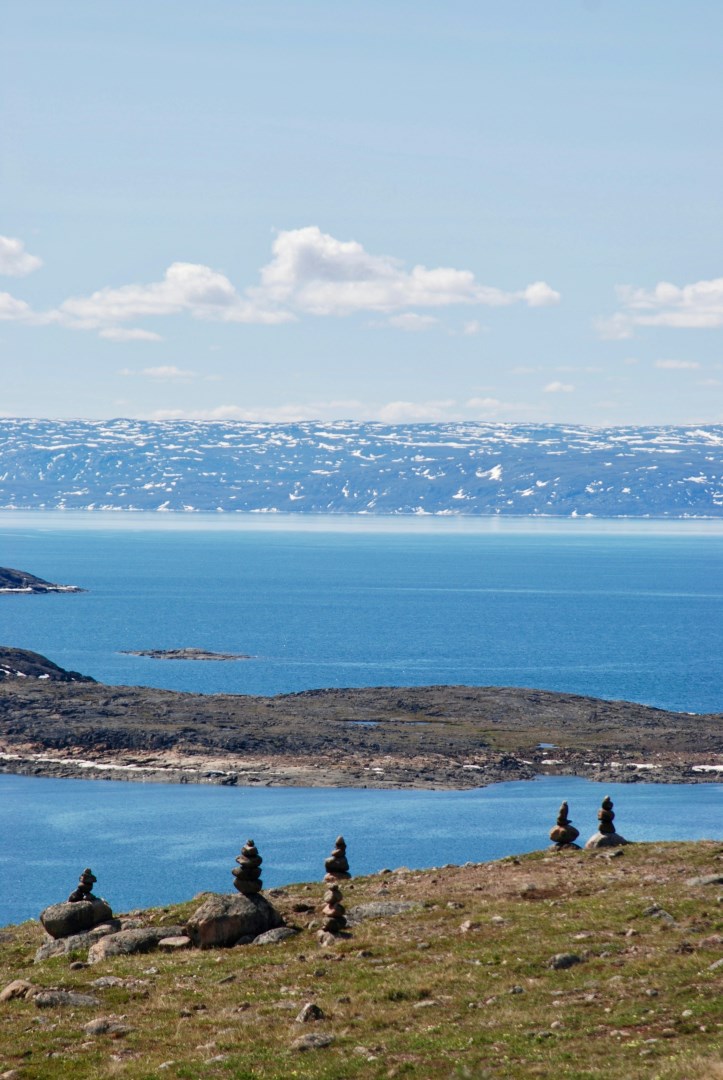
Iqaluit is the capital of Nunavut and the largest community in the territory, located at the head of Frobisher Bay on southern Baffin Island. The city is surrounded by rocky hills, tundra, freshwater ponds, and broad coastal waters, with a landscape shaped by Arctic weather and seasonal sea ice. Iqaluit serves as Nunavut's administrative, transportation, educational, and commercial centre, while remaining closely connected to traditional Inuit activities.
Sarapiquí
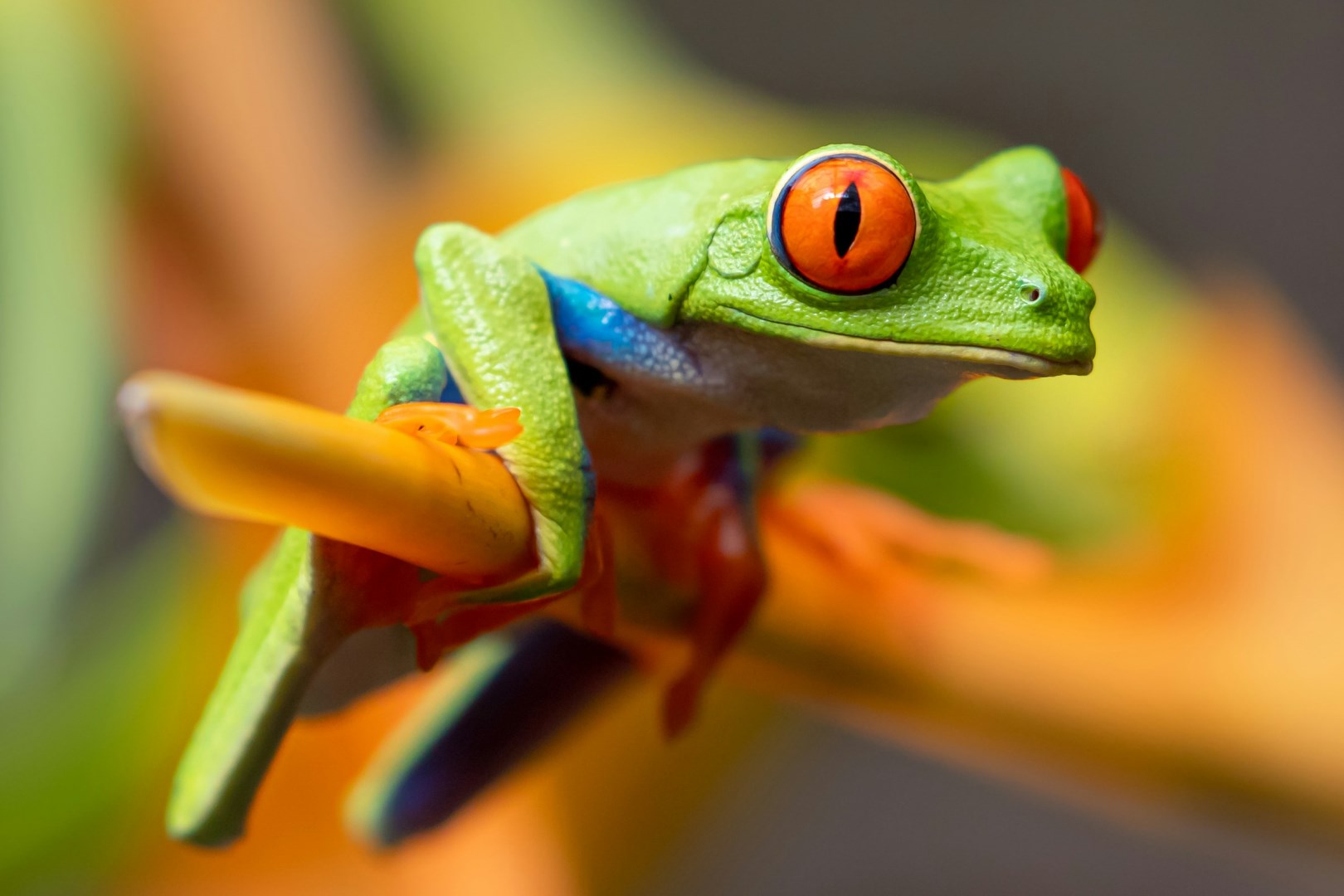
Sarapiquí is a rural region in northeastern Costa Rica, known for its network of rivers, rainforest reserves, and agricultural landscapes. Centered around Puerto Viejo de Sarapiquí, the area serves as a gateway to the Caribbean lowlands while remaining distinct from coastal destinations.

Dominica
Dominica, known as the “Nature Island of the Caribbean,” is a haven for eco-tourists and adventure seekers. Nestled between the French islands of Guadeloupe and Martinique, this lush island boasts a remarkable landscape of volcanic mountains, dense rainforests, and stunning waterfalls. Dominica’s most iconic natural wonder is the Boiling Lake, the second-largest hot spring in the world.

Victoria Falls
Majestic Victoria Falls, a waterfall of gargantuan proportions, sits atop the Zambezi River in Zimbabwe. This cascading natural wonder is the main attraction for Victoria Falls National Park and the local town of Victoria Falls to its west
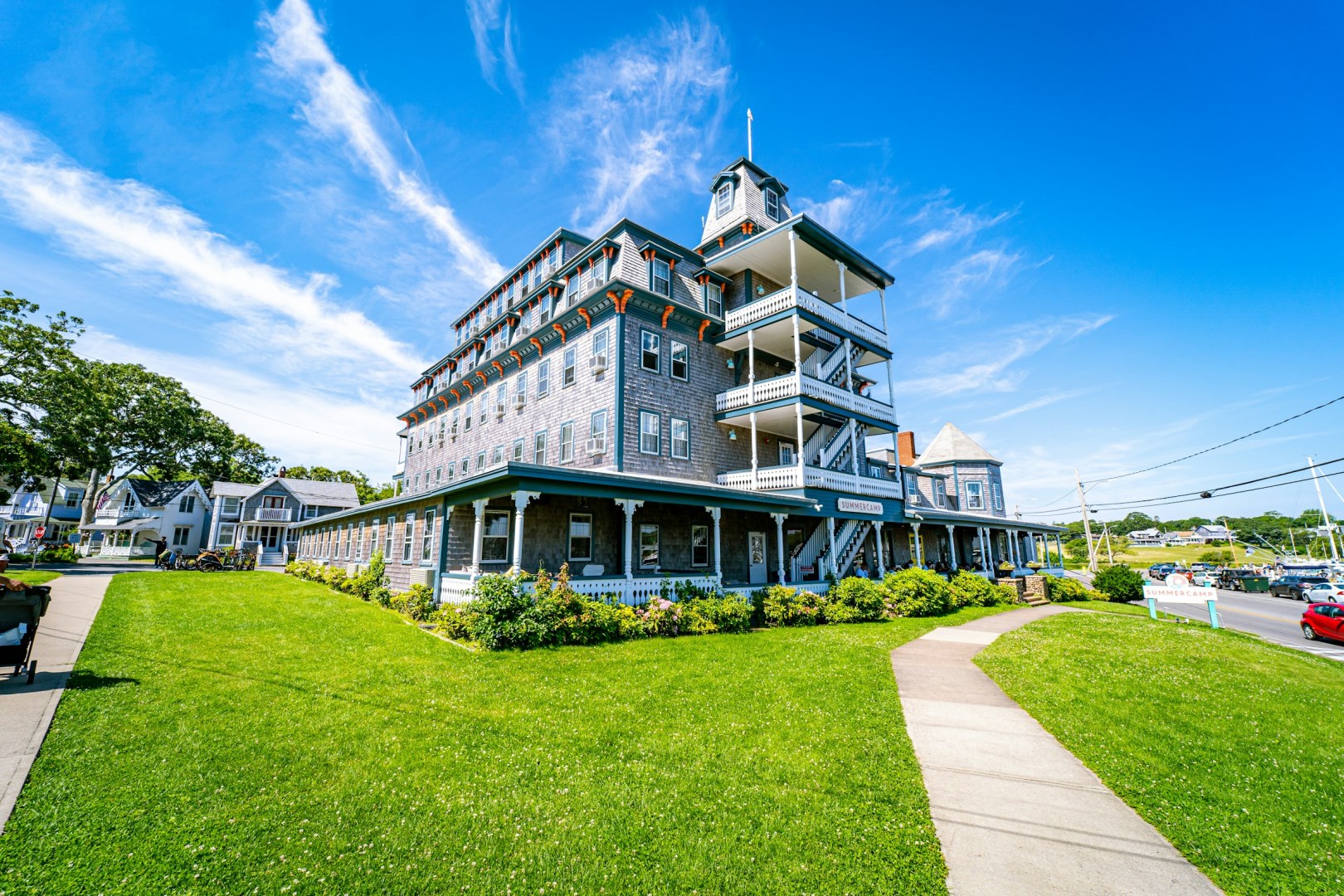
Oak Bluffs
Oak Bluffs is a coastal town on Martha’s Vineyard, Massachusetts, facing Vineyard Sound on the island’s northeastern shore. It is known for its colorful Carpenter Gothic cottages, harbor, beaches, and long association with summer tourism. The town center developed around Circuit Avenue, while the waterfront includes Oak Bluffs Harbor and a public beach along the sound.