Matobo Hills
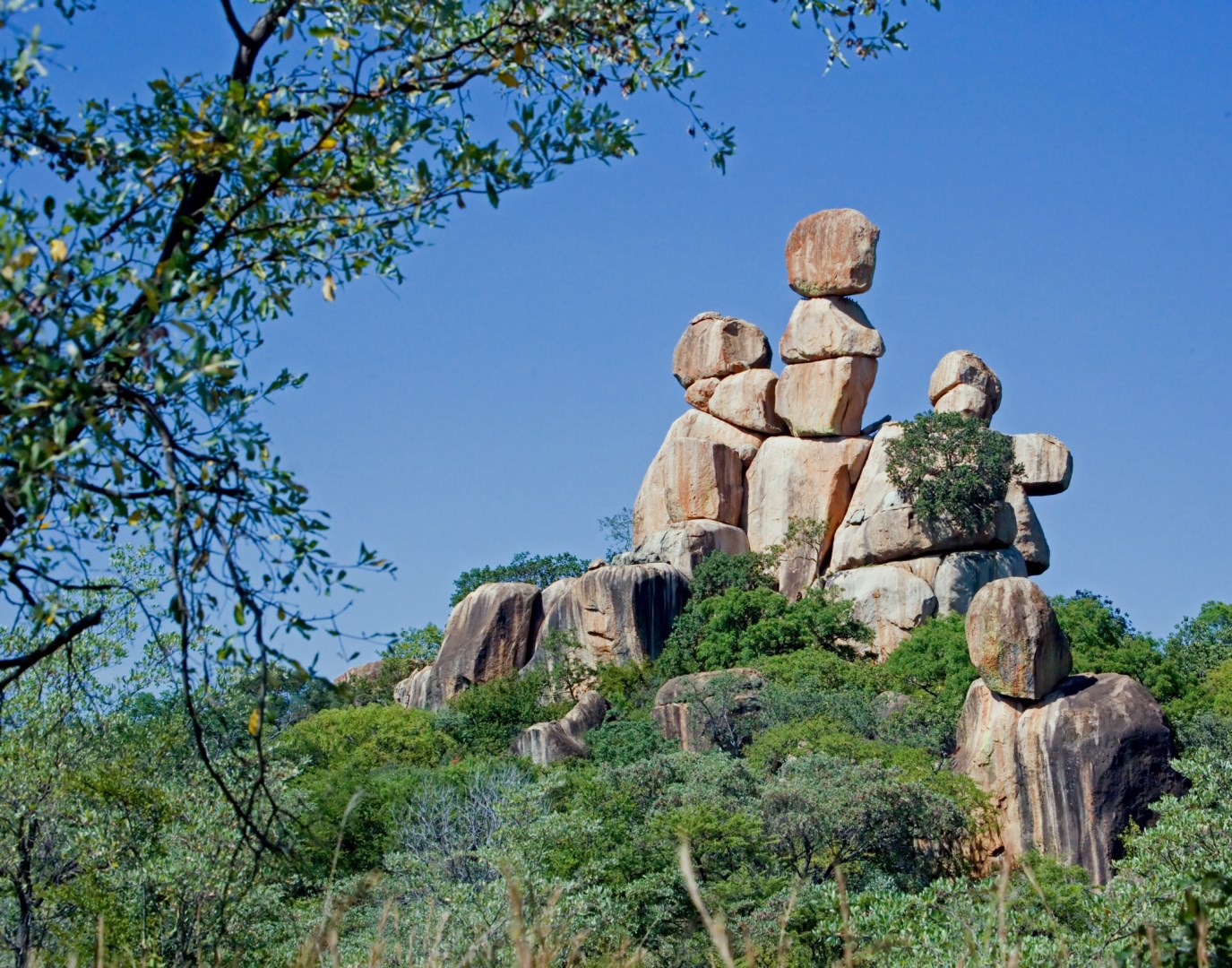
Matobo Hills is a distinctive granite landscape in southwestern Zimbabwe, about 35 kilometers south of Bulawayo. Rounded domes, balancing boulders, rocky ridges, and wooded valleys form a dense group of hills rising above the surrounding savanna. The landscape is part of a large cultural heritage area that includes Matobo National Park and neighboring communal and privately managed land.
Alton
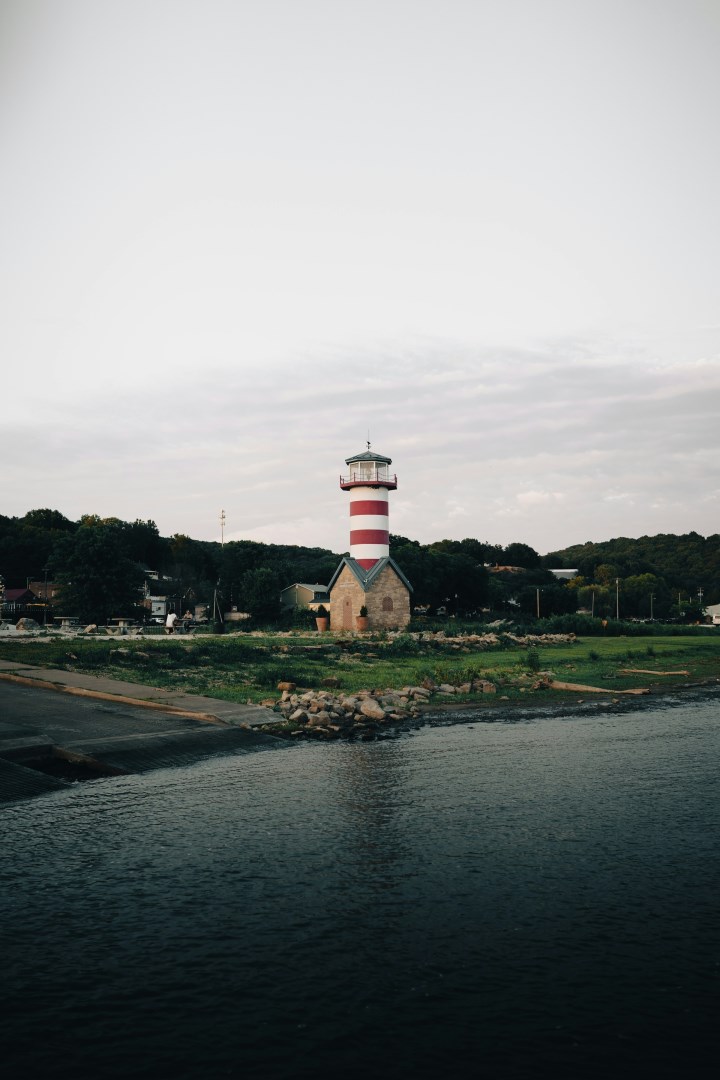
Alton is a historic Mississippi River city in southwestern Illinois, located about 25 miles north of St. Louis, Missouri. Its position along the river has shaped the community’s industry, transportation, architecture, and recreation. The city rises from the riverfront into wooded bluffs, creating a landscape of steep hills, limestone outcrops, and broad views across the Mississippi. Downtown Alton contains historic commercial buildings, local restaurants, galleries, and museums, while the riverf
Jyväskylä
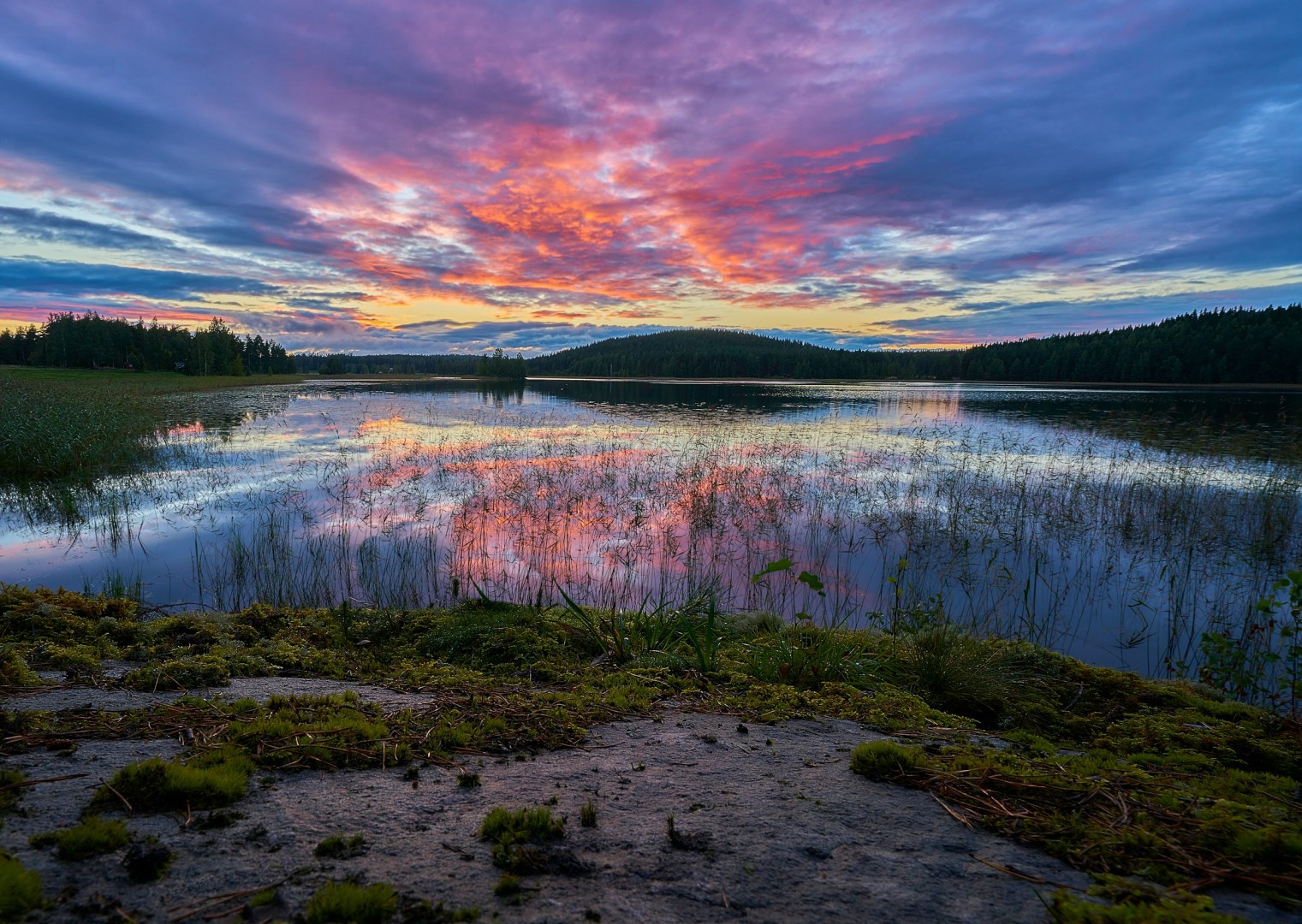
Jyväskylä is a city in central Finland surrounded by forests, lakes, and rolling hills, with Lake Jyväsjärvi forming a prominent part of its southern edge. It is the regional center of Central Finland and has a strong connection with education, design, and modern Finnish architecture. The city is known internationally for buildings designed by Alvar Aalto, whose work includes the University of Jyväskylä campus and several civic buildings.

Atacama Desert
The Atacama Desert in Chile, the driest non-polar desert on Earth, is a place of extraordinary beauty and otherworldly landscapes. Stretching over 600 miles along the Pacific coast, the Atacama's stark, lunar-like terrain is punctuated by salt flats, active geysers, and rugged canyons. One of the most striking sights is the Valle de la Luna, or Valley of the Moon, where wind-sculpted sand dunes and jagged rock formations create a surreal environment that appears as if it's straight from another
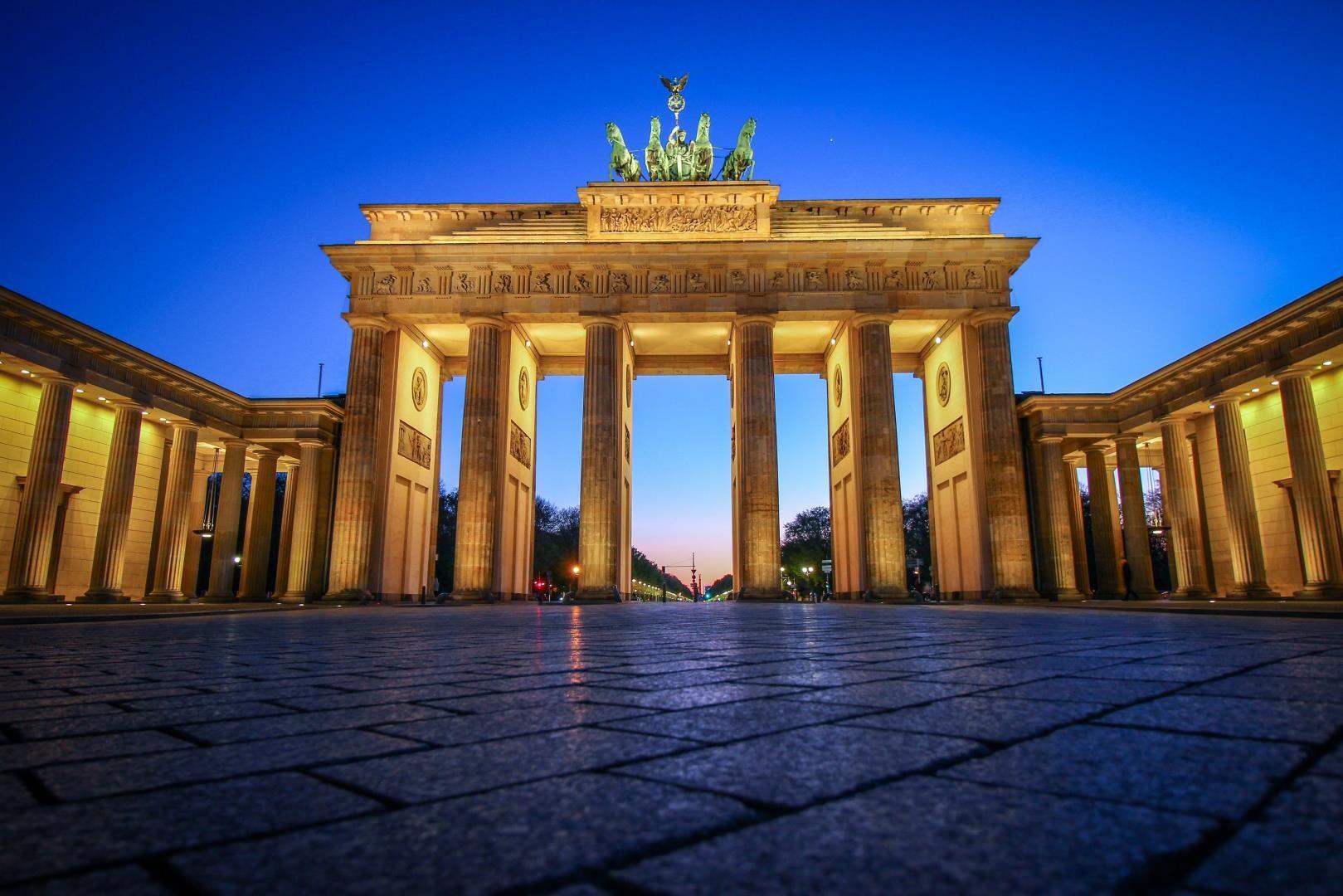
Berlin
Berlin has an undeniable history. The horrors of World War II, division, reunification, revolution all profoundly impacted the city in the 20th century. Today, visitors will find a sophisticated, high-energy city with endless cultural, architectural and gastronomic attractions.