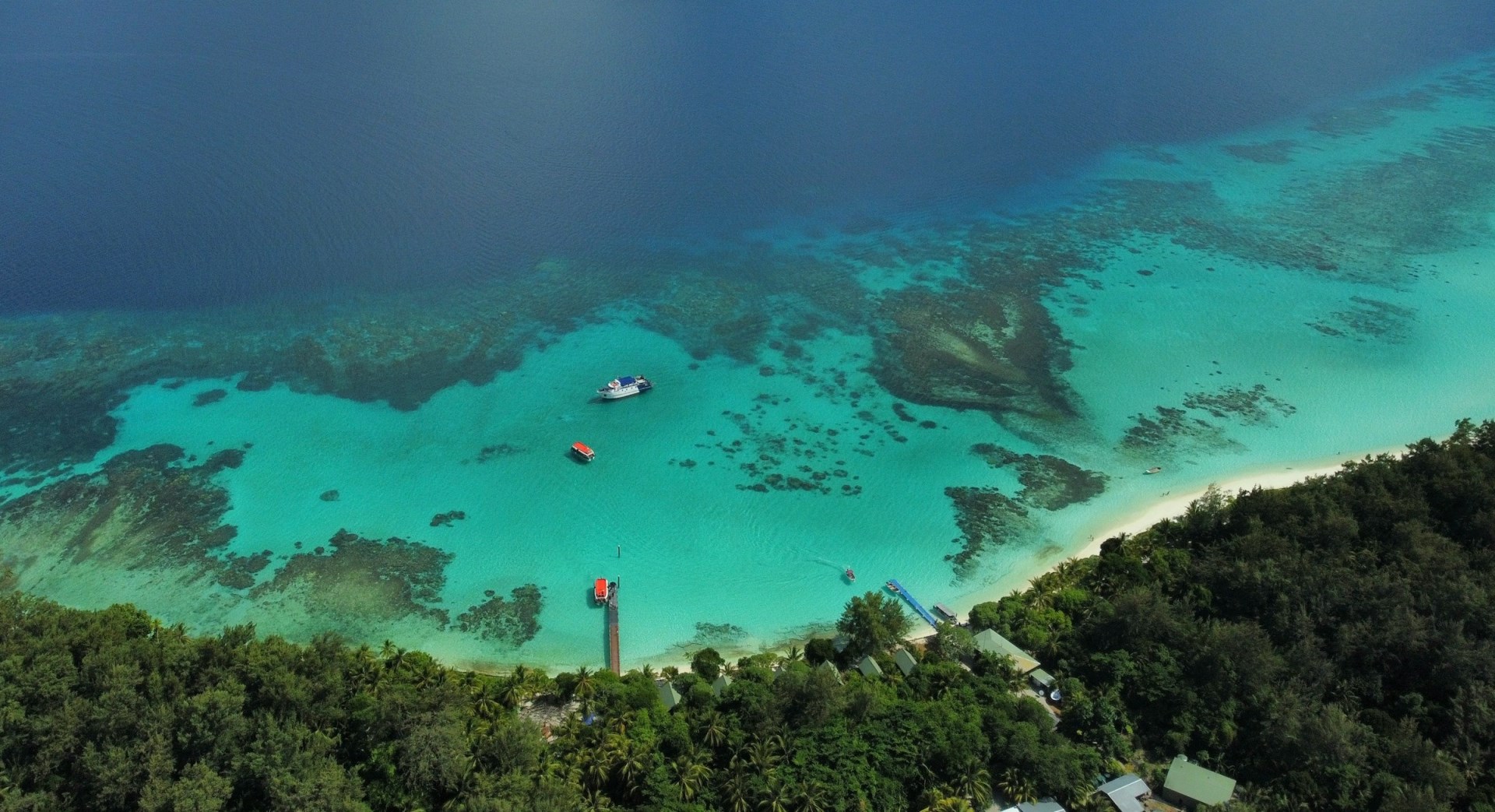
The Conflict Islands are a small group of coral islands and atolls in the Louisiade Archipelago of Papua New Guinea’s Milne Bay Province. They lie in the Solomon Sea, southeast of mainland Papua New Guinea, and are surrounded by clear lagoon waters, coral reefs, sandbars, and uninhabited islets.
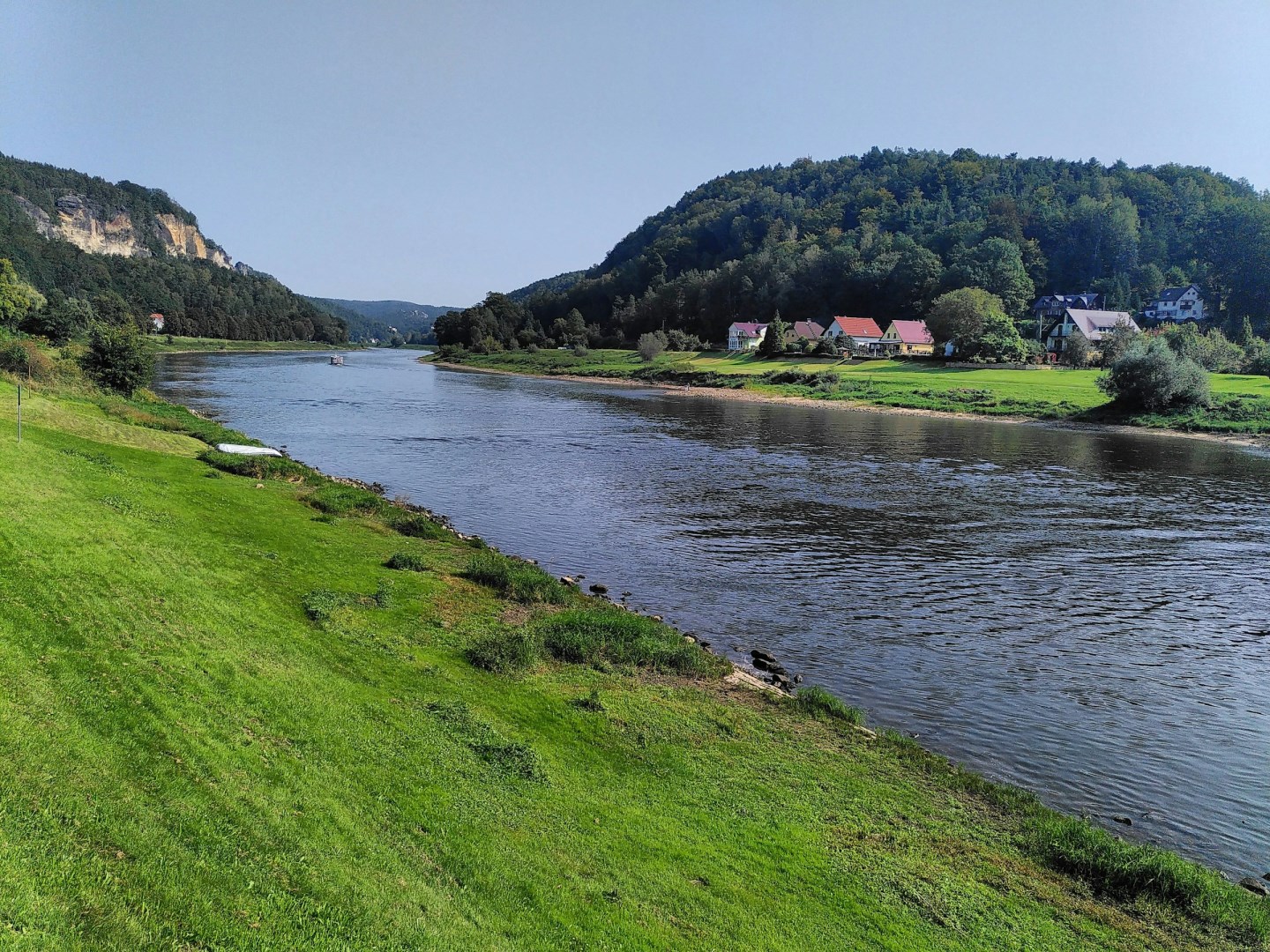
The Elbe is one of the Central Europe's greatest rivers, rising in the northern Czech Republic, traversing through Bohemia and Germany, and flowing into the North Sea not far from Hamburg. The river and its route have been largely untouched, so wildlife visibly abounds along its wetlands and wooded regions. Other scenery includes terraced vineyards and charming wine villages.
Must-sees in Seville include the landmark palace Royal Alcázar of Seville, the Gothic, bell-towered Catedral de Sevilla, and Plaza de España, an architectural marvel with Moorish, Baroque and Renaissance influences. Meanwhile, Museo del Baile Flamenco is the place to learn about flamenco dancing culture.
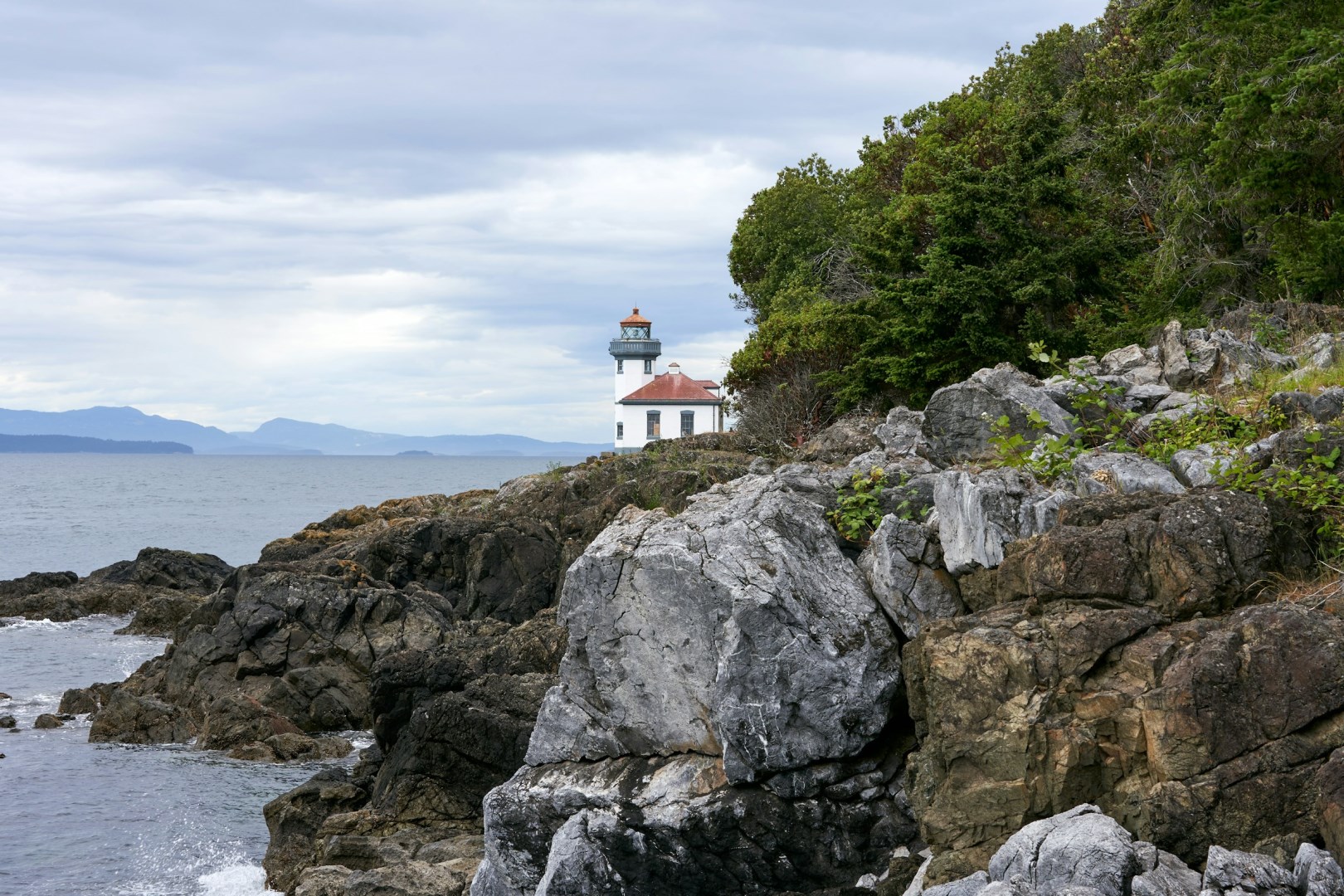
Some of the most spectacular scenery is found on a trip to the San Juan Islands. No wonder. This 100-million-year-old mountain range turned archipelago, located a few miles northwest of Seattle, changes dramatically with the tide. There are 743 islands at low tide--and 428 at high tide.
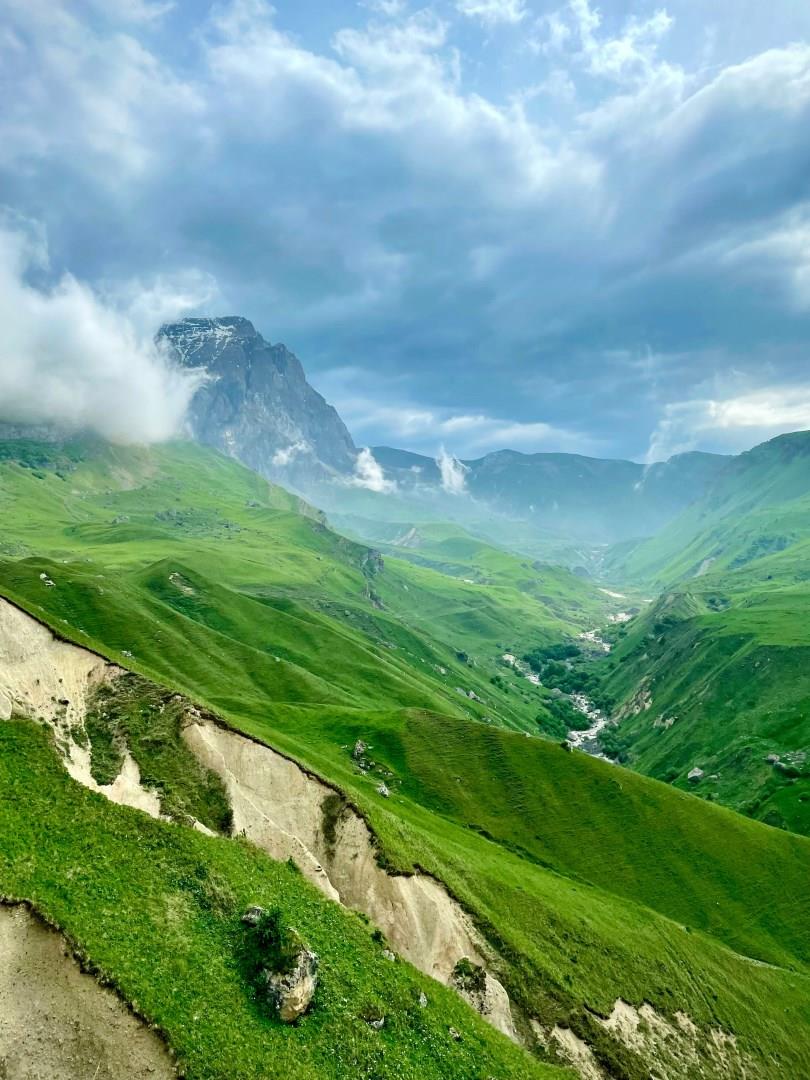
Azerbaijan, often called the “Land of Fire,” sits at the crossroads of Europe and Asia along the Caspian Sea. Its capital, Baku, blends futuristic architecture with centuries-old history.
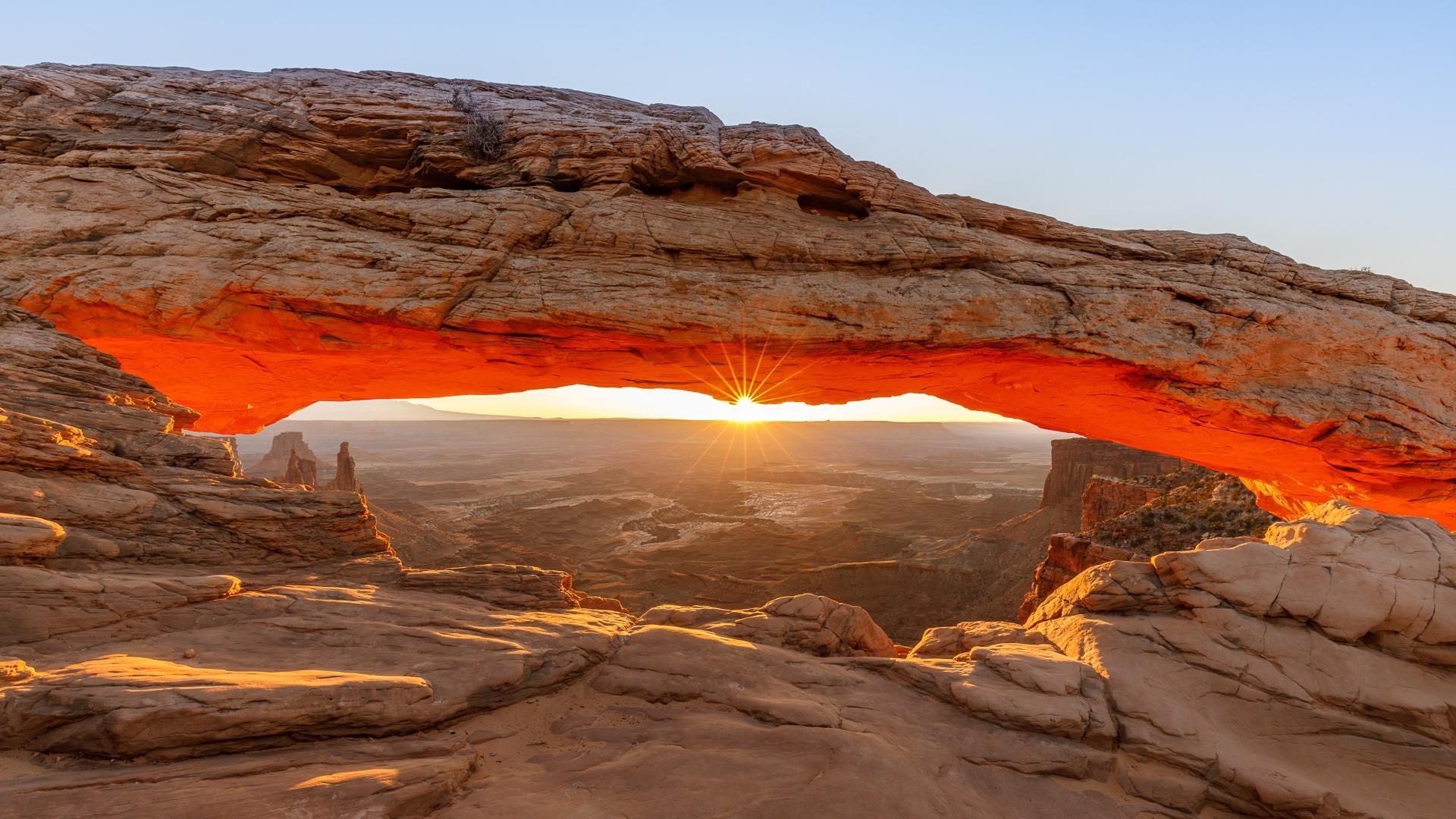
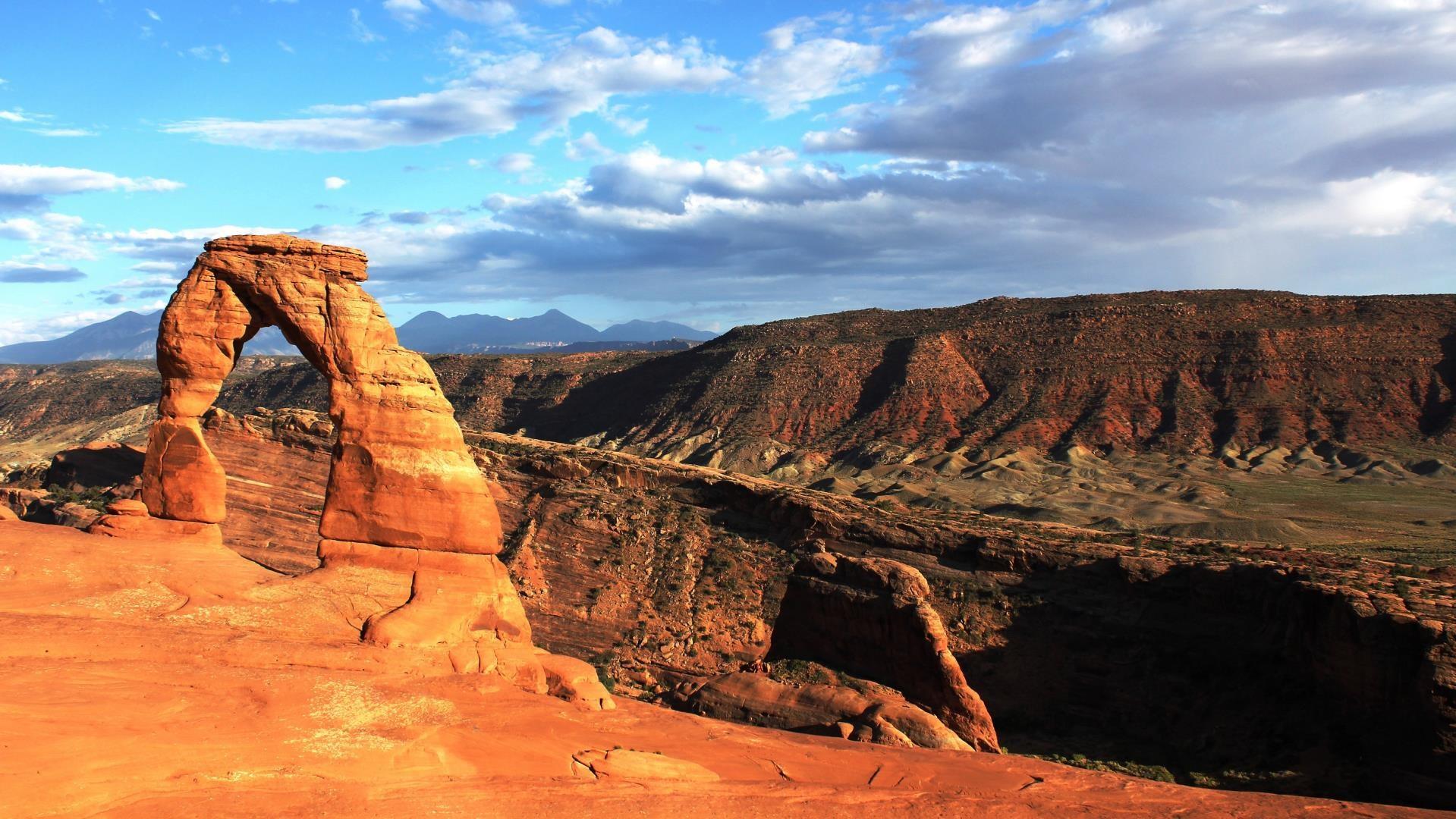
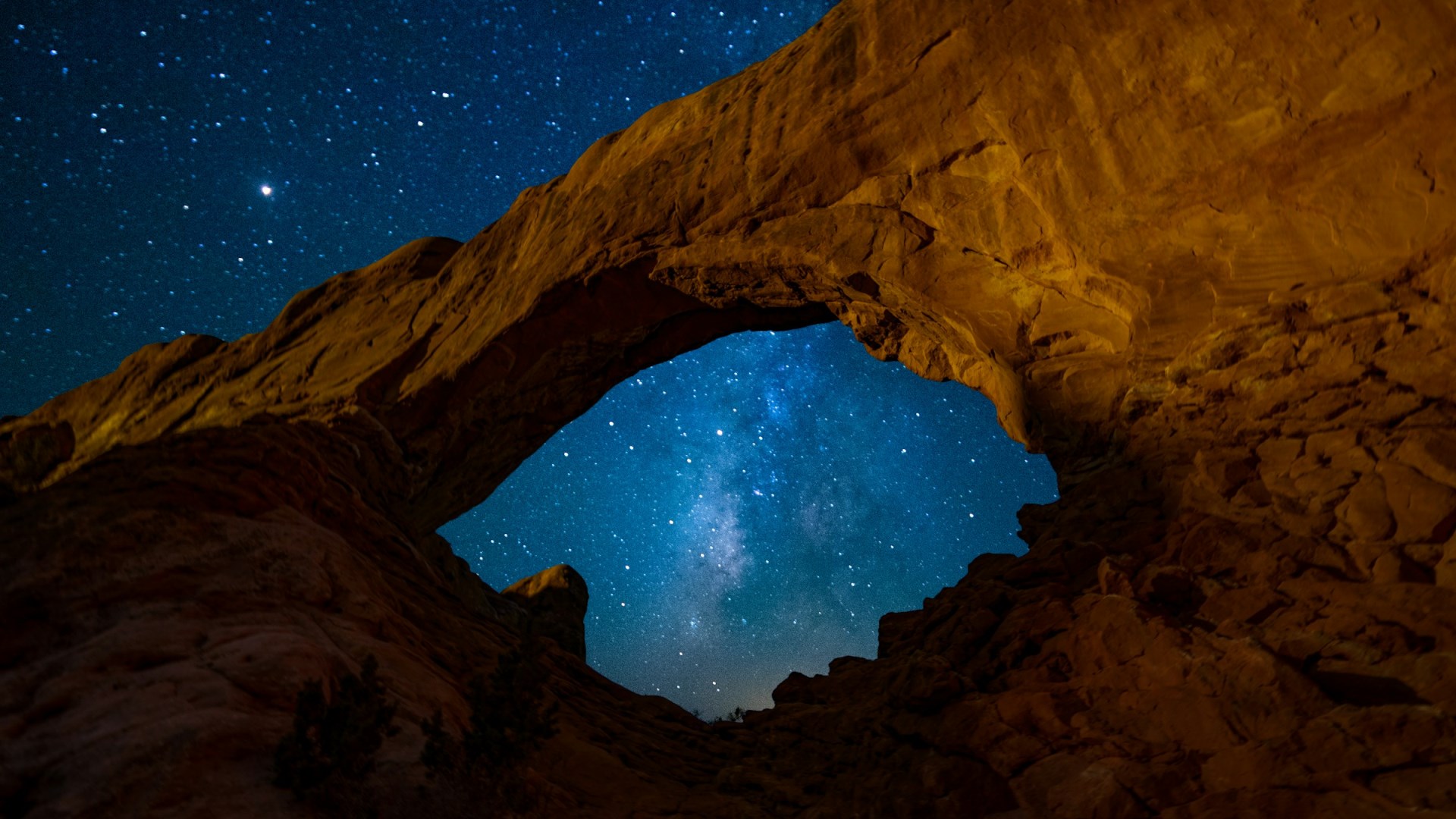
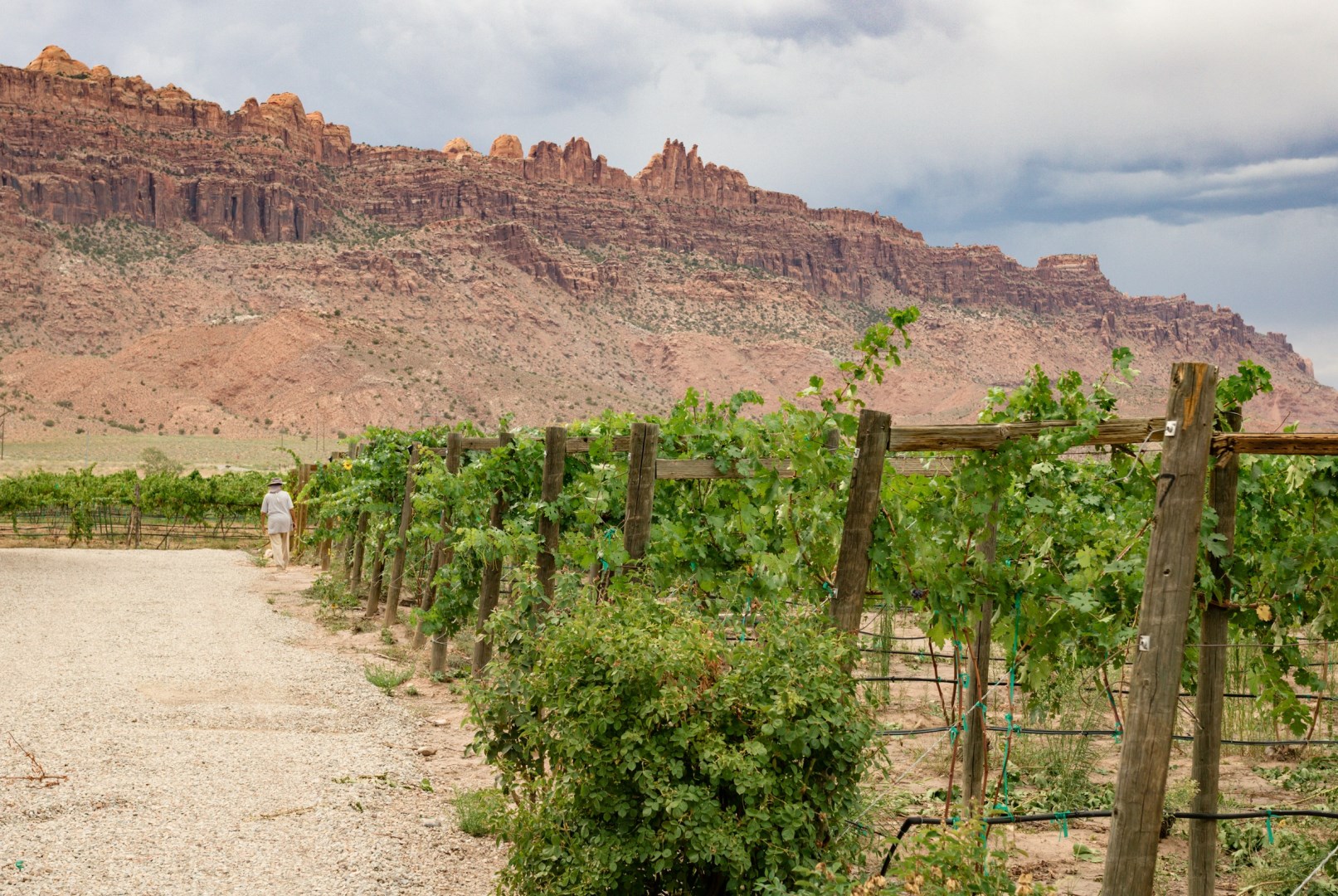
Nestled between Canyonlands National Park and Arches National Park, Moab is the perfect entryway to some of Utah’s most iconic scenery. Dotted with gorgeous sandstone formations, mesas, and buttes, Moab epitomizes the rugged beauty of the American Southwest.
Situated near the Colorado River, Moab provides direct access to dozens of nature trails and parks where you can hike, bike, raft, or camp to experience immense canyons and awe-inspiring desert landscapes. Nearby dinosaur trails give you a glimpse of dinosaur fossils and preserved tracks dating back to the Mesozoic Era.
When you’re done exploring national parks, take a breather in downtown Moab to browse local art galleries, check out the Moab Museum, or sample from local restaurants and breweries.
Other Popular Destinations in Utah
Zion National Park
Zion National Park, located in southwestern Utah, is known for its massive sandstone cliffs, narrow slot canyons, and unique desert ecosystems. Established in 1919, it was Utah’s first national park and continues to attract visitors with its dramatic elevation shifts and striking rock formations. The park’s most iconic feature, Zion Canyon, stretches for 15 miles and reaches depths of up to 2,640 feet, carved over time by the Virgin River.
Bryce Canyon
Bryce Canyon, tucked into the high plateaus of southern Utah, offers one of the most unusual landscapes in the American Southwest. It’s not actually a canyon but a series of natural amphitheaters carved into the edge of the Paunsaugunt Plateau. What makes Bryce unique is its dense collection of hoodoos which are tall, thin spires of rock formed over millions of years by frost-wedging and erosion.