Djúpavík
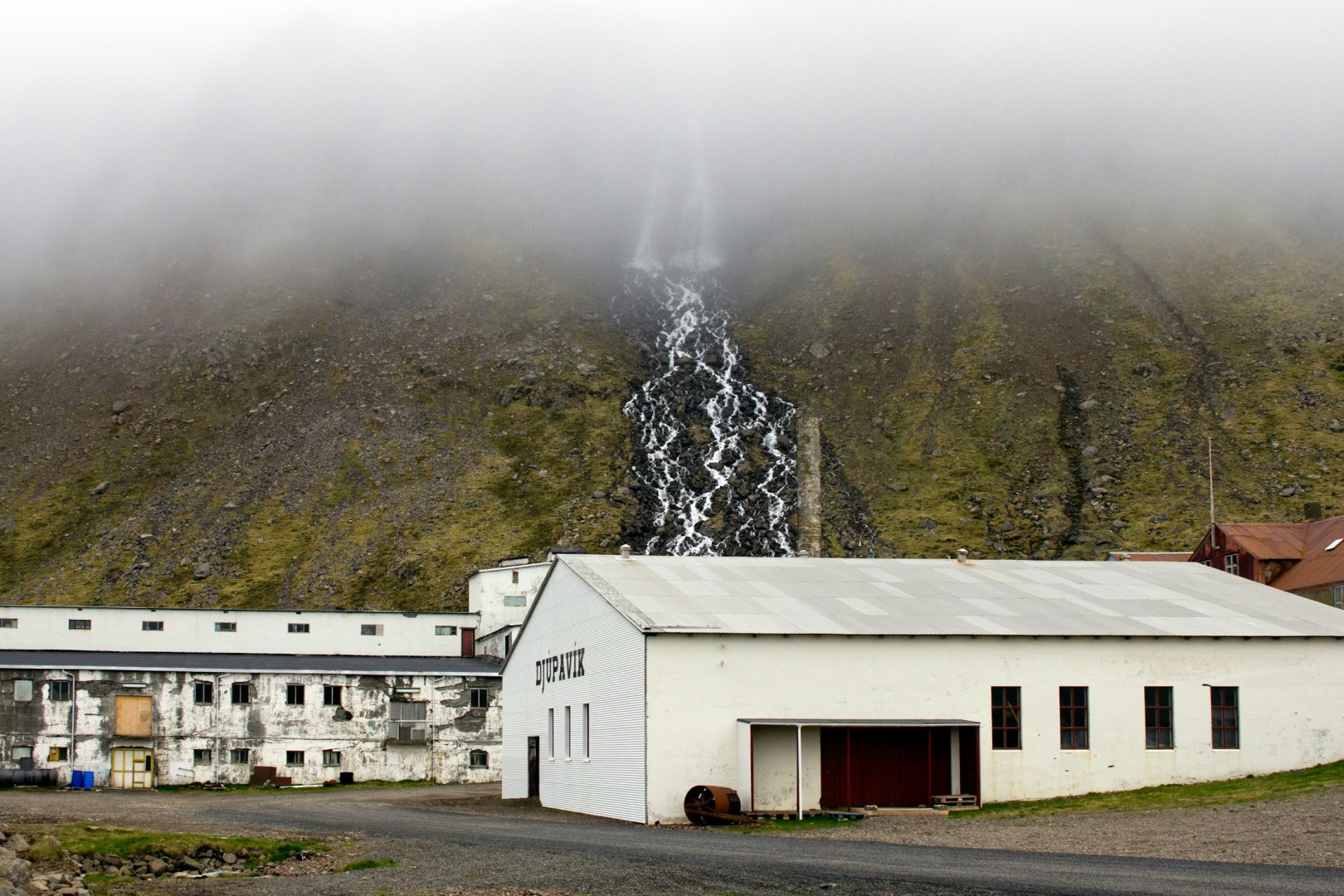
Djúpavík is a tiny settlement on the shore of Reykjarfjörður in the remote Strandir region of Iceland’s Westfjords. The village is surrounded by steep mountains, a narrow fjord, and largely undeveloped coastal landscapes, with only a handful of buildings clustered beside the water. Its identity is closely tied to the abandoned herring-processing complex that dominates the settlement.
Iquique
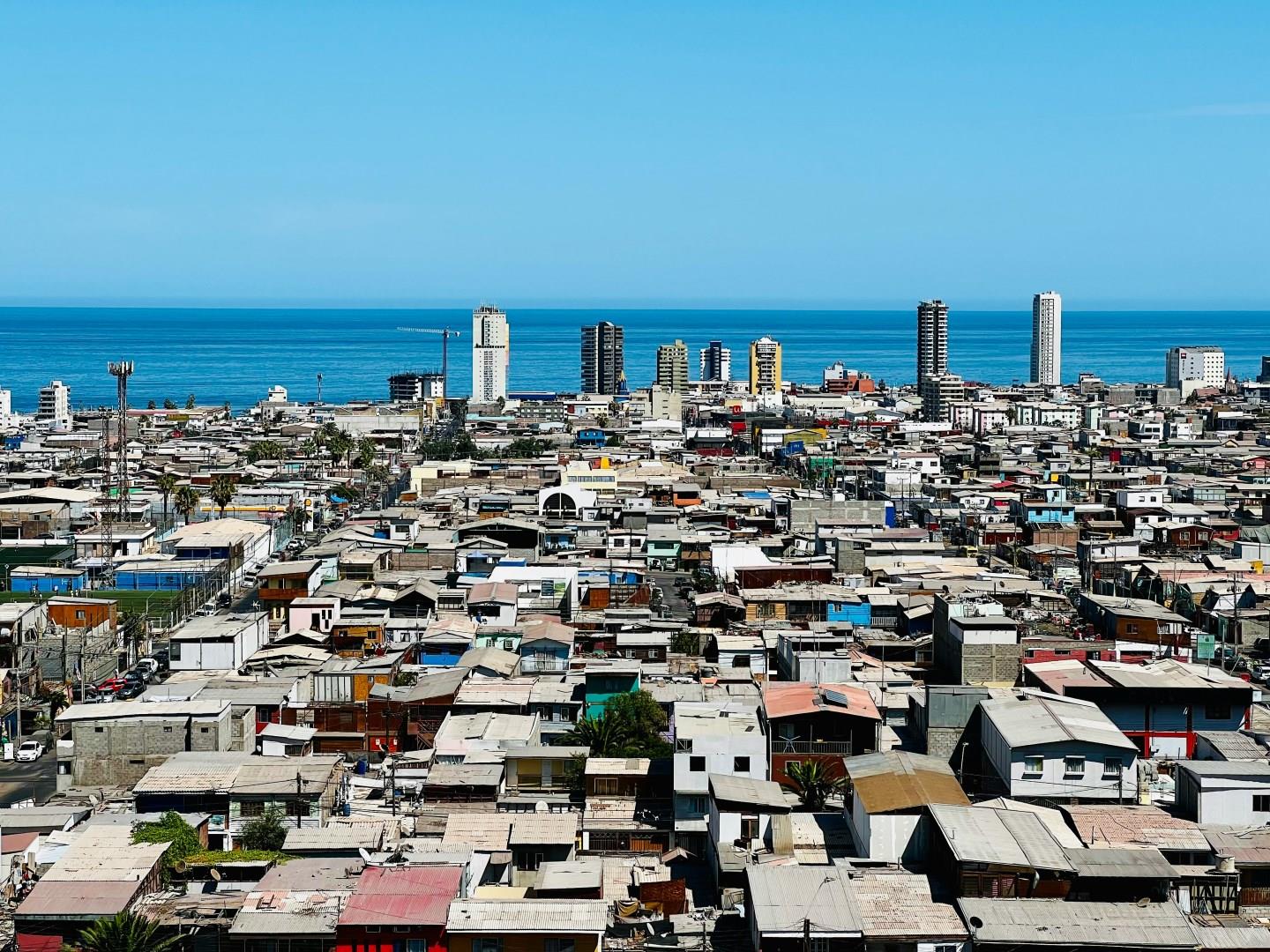
Iquique, perched between the Pacific Ocean and the sweeping sand dunes of the Atacama Desert, offers more than just sun and surf. This coastal city in northern Chile is a duty-free port, drawing visitors with its unique blend of high-end shopping, historic districts, and adrenaline-filled adventures. Whether wandering along the palm-lined Baquedano Boulevard or gliding down the towering sand dunes on a sandboard, Iquique surprises at every turn.
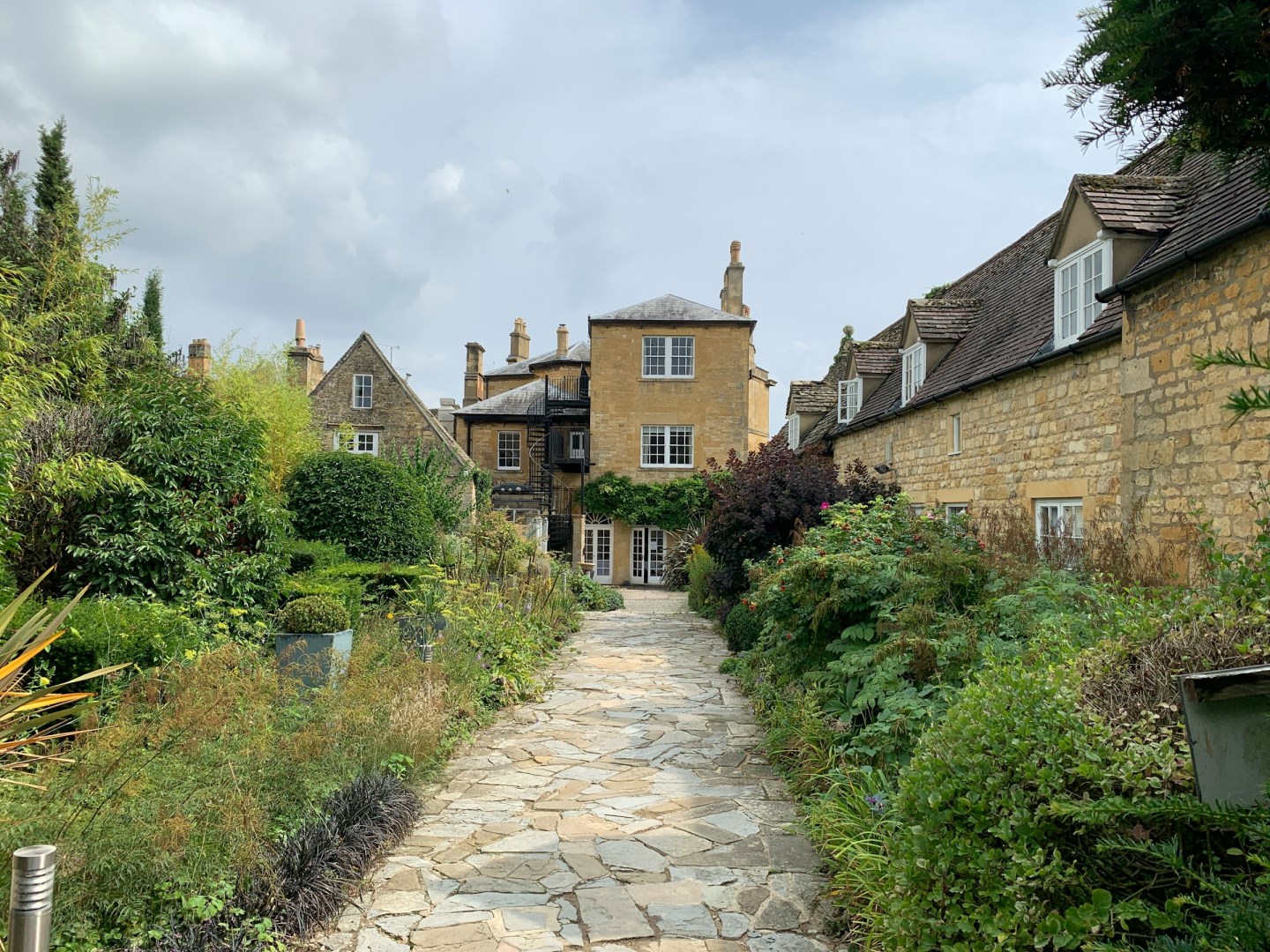
Chipping Campden
Chipping Campden is a historic market town in the Cotswolds of Gloucestershire, surrounded by gently rolling farmland and limestone villages. Its main street is lined with honey-colored stone buildings, many dating from the medieval and early modern periods, giving the town a distinctive architectural character. The Market Hall, built as a shelter for local traders, is one of its best-known landmarks.

Golubac
Golubac, a picturesque town on the banks of the Danube River in Serbia, is a destination known for its rich history and stunning natural beauty. The town is home to the Golubac Fortress, a medieval stronghold dating back to the 14th century, which offers stunning views of the Danube and the surrounding landscapes.

Costa Maya
This small cruise port is located in Mexico's Yucatan peninsula south of Playa del Carmen, near Belize. It is famous for Chacchoben, a breathtaking set of Mayan ruins. The port has a new and modern shopping mall and the central plaza has saltwater pools and 'swim-up' style bars for tourists to enjoy.