South Shetland Islands
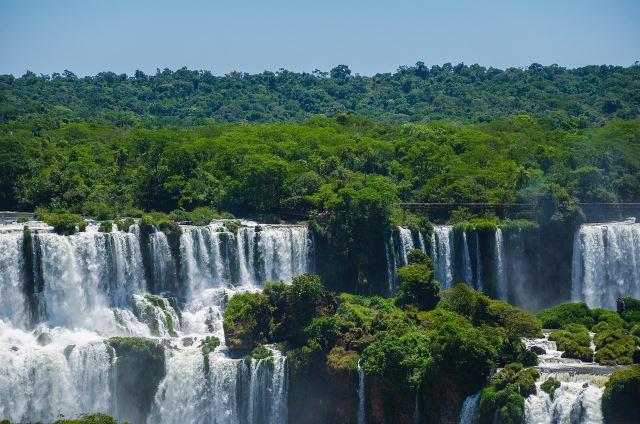
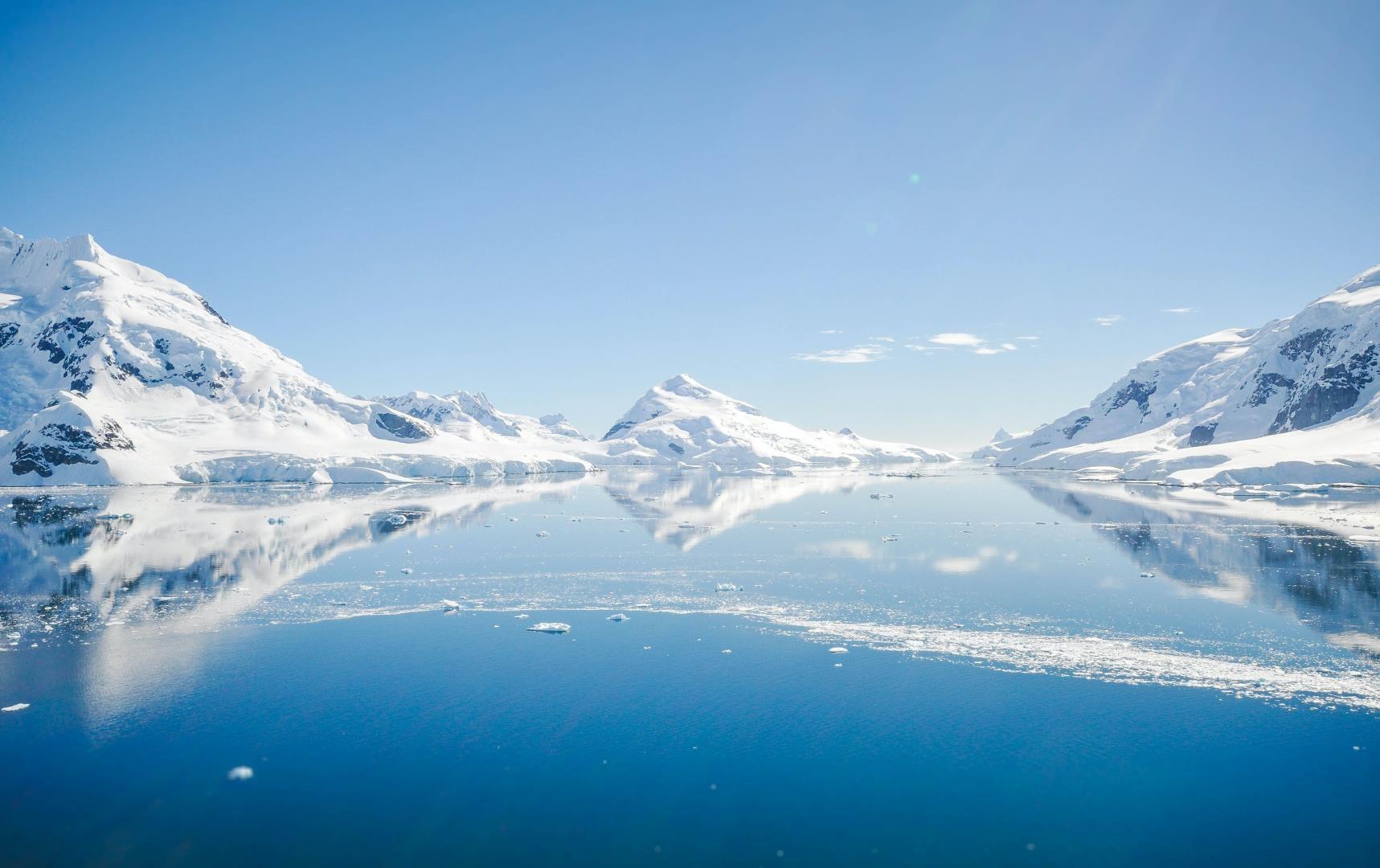
Mist, research stations, and penguins are just a few of the things that define the South Shetland Islands, an archipelago off the coast of Antarctica. These 11 Antarctic islands, most notably King George Island, have served as a base for researchers from Chile, Argentina, and a variety of other countries. The archipelago has also become a popular cruise destination for tourists to the Antarctic region.
Saint-Pierre
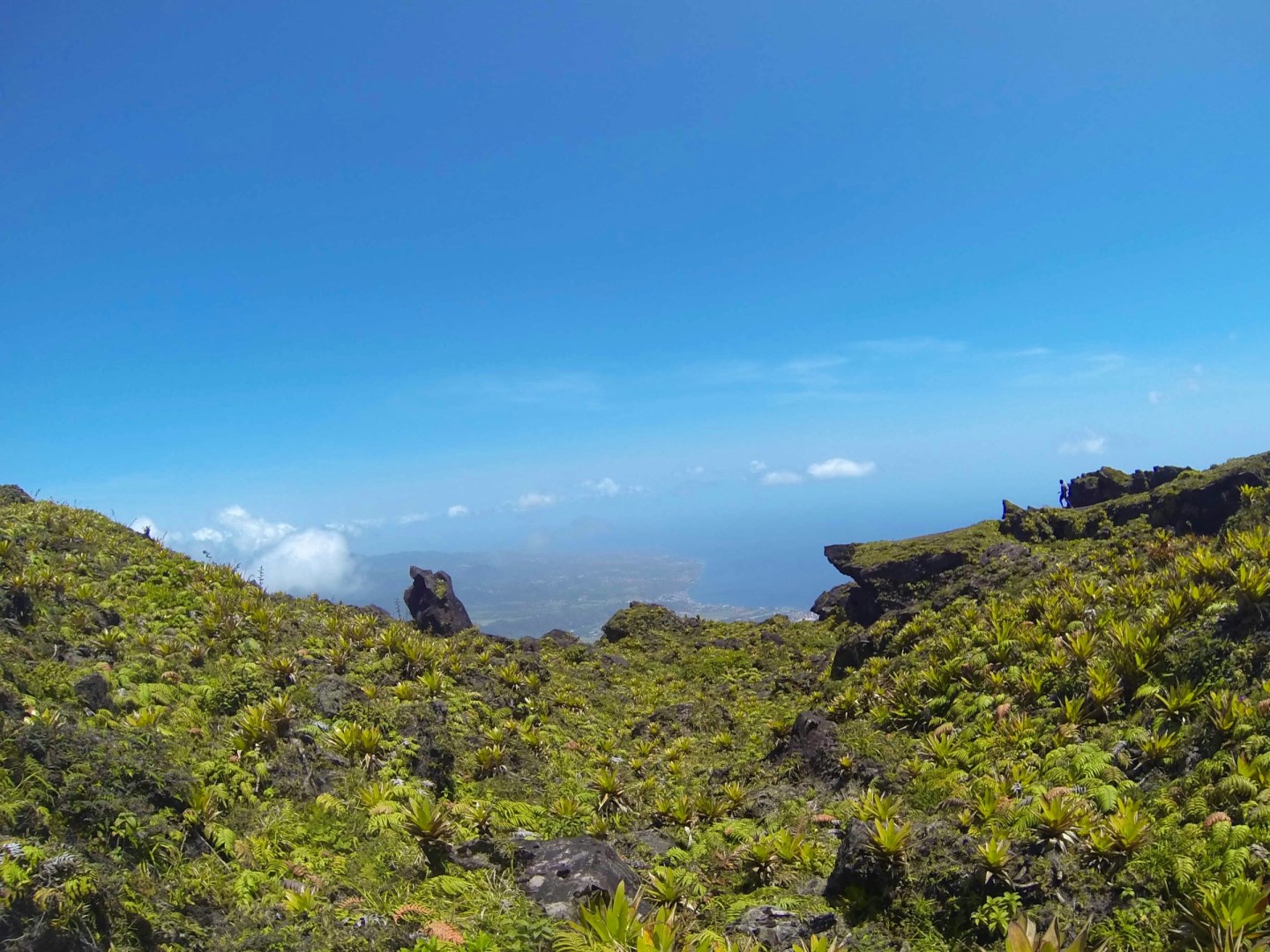
Saint-Pierre is a historic coastal town in northern Martinique, set between the Caribbean Sea and the slopes of Mount Pelée. Once the island’s principal port and commercial centre, the town was destroyed by the volcano’s eruption and later rebuilt around surviving ruins and archaeological remains. Today, Saint-Pierre is recognized as a Town of Art and History, with a landscape that combines the sea, volcanic mountain, historic streets, and remnants of the former city.
Bengaluru
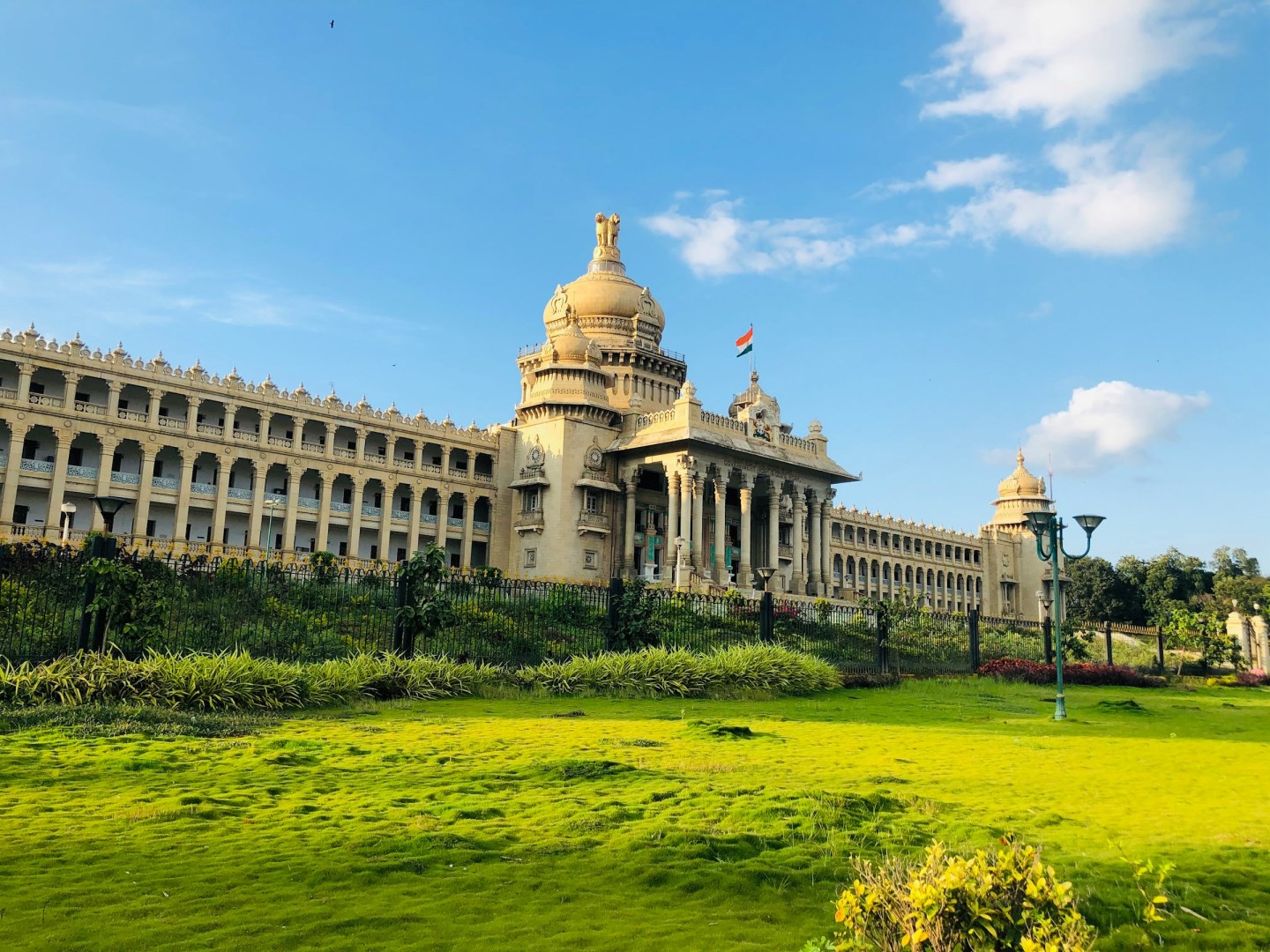
The capital of Karnatika State, Bangalore is known as the "Garden City", and has a pleasant climate. Visit the Summer Palace of Tippu Sultan, the Bull Temple and the Botanical Gardens of Lal Bagh.
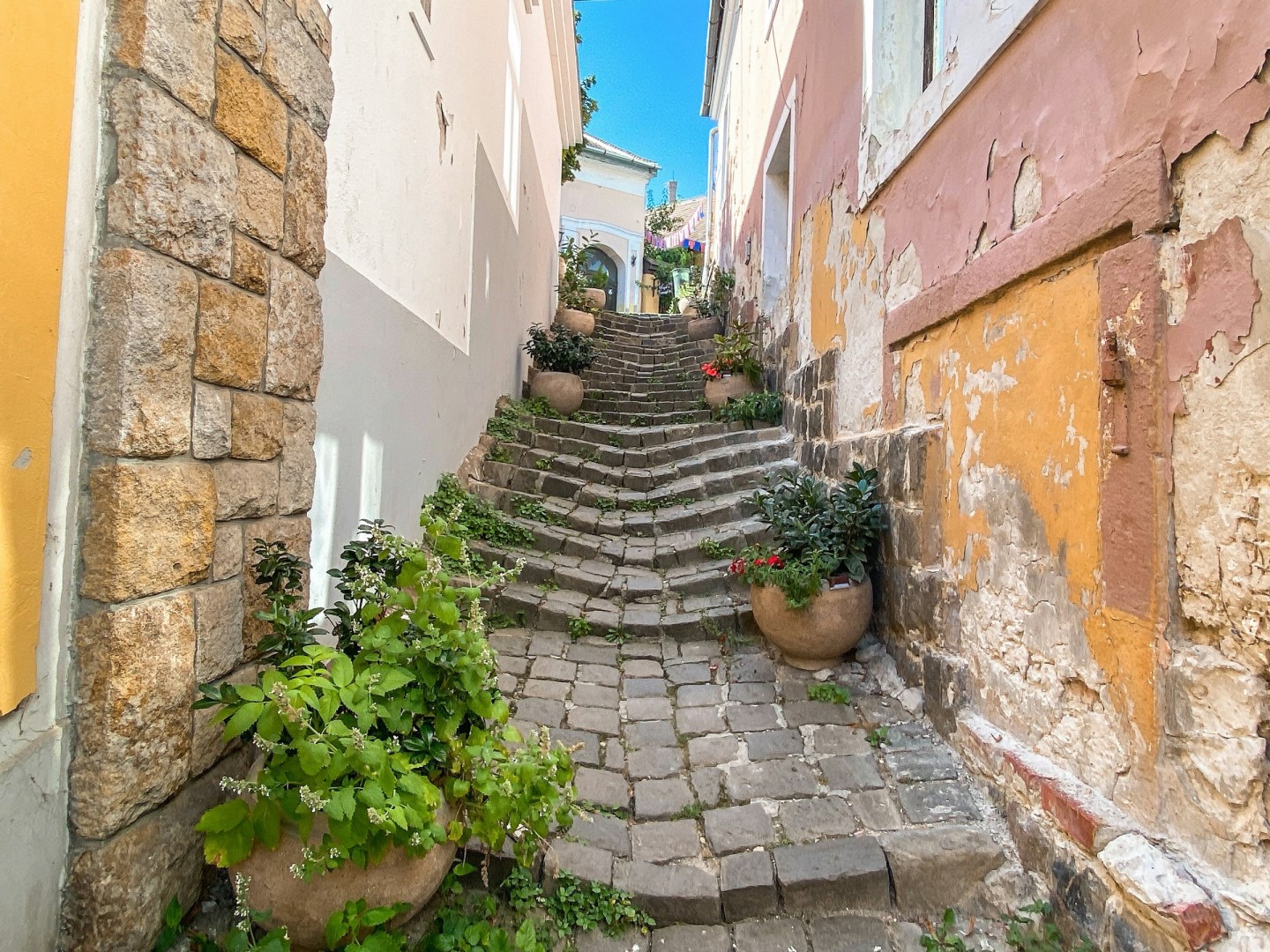
Szentendre
A beautiful baroque town with richly decorated baroque churches and a charming Main Square with a decorative wrought-iron cross.

Bioko
Bioko is a volcanic island in the Gulf of Guinea and forms the main part of Equatorial Guinea’s insular region.