Southampton
Southampton is a city shaped by the sea. Located on the southern coast of England, it has been a key maritime port for centuries. In 1912, the RMS Titanic set sail from its docks, and today, the SeaCity Museum tells the story through the lives of local residents connected to the voyage. The medieval city walls, which are some of the best-preserved in England, still stand, offering a walk through time with views of old merchant houses, towers, and hidden vaults once used to store wine and wool.
Ka'anapali, Maui
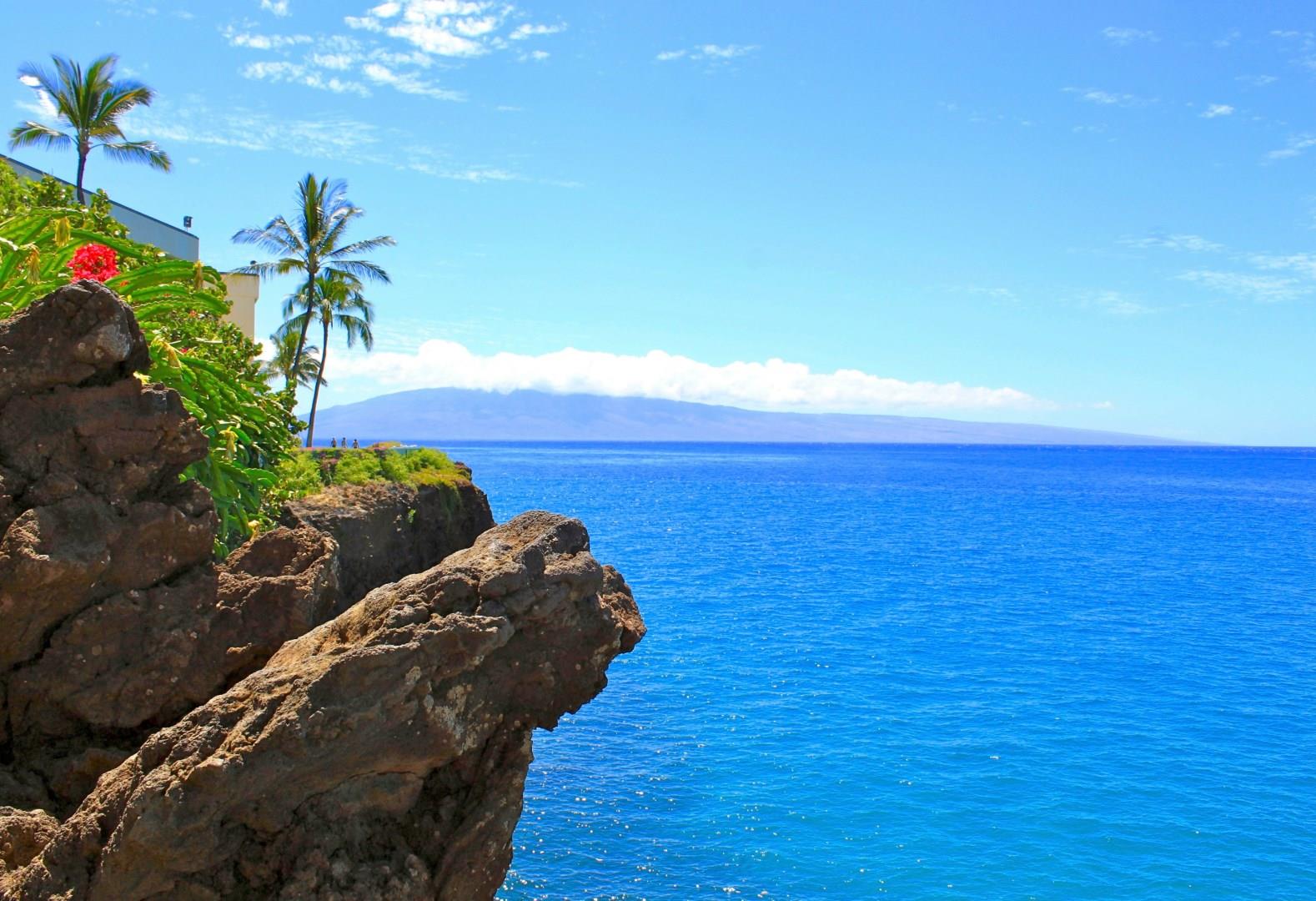
In ancient times, Kaanapali was a royal retreat for the rulers of Maui, who delighted in the perfect three-mile stretch of white sand beach, the gentle waves, warm sunny days and the majestic West Maui Mountains. Maui royalty surfed, raced their outrigger canoes, feasted at luaus that lasted for weeks, and where the Kaanapali Golf Course now blankets the land, they played ulu maika, a form of lawn bowling with heavy lava balls.

Pennsylvania
Pennsylvania offers more than just a glimpse into American history, it invites travelers to walk through it. In Philadelphia, the Liberty Bell still draws visitors from around the world, while Independence Hall, a UNESCO World Heritage Site, is where both the Declaration of Independence and the U.S. Constitution were debated and signed. Just a short walk away, modern museums like the National Constitution Center offer hands-on exhibits that connect the past to today’s civic questions.
Puerto Barrios
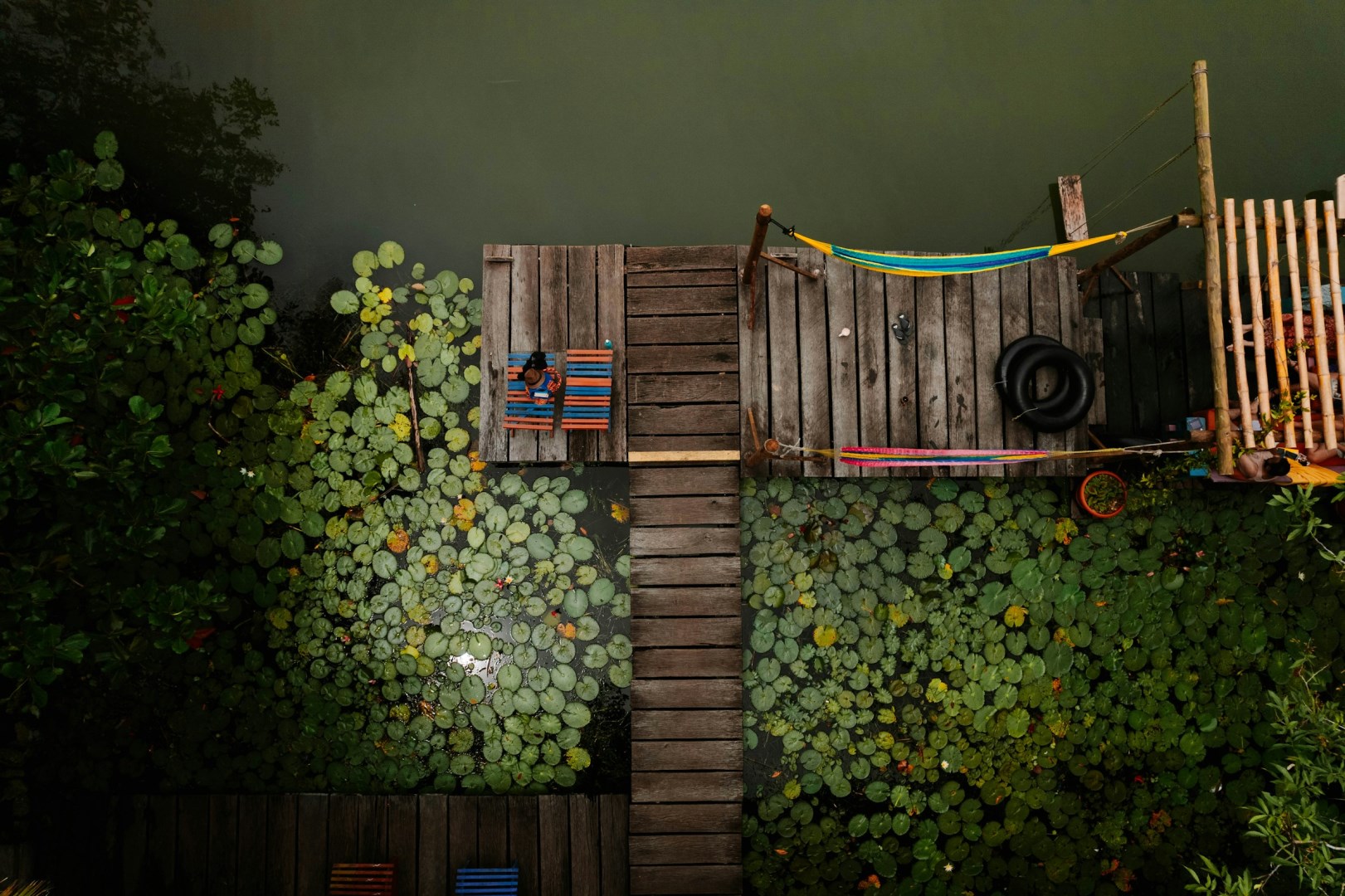
Located in the Gulf of Honduras, this area of the Mayan offers jungle tours along the Rio San Carlos or walking through the Mayan ruina at Quirigua. In ancient Mayan culture, priests used to drive sting ray spines through their tongues to appease their gods.
Amed
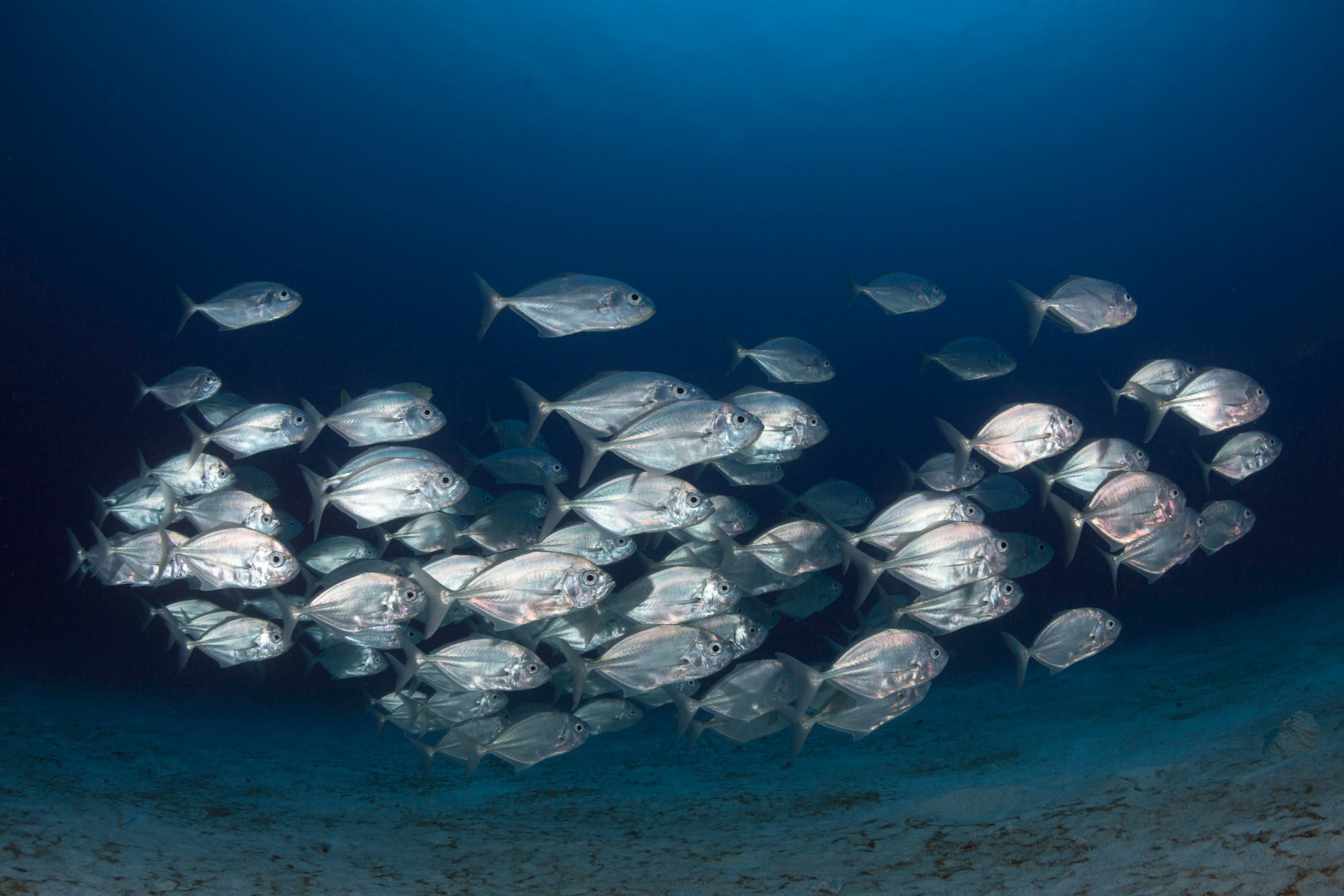
Amed is a coastal area in eastern Bali, Indonesia, stretching along the northeastern side of Karangasem Regency. The area consists of a series of small fishing villages and bays, including Amed, Jemeluk, Bunutan, and Lipah. Its landscape combines black volcanic beaches, dry hills, rice terraces, coconut palms, and views toward the Bali Sea.