Mount Kilimanjaro
Mount Kilimanjaro, located in Tanzania, stands as Africa’s highest peak and an iconic symbol of adventure. This majestic stratovolcano rises 5,895 meters (19,341 feet) above sea level, making it one of the world’s most accessible high summits. Climbing Kilimanjaro offers a unique opportunity to traverse multiple climate zones, from lush rainforests and alpine meadows to the icy summit.

Tunis
Tunis' white-washed, blue-shuttered buildings hide a treasure trove of Arabic and Ottoman art. Inspect illuminated manuscripts from the Koran, follow the twists and turns of the fascinating old Medina (inner city), marvel at the ornate Palace of Dar Ben Abduallah and the magnificent Djamaa-Ez-Zitouna Mosque, whose 184 columns were "recycled" from the rocky ruins of Carthage.
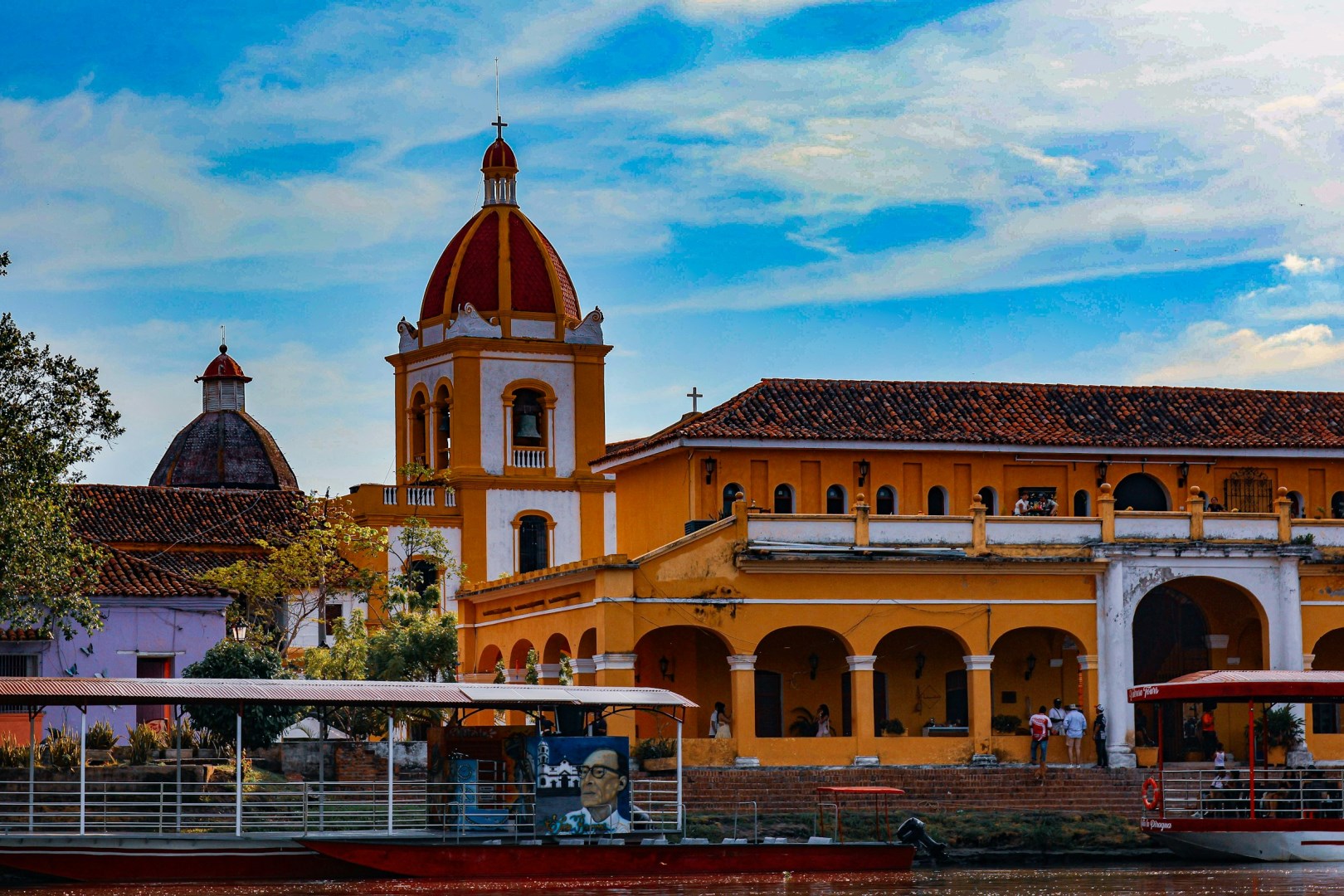
Santa Cruz de Mompox
Santa Cruz de Mompox, better known as simply Mompox (or Mompós), draws many visitors to northern Colombia with its rich history, well-preserved colonial architecture, and several annual events including its Holy Week celebrations and the Mompox Jazz Festival.
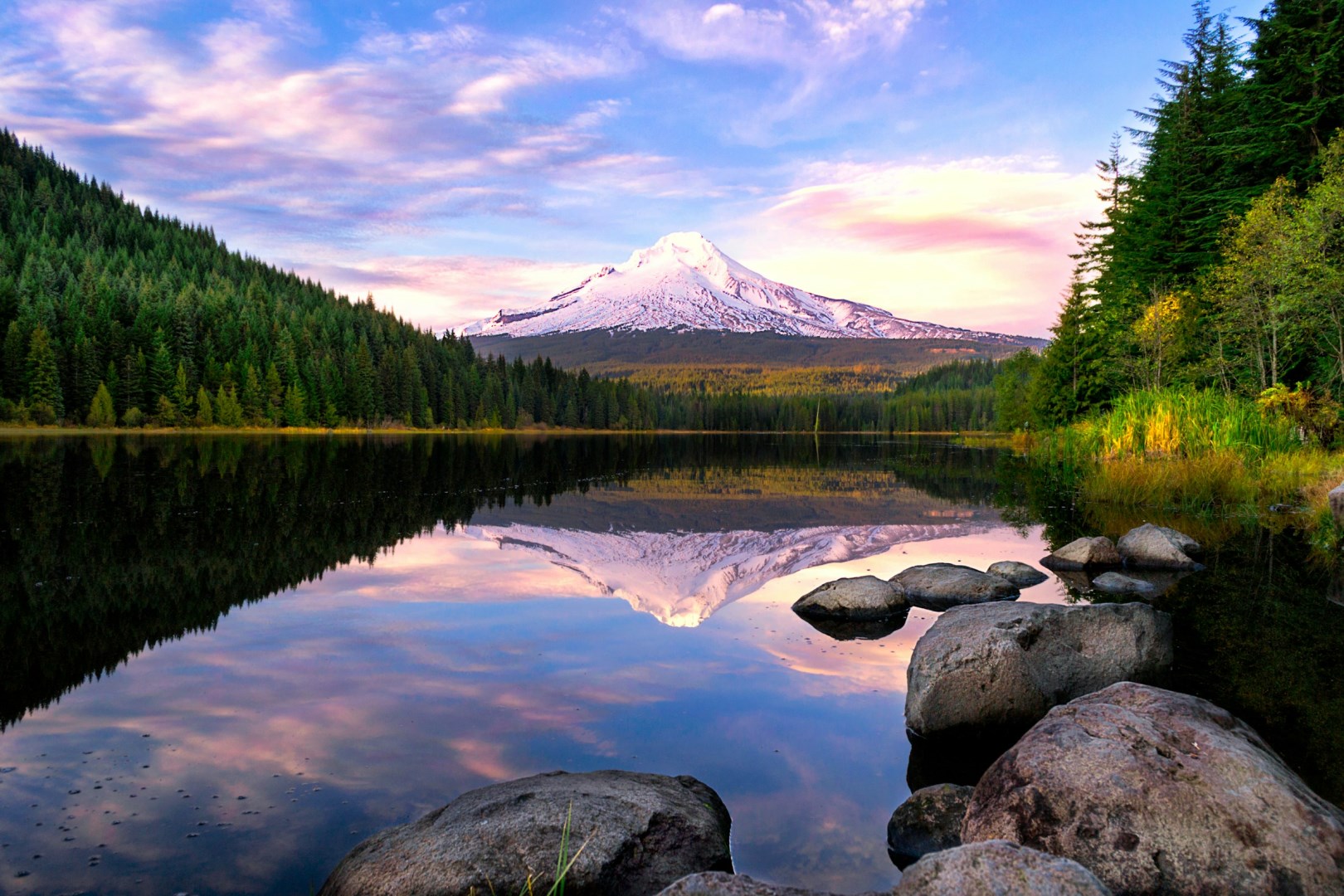
Mt Hood
Nestled in the heart of the Pacific Northwest, Mt. Hood, Oregon, is a stunning natural playground renowned for its diverse outdoor activities and breathtaking landscapes. In winter, Mt. Hood transforms into a skiing and snowboarding paradise at Timberline Lodge, which boasts the longest ski season in North America. The lodge itself is a historic gem, built in the 1930s and featured in the iconic film "The Shining."

St. Martin
St. Martin is a unique Caribbean island that blends two distinct cultures within a single destination. The northern side, Saint-Martin, is an overseas collectivity of France, while the southern side, Sint Maarten, is part of the Kingdom of the Netherlands.