Hope Bay
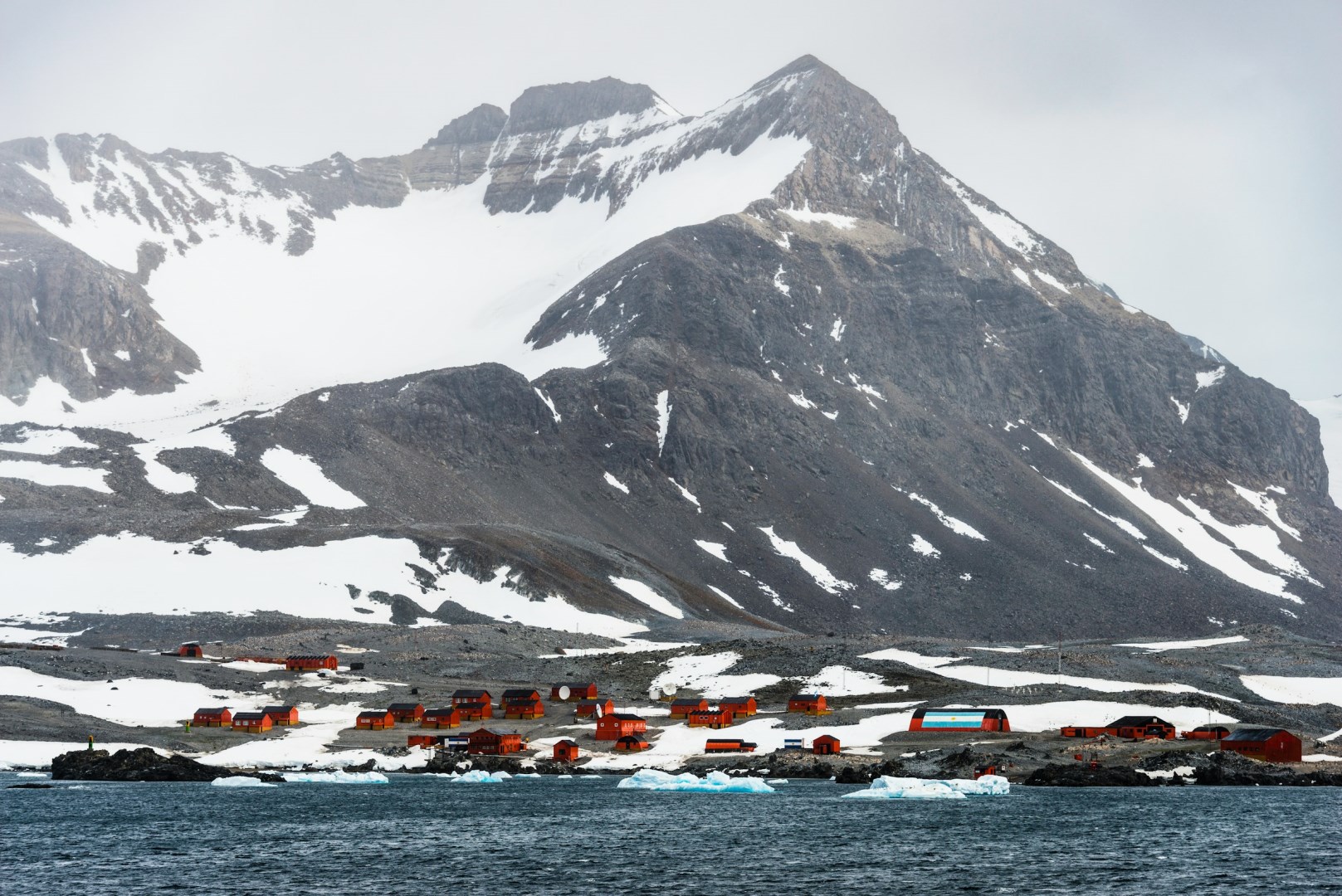
The bay’s environment supports a variety of Antarctic wildlife. Gentoo penguins breed around the shoreline, while skuas and other seabirds can be seen near the colony. Weddell seals and Antarctic fur seals may also occur in the area, particularly around beaches and sea ice. Mount Flora and the surrounding slopes provide a striking backdrop, with exposed rock contrasting against snowfields and glaciers.
Isabela
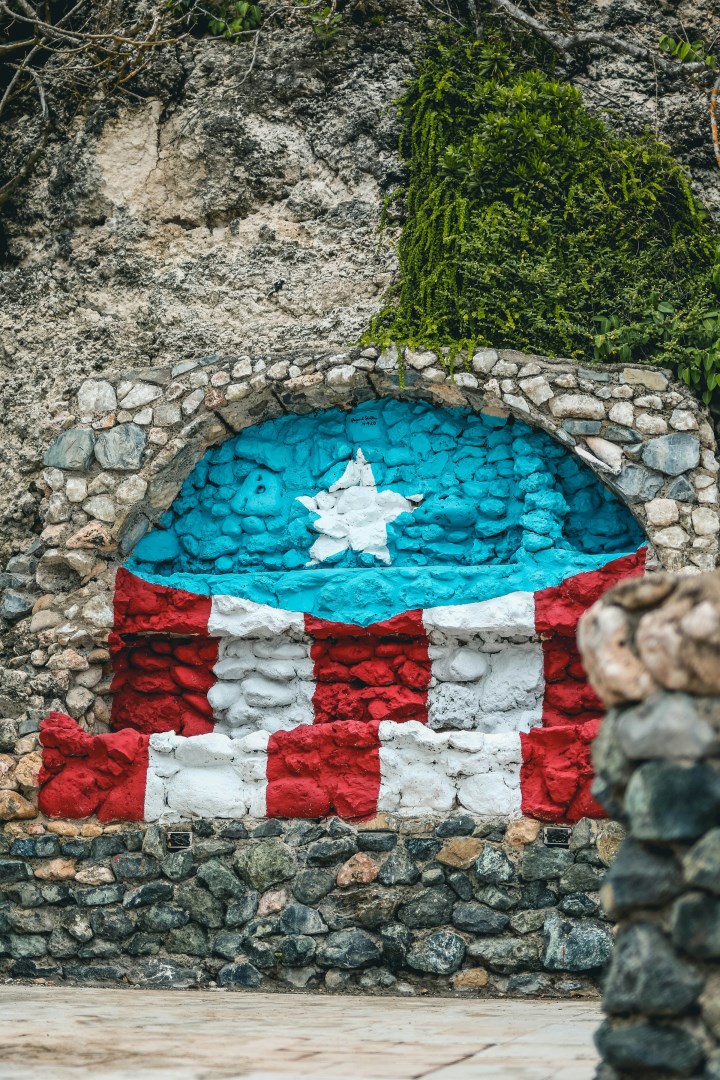
Isabela is a coastal municipality on the northwestern side of Puerto Rico, where limestone hills meet the Atlantic Ocean. Its landscape includes long beaches, rocky shores, caves, karst formations, wetlands, and areas of tropical vegetation. Isabela is often associated with surfing and other coastal activities, while inland communities retain a strong agricultural character. The municipality is sometimes called the “Garden of the Northwest,” reflecting its fertile countryside and rural landscape
Osa Peninsula
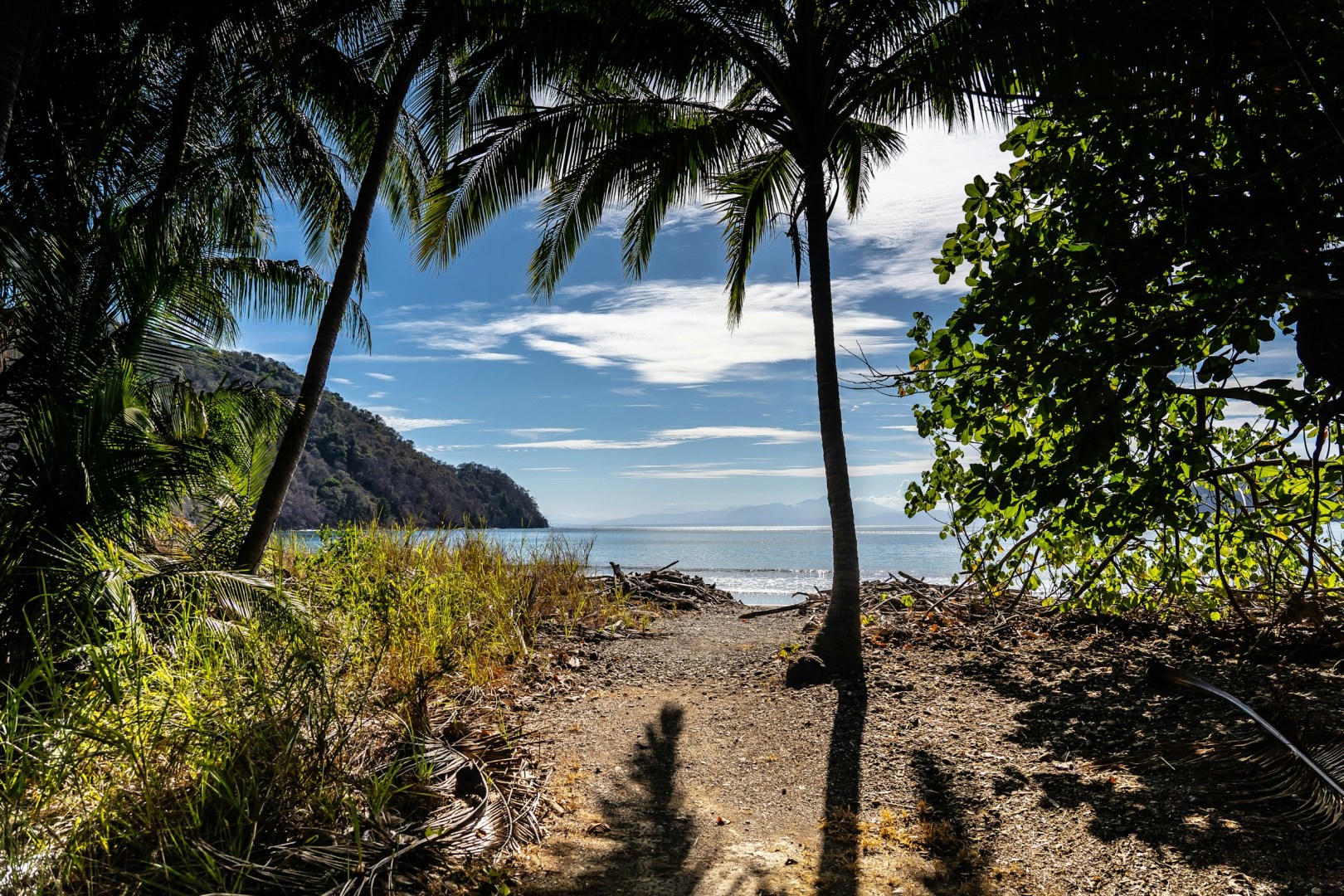
The Osa Peninsula extends into the Pacific Ocean from southern Costa Rica's Puntarenas Province, forming a remote region of rainforest, rivers, beaches, mangroves, and coastal waters. Much of the peninsula remains forested, with small communities such as Puerto Jiménez, Drake Bay, and Carate providing access to the surrounding landscape.

Paro
Paro, Bhutan, is a serene valley town that offers a gateway to the mystical charm of the Land of the Thunder Dragon. Nestled amidst verdant hills and bisected by the glistening Paro Chhu river, Paro is home to some of Bhutan’s most iconic landmarks and cultural treasures. At the heart of this picturesque valley stands the majestic Paro Dzong, or Rinpung Dzong, a fortress-monastery with a history dating back to the 17th century.

Mâcon
Mâcon is a riverside town in the Saône et Loire department of southern Burgundy, set where the Saône River curves gently through the countryside. Walking through the town naturally leads visitors from the riverfront toward its historic streets, where the past seems to linger in every corner. In the heart of Mâcon’s historic district, pedestrians find streets lined with notable sites.