Dominica
Dominica, known as the “Nature Island of the Caribbean,” is a haven for eco-tourists and adventure seekers. Nestled between the French islands of Guadeloupe and Martinique, this lush island boasts a remarkable landscape of volcanic mountains, dense rainforests, and stunning waterfalls. Dominica’s most iconic natural wonder is the Boiling Lake, the second-largest hot spring in the world.
Lake Powell
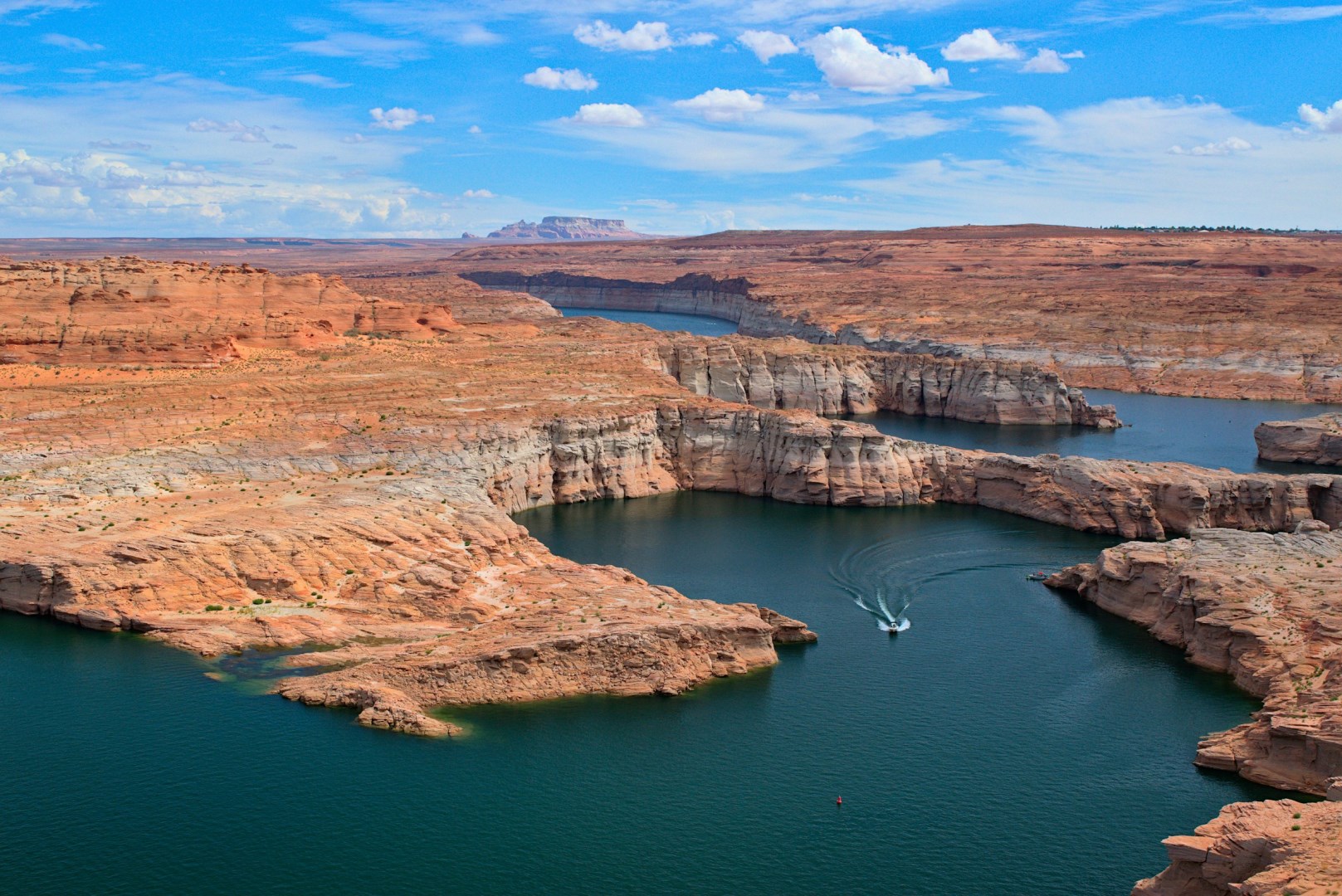
Lake Powell is a large reservoir on the Colorado River, extending through northern Arizona and southern Utah within Glen Canyon National Recreation Area. Near the Arizona community of Page, its blue water winds through a maze of red-rock canyons, mesas, cliffs, and narrow side channels. At full pool, the lake stretches about 186 miles and has nearly 2,000 miles of shoreline, although water levels vary considerably. Created by Glen Canyon Dam, Lake Powell is one of the largest man-made lakes in N

La Digue
La Digue, the fourth-largest island in the Seychelles, offers a quintessential tropical paradise experience. Known for its idyllic beaches and charming laid-back atmosphere, La Digue is a haven for nature lovers and those seeking a serene escape. The island’s most iconic beach, Anse Source d'Argent, is renowned for its stunning granite boulders and crystal-clear waters, making it one of the most photographed beaches in the world.
Streymoy
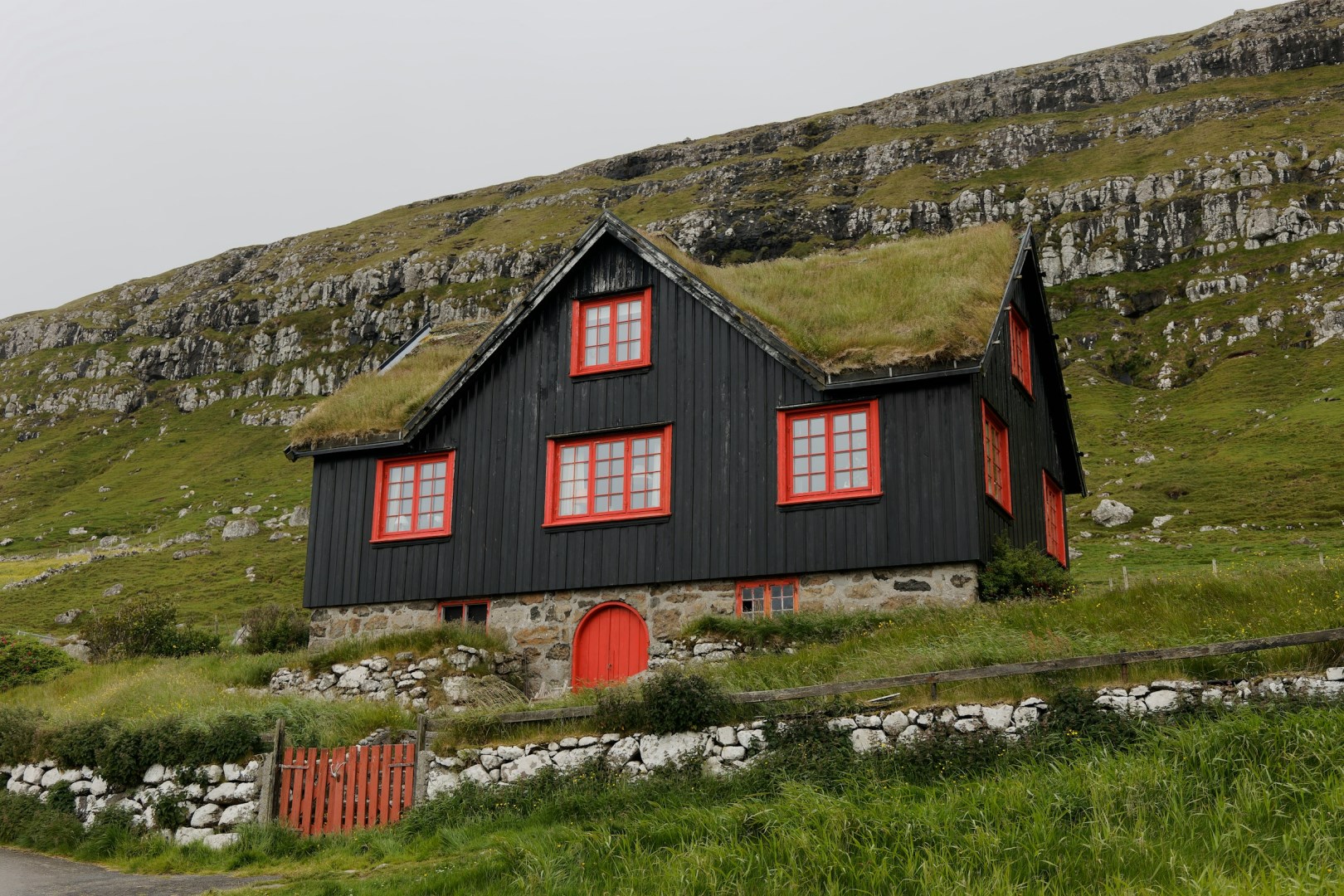
Streymoy is the largest and most populated island in the Faroe Islands, forming a central part of the archipelago and home to the capital, Tórshavn. Its landscape combines steep mountains, deep fjords, grassy valleys, and exposed coastal cliffs, with settlements concentrated along sheltered shorelines. The island is connected to neighboring islands by bridges, tunnels, ferries, and causeways, making it an important center for travel across the Faroes.
Carroll
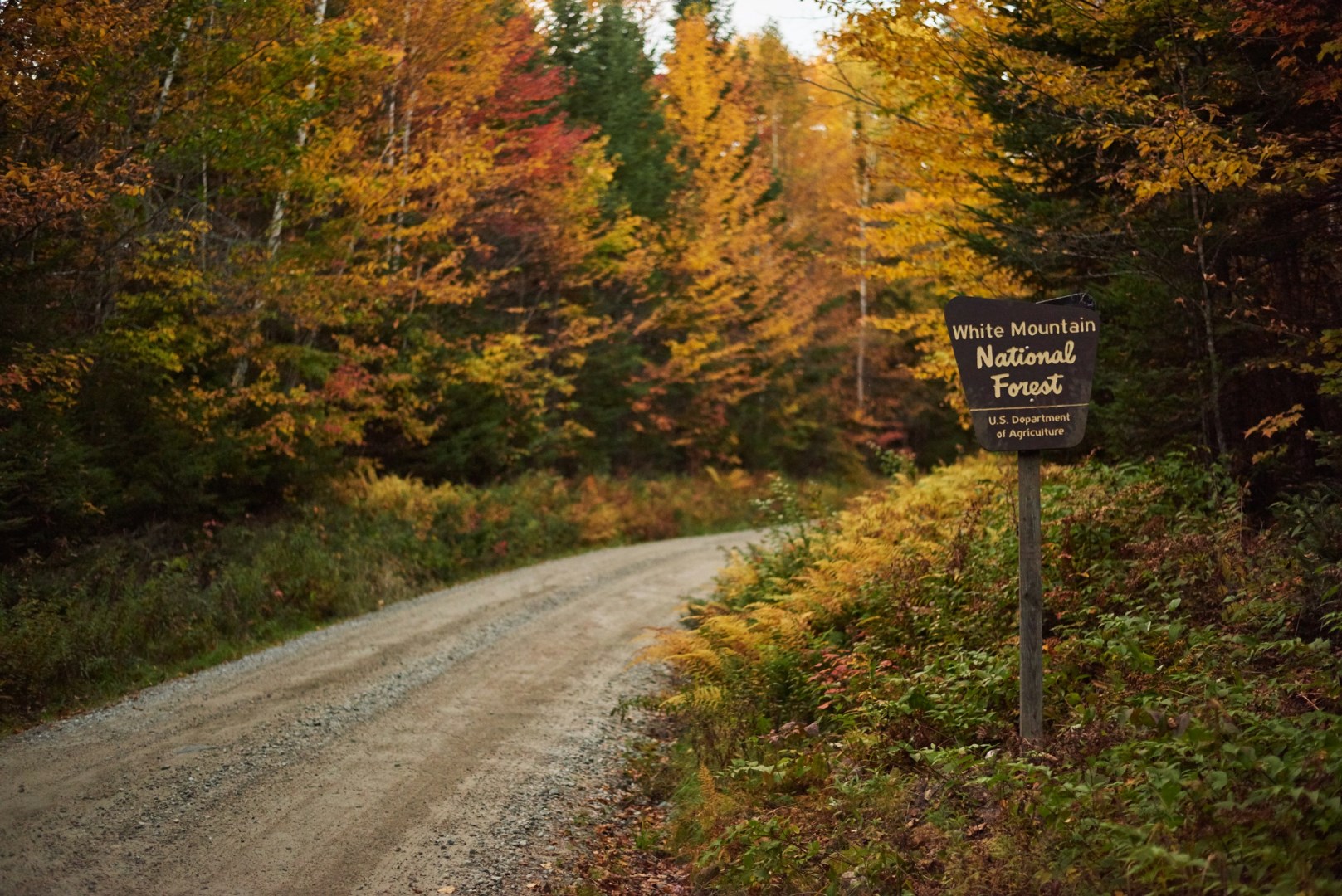
Carroll is a small town in northern New Hampshire within the White Mountains region, known for its forested slopes, mountain views, and proximity to several major outdoor attractions. The town includes the village of Twin Mountain, which sits near the junction of several roads crossing the northern White Mountains. Its landscape is shaped by the Ammonoosuc River and surrounding peaks, including Mount Washington farther east.