Islamic and French influences blend together in charming Casablanca, Morocco’s iconic coastal city. Frequently used as a port for Spanish and Mediterranean cruises, Casablanca lies halfway between Marrakesh and Fes and is the perfect entryway for exploring the rest of Morocco.
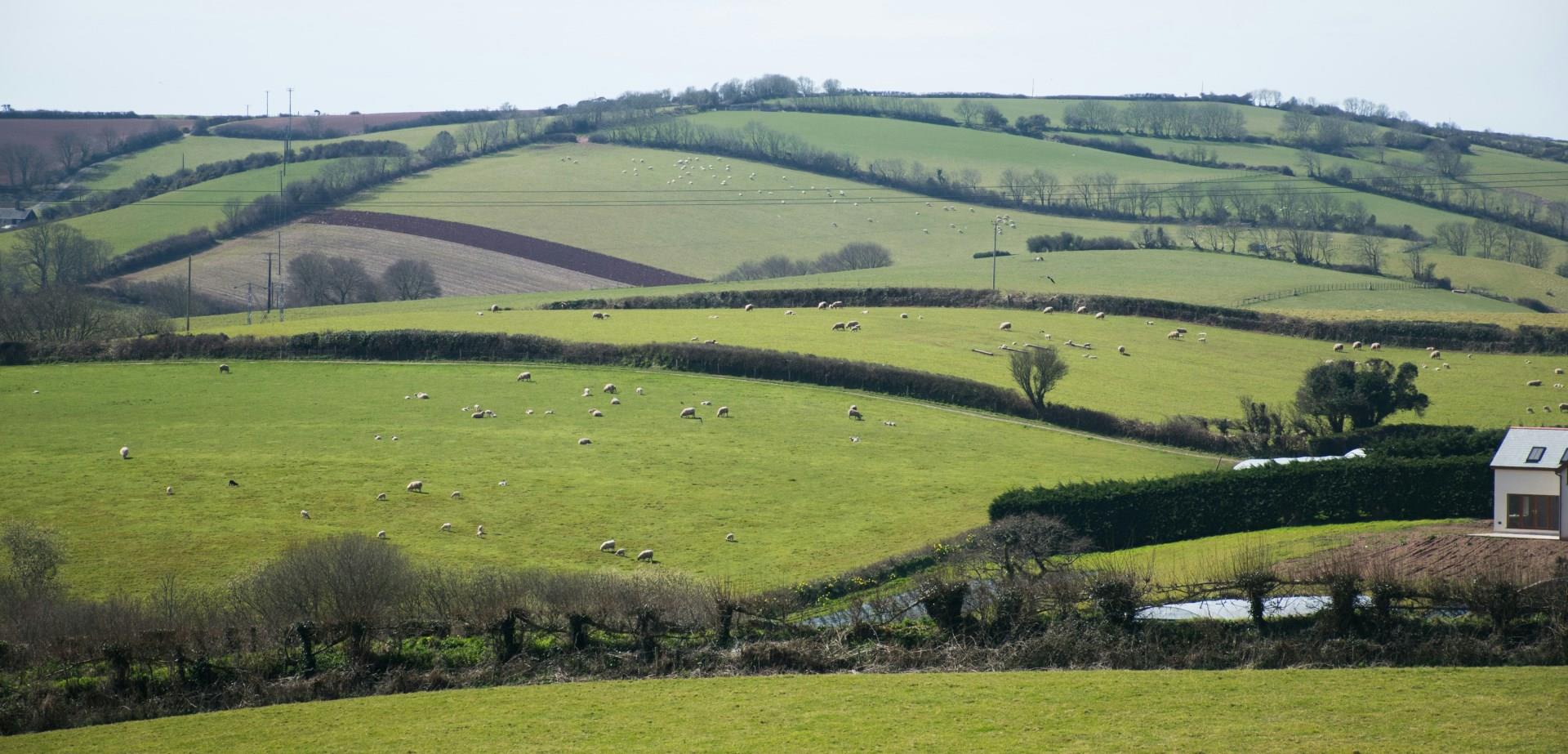
Devon occupies England’s southwest peninsula, a county shaped by seafaring, farming, and long continuity of settlement. Its history stretches from prehistoric sites on Dartmoor through Roman roads and medieval ports to towns that grew wealthy on trade and shipbuilding.
Greenock, located on Scotland’s scenic west coast, is a town steeped in maritime and industrial history, with its historic waterfront and Victorian architecture offering a glimpse into its prosperous past. Once a shipbuilding powerhouse, the town’s legacy is visible in landmarks like James Watt Dock and the Old West Kirk, while the nearby Greenock Cut offers a peaceful escape for walking and cycling, framed by stunning views of rolling hills and the River Clyde.
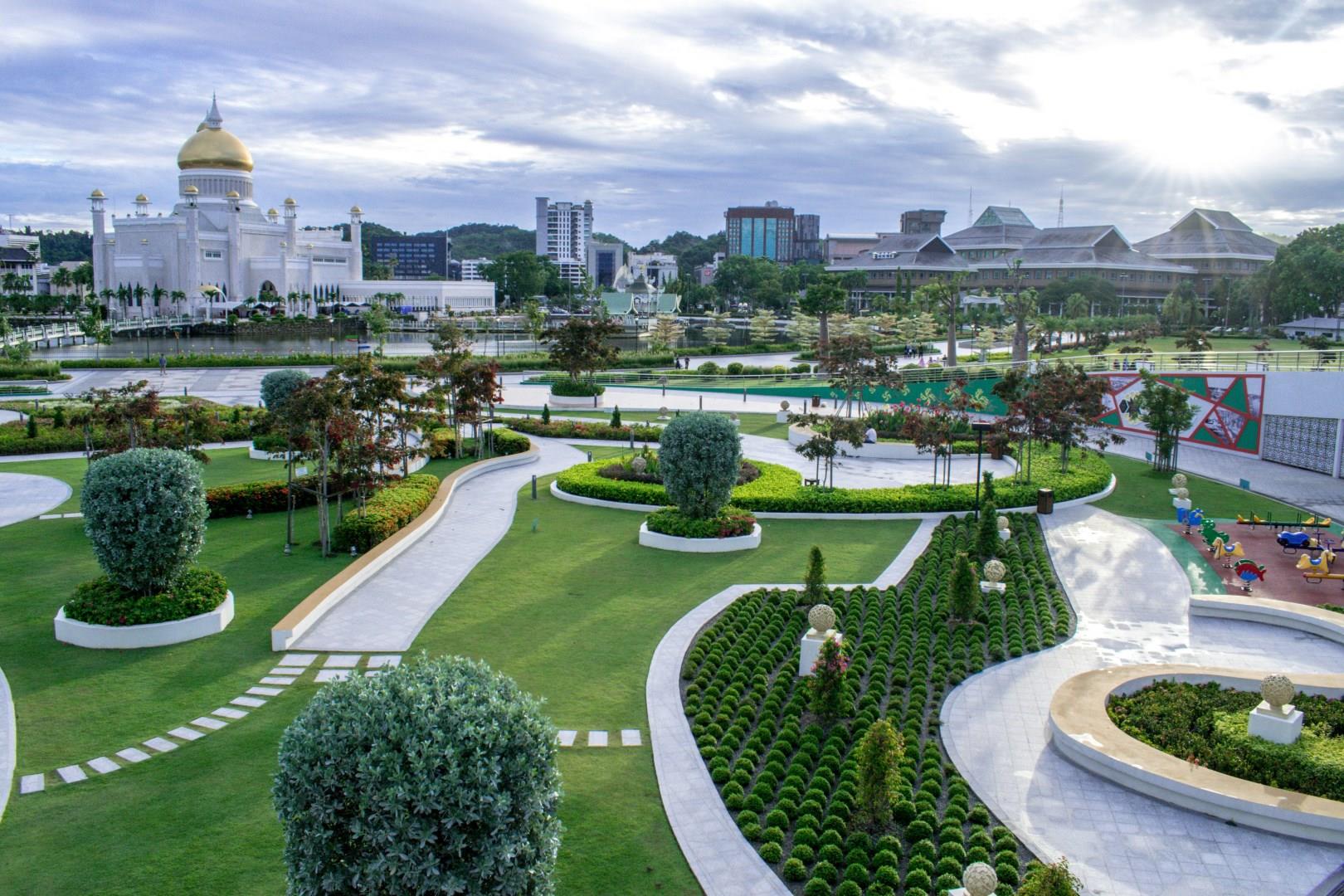
Brunei is a small country on the island of Borneo known for its wealth, tropical rainforests, and rich cultural heritage. The country’s landscapes are a mix of dense jungles, rivers, and coastal mangroves, offering a peaceful environment where nature remains largely intact.
Portofino, Italy, is a jewel on the Italian Riviera, famed for its colorful buildings, glamorous yachts, and charming harbor. This picturesque fishing village, with its pastel-colored houses that cascade down to the emerald-green waters, exudes a quaint yet luxurious atmosphere. The Piazzetta, the heart of Portofino, is a lively square where visitors can sip an espresso or enjoy fresh seafood while watching the elegant boats bobbing gently in the harbor.
Photo Credit: hoto by Wim van 't Einde on Unsplash
Photo Credit: Photo by Abbas Jamie on Unsplash
Photo Credit: Photo by Hongbin on Unsplash
Photo Credit: Photo by Mohamed Abira on Unsplash
Photo Credit: Photo by Hongbin on Unsplash
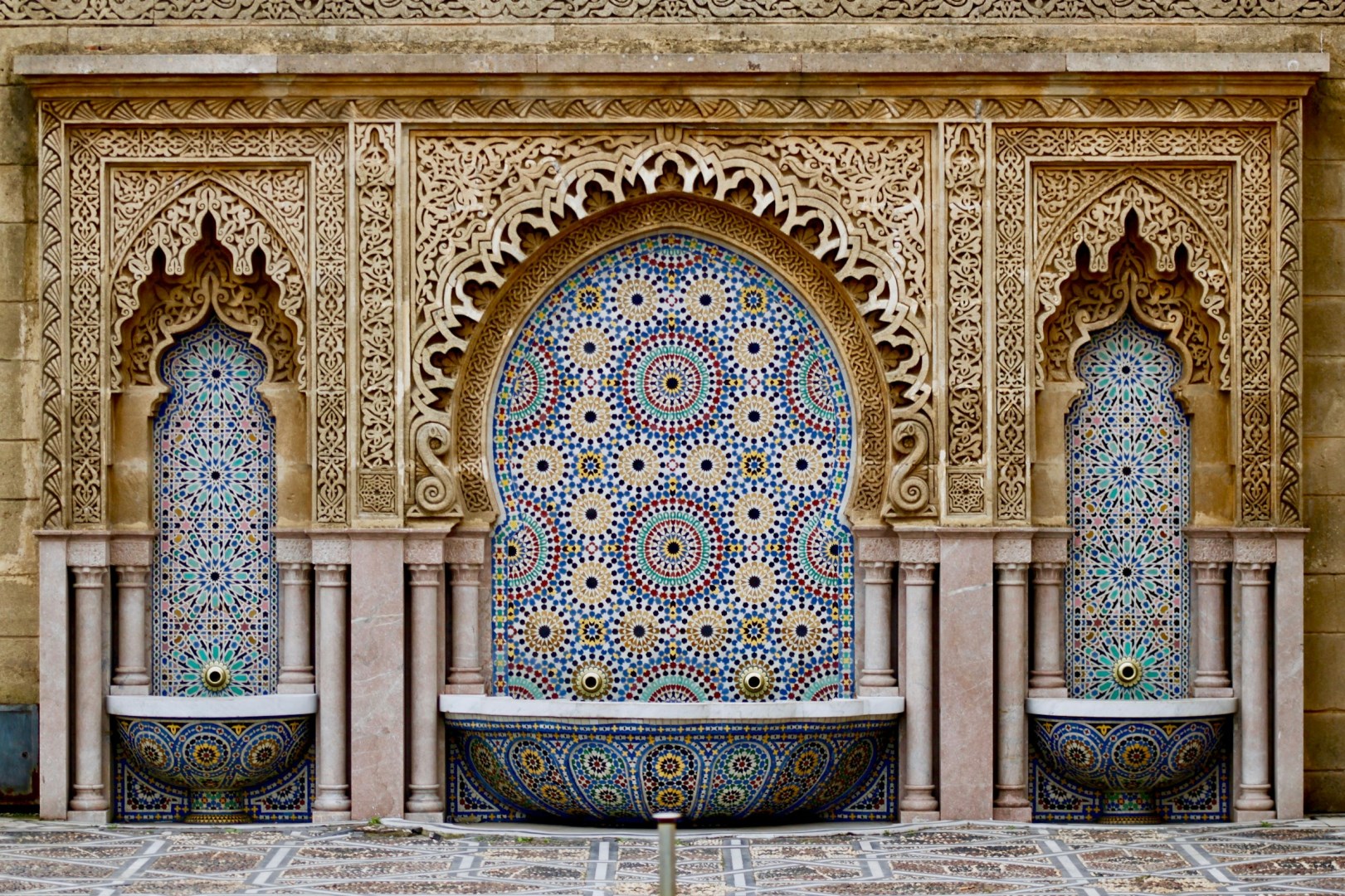
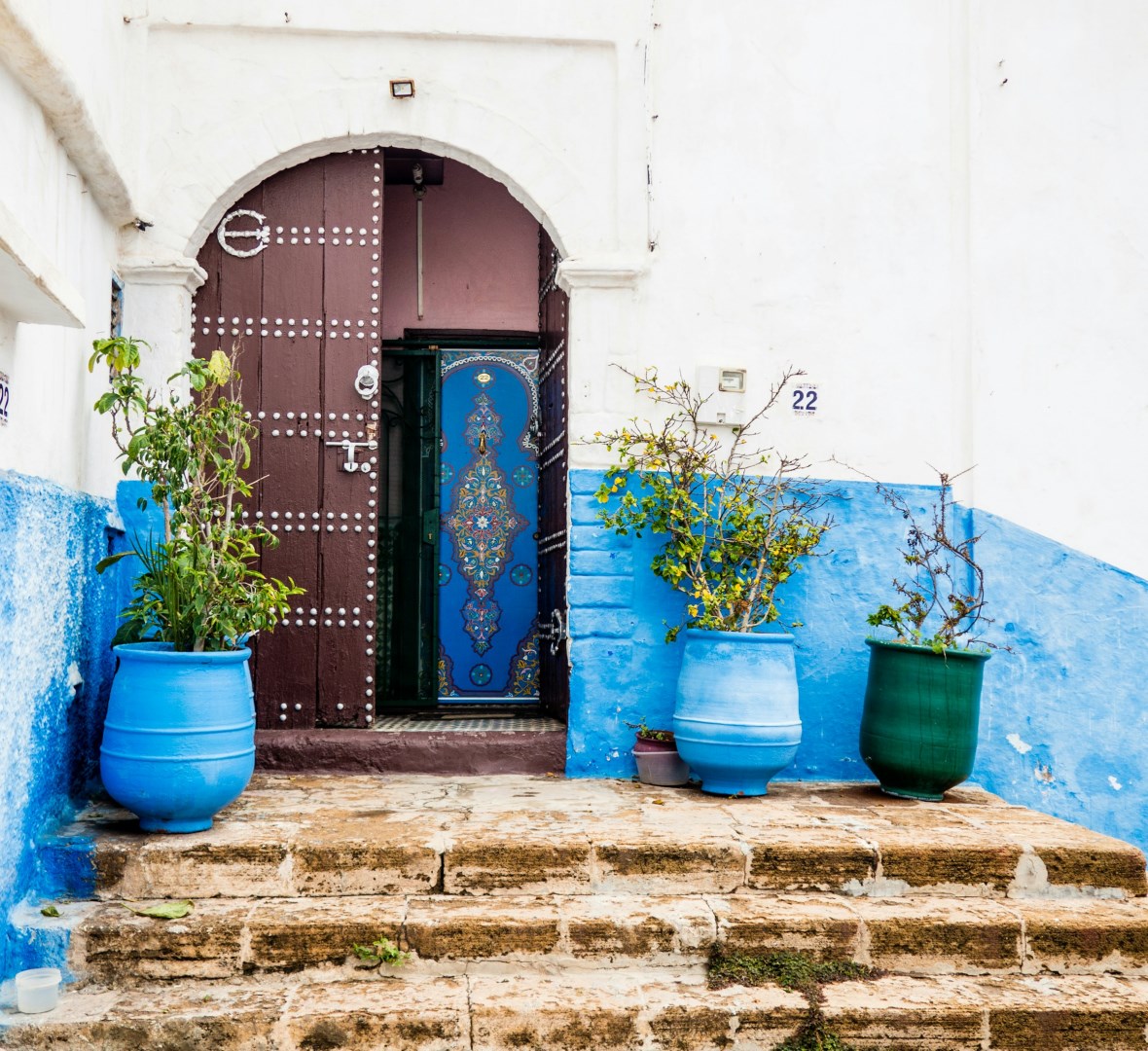
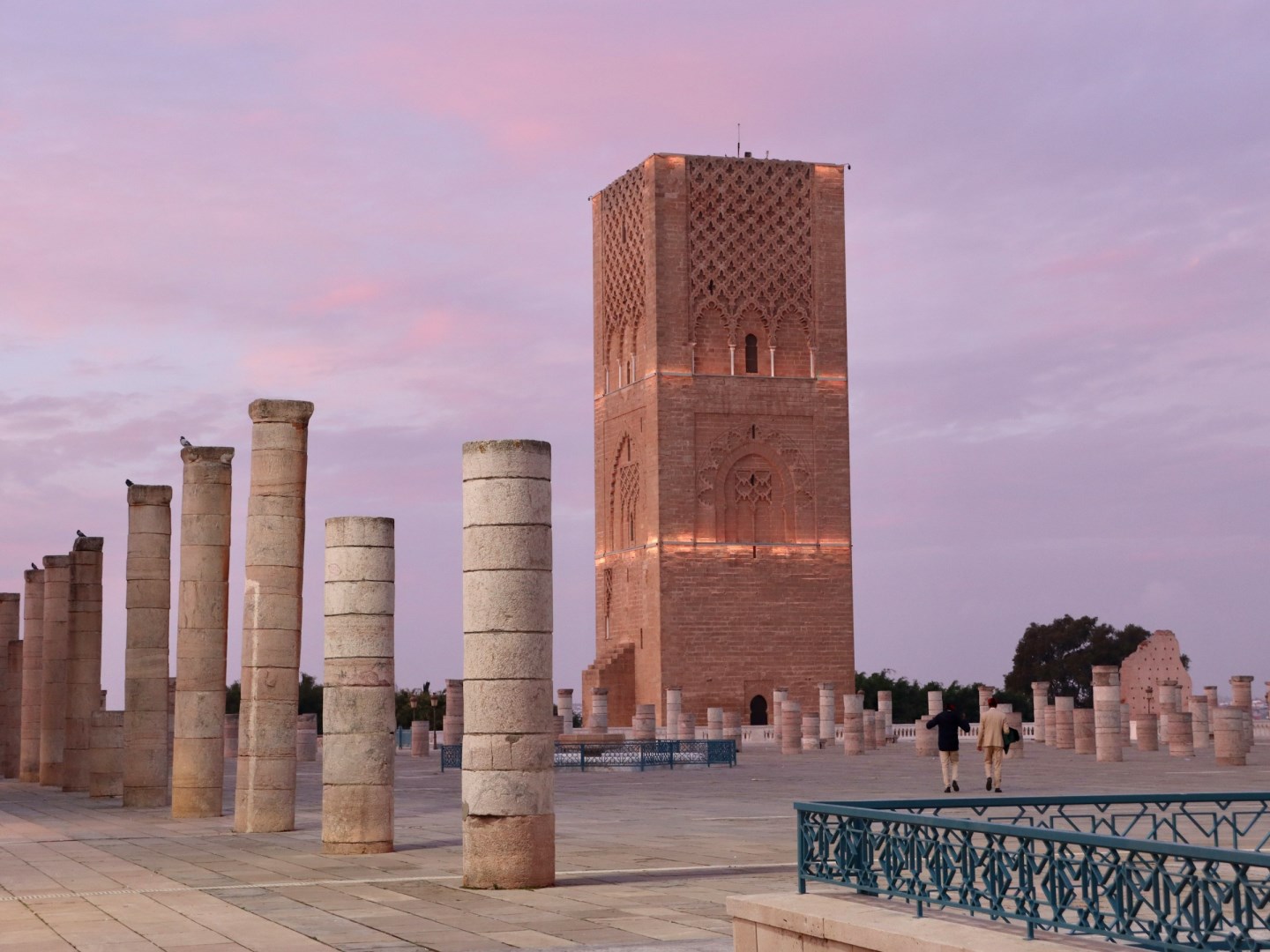
Rabat, the capital of the kingdom of Morocco, is located on the edge of the Atlantic Ocean on the left bank of the Bou Regreg Estuary. A city of trees and flowers, Rabat combines peace, beauty and Serenity, and is steeped in history. It is the residence of the King and the seat of government and embassies. Hassan II Avenue follows the Undulations' Wall, built in the seventeenth century, and separating the modern city from the medina.
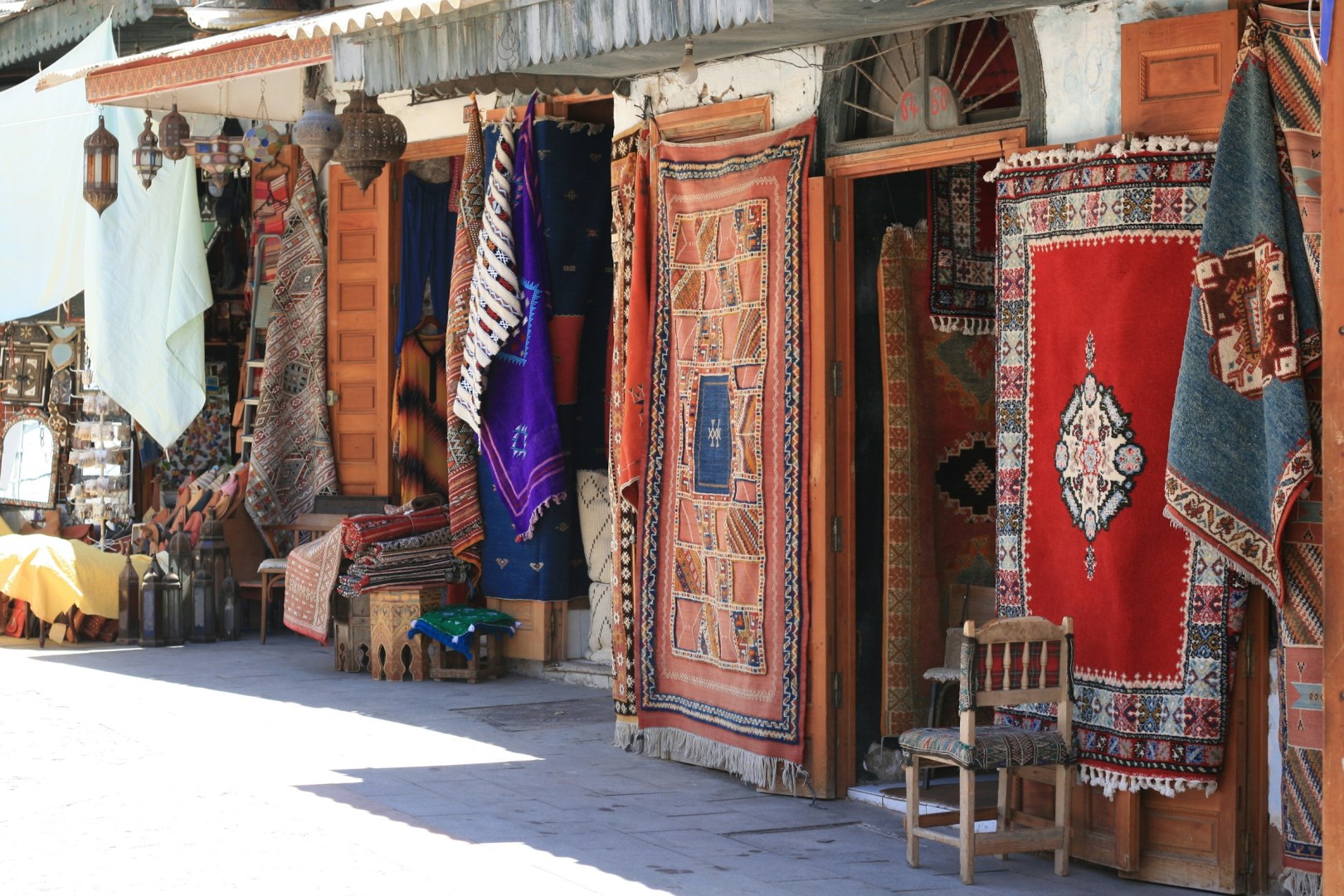
Souika Street is the main artery in the medina. The many foundouks (traditional cafes) and shops always give this axis a very lively atmosphere. The babuche and Moroccans leather ware sellers occupy "Sebbat Souk" (the footwear market), which is easily distinguished by the mat roofing. Going along Consules Street, where foreign diplomats lived until 1912, you will find curiosities, souvenirs and traditional Moroccan items: worked copper, worked leather, silk embroidery, Sale mats and the famous Rabat carpets.
Other Popular Destinations in Morocco
Marrakesh
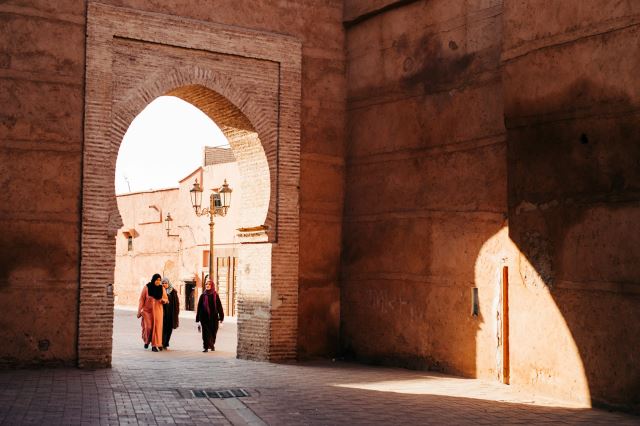
Marrakesh, a vibrant jewel in the heart of Morocco, is a city where ancient traditions blend seamlessly with modern allure. Known as the "Red City" for its rose-hued buildings and walls, Marrakesh offers a sensory experience unlike any other. The city’s medina, a UNESCO World Heritage Site, is a labyrinth of narrow alleyways, bustling souks, and hidden courtyards.
Fès
A series of gates surrounds the two centers of ancient, medieval Fez (sometimes spelled Fes). The principal axes link the center to the gates and a street surrounds the heart of the old city. The Kairouan quarter, which is longer, is crossed by an artery. Narrow, tortuous pedestrian streets, covered passages, stairs and numerous dead-ends make up the dense layout with few urban squares.