Haiti offers visitors a unique glimpse into a proud and resilient heritage. Its vibrant art, music, and traditions make it a destination unlike any other in the Caribbean.
Roses is a coastal town in Catalonia’s Alt Empordà, positioned at the eastern edge of the Iberian Peninsula where the Pyrenees meet the Mediterranean. Its broad bay opens toward the Cap de Creus peninsula, giving the town a landscape of beaches, rocky headlands, and low coastal hills. Roses has a strong maritime identity, with a fishing port operating alongside a marina and a long seafront promenade.
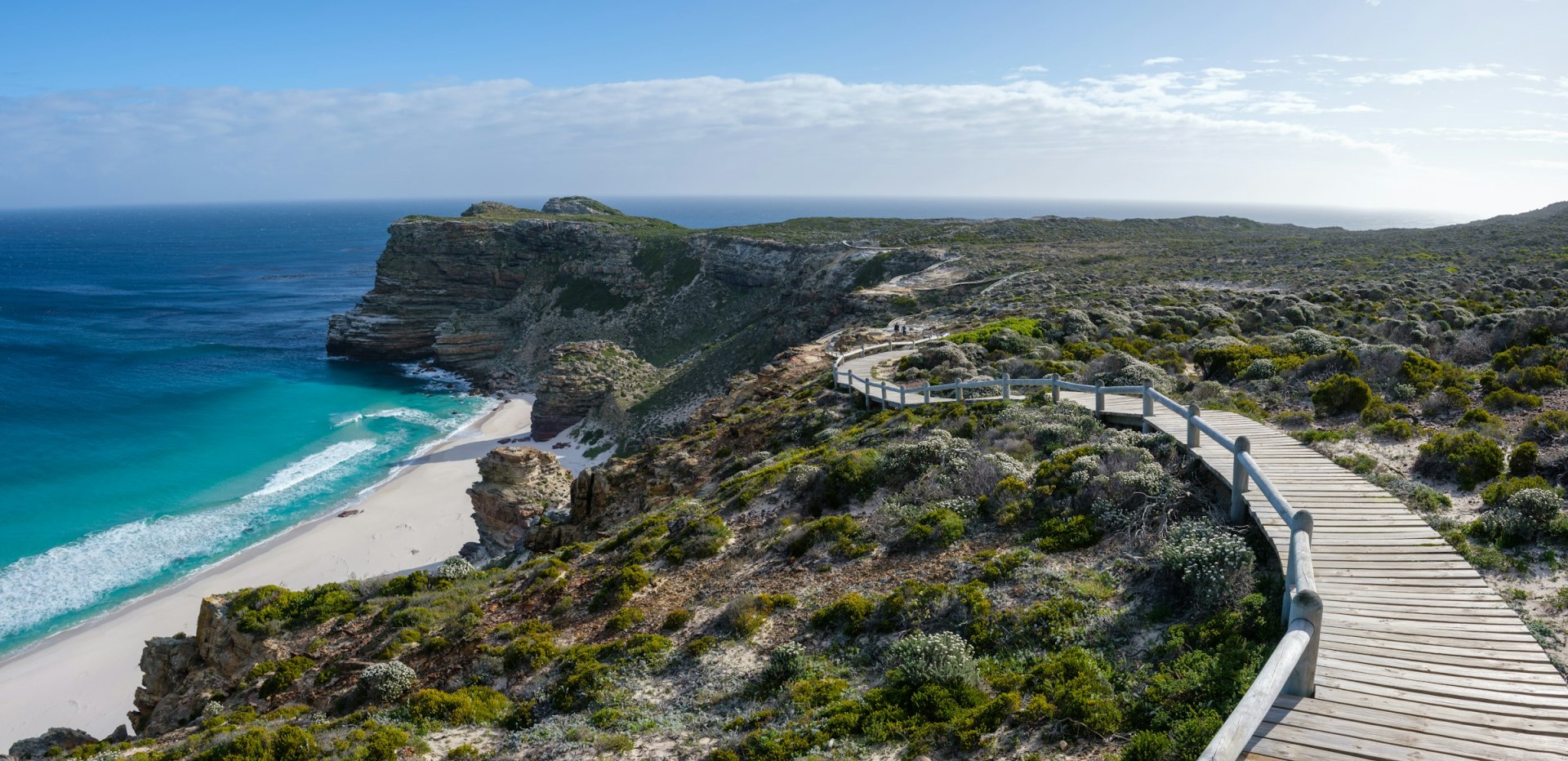
Cape Peninsula is the mountainous, coastal region extending south from Cape Town into the Atlantic Ocean and False Bay. Its landscape combines Table Mountain, rocky headlands, sandy beaches, forests, and open fynbos-covered slopes. Table Mountain National Park runs along much of the peninsula, protecting the mountain chain and coastline from Signal Hill to Cape Point.
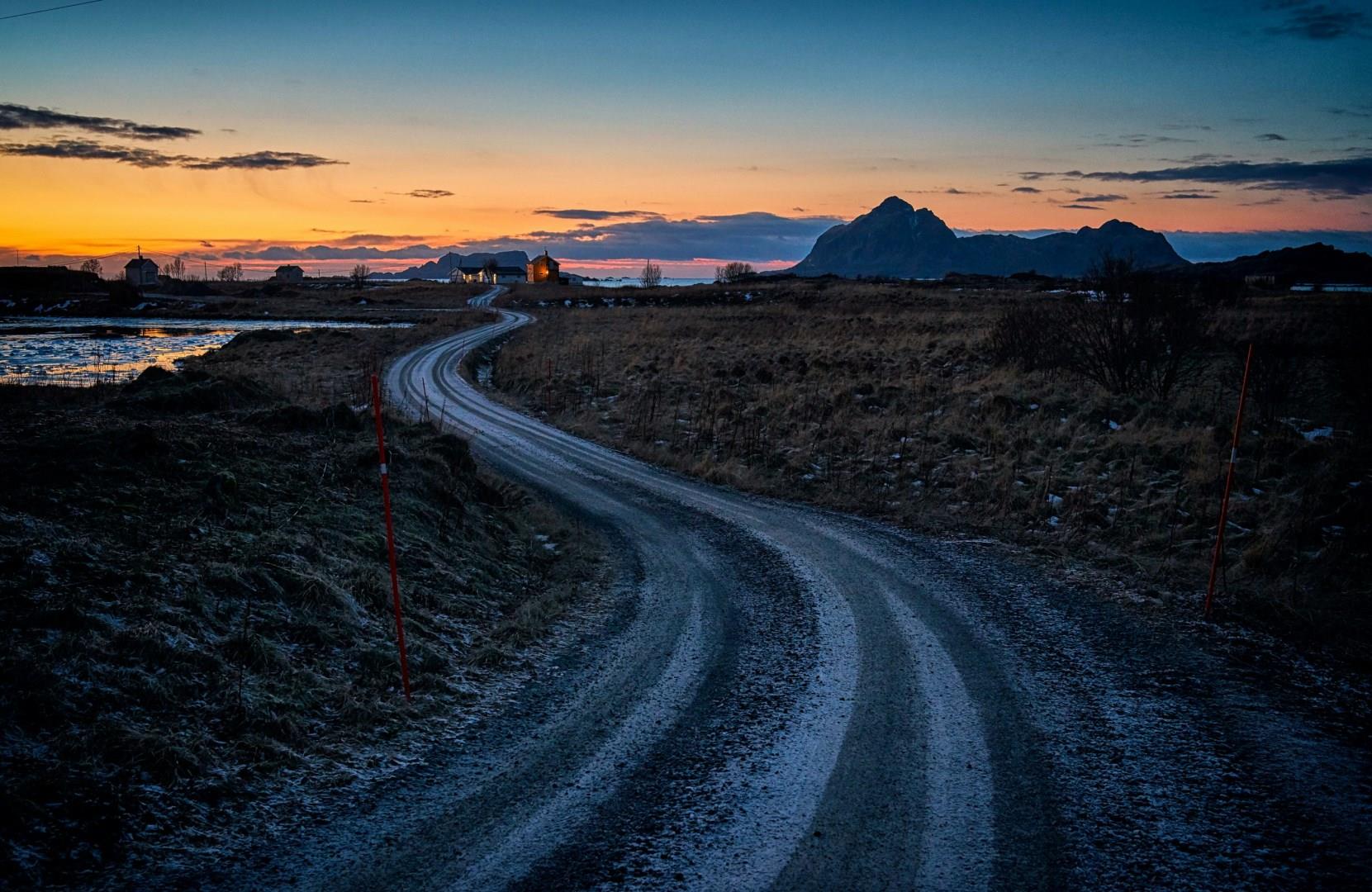
Vesteralen is a coastal archipelago in northern Norway, located just north of the Lofoten Islands, known for its wide-open landscapes, dramatic skies, and strong ties to the sea. Historically shaped by fishing and seafaring, the region’s communities developed around sheltered harbors and seasonal fisheries, particularly for cod.
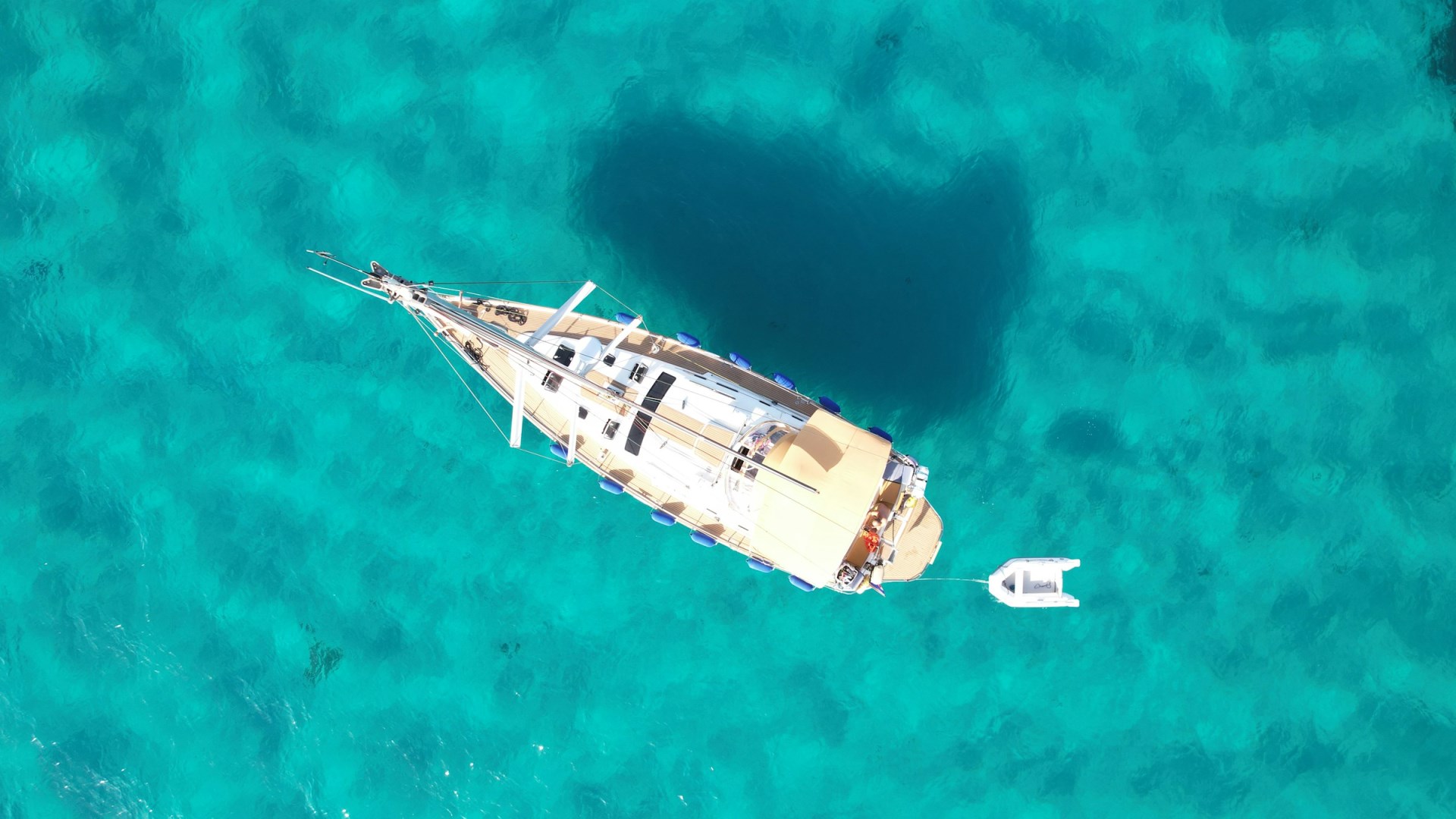
A picturesque village situated in a forgotten inlet, Porto Cervo is the main resort on the Costa Smeralda. This popular resort offers all types of sports and leisure facilities (water sports, tennis courts, internationally famous tourist harbour, and restaurants, night clubs, discos and luxurious boutiques), as well as white sandy beaches alternating with reefs.
Photo Credit: hoto by Wim van 't Einde on Unsplash
Photo Credit: Photo by Abbas Jamie on Unsplash
Photo Credit: Photo by Hongbin on Unsplash
Photo Credit: Photo by Mohamed Abira on Unsplash
Photo Credit: Photo by Hongbin on Unsplash
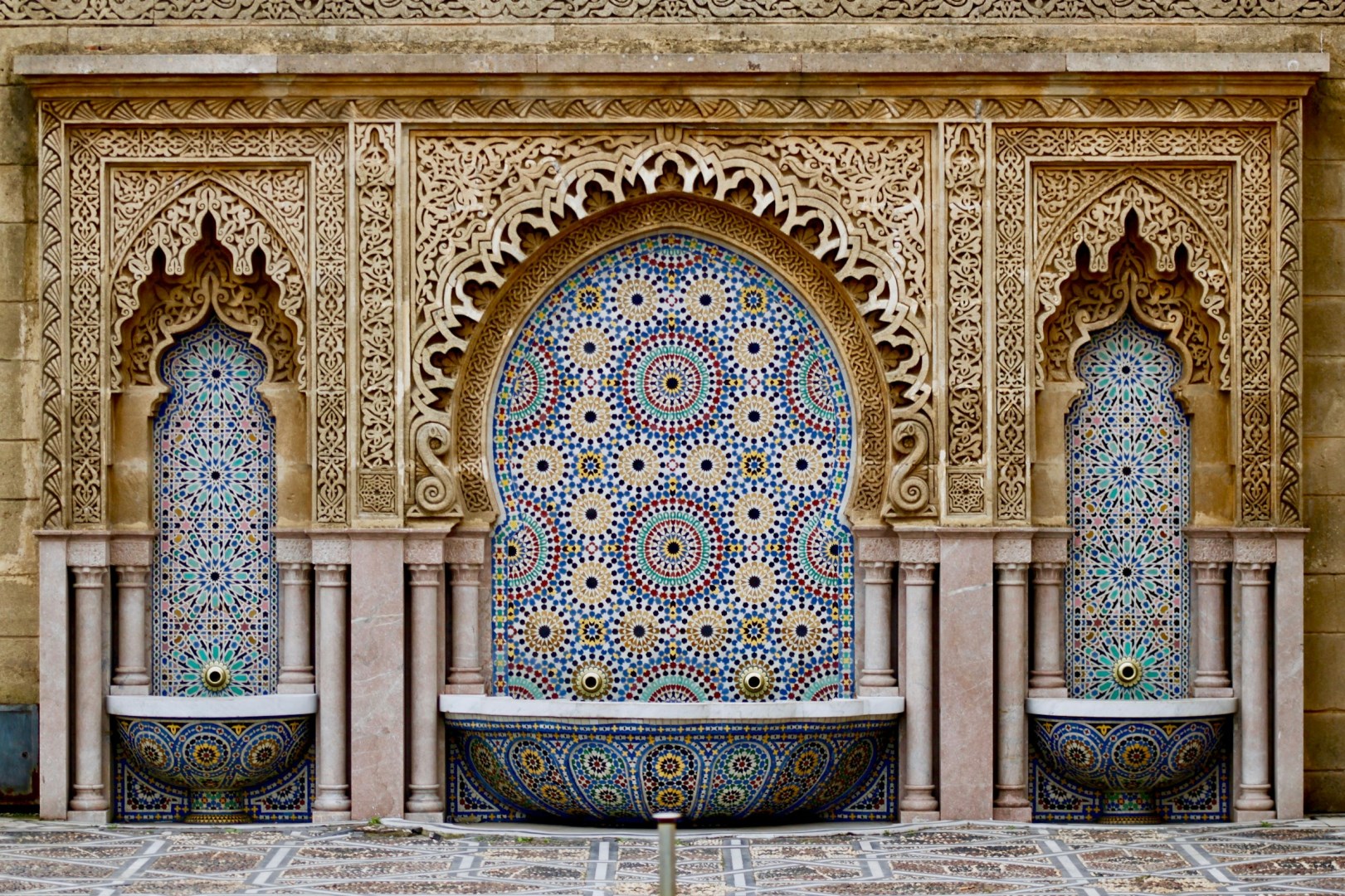
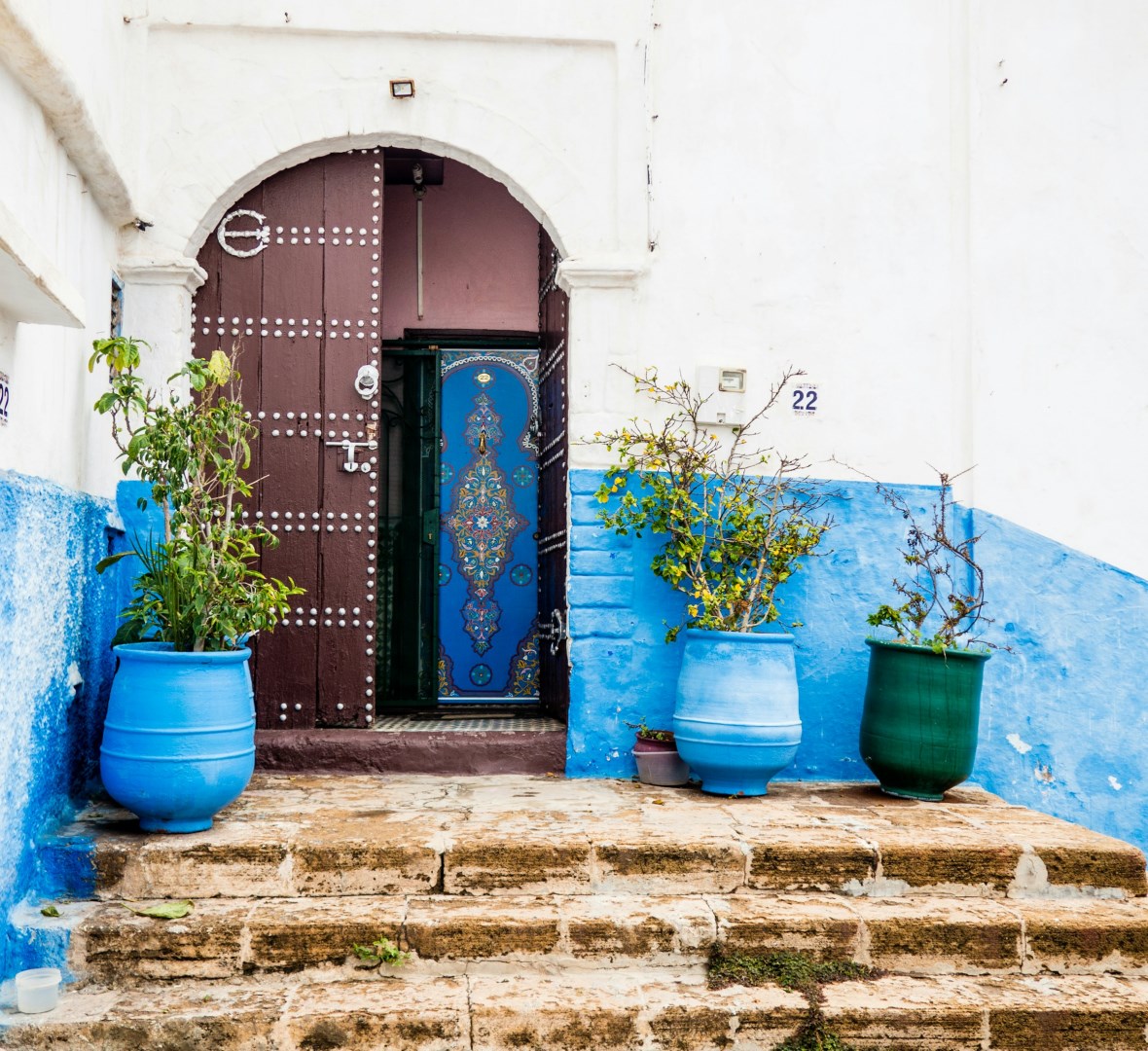
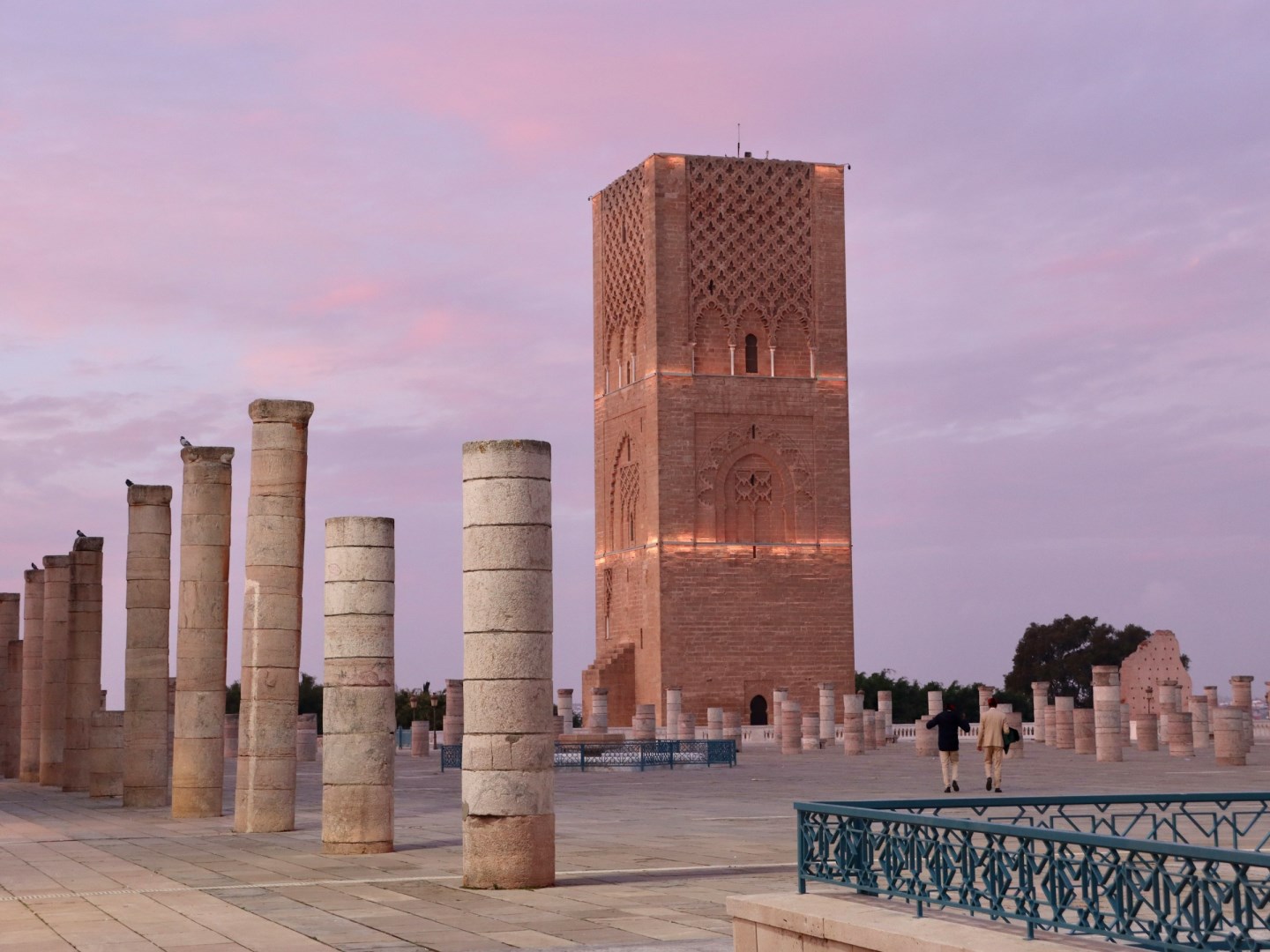
Rabat, the capital of the kingdom of Morocco, is located on the edge of the Atlantic Ocean on the left bank of the Bou Regreg Estuary. A city of trees and flowers, Rabat combines peace, beauty and Serenity, and is steeped in history. It is the residence of the King and the seat of government and embassies. Hassan II Avenue follows the Undulations' Wall, built in the seventeenth century, and separating the modern city from the medina.
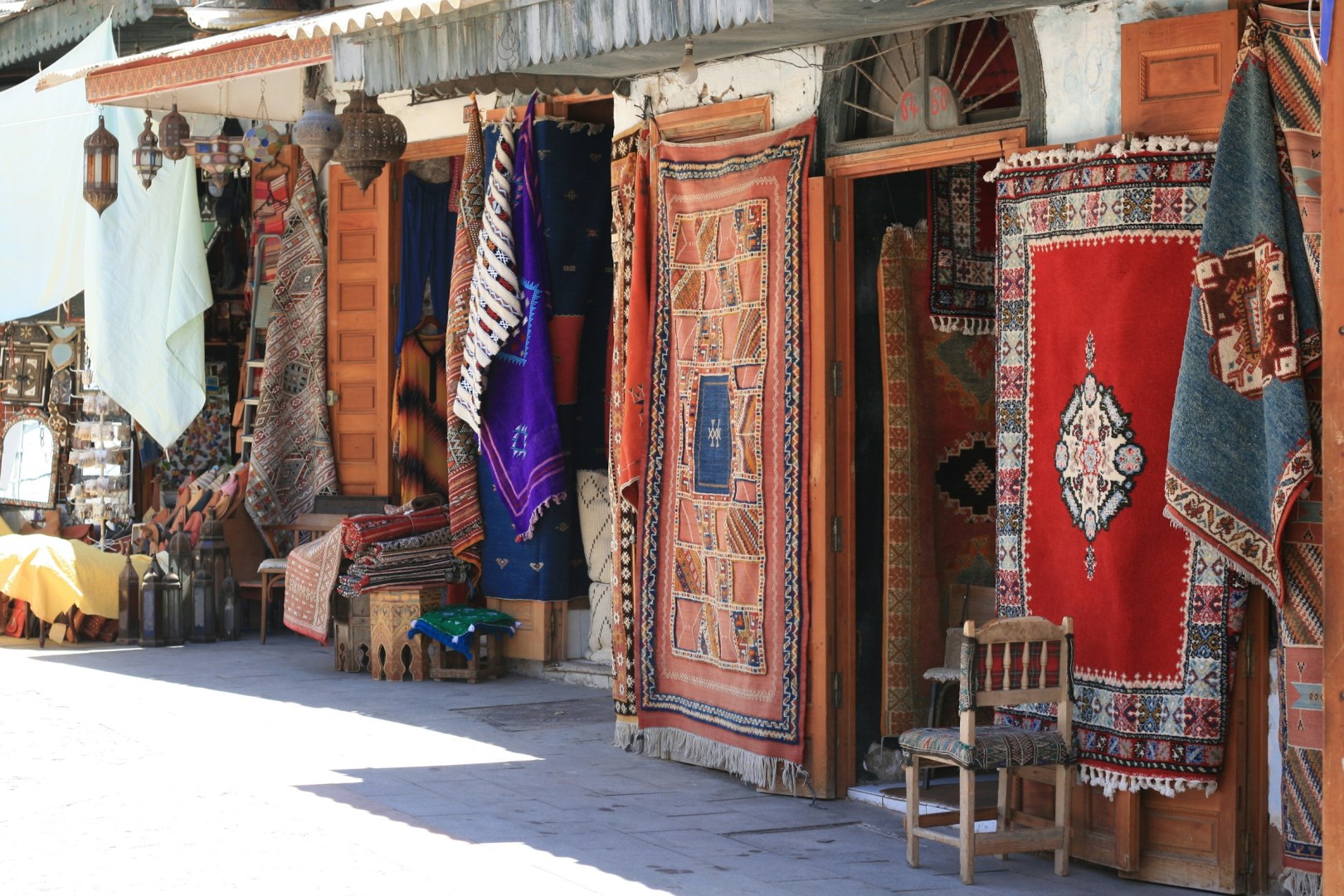
Souika Street is the main artery in the medina. The many foundouks (traditional cafes) and shops always give this axis a very lively atmosphere. The babuche and Moroccans leather ware sellers occupy "Sebbat Souk" (the footwear market), which is easily distinguished by the mat roofing. Going along Consules Street, where foreign diplomats lived until 1912, you will find curiosities, souvenirs and traditional Moroccan items: worked copper, worked leather, silk embroidery, Sale mats and the famous Rabat carpets.
Other Popular Destinations in Morocco
Marrakesh
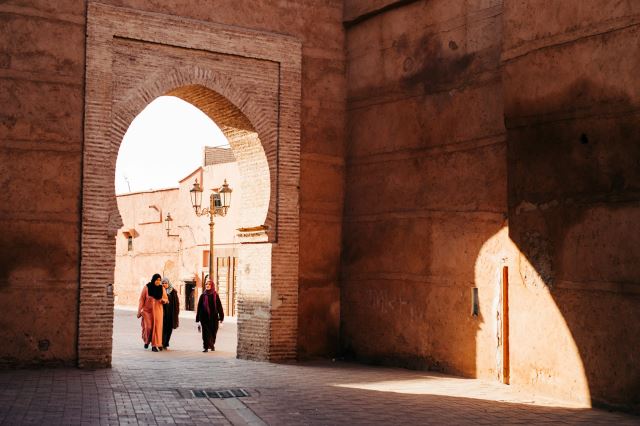
Marrakesh, a vibrant jewel in the heart of Morocco, is a city where ancient traditions blend seamlessly with modern allure. Known as the "Red City" for its rose-hued buildings and walls, Marrakesh offers a sensory experience unlike any other. The city’s medina, a UNESCO World Heritage Site, is a labyrinth of narrow alleyways, bustling souks, and hidden courtyards.
Fès
A series of gates surrounds the two centers of ancient, medieval Fez (sometimes spelled Fes). The principal axes link the center to the gates and a street surrounds the heart of the old city. The Kairouan quarter, which is longer, is crossed by an artery. Narrow, tortuous pedestrian streets, covered passages, stairs and numerous dead-ends make up the dense layout with few urban squares.