Bopa
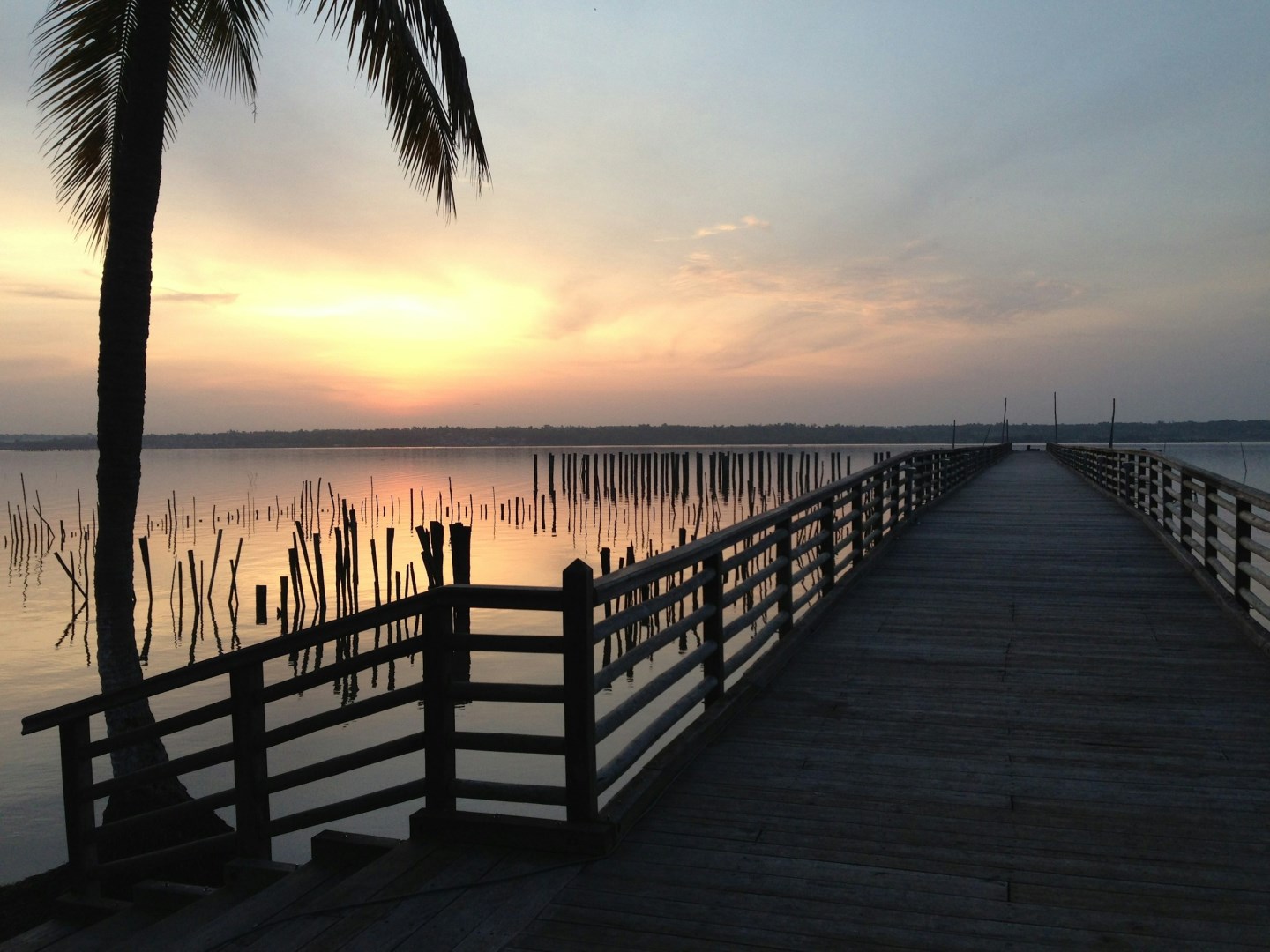
Bopa is a lakeside town in southwestern Benin, located in the Mono Department along the shores of Lake Ahémé. The town sits within a landscape of water, wetlands, palm trees, farmland, and low-lying coastal vegetation, with the lake playing an important role in local life. Fishing is a major activity, and traditional boats can be seen operating across the lake and along its shoreline.
Arrawarra
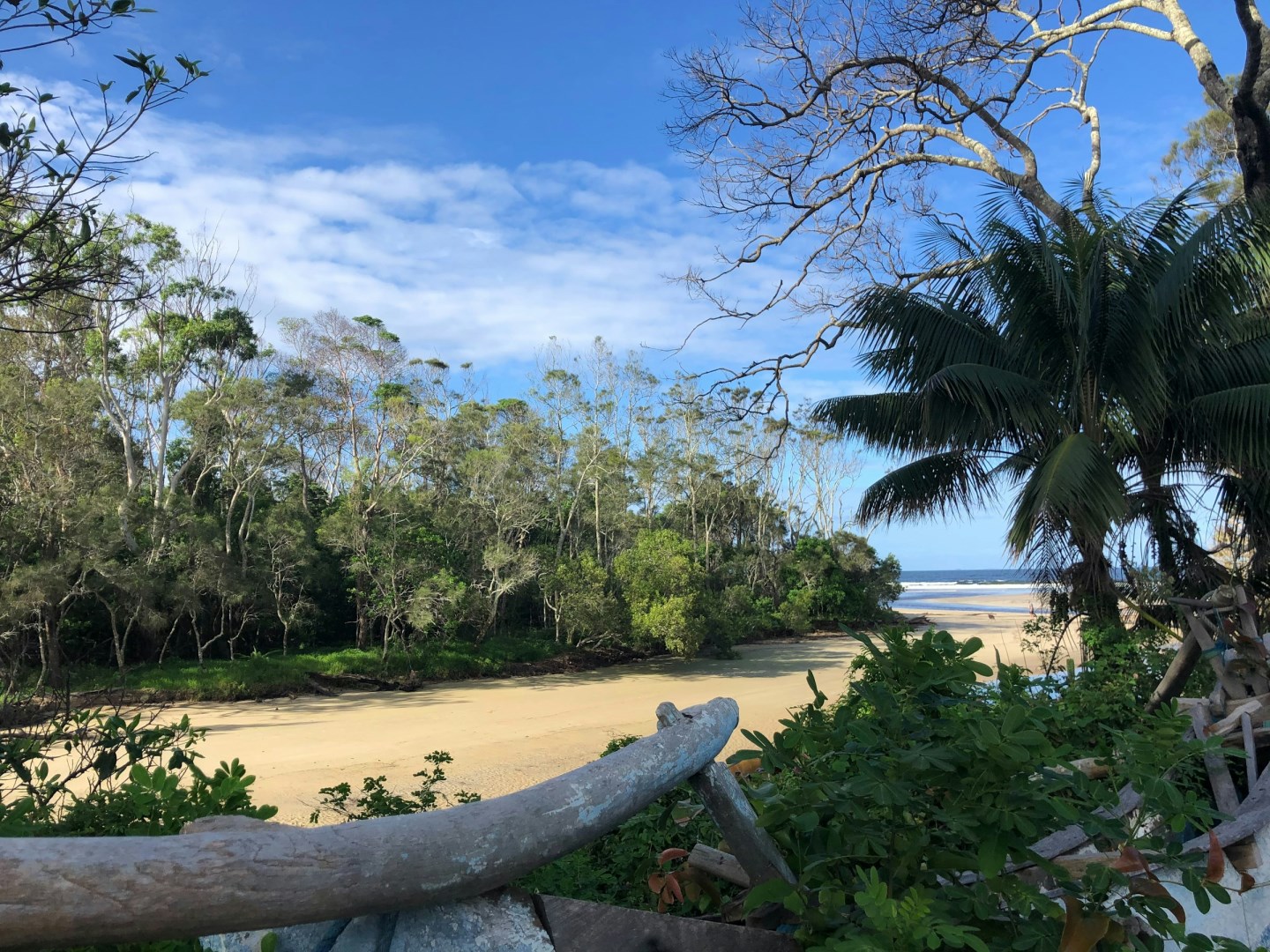
Arrawarra is a small coastal community on the Mid North Coast of New South Wales, located north of Coffs Harbour. Its landscape centres on Arrawarra Headland, where a sandy beach meets rocky shoreline, coastal vegetation, and waters protected within the Solitary Islands Marine Park. The area is known for surfing, fishing, swimming, beach walking, and exploring rock pools.
Lead
Lead’s Main Street reflects its long history with places that invite people to explore local life beyond mining. The Black Hills Mining Museum offers displays of mining tools, machinery and a simulated underground mine experience that brings to life how miners worked the Black Hills over generations. Along the same street, galleries, cafés and historic buildings make for pleasant stops between deeper dives into the past.
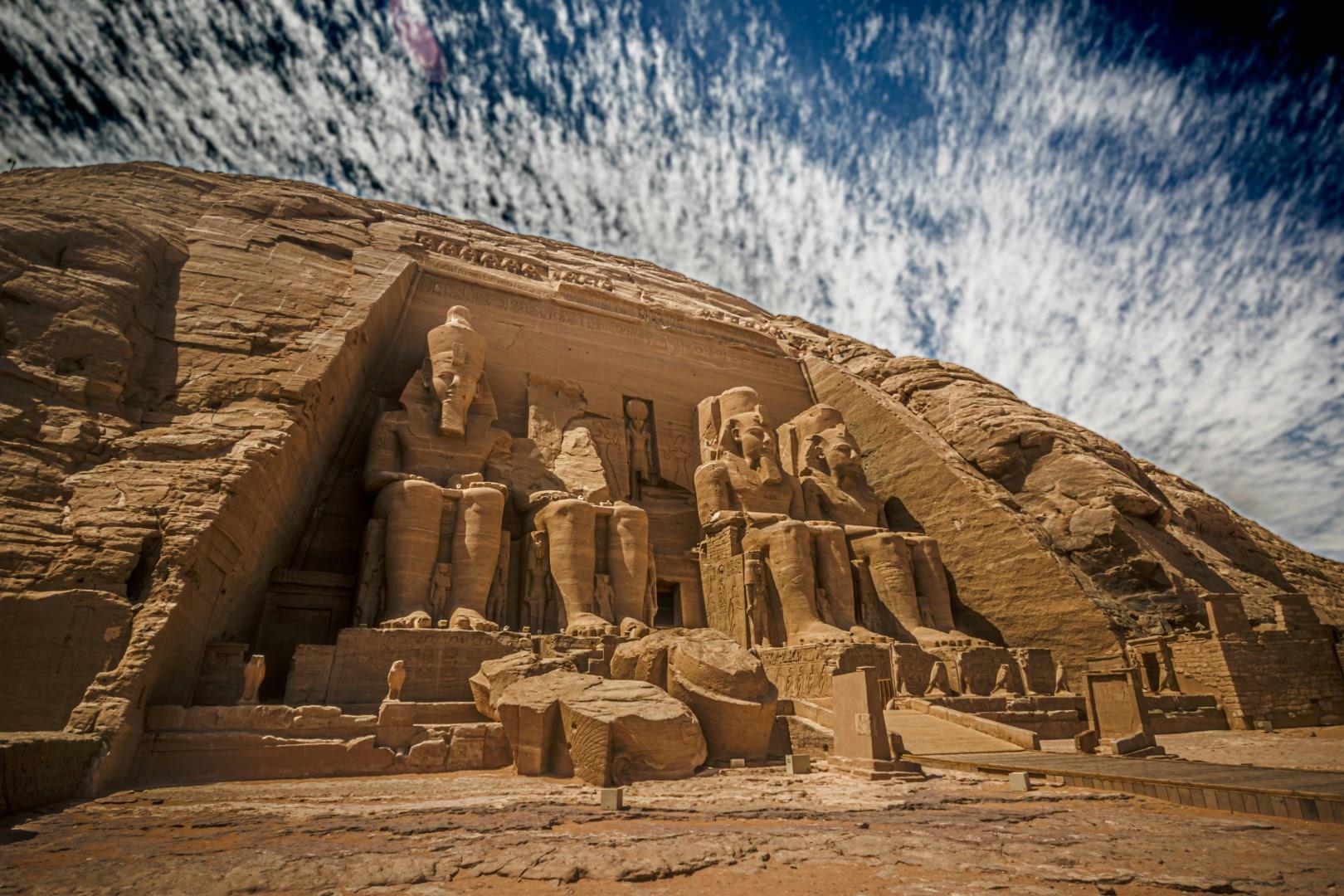
Abu Simbel
Abu Simbel, in southern Egypt near the border with Sudan, is one of the most awe-inspiring archaeological sites of the ancient world. Built during the reign of Pharaoh Ramses II in the 13th century BCE, the twin temples were carved directly into the sandstone cliffs overlooking the Nile. The Great Temple, with its four colossal statues of Ramses II seated at the entrance, was designed not only to honor the pharaoh but also to project his power to neighboring Nubia.
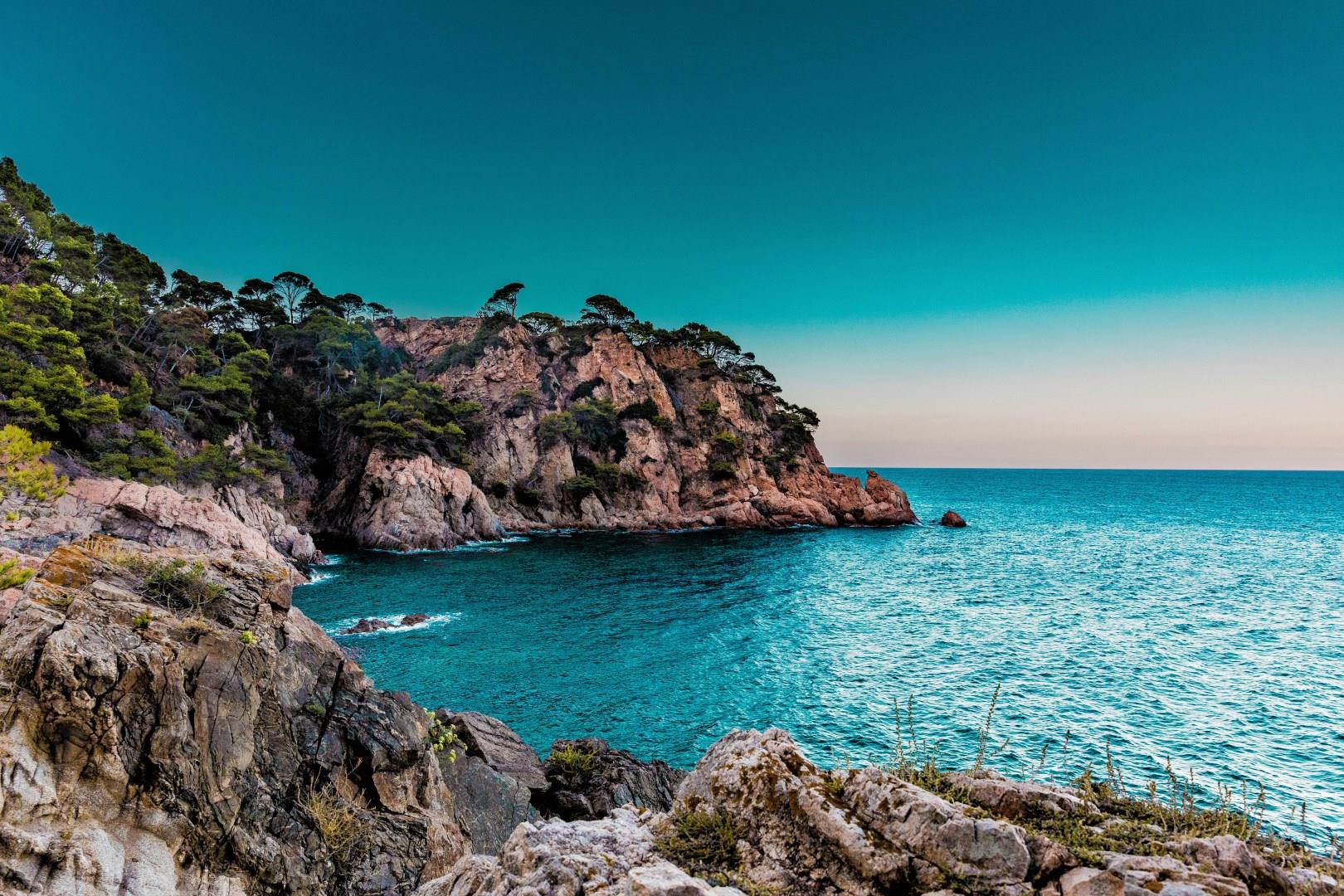
Marbella
Marbella, located between the Mediterranean Sea and the Sierra Blanca mountains, is often associated with its luxury resorts and famous marina, Puerto Banús. But beyond the polished storefronts and designer yachts, the city has a layered past. Its old town, known as Casco Antiguo, is a well-preserved network of narrow streets built during Moorish rule, with whitewashed buildings, flower-filled balconies, and hidden plazas like Plaza de los Naranjos, which dates back to the 15th century.