Amazon Rainforest
Exploring the Amazon Jungle in Brazil is like venturing into the heart of a living, breathing world. The Amazon Rainforest, often referred to as the "lungs of the Earth," is a lush, sprawling expanse that teems with extraordinary biodiversity.

Main River
The Main River winds through the heart of Germany, offering a scenic journey through picturesque towns, rolling vineyards, and historic cities.

Oman
Oman stands among the oldest independent states in the Arab world, with evidence of human habitation stretching back over 100,000 years. Its capital, Muscat, rises gently against limestone hills with no skyscrapers to interrupt its skyline. Visitors find broad avenues lined with stunning buildings leading to landmarks like the Sultan Qaboos Grand Mosque and the Royal Opera House, both offering glimpses into Omani artistry and modern elegance.
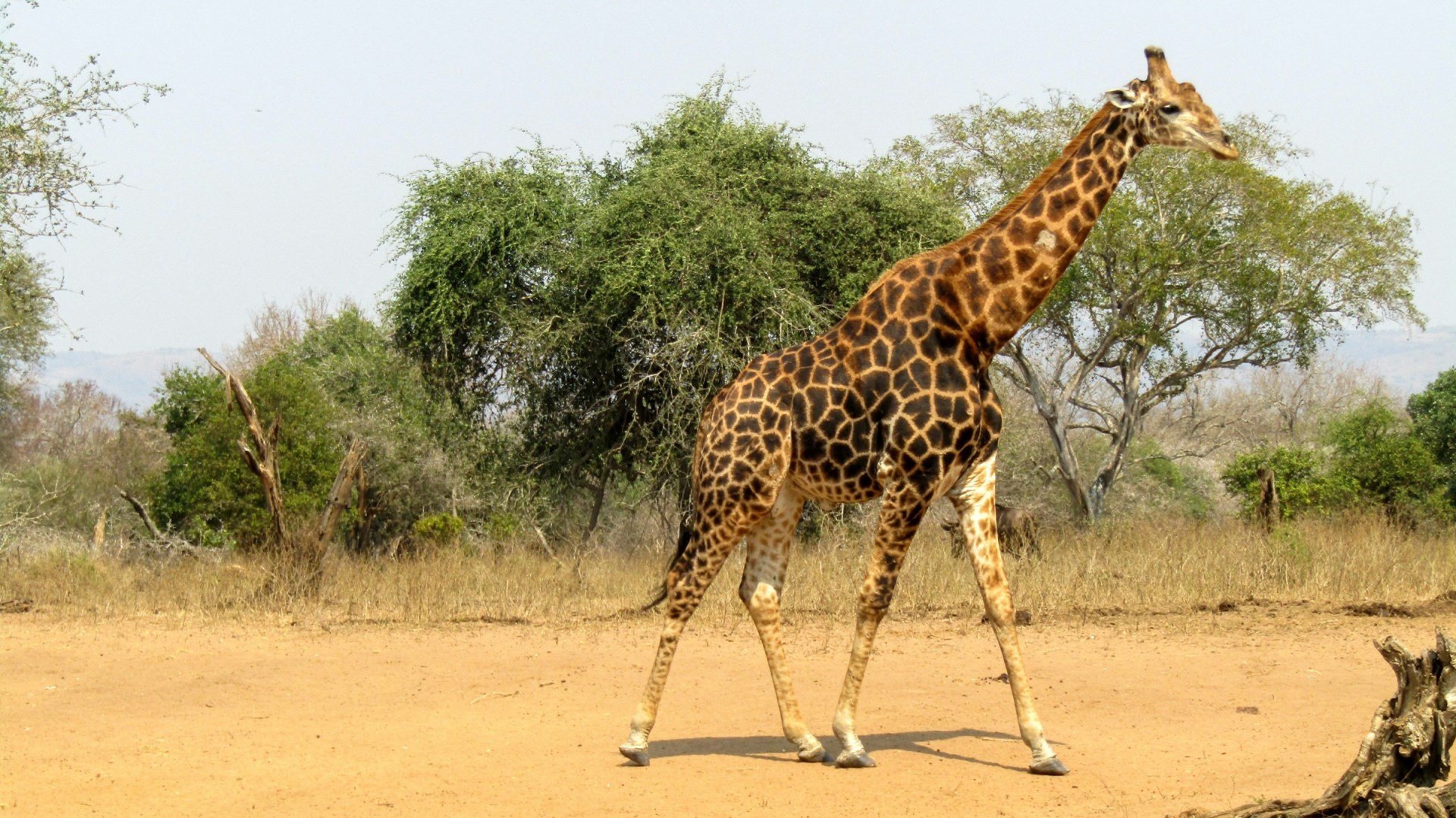
Mkuze
Mkuze is a small town in northern KwaZulu-Natal, situated within the uMkhanyakude District near the Lebombo Mountains and the eastern edge of the Pongola River system. It serves as a regional centre for the surrounding rural communities and provides access to some of the province’s important wildlife areas.
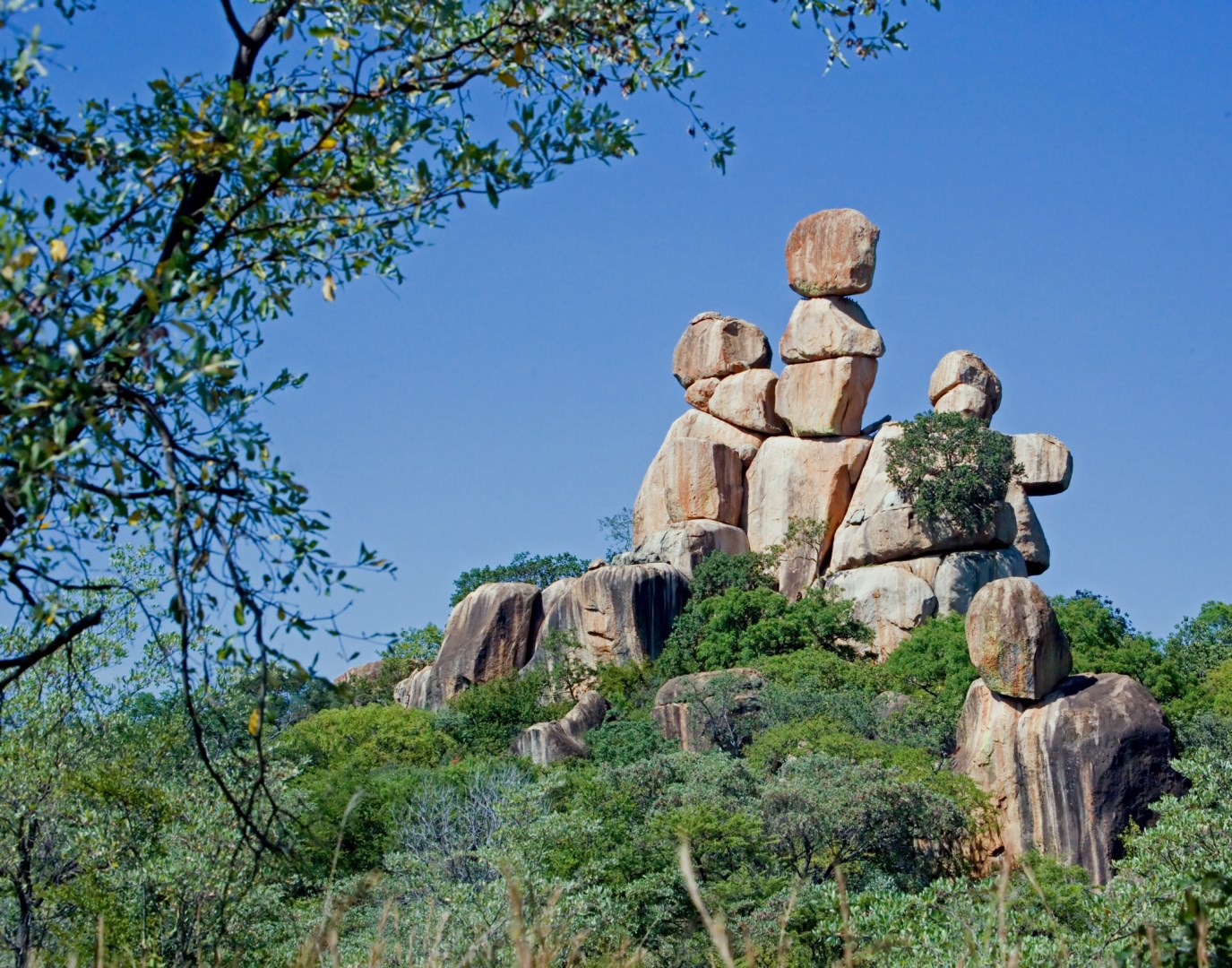
Matobo Hills
Matobo Hills is a distinctive granite landscape in southwestern Zimbabwe, about 35 kilometers south of Bulawayo. Rounded domes, balancing boulders, rocky ridges, and wooded valleys form a dense group of hills rising above the surrounding savanna. The landscape is part of a large cultural heritage area that includes Matobo National Park and neighboring communal and privately managed land.