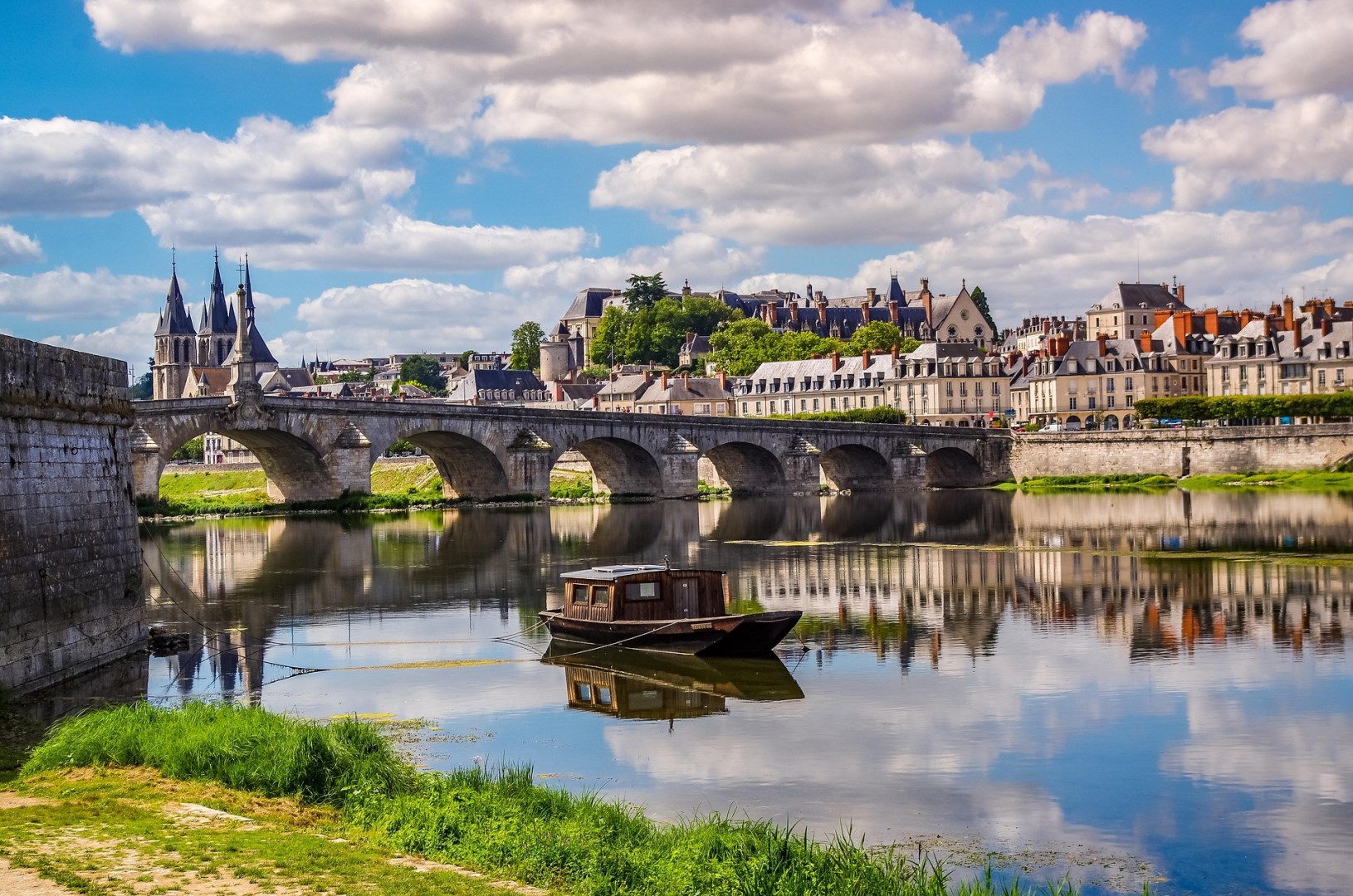
Blois
Blois is a historic city on the Loire River in central France, set among the vineyards, forests, and château country of the Loire Valley. Its old centre rises from the river toward the Château Royal de Blois, creating a landscape of steep streets, stairways, and terraces. Half-timbered houses stand alongside Renaissance townhouses, stone churches, and later buildings, while the river provides open views across the city.
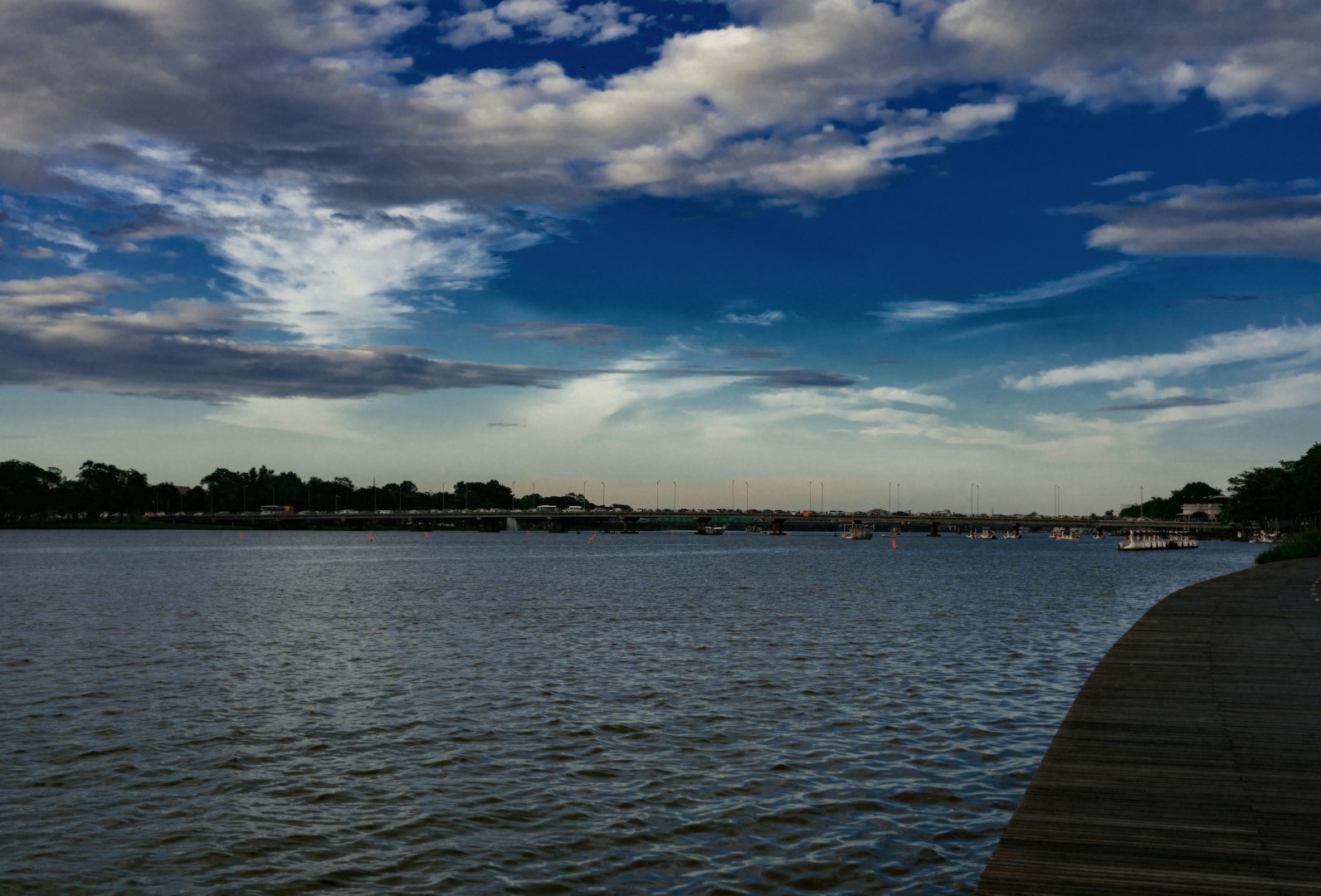
Perfume River
The Perfume River flows through Hue in central Vietnam, linking the city's historic districts with the surrounding countryside before reaching the Tam Giang–Cau Hai lagoon system. The river is a defining feature of Hue's landscape, passing beneath bridges, alongside gardens, and past important imperial and religious landmarks.

Beijing
Beijing, the capital of China, is a city where history and modern life intersect on a grand scale. Ancient landmarks like the Forbidden City, Tiananmen Square, and the Temple of Heaven reflect centuries of imperial heritage, while the Great Wall lies just outside the city, offering views of one of the most famous engineering feats in the world.
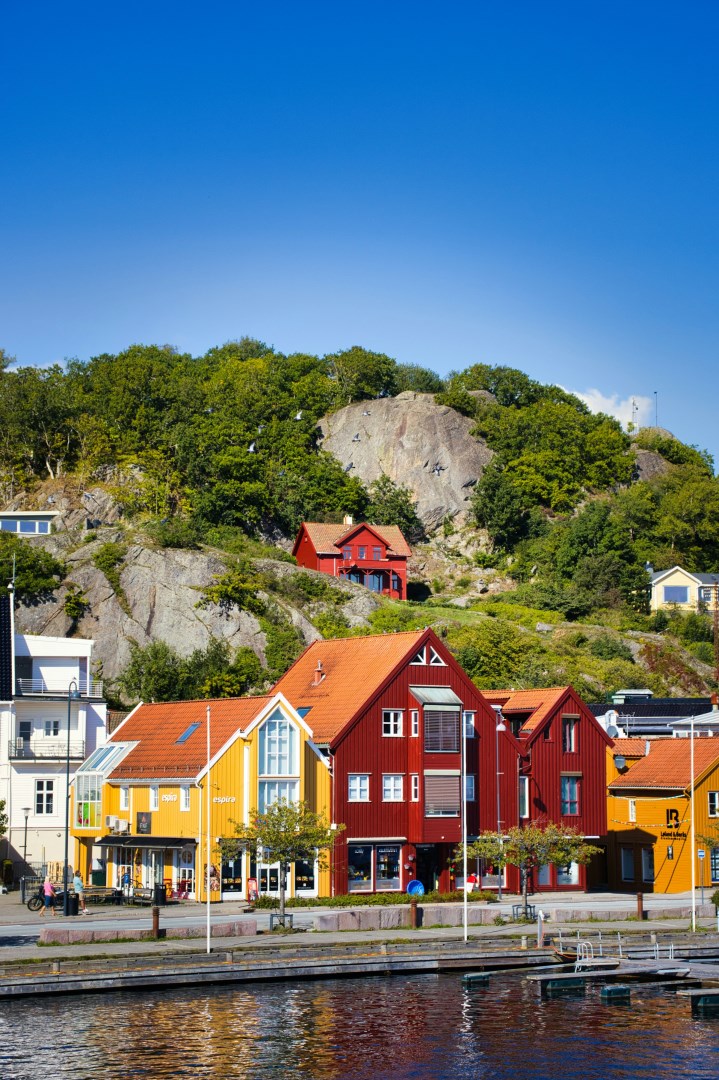
Mandal
Mandal is a coastal town in Agder, southern Norway, situated where the Mandalselva River reaches the Skagerrak. It is known for its wooden town center, sandy beaches, and connection to the surrounding archipelago and river landscape. The town’s historic core contains narrow streets and closely spaced white-painted wooden houses, while the waterfront follows the river and harbor.
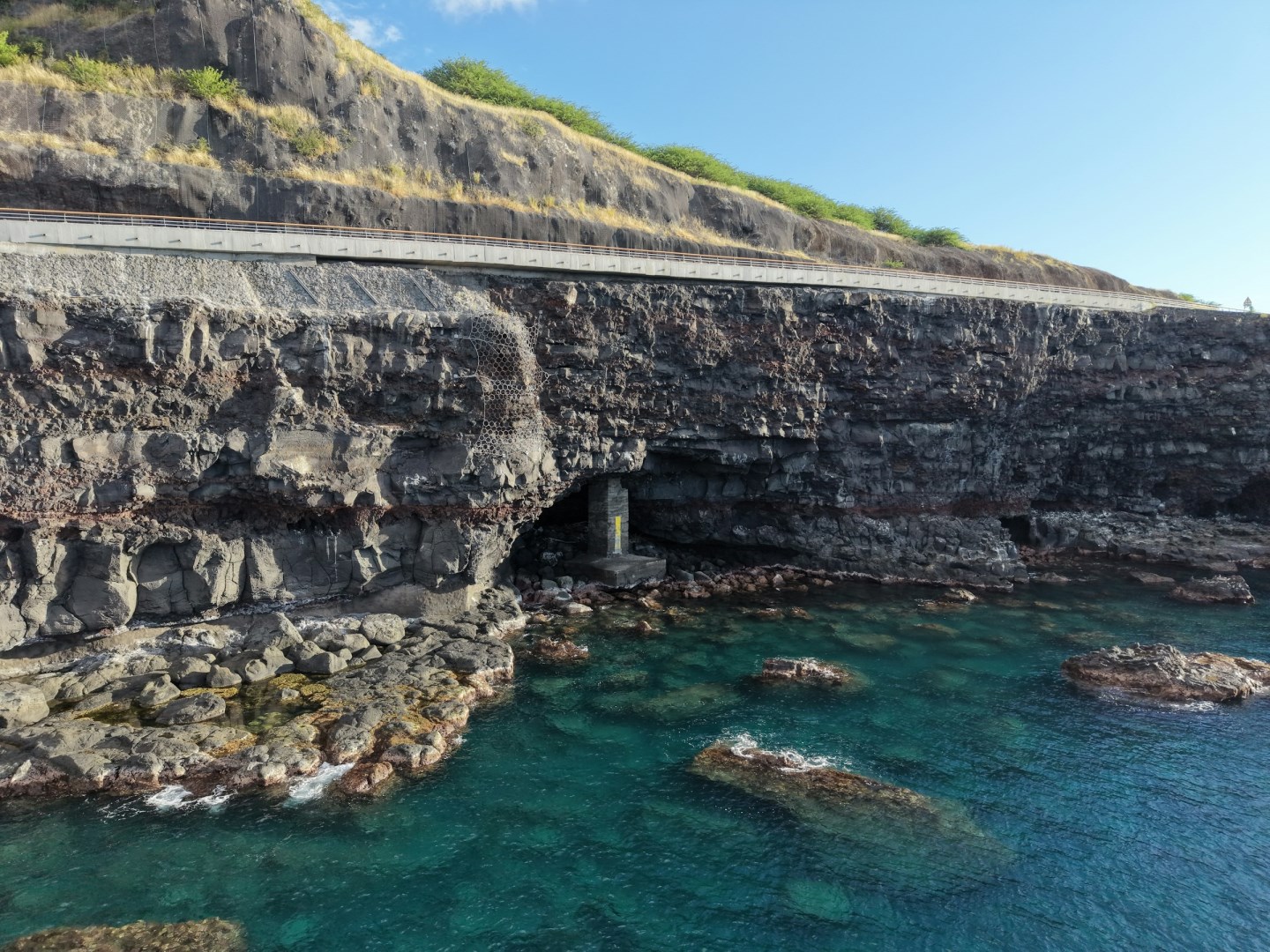
Saint-Gilles les Bains
Saint-Gilles-les-Bains is a coastal town on the western side of Réunion, a French island in the southwestern Indian Ocean.