Aqaba
Red Sea beaches, world-class snorkeling and spectacular desert environments are all reasons to visit the port city of Aqaba, Jordan. Take a quick walk from the city's lovely waterfront promenade and behold its Old Town, which features the 14th century Mamluk Fort and the Aqaba Archaeological Museum.

Mont Tremblant
The mountain boasts 75 ski trails, with a 2,131 vertical drop and 11 lifts including 6 high-speed quads. The European-style village with cobblestone streets exudes the unique ambience of French Canada.

Dominica
Dominica, known as the “Nature Island of the Caribbean,” is a haven for eco-tourists and adventure seekers. Nestled between the French islands of Guadeloupe and Martinique, this lush island boasts a remarkable landscape of volcanic mountains, dense rainforests, and stunning waterfalls. Dominica’s most iconic natural wonder is the Boiling Lake, the second-largest hot spring in the world.
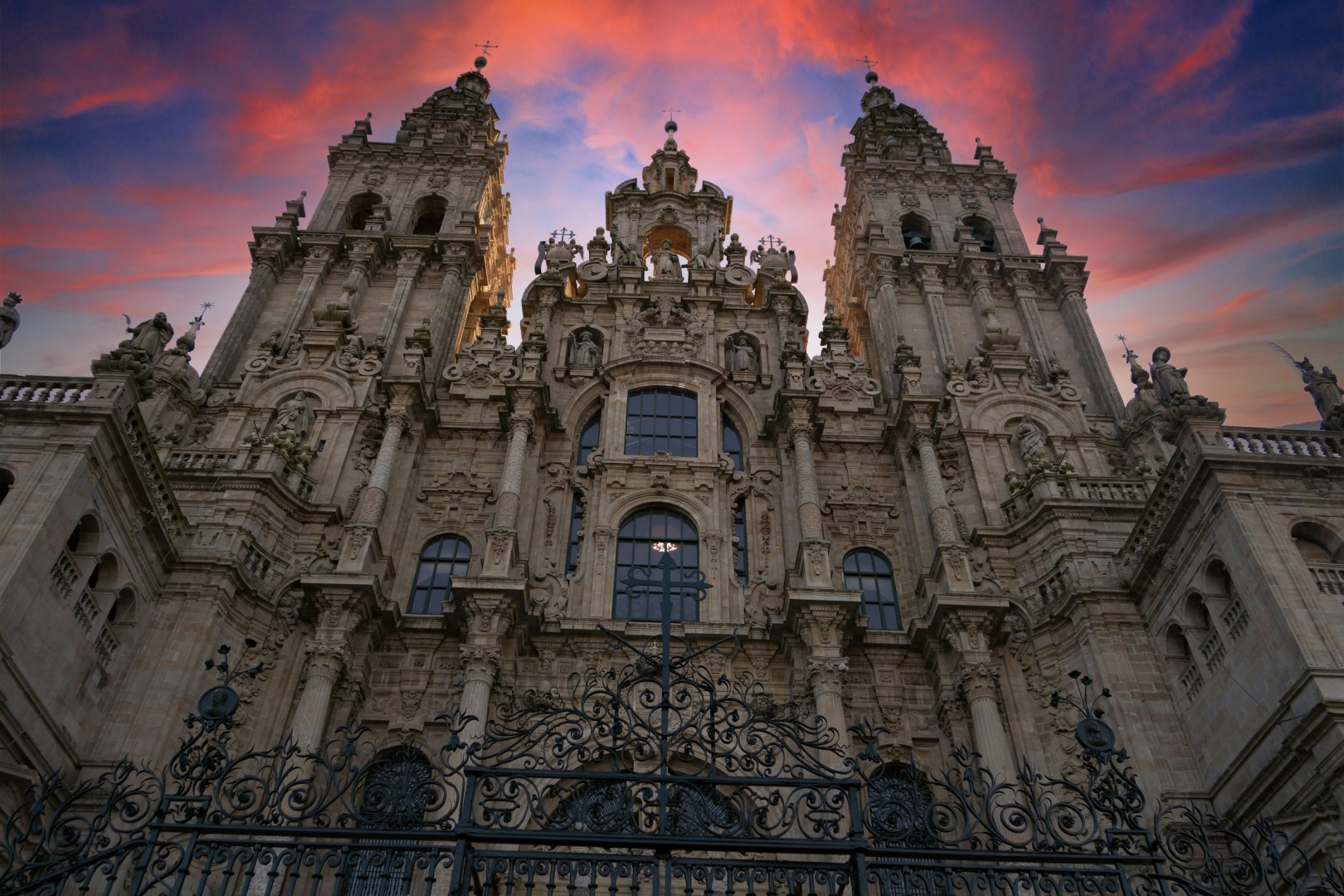
Santiago De Compostela
Spain’s Santiago de Compostela is more than just a final stop on a famous pilgrimage route, it’s a city steeped in centuries of spiritual significance, architectural grandeur, and lively Galician culture.
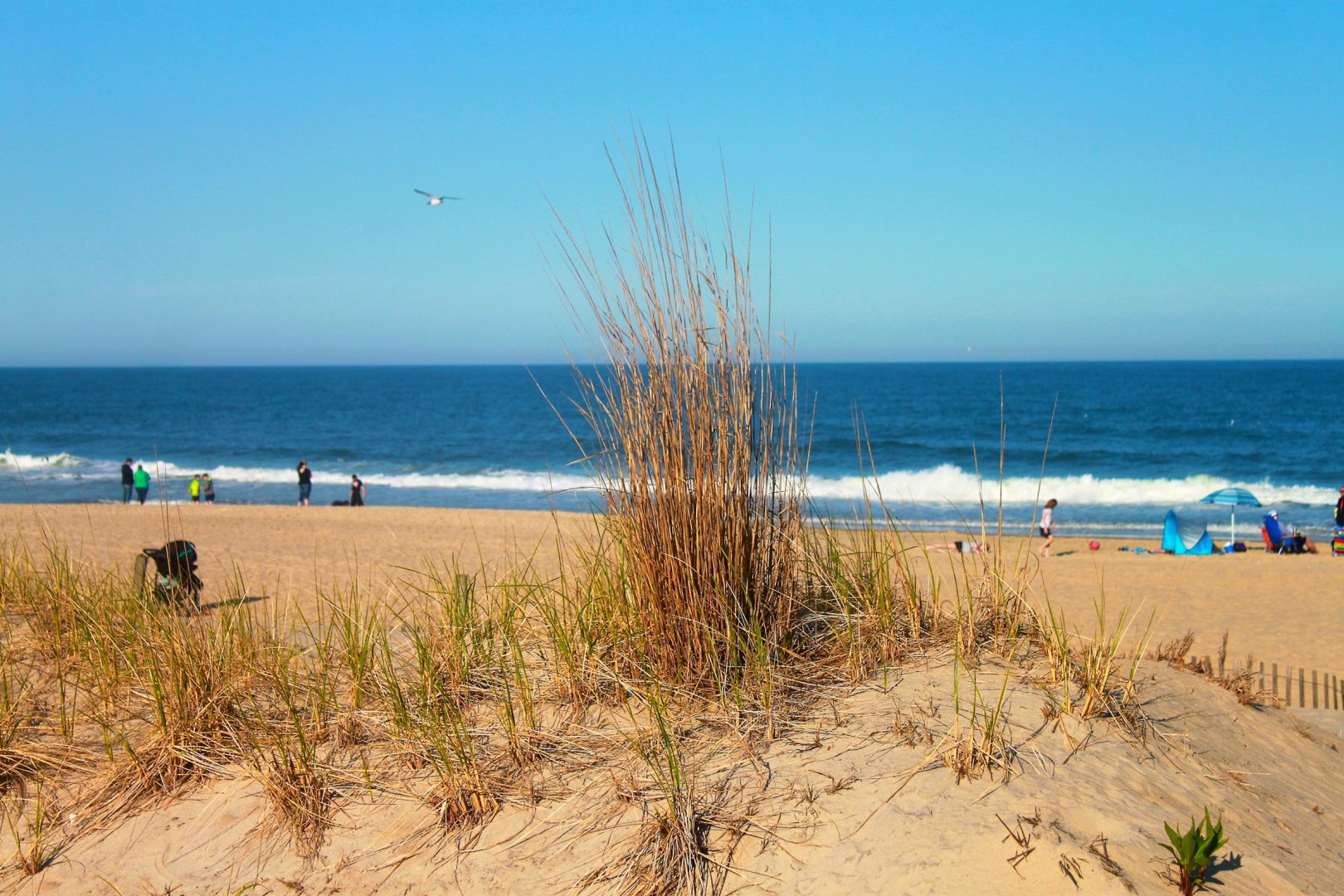
Ocean City
Ocean City, Maryland, is a barrier-island resort along the Atlantic coast of Worcester County, known for its broad beaches, long boardwalk, and connection to the coastal bays. The town stretches for about 10 miles between the Ocean City Inlet and the Delaware state line, with distinct neighborhoods ranging from the historic downtown to quieter northern sections. Its roots as a fishing community remain visible alongside its role as a major seaside destination.