Haleakalā
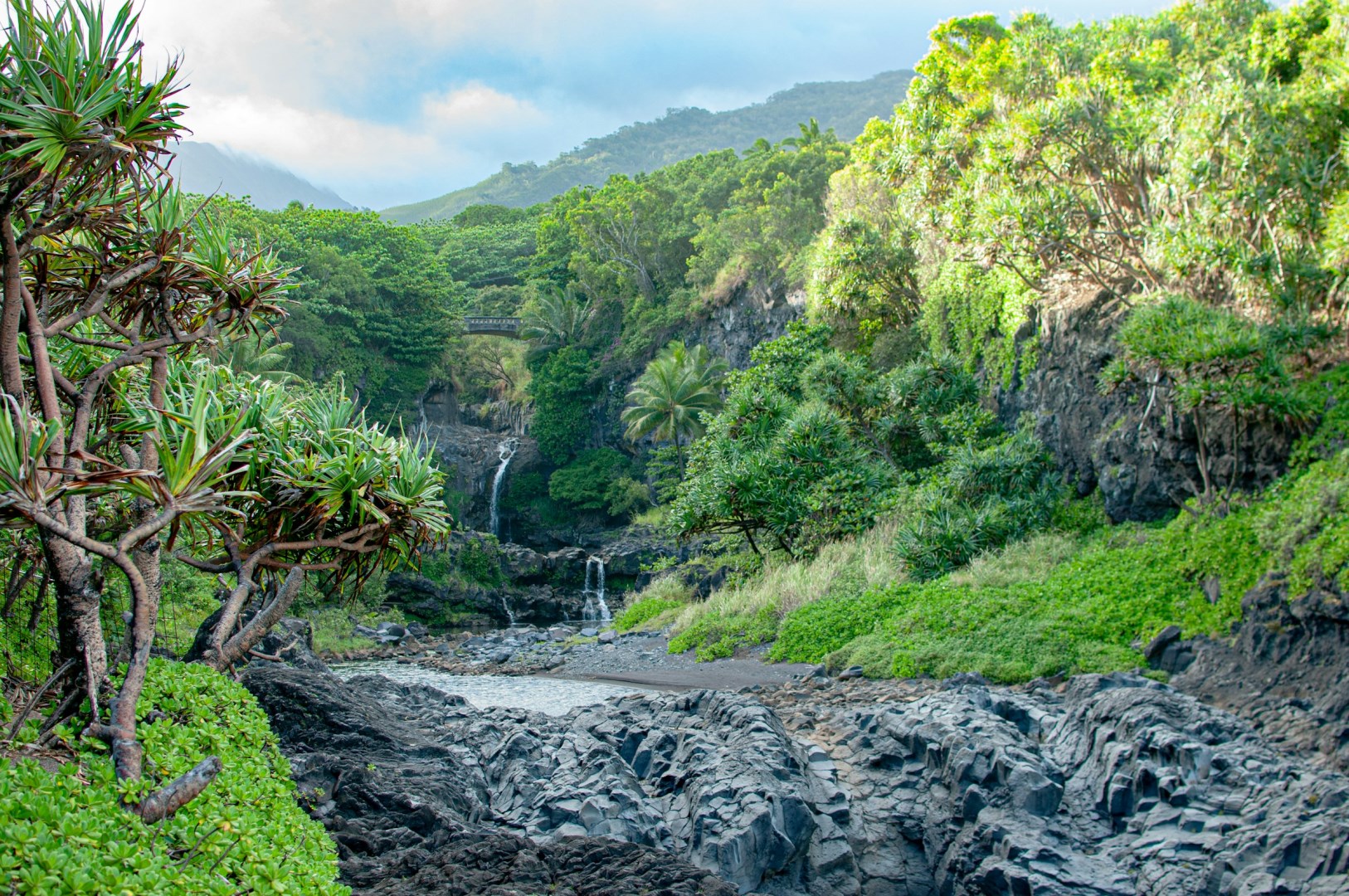
Maui, both second youngest and second largest of the Hawaiian Islands, is home to the world's largest dormant volcano, Haleakala, meaning "House of the Sun." Last erupting about 200 years ago, it makes up the eastern end of the island. Maui was formed by volcanic activity from Haleakala on the east and the West Maui Mountains to the west. The connecting isthmus between the two spots was formed from joining lava from both and gives Maui its nickname, the Valley Isle.

Beijing
Beijing, the capital of China, is a city where history and modern life intersect on a grand scale. Ancient landmarks like the Forbidden City, Tiananmen Square, and the Temple of Heaven reflect centuries of imperial heritage, while the Great Wall lies just outside the city, offering views of one of the most famous engineering feats in the world.
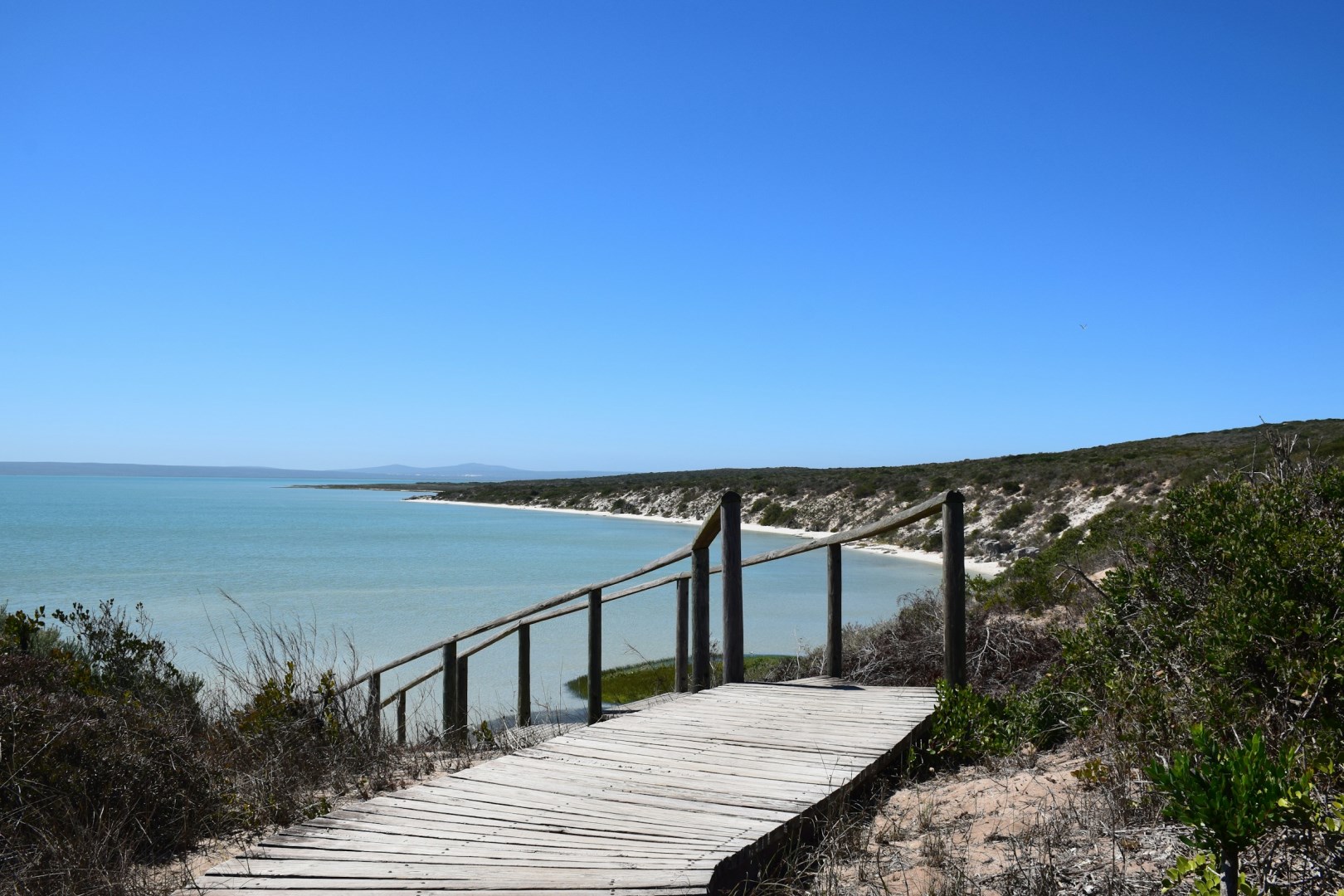
Langebaan
Langebaan is a coastal town in South Africa’s Western Cape, set along the eastern shore of Langebaan Lagoon about 120 kilometres north of Cape Town.
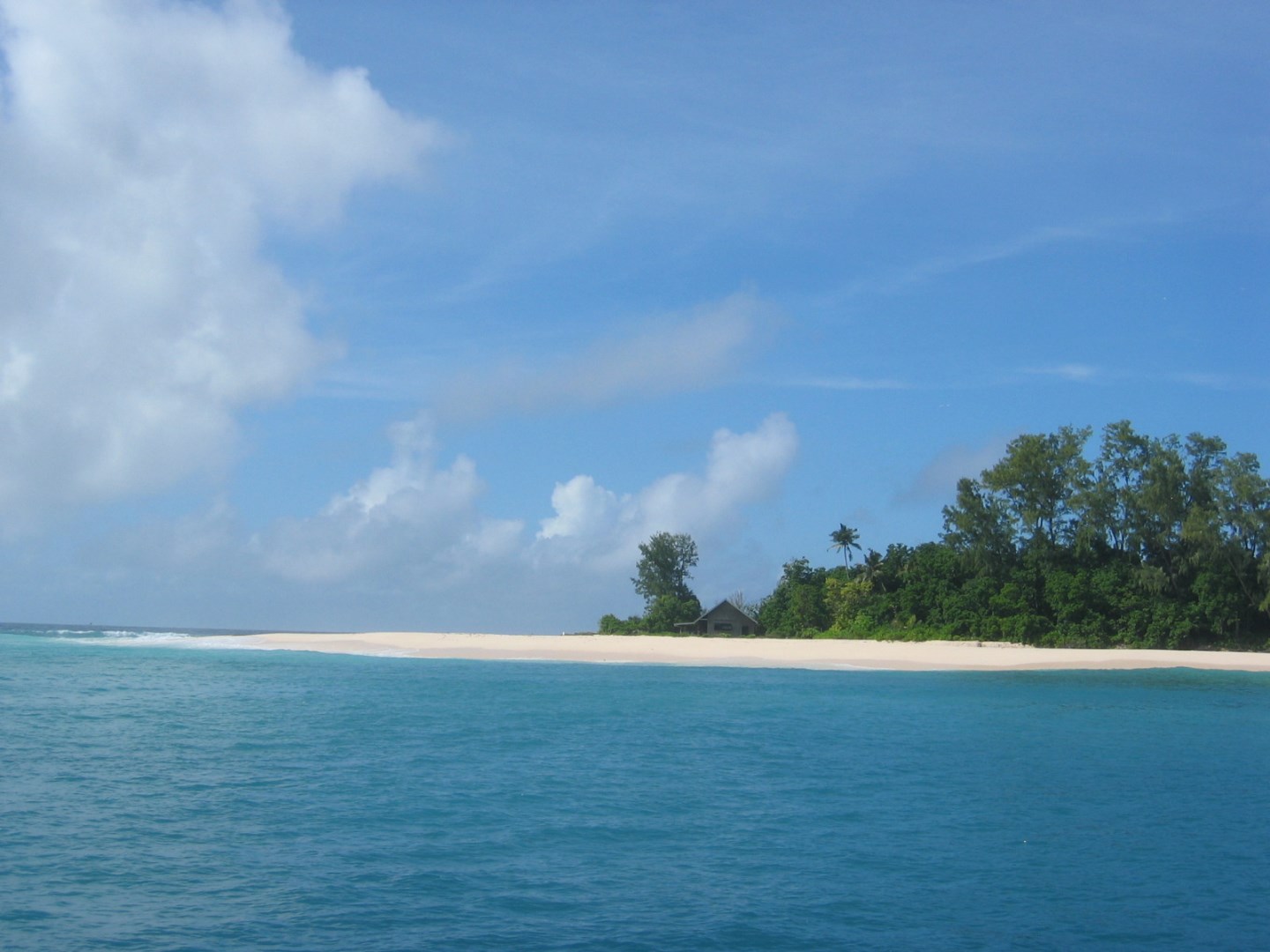
Cousin Island
Cousin Atoll, a gem in the Seychelles, is renowned for its unspoiled natural beauty and thriving ecosystems. Located approximately 7 kilometers southwest of Praslin Island, this small, crescent-shaped atoll offers a pristine escape into nature. Its white sandy beaches, crystal-clear waters, and vibrant coral reefs make it an ideal destination for eco-tourists and nature enthusiasts
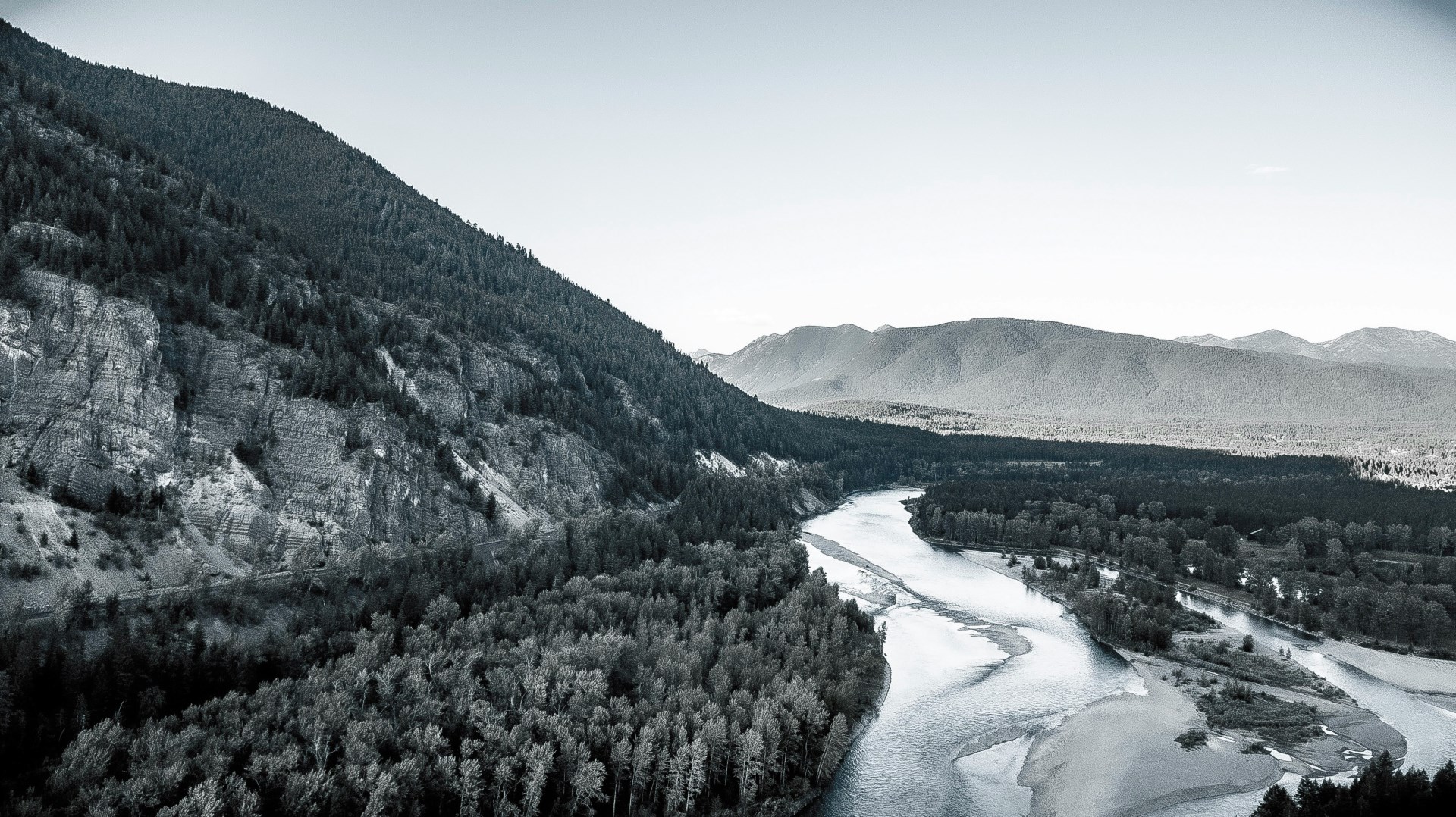
Whitefish
Nestled in the heart of the Rocky Mountains, Whitefish, Montana, is a gateway to breathtaking natural beauty and outdoor adventures. The charming town serves as a perfect base for exploring the nearby Glacier National Park, renowned for its stunning glaciers, pristine lakes, and extensive hiking trails. Whitefish itself is a vibrant community, where the scenic backdrop is matched by a bustling downtown filled with boutique shops, local restaurants, and cozy lodges.