Pebble Island
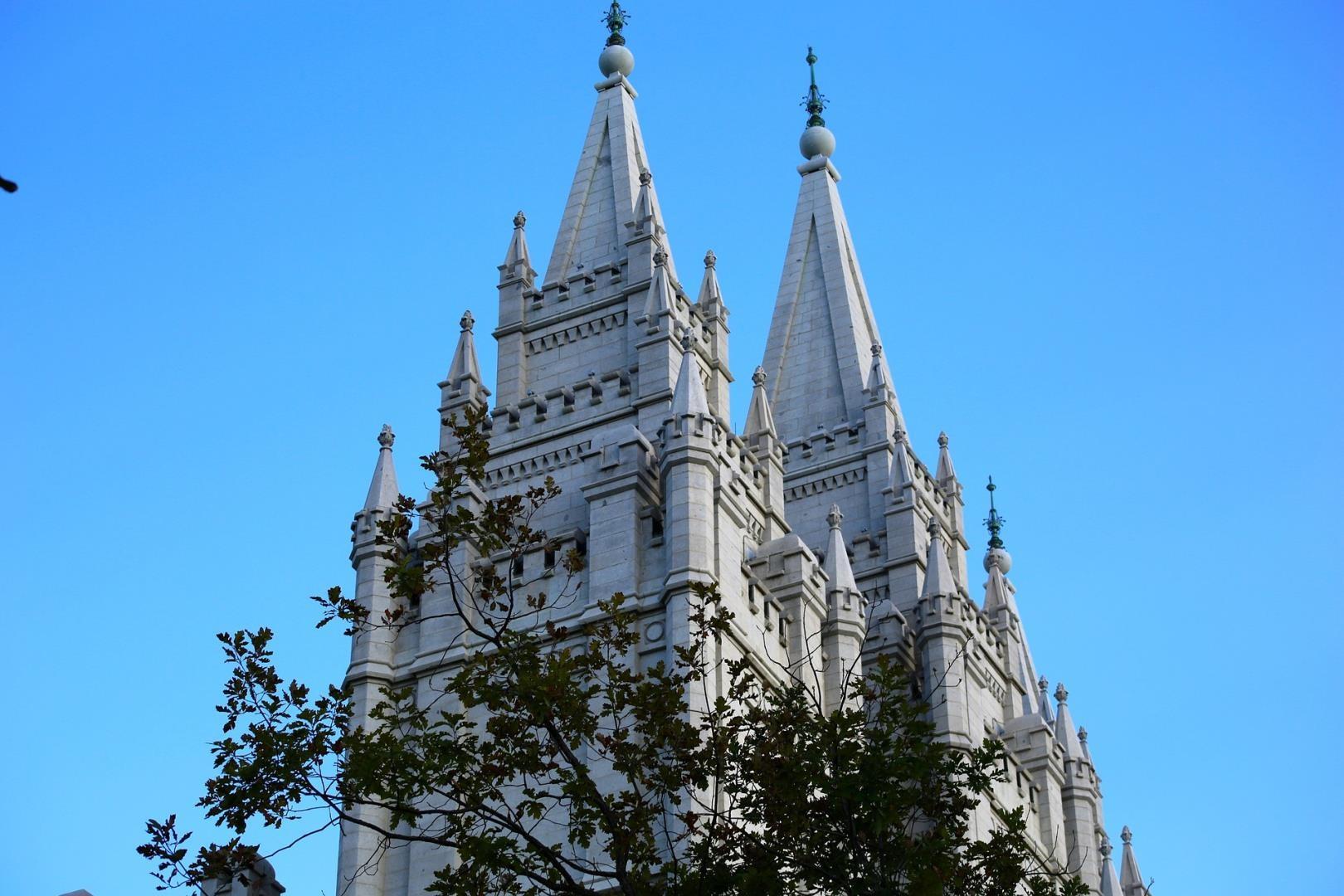
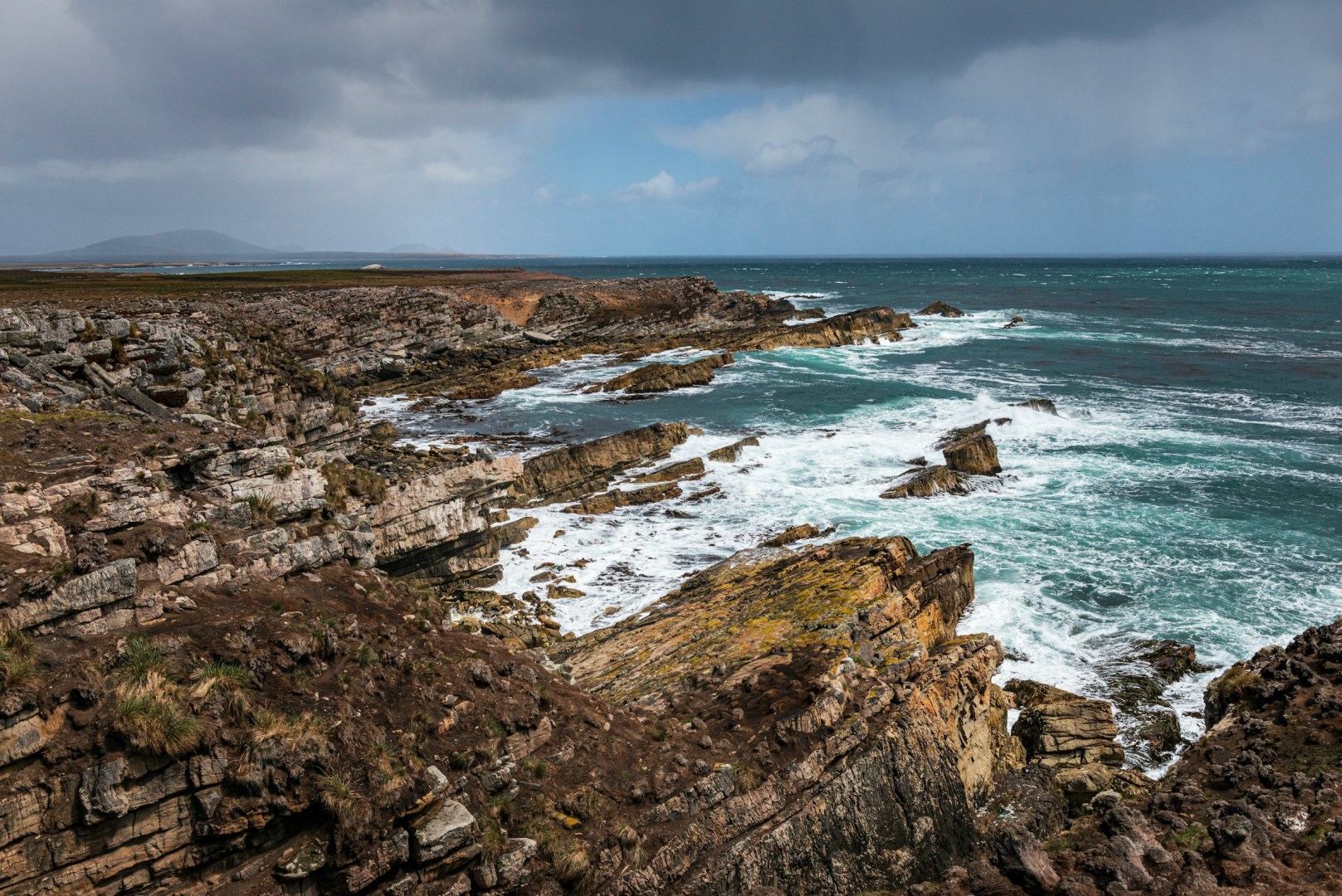
Pebble Island is one of the larger islands in the northern part of the Falkland Islands, known for its open landscapes, long beaches, rocky shores, and low hills. The island stretches across a varied terrain of grassland, peat, freshwater ponds, and coastal cliffs, with several bays providing sheltered areas for wildlife. A small settlement serves as the island’s main community, while much of the surrounding land remains open and lightly developed.
Fort James Beach
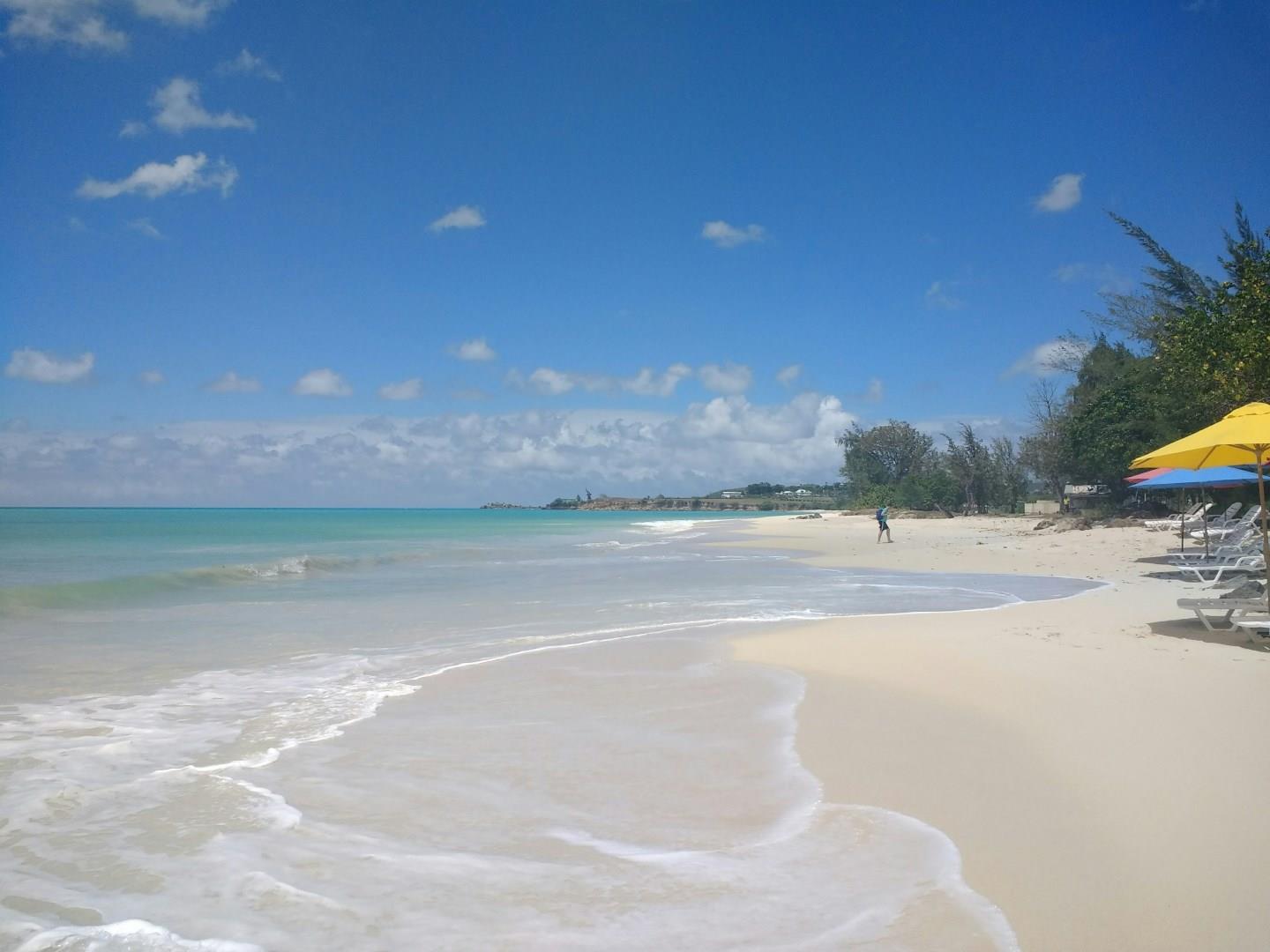
Fort James Beach, just outside St. John’s in Antigua, is a long stretch of soft white sand framed by calm, turquoise waters. The beach takes its name from nearby Fort James, a historic 18th-century British stronghold built to guard the harbor.
Mbombela
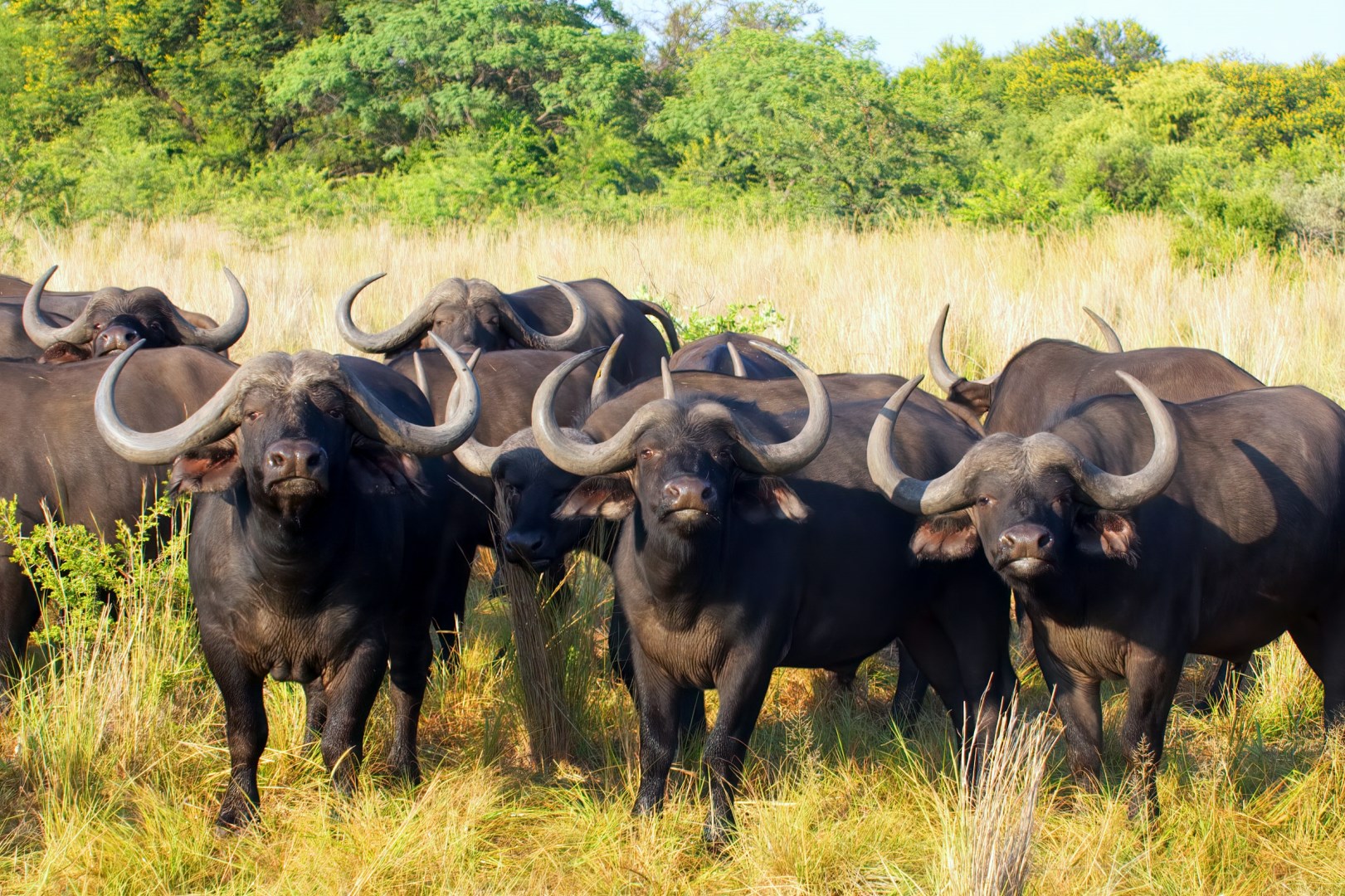
Mbombela is the capital of Mpumalanga province, situated in the Lowveld near the southern edge of the Kruger National Park region. The city is surrounded by wooded hills, subtropical vegetation, and agricultural land, with citrus farming particularly important to the local economy. It serves as a regional centre for government, business, education, and access to nearby wildlife and nature attractions.

Ngorongoro
Ngorongoro, Tanzania, is a destination where breathtaking landscapes and abundant wildlife converge in a truly unique way. Nestled within the Ngorongoro Conservation Area, this region is renowned for the Ngorongoro Crater, a UNESCO World Heritage Site. This ancient caldera, formed by a volcanic eruption millions of years ago, creates a natural amphitheater teeming with wildlife.
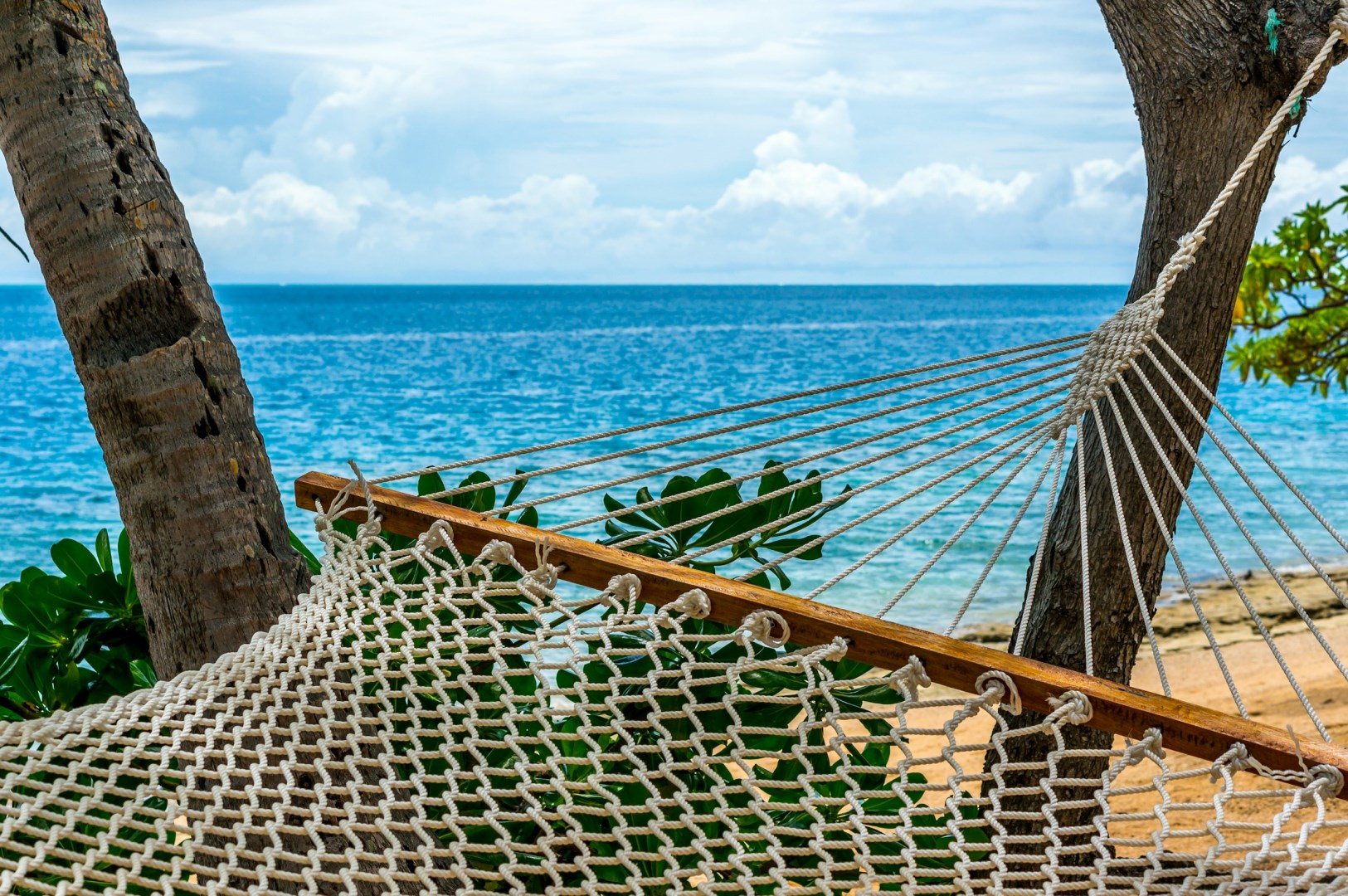
Malolo Island
Set among Fiji’s Mamanuca Islands, Malolo Island combines a lush, hilly interior with palm-fringed beaches, clear lagoons, and coral-rich waters. Visitors can spend their days swimming, snorkelling, kayaking, or sailing before settling into the island’s unhurried pace.