Tristan da Cunha
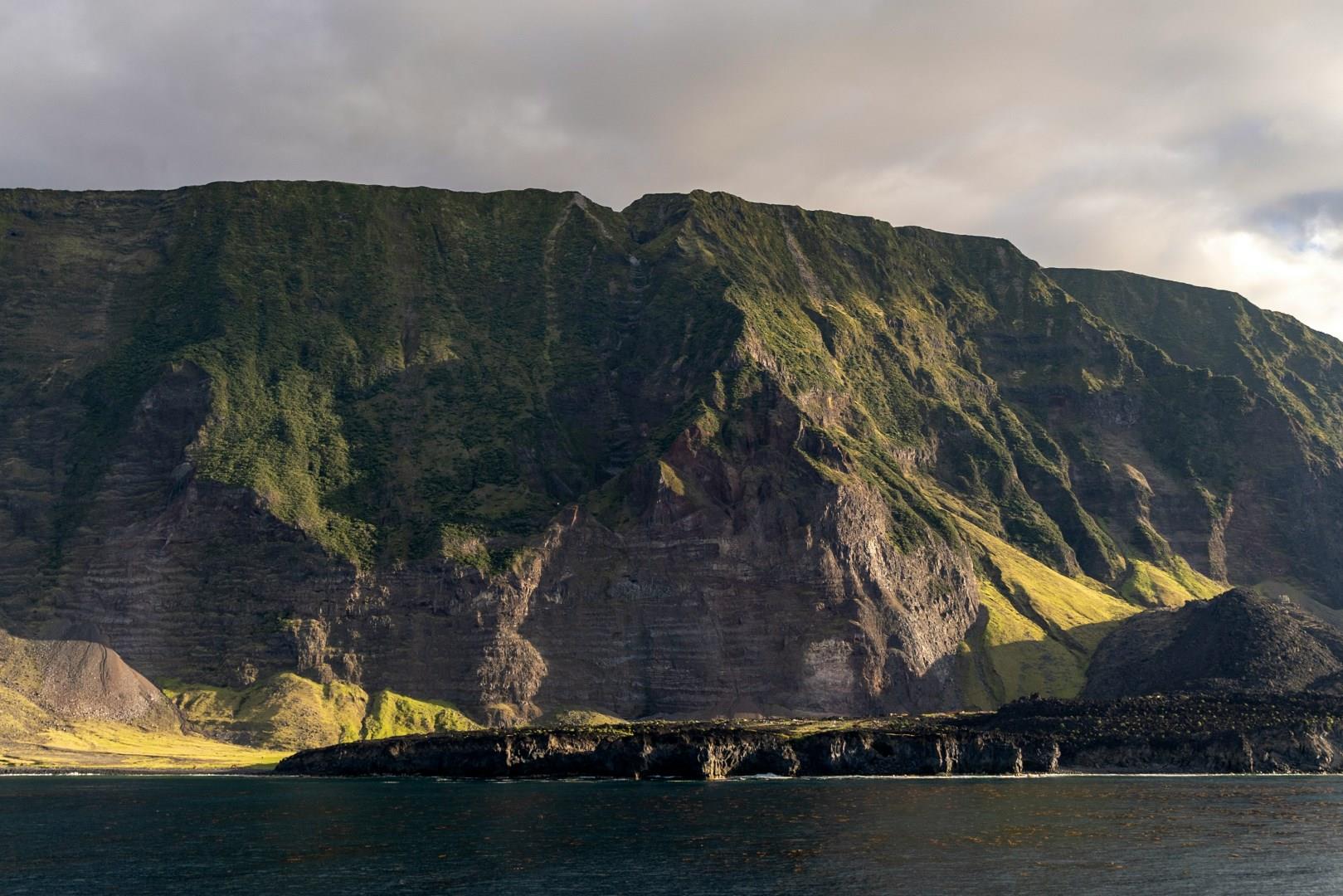
Tristan da Cunha is a remote volcanic island in the South Atlantic Ocean, forming part of a small archipelago along with Inaccessible Island and Nightingale Island. Known as the most isolated inhabited island in the world, it is accessible only by a week-long boat journey from South Africa.
Oban
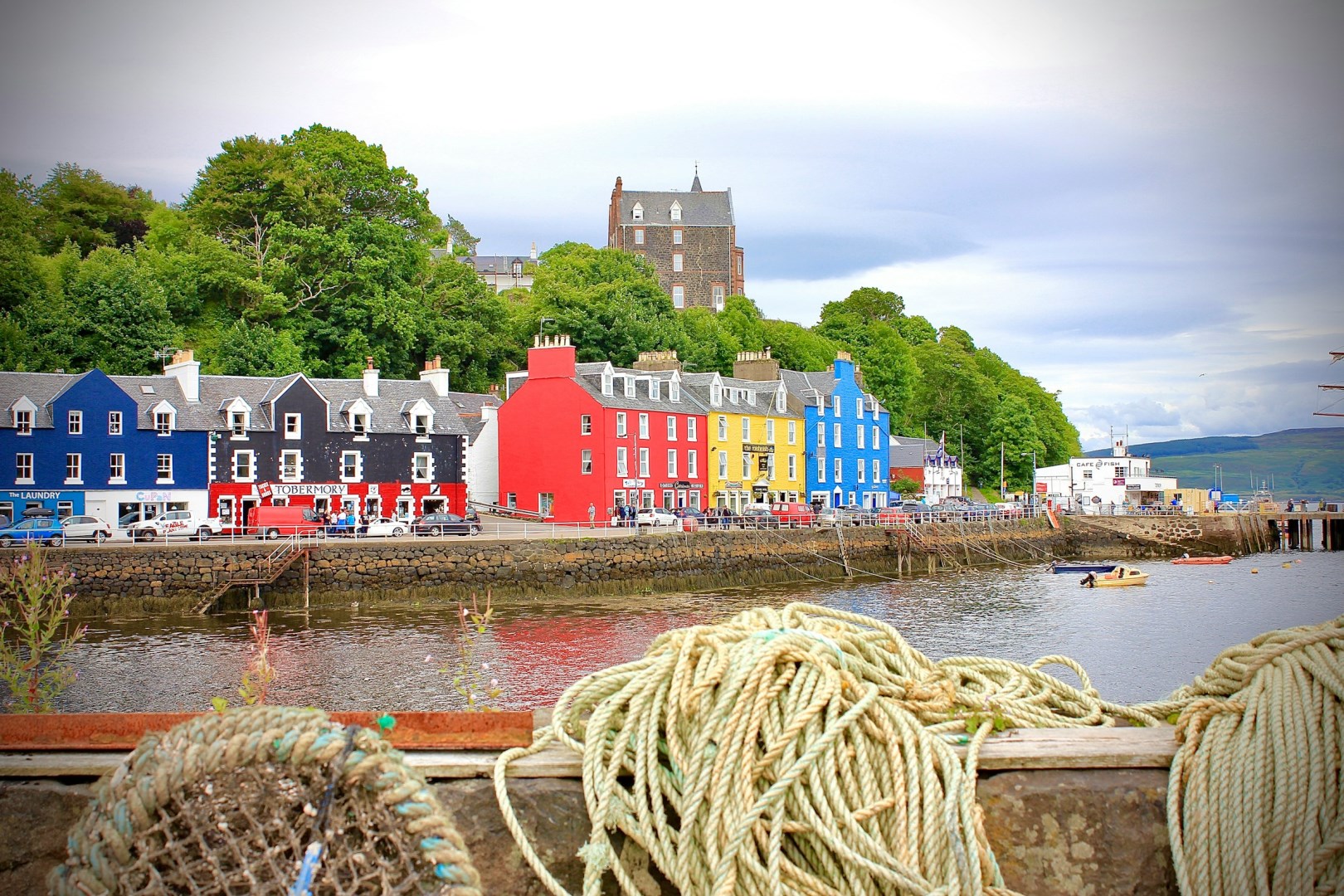
Oban is located in the northern part of the Scottish Highlands. Renowned for the beauty of the land and the excellent scotch made there, Oban is an indisputable treasure of nature.
Wewak
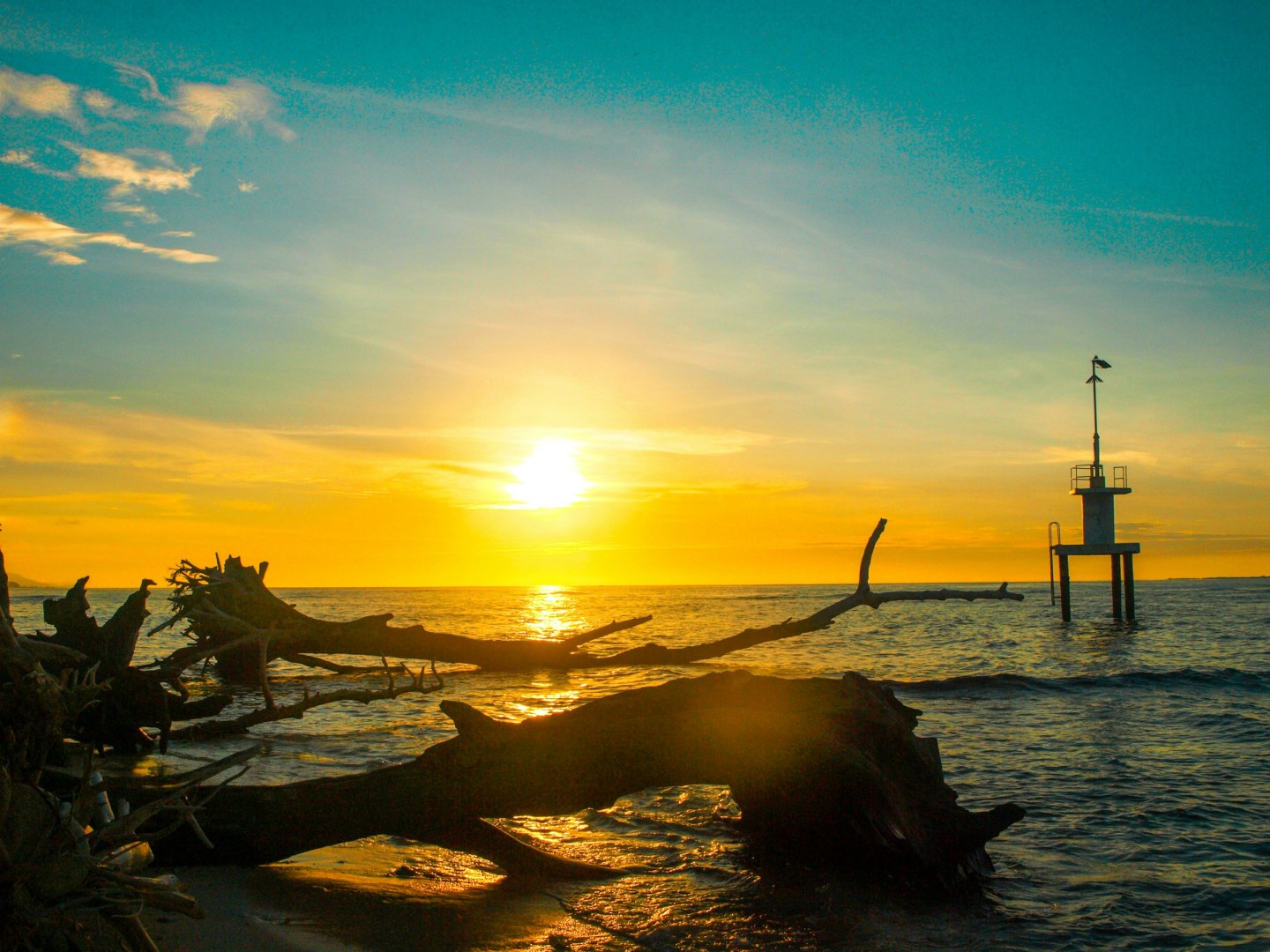
Wewak is the capital of East Sepik Province on the north coast of Papua New Guinea, facing the Bismarck Sea. The town stretches along a coastal plain backed by low forested hills, with beaches, bays, and offshore islands forming part of the surrounding landscape. Wewak serves as the province’s main administrative and commercial center and provides access to the Sepik River region farther inland.
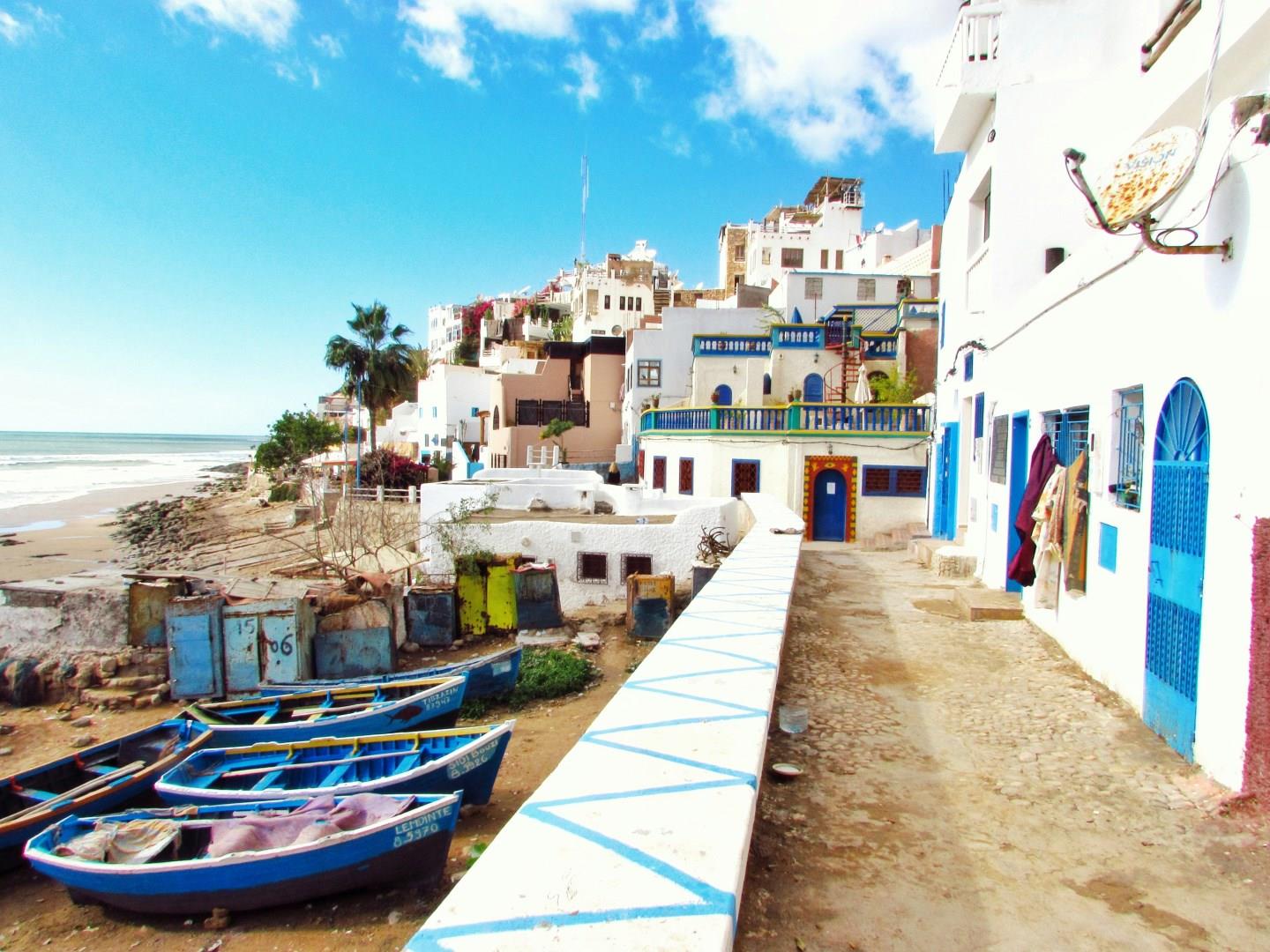
Taghazout
Taghazout is a small coastal village on Morocco’s Atlantic shore, once a quiet fishing settlement that has grown into a global surf destination without fully shedding its roots. Life here still follows the rhythms of the sea, with boats pulled onto the sand and daily routines shaped by tides and weather. Berber culture underpins the village’s identity, visible in local customs, food, and the understated pace that sets Taghazout apart from Morocco’s larger resort towns.

Samoa
Samoa, a stunning island nation in the South Pacific, invites travelers with its rich cultural traditions and breathtaking landscapes—stunning rainforests, towering waterfalls, and dramatic coastlines that seem to stretch endlessly into the horizon. Made up of two main islands, Upolu and Savaii, along with seven smaller islands, Western Samoa is a vibrant hub of Polynesian culture.