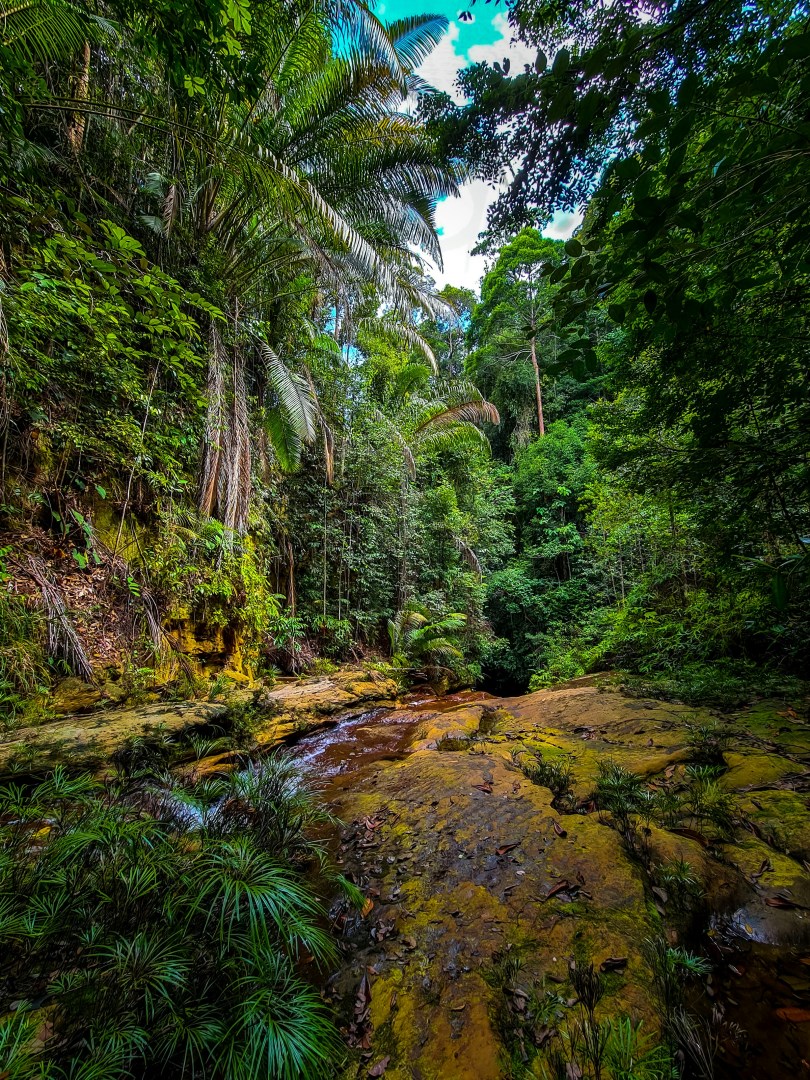
Miri
Sarawak is home to the world's oldest rainforest. Situated on the coast, Miri, is an ideal starting point on your adventure. Between its network of National Parks, wildlife sanctuaries, ethnic diversity and cultural heritage, Sarawak is the perfect destination for anyone interested in nature, adventure and culture.
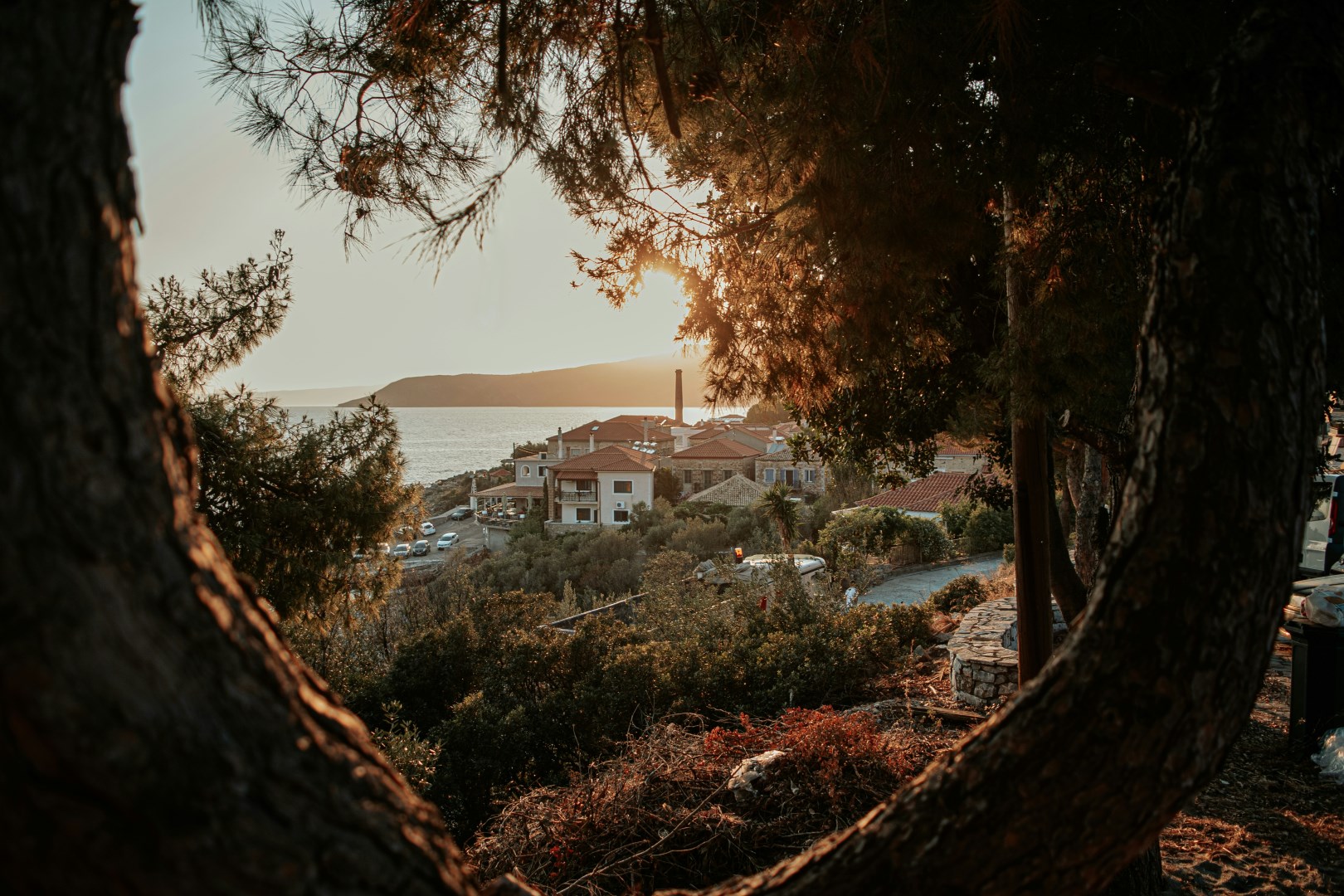
Kardamyli
Kardamyli is a coastal town in the Mani Peninsula of southern Greece, located between the Taygetus Mountains and the Messenian Gulf. Stone houses, olive groves, and narrow streets define much of the settlement, while the surrounding landscape combines steep hills with clear coastal waters.
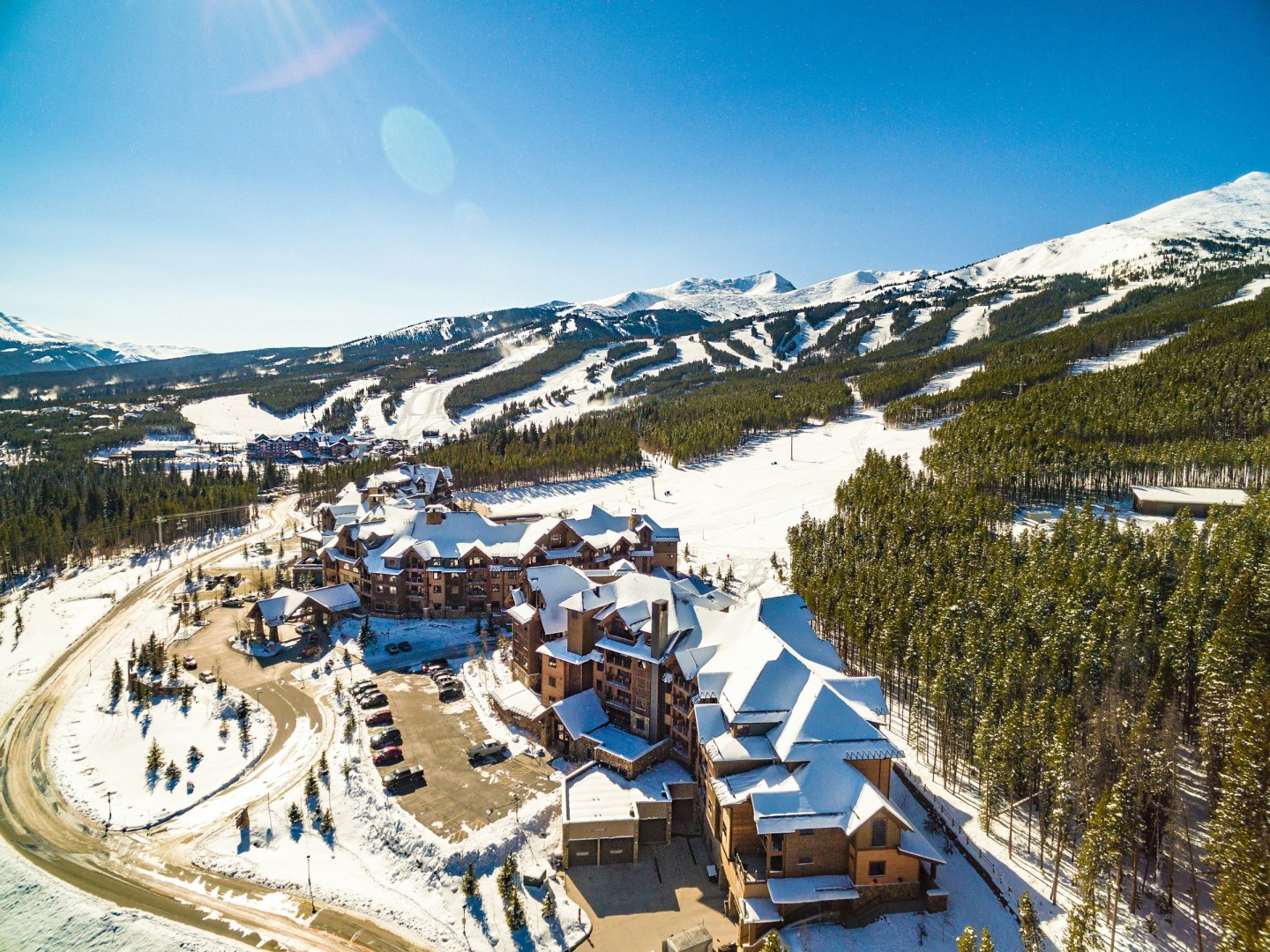
Breckenridge
Enjoy Charming Breckridge, Colorado where Summer activities include: Alpine Slide, Rafting, Horseback Riding, Hiking, Fishing; while Winter activities include: Great Downhill Skiing, Snowmobiling, Cross Country Skiing, Heli-Skiing, Ice Skating and more.

Calgary
Calgary, set against the backdrop of Alberta’s prairie landscape and the distant Canadian Rockies, is a city where western heritage and modern innovation meet. Once a hub for cattle ranching and the oil industry, it has grown into one of Canada’s most dynamic urban centers.
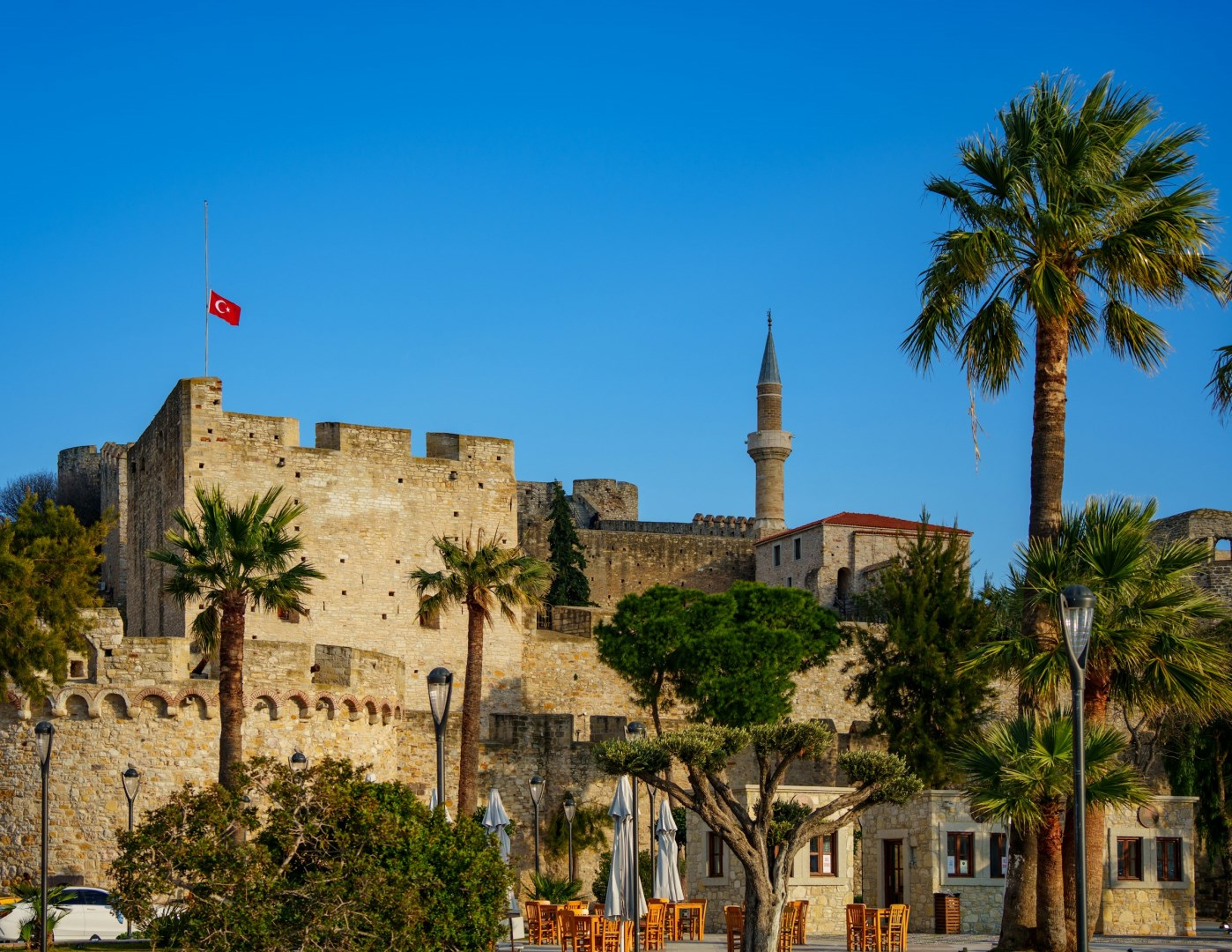
Çeşme
Çeşme is a coastal town on Turkey’s western Aegean shore, located on a peninsula opposite the Greek island of Chios. Its name means “fountain,” reflecting the numerous historic springs and fountains found around the town. Çeşme combines a busy marina and waterfront with sandy beaches, wind-swept headlands, and villages surrounded by vineyards and olive groves.