Tafraoute
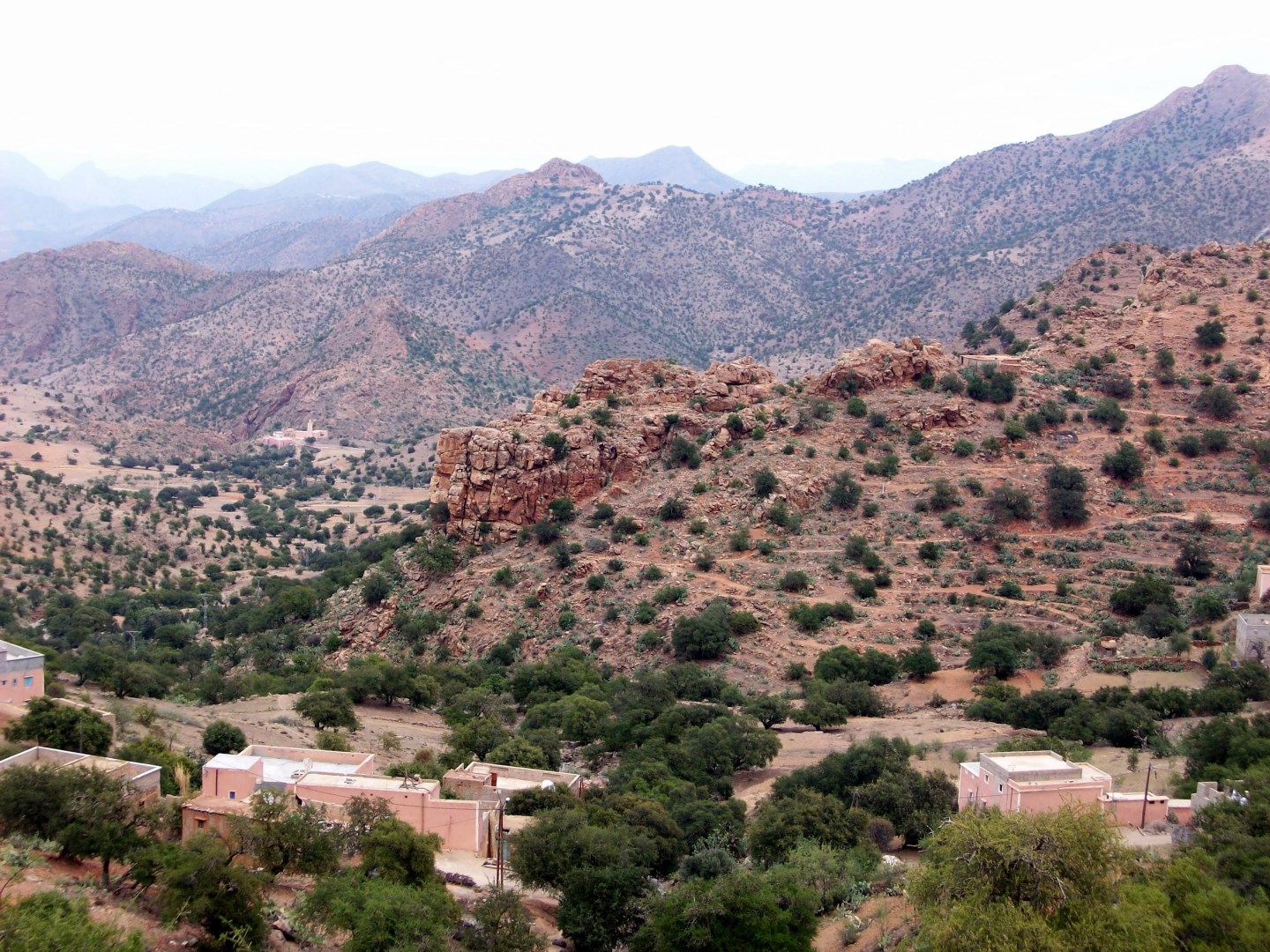
Set within a basin of pink granite mountains, Tafraoute offers a landscape that feels both open and sheltered. The town lies in the Anti-Atlas range, where rounded rock formations rise above palm groves and small farms. As the sun moves across the sky, the rocks shift from soft rose to deep orange, creating a changing backdrop that defines the area. The setting gives Tafraoute a sense of quiet distance, even though it serves as a central hub for nearby villages.
Bakkagerði
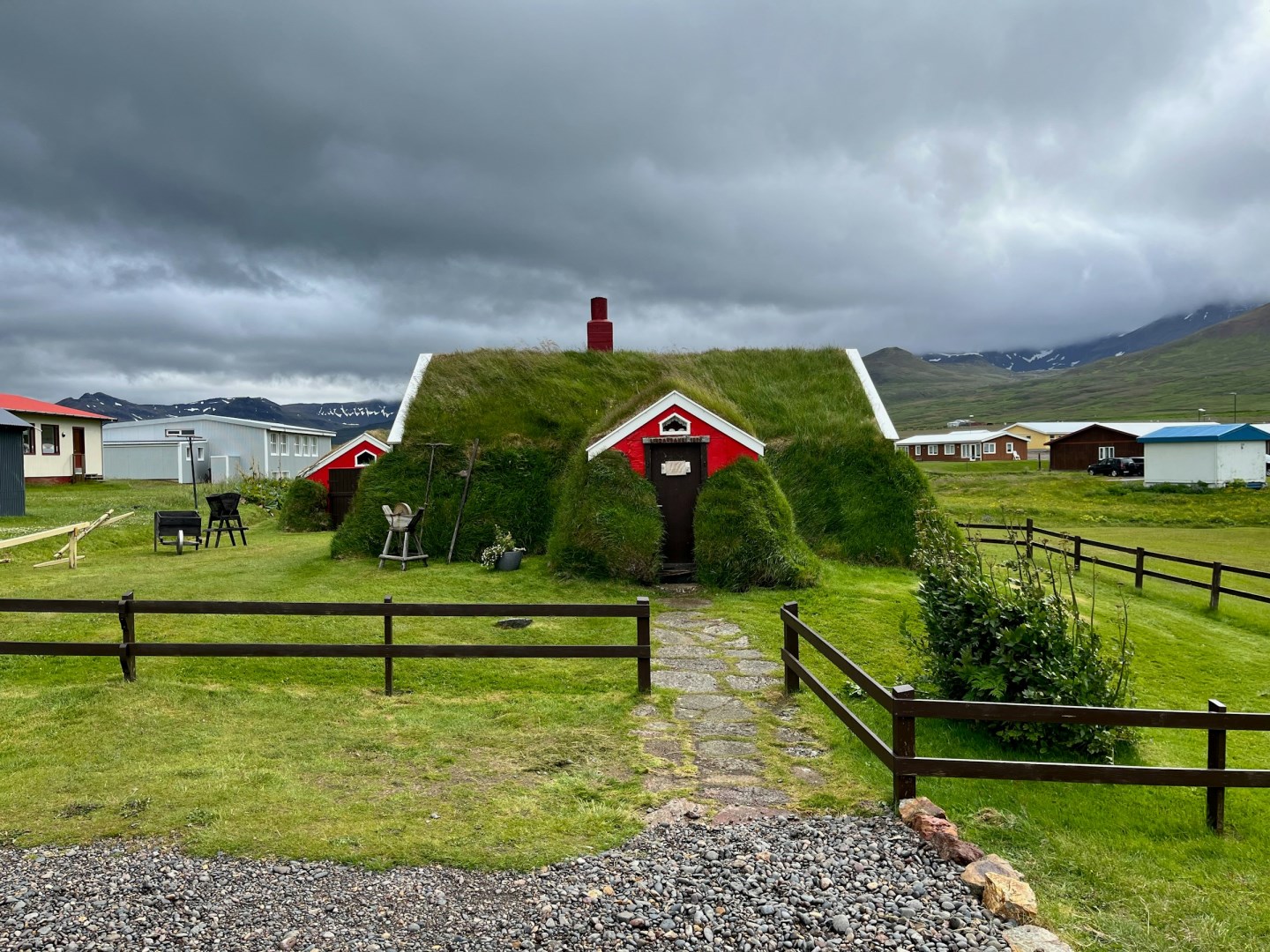
Bakkagerði is a small village in Borgarfjörður Eystri on Iceland’s remote east coast, surrounded by steep mountains, narrow valleys, and the North Atlantic. The village serves as the main settlement and service center for the fjord, with a small harbor and colorful houses scattered beneath the surrounding peaks. Its isolated location gives Bakkagerði a strong connection to the landscape and to traditional rural life.
Akhaltsikhe
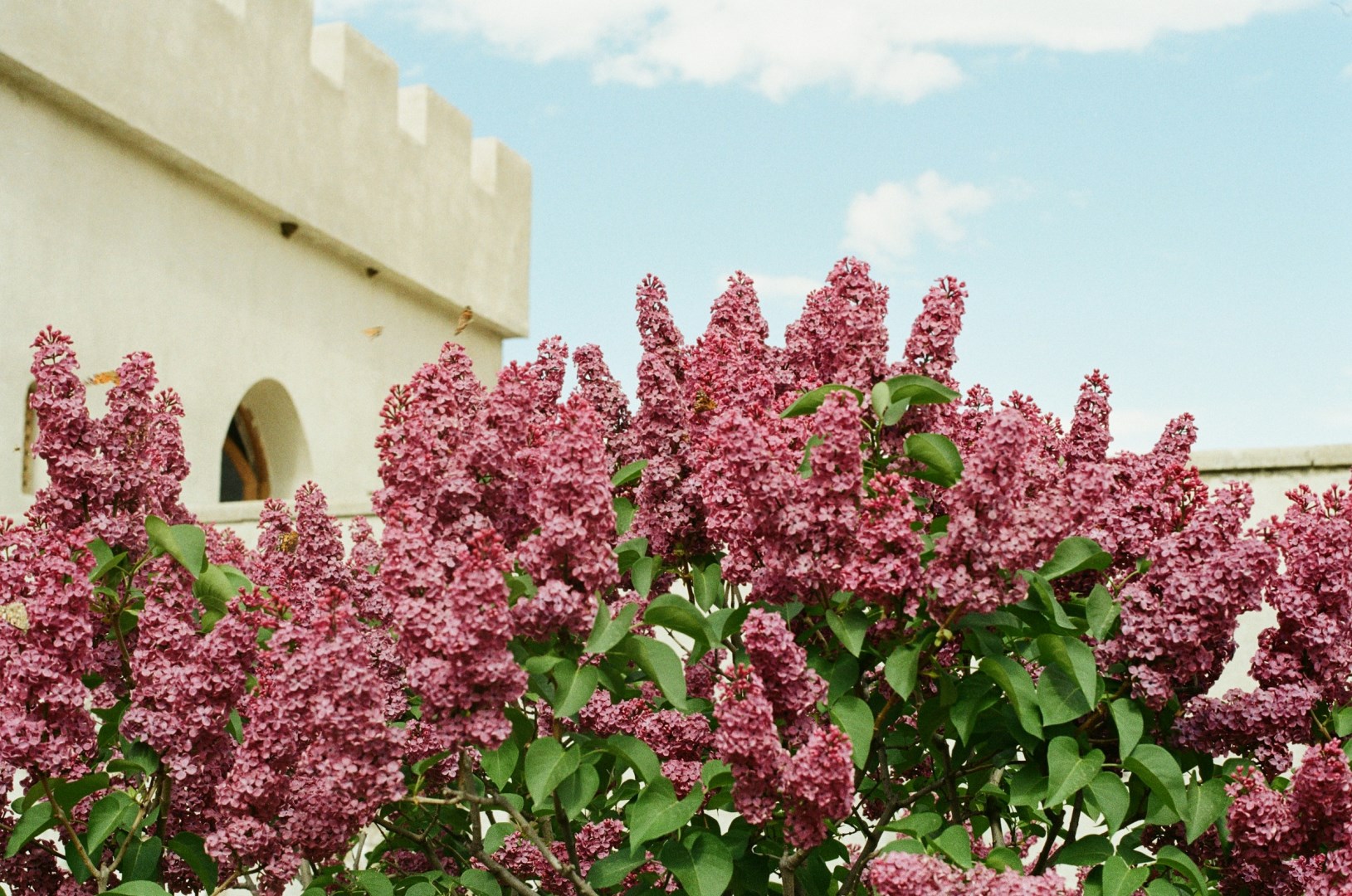
Akhaltsikhe is a regional center in southern Georgia's Samtskhe-Javakheti region, situated in a broad valley along the Potskhovi River. The city is best known for Rabati, its hilltop fortress complex, but its identity extends into an older quarter of stone houses, religious buildings, and traditional streets. The name Akhaltsikhe means “new fortress,” reflecting the city's long association with its fortified center.
Oulu
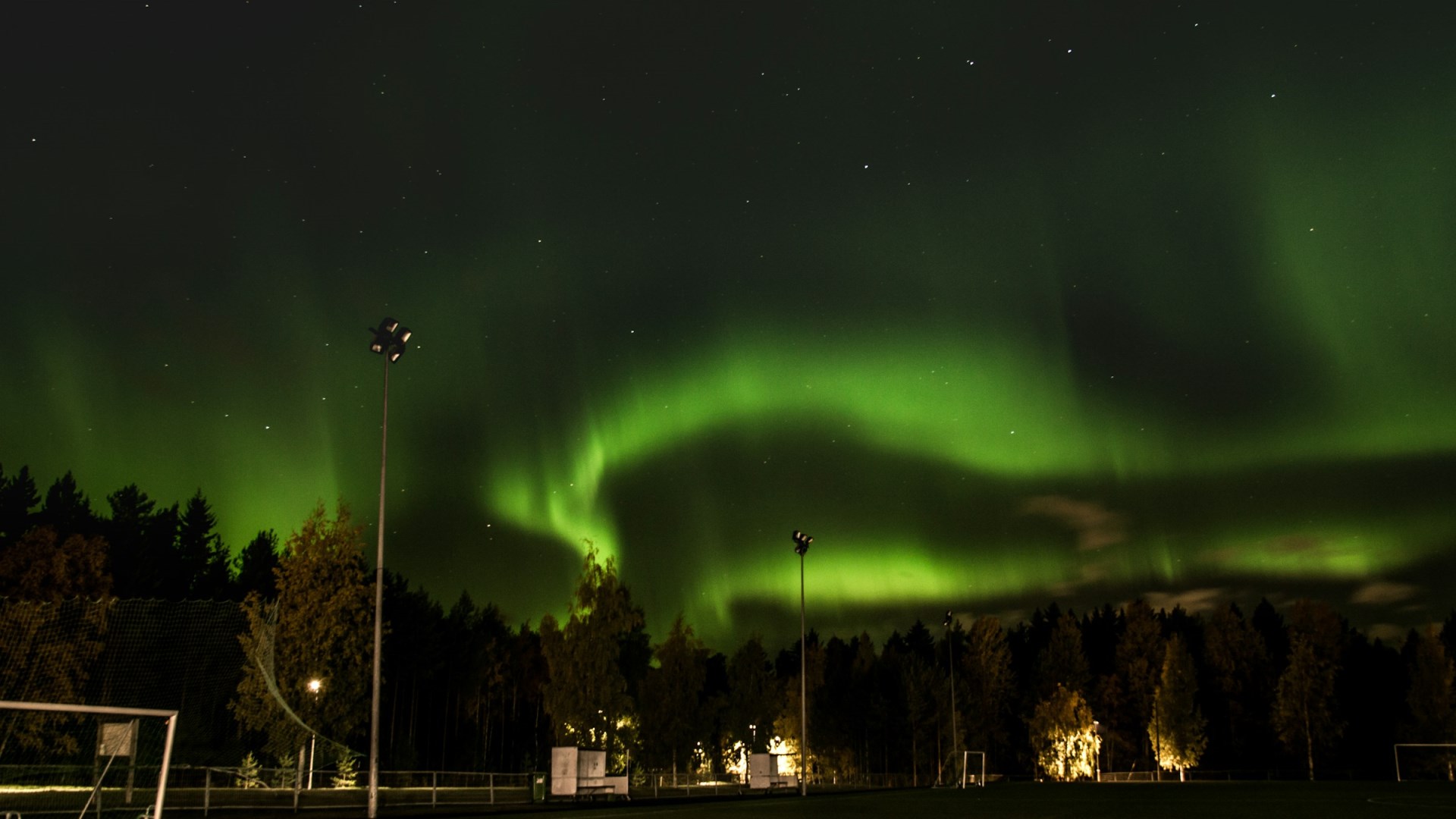
Oulu is a coastal city in northern Finland, situated where the Oulujoki River reaches the Gulf of Bothnia. It is the largest city in northern Finland and an important center for technology, education, culture, and regional services. Water shapes much of the city, with the river, shoreline, islands, and nearby wetlands providing spaces for recreation. Oulu is also known for its extensive network of cycling routes, which connects residential districts with the city center and surrounding countrysi
Bartolomé Island
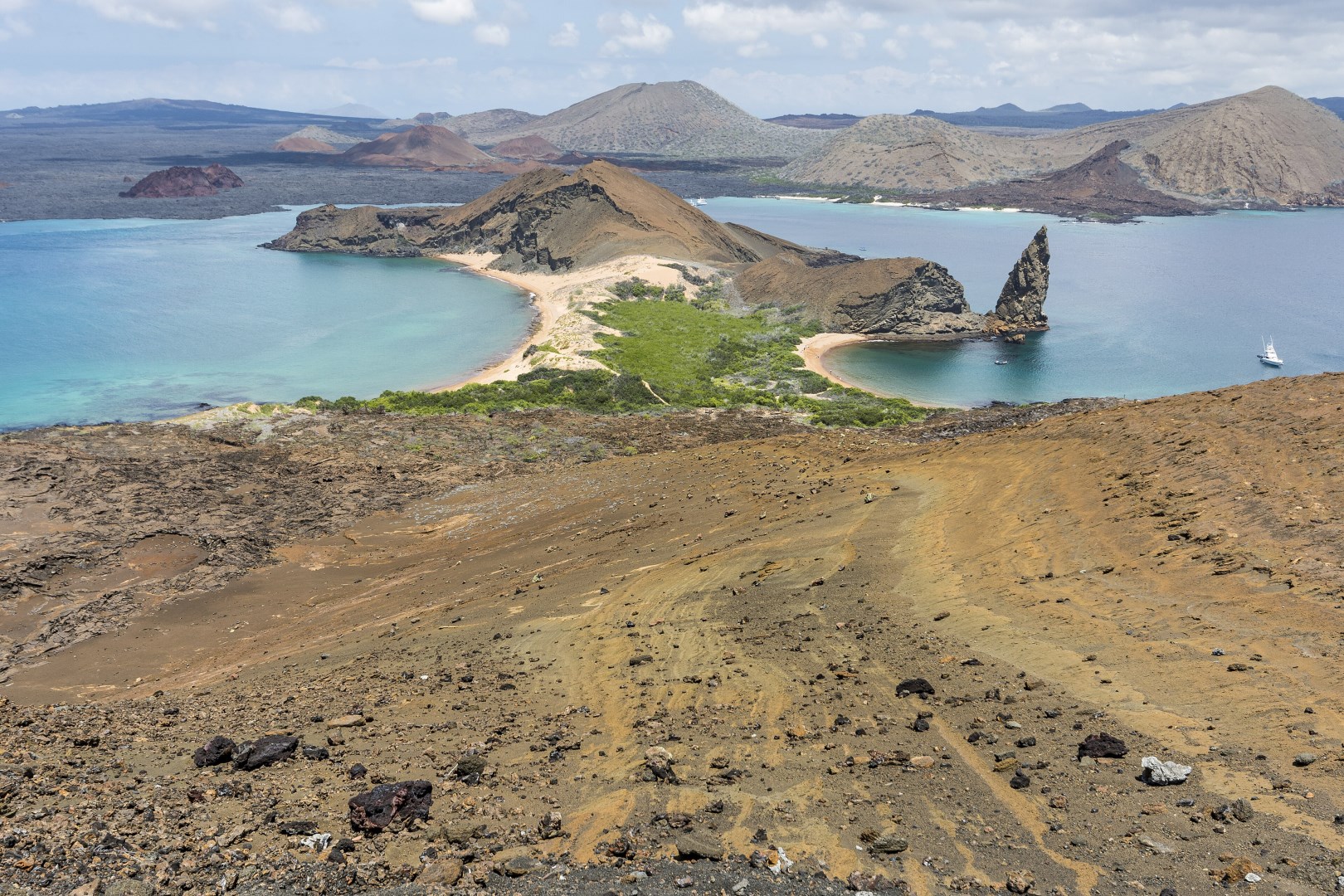
Bartolomé Island, one of the most iconic destinations in the Galápagos archipelago, is known for its dramatic volcanic landscape and the postcard-perfect view from its summit. Just off the east coast of Santiago Island, this uninhabited islet draws visitors for its unique terrain with lava flows, spatter cones, and a rust-colored cinder cone that rises sharply above the sea.