Kagoshima, Japan offers a captivating blend of natural beauty, cultural heritage, and culinary delights. Nestled on the southwestern tip of Kyushu, this city is famously dominated by the imposing Sakurajima volcano, one of Japan’s most active volcanoes. Visitors can take a ferry to get up close to the volcano or view it from the Kagoshima City Viewpoint for breathtaking panoramic views.
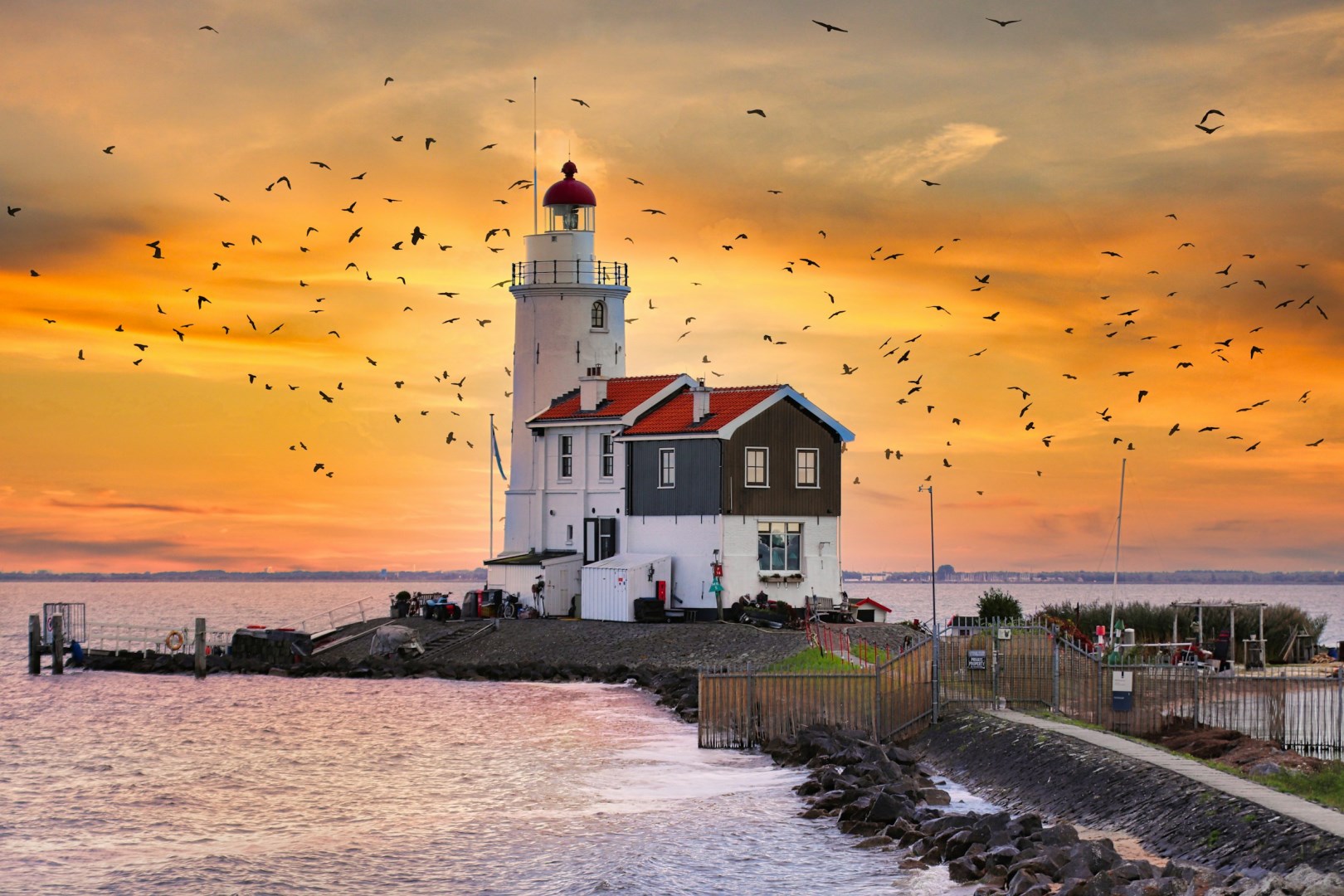
An island in the Iisselmeer until 1957 when it was linked to the mainland by a dike. Its unique houses are painted deep green and built on stilts to protect them against the raging sea.
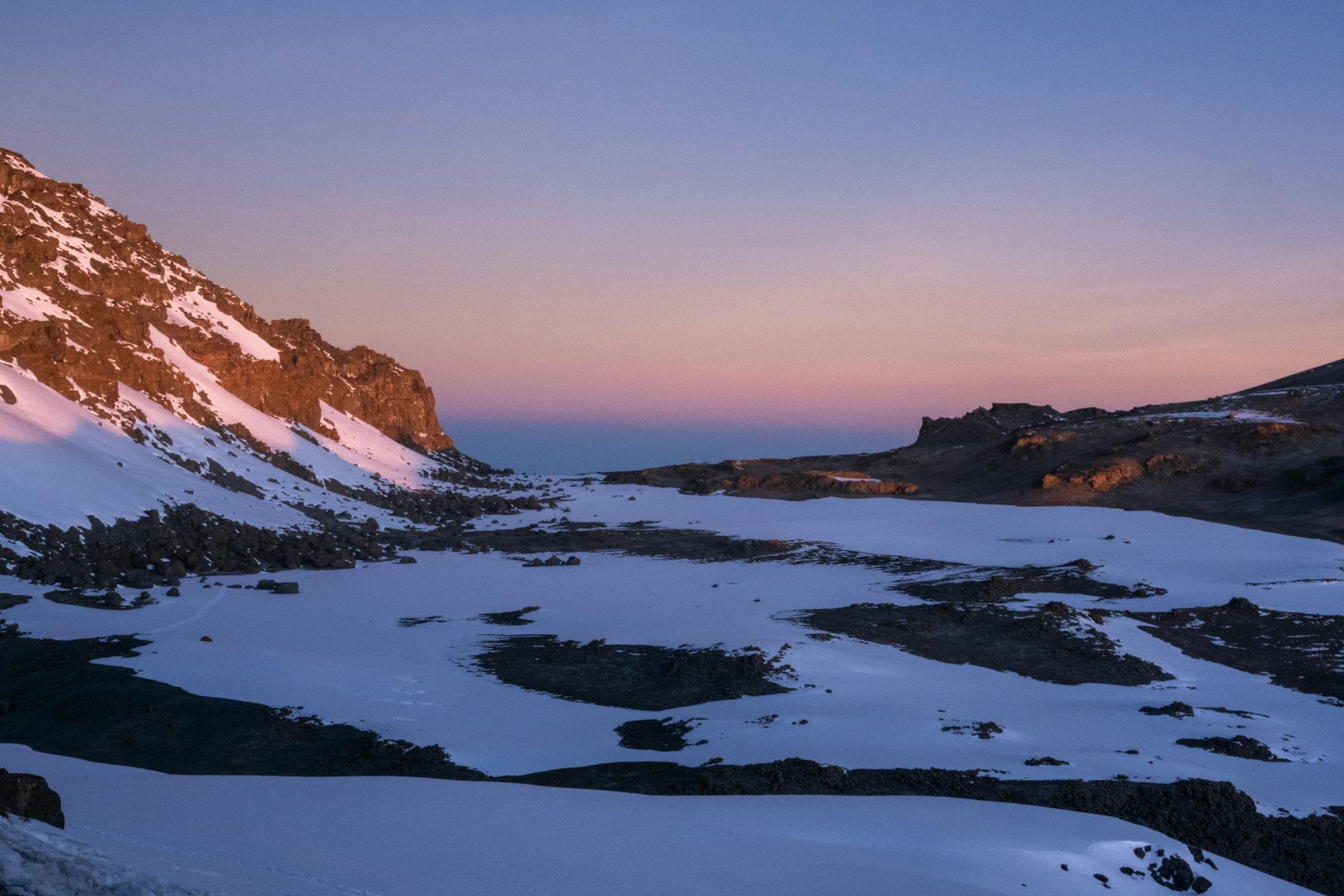
Uhuru Peak is the highest point on Mount Kilimanjaro in northern Tanzania, reaching 5,895 metres above sea level. It stands on Kibo, the mountain’s highest volcanic cone, and forms the summit of the highest free-standing mountain in the world. The route to the peak passes through several distinct ecological zones, beginning with cultivated land and montane forest before reaching moorland, alpine desert, and the high-altitude summit zone.
Photo Credit: Photo by Andrea Huls Pareja on Unsplash
Photo Credit: Photo by Bonnie Kittle on Unsplash
Photo Credit: Photo by Andrea Huls Pareja on Unsplash
Photo Credit: Photo by Bonnie Kittle on Unsplash
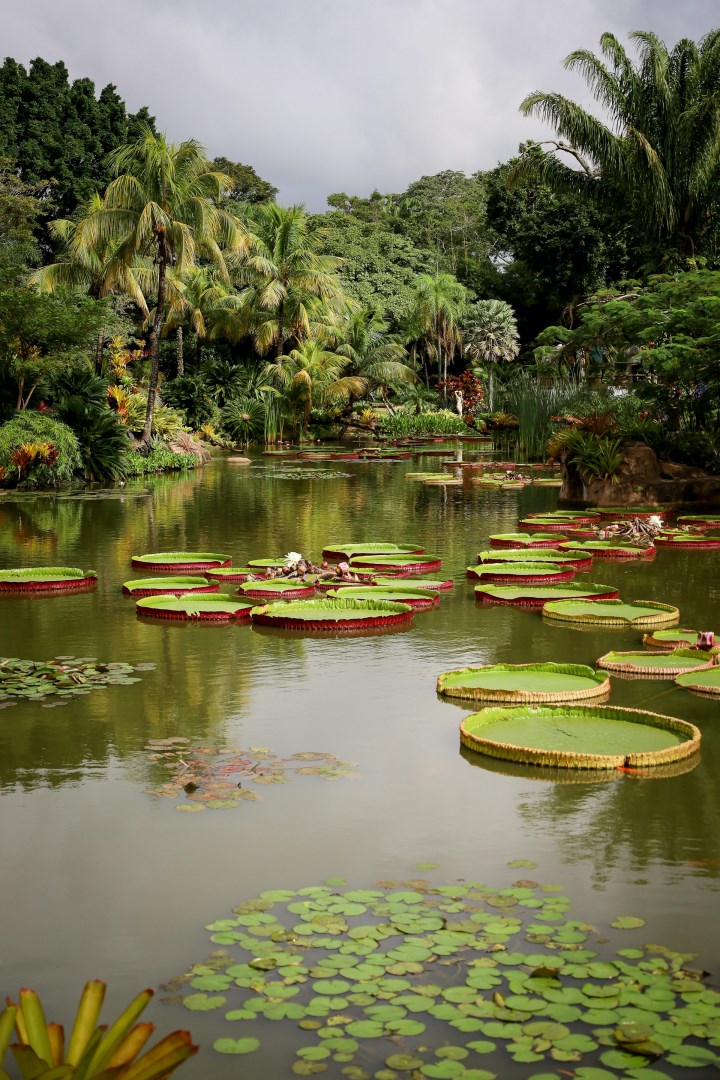
Santa Cruz is in stark contrast to La Paz. Climate is tropical and altitude is only 1,250 feet. It is on the eastern lowland side of the Andes mountain range and one of the gateways to Bolivia's jungle area. Trinidad is the other. Much of Bolivia's natural resources, including agricultural products, are found in this area. Although Santa Cruz has grown tremendously some parts of downtown still retain a look of an Old West frontier town. Carnival is an especially happy time to be in Santa Cruz.
Other Popular Destinations in Bolivia
La Paz
La Paz, Bolivia’s seat of government, is one of the world’s highest capital cities, dramatically set in a deep canyon carved by the Choqueyapu River. Founded in 1548 atop an important Indigenous settlement, the city has long been a crossroads of Andean cultures, colonial history, and modern political life.
Lake Titicaca
Lake Titicaca, perched at over 3,800 meters above sea level, is the highest navigable lake in the world and a place where ancient stories still echo across the water. Shared by Bolivia and Peru, this lake has long been considered sacred by the Andean peoples. According to Inca legend, it was from Titicaca’s deep blue waters that the first humans were created. Today, the lake remains a center of cultural tradition, spiritual significance, and daily life for many who live along its shores.