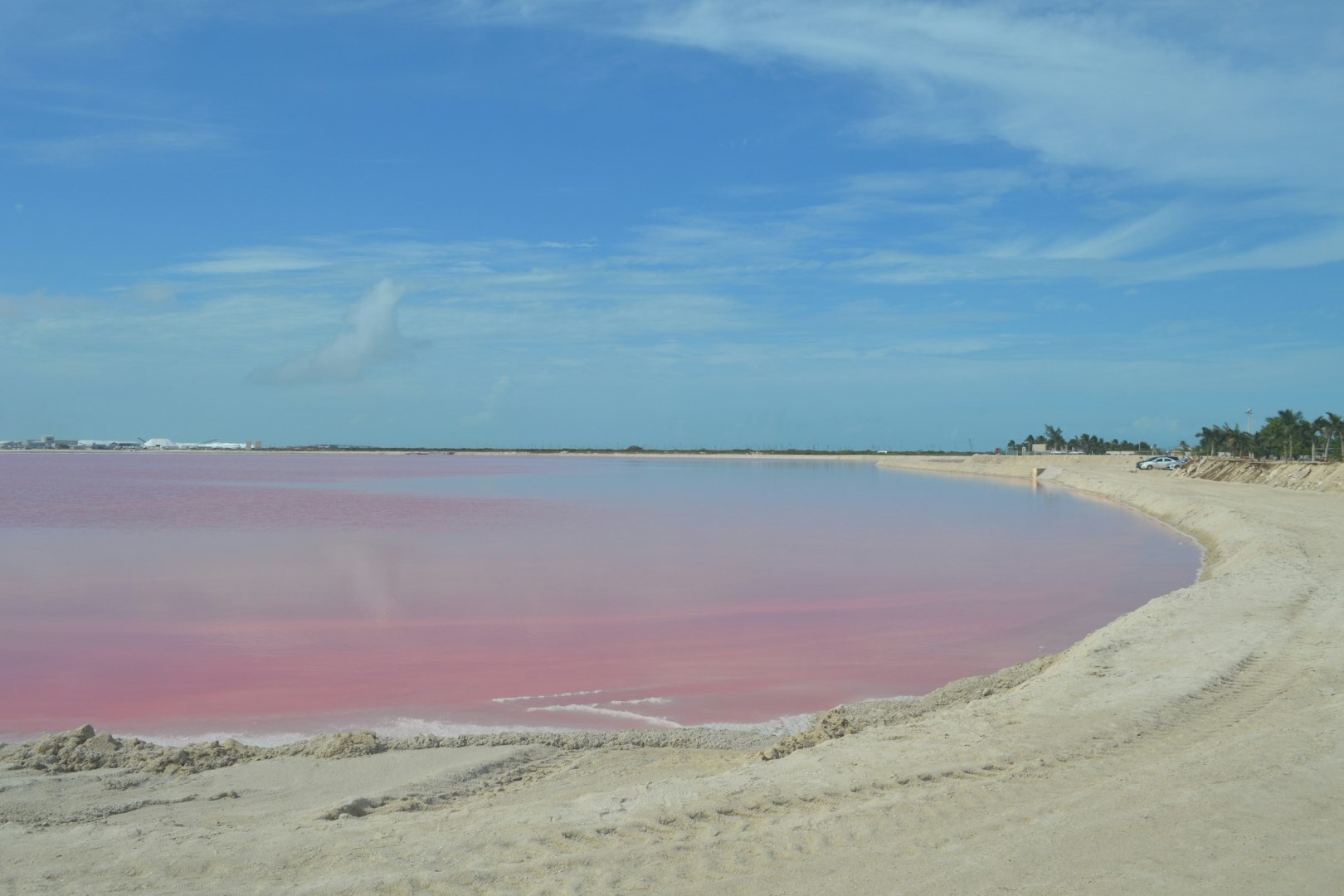
Las Coloradas
This small fishing town was put on the map by social media influencers. The area's main attraction is its pink lakes, where boat tours cruise the water among the birds, crocodiles, and flamingos.

Nosy Be
Nosy Be, often called the “Perfume Island” due to its fragrant ylang-ylang trees, is Madagascar’s largest and most popular tourist destination. Situated off the northwest coast of Madagascar, this tropical paradise boasts powdery white sand beaches, turquoise waters, and lush inland rainforests, making it an idyllic escape for beach lovers, nature enthusiasts, and adventure seekers alike. Nosy Be is renowned for its stunning marine life.
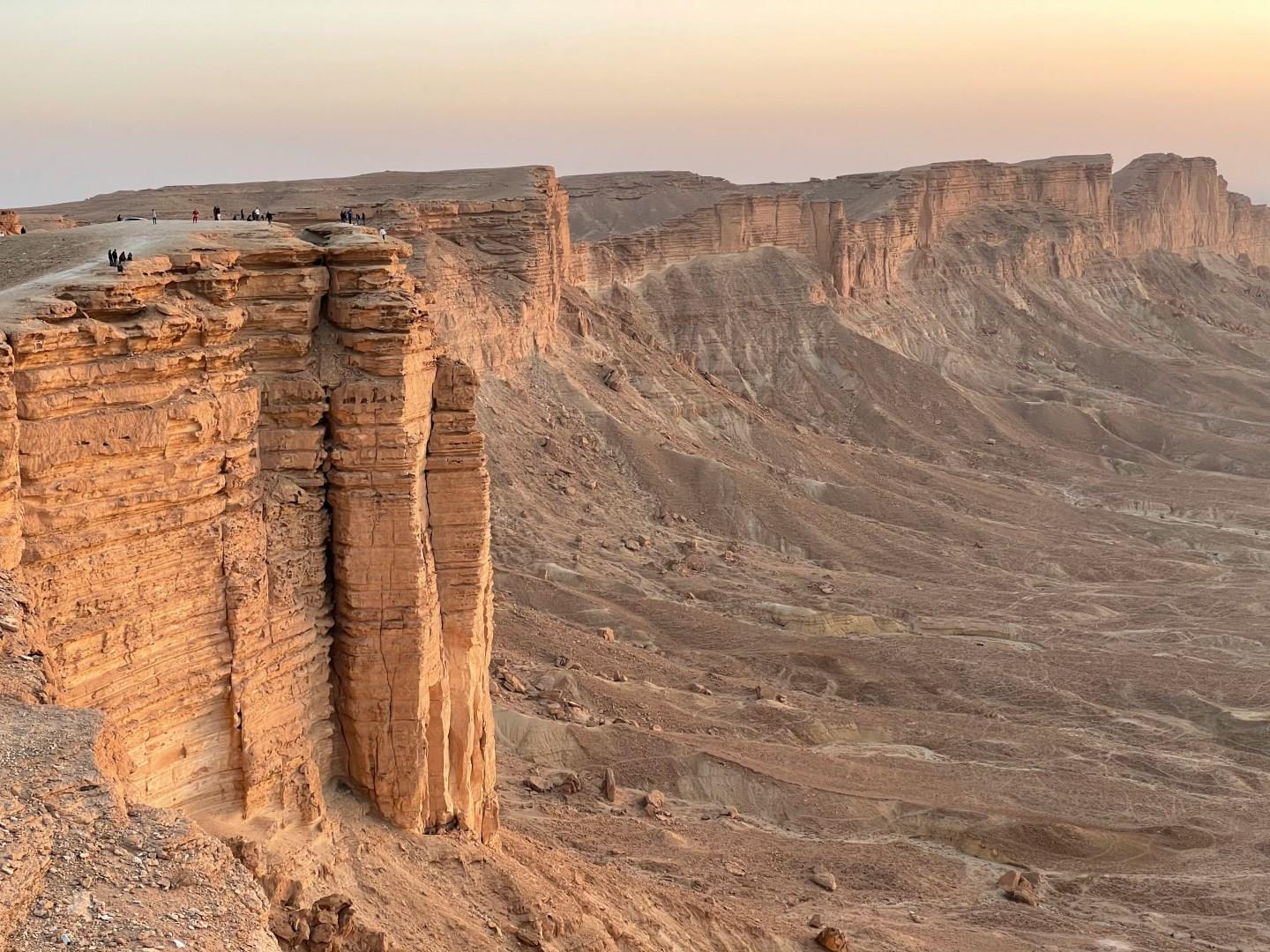
Riyadh
Riyadh blends stories from centuries with modern splendor. At its core stands Al Masmak Fortress, built of clay and mud-brick in the 19th century. It was the site that set the stage for the unification of Saudi Arabia. Today, it’s a museum that preserves weapons, historical displays, and accounts of that pivotal moment. Adjacent to the fortress, the Souq Al-Zal offers spices, traditional jewelry, and handmade crafts, connecting visitors to the city’s past through its alleyways.
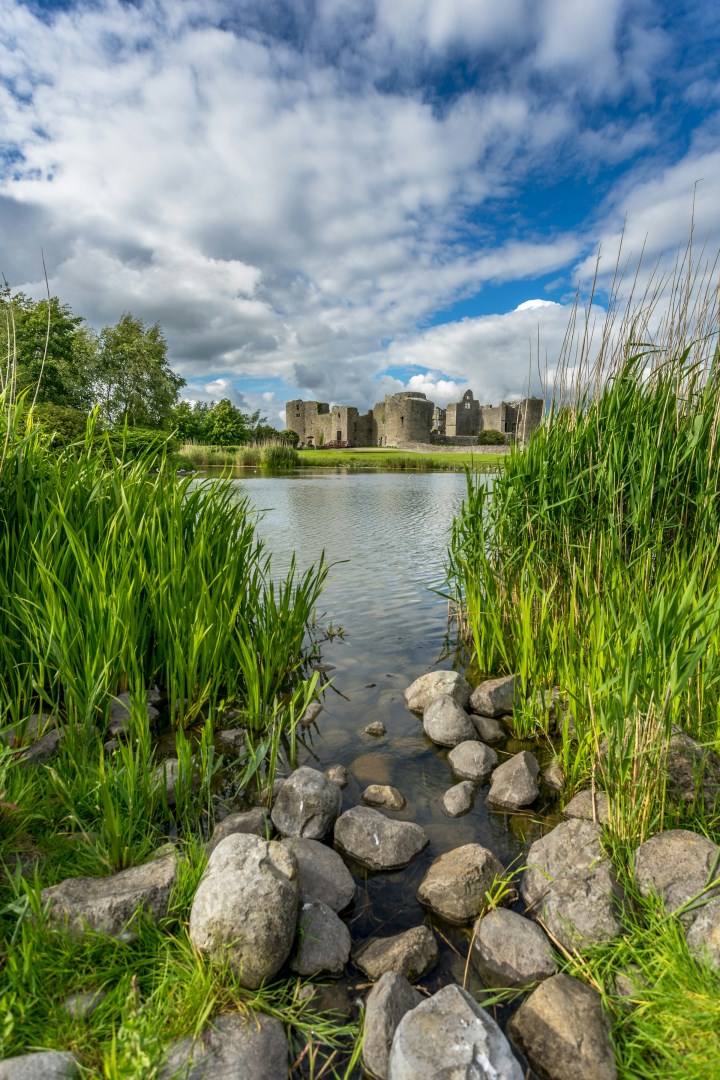
Roscommon
Roscommon is a county town in Ireland’s Hidden Heartlands, surrounded by the rural landscapes of central Ireland. The town is known for its collection of historic buildings and its position within a wider countryside of lakes, rivers, woodland, and farmland. Roscommon Castle, a substantial medieval fortress, stands beside Loughnaneane Park, while Roscommon Abbey and the former gaol add further layers to the town’s architectural heritage.
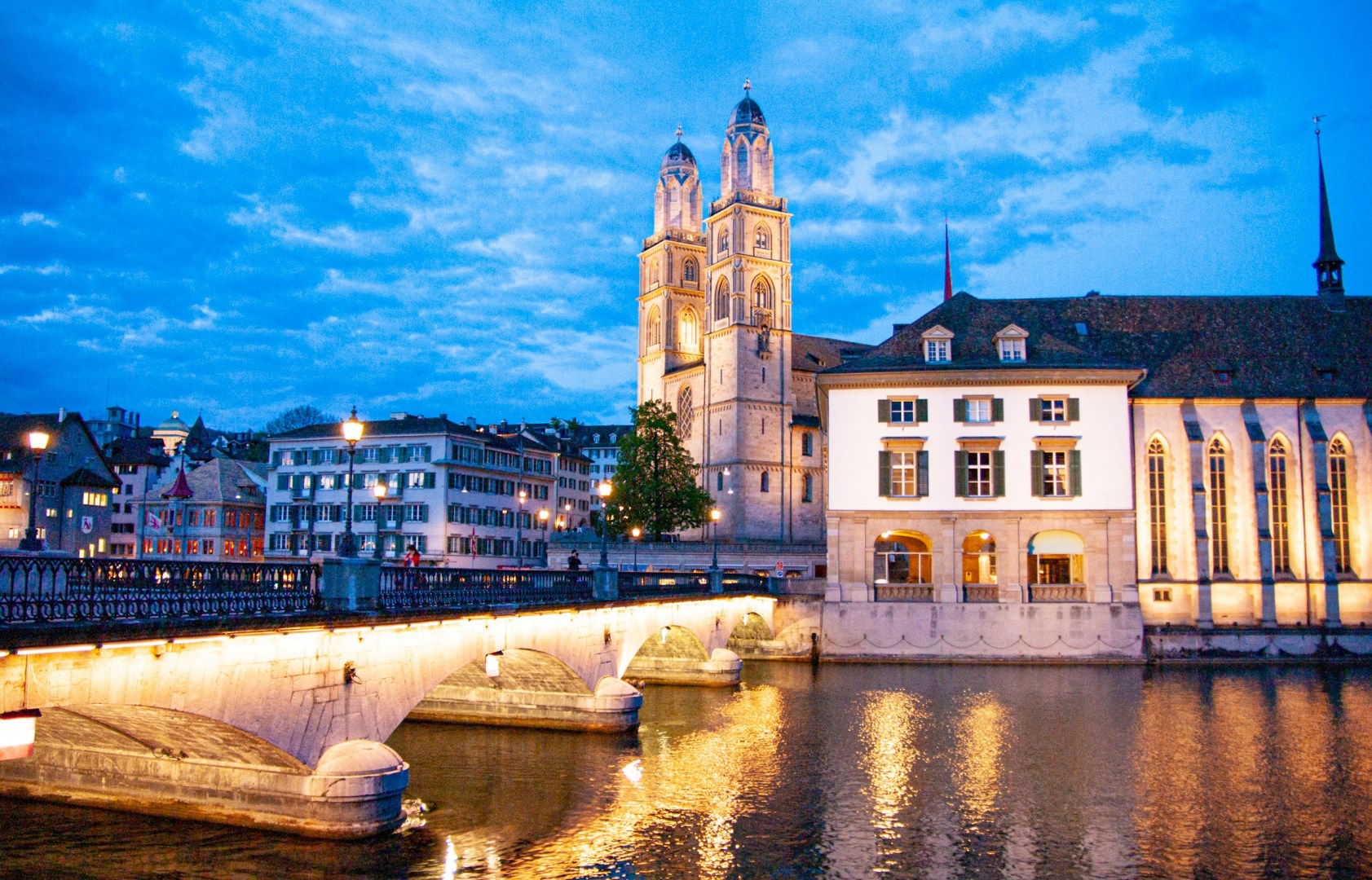
Zurich
Eminently livable and a pleasure to visit, Zurich is Switzerland's largest and most affluent city. This Central European metropolis is an engine of finance and banking, and has much to offer to visitors. There are numerous art museums, fine chocolate stores, and boundless luxury shopping opportunities.