Cusco
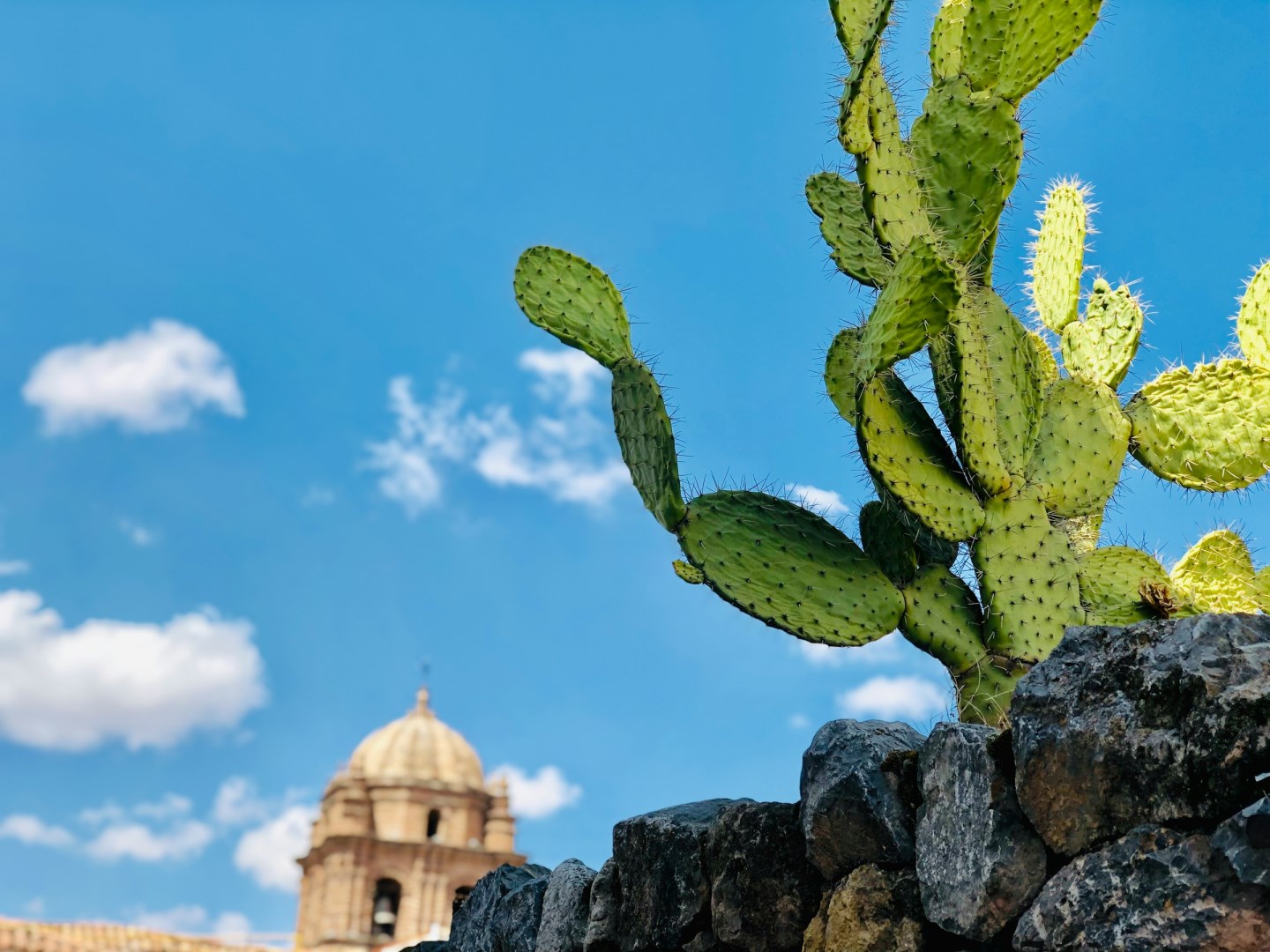
Cusco once served as the heart of the Inca Empire, and that legacy still shapes every corner of the city even as it serves as a gateway to Machu Picchu. Outside the historic center, the ruins of Sacsayhuamán overlook the city from a nearby hilltop. This ceremonial complex is best known for its massive zigzag stone walls, some weighing over 100 tons. During the Inti Raymi festival in June, thousands gather here to reenact ancient Andean rituals.

Lake Louise
Nestled within the stunning Banff National Park in Alberta, Canada, Lake Louise is a paradise for nature lovers and adventure seekers alike. This world-renowned destination is famous for its striking turquoise lake, surrounded by the majestic Rocky Mountains. The lake, often described as one of the most beautiful in the world, is fed by the melting glaciers, creating its characteristic vibrant blue hue.

Chișinău
Chișinău, the capital of Moldova, is a city rich in history and full of surprises for travelers seeking a blend of culture, architecture, and natural beauty. As you wander the tree-lined boulevards, you’ll discover the city’s intriguing mix of Soviet-era buildings, elegant Orthodox churches, and modern structures.
Pinnacle Mountain State Park
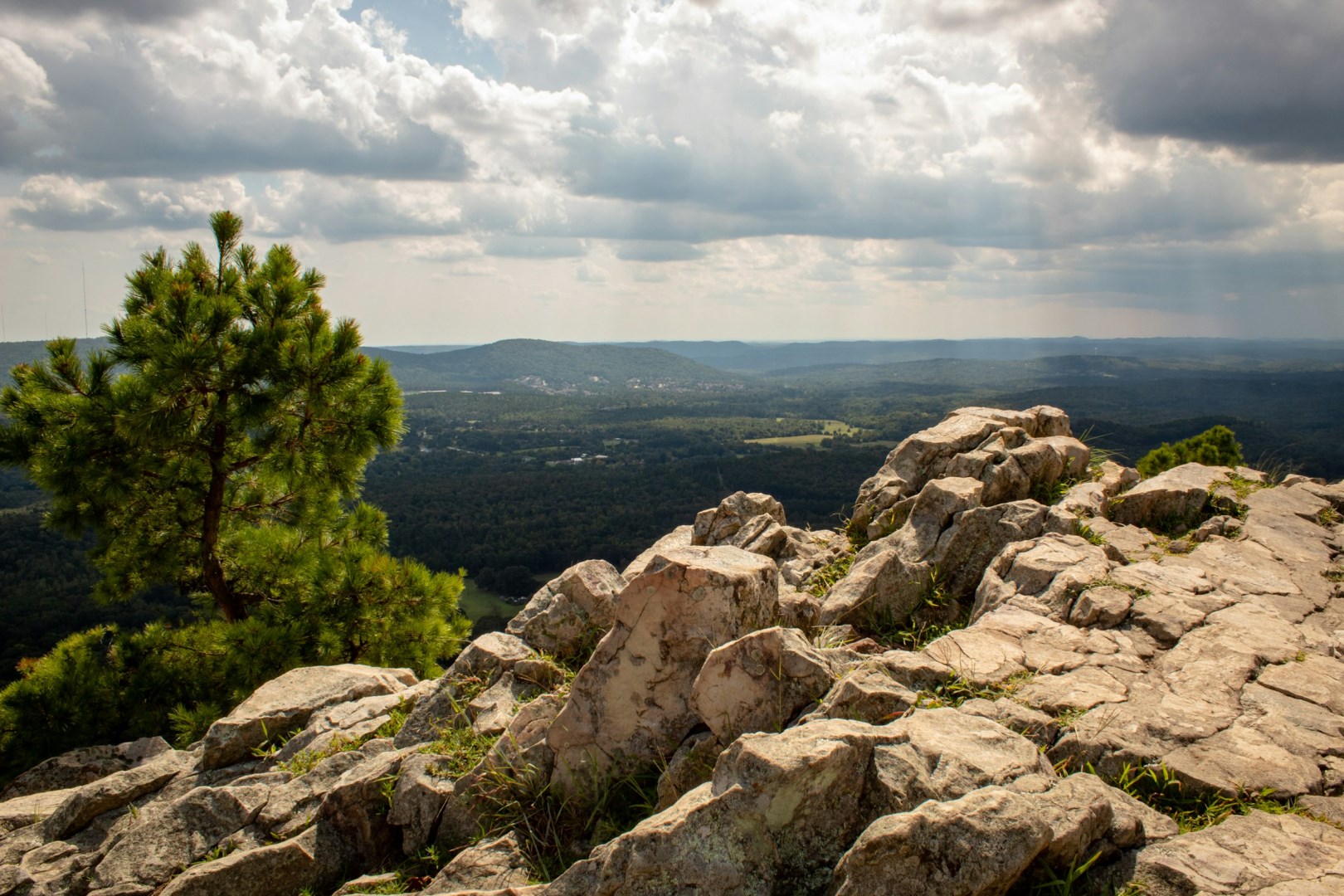
Pinnacle Mountain State Park is a protected recreation area west of Little Rock, Arkansas, centered on the distinctive summit of Pinnacle Mountain. The park covers more than 2,300 acres along the Arkansas River and combines forested slopes, rocky ridges, wetlands, and open river landscapes. Pinnacle Mountain rises above the surrounding Ouachita Mountain foothills and is one of the most recognizable natural landmarks near the state capital.

Bruges
Bruges, often referred to as the "Venice of the North," is a city where medieval charm meets modern allure. Nestled in the heart of Belgium's Flanders region, Bruges is renowned for its well-preserved medieval architecture, winding canals, and cobblestone streets that invite visitors to step back in time.