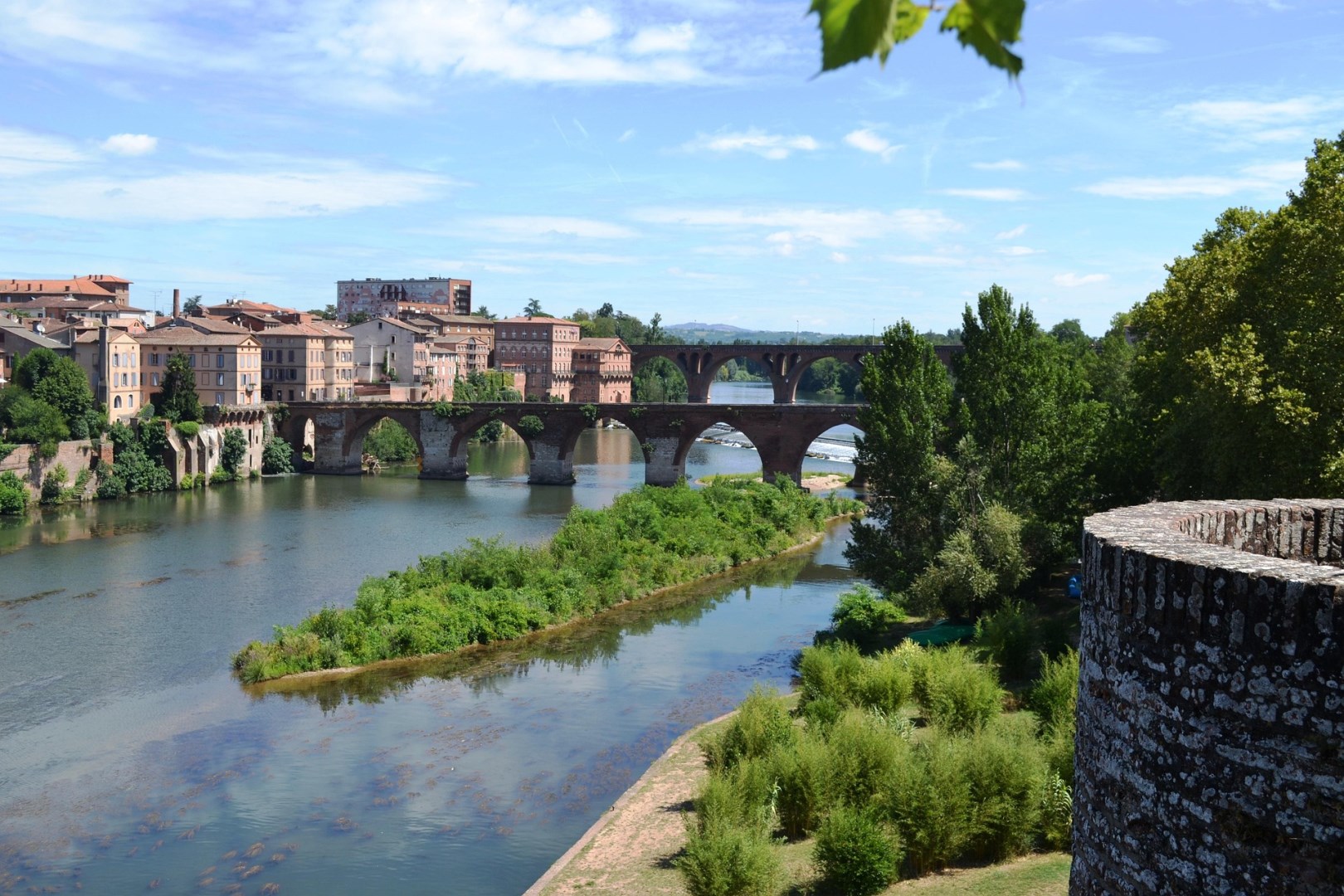
Albi is a city on the River Tarn in southwestern France, known for its distinctive red-brick architecture and compact historic centre. Its Episcopal City, a UNESCO World Heritage Site, brings together the imposing Sainte-Cécile Cathedral, the former Berbie Palace, the Saint-Salvi quarter, and the Pont-Vieux. The city is often called “Albi la rouge” because of the warm tones of its brick buildings.
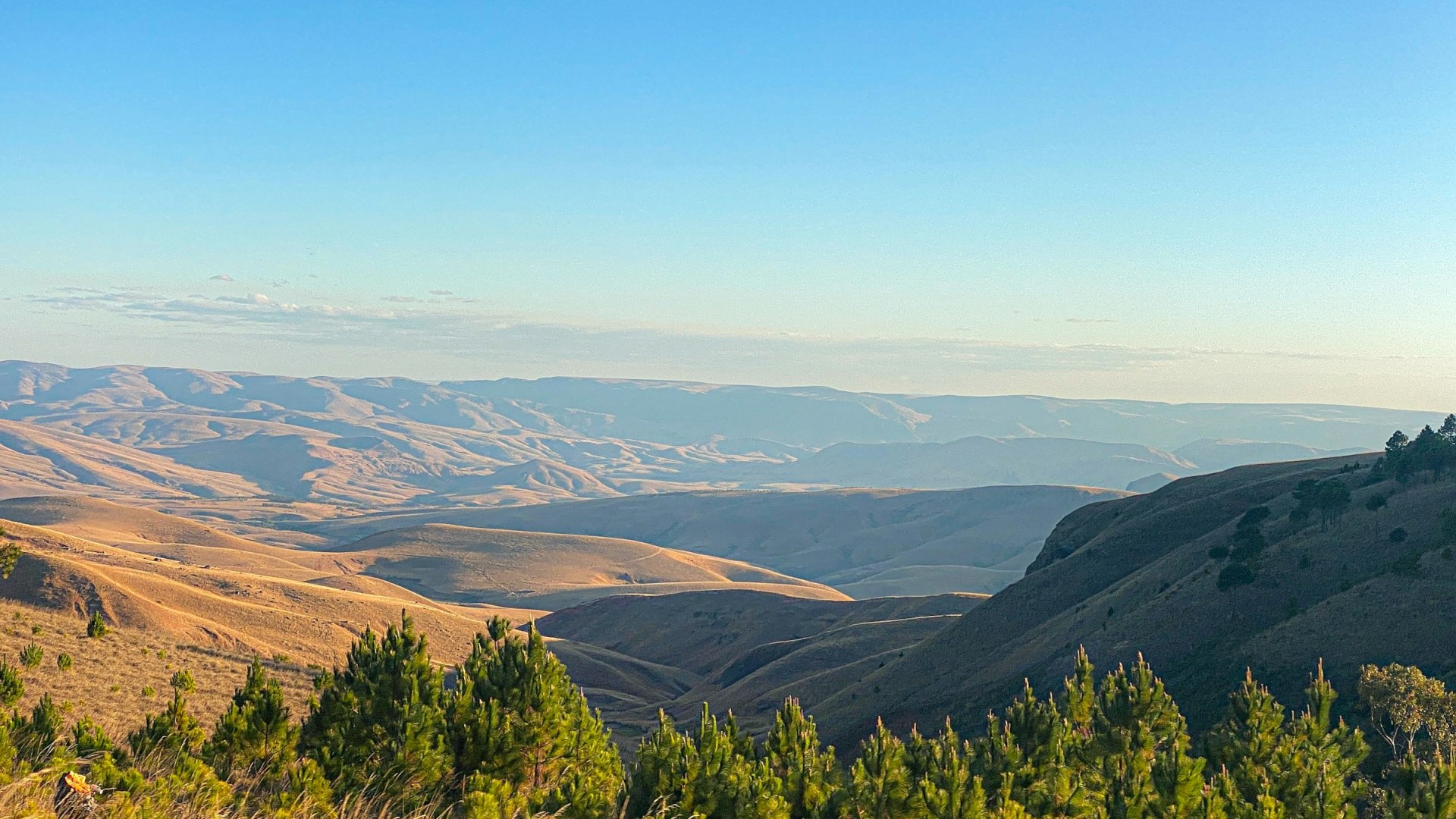
Ankazobe is a rural town in central Madagascar, located in the Analamanga region northwest of Antananarivo. The surrounding landscape consists of rolling highlands, open grasslands, rice fields, and scattered areas of forest. Its elevated setting gives the area a cooler climate than much of the island's lowland regions. Ankazobe is also part of a broader agricultural zone where farming and livestock keeping shape the countryside.
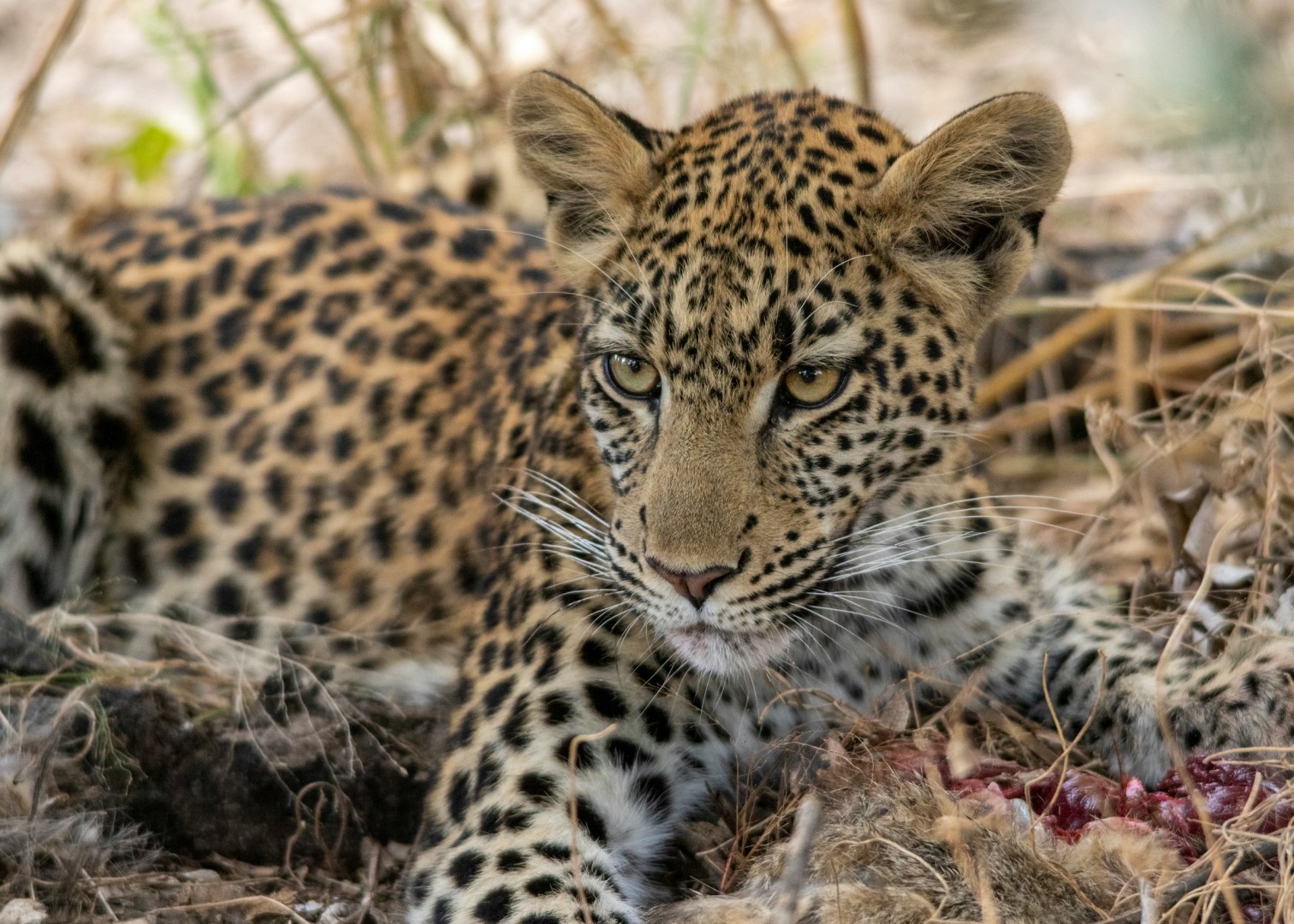
Khwai is a small community in northern Botswana situated beside the Khwai River, on the eastern edge of the Okavango Delta. Its location places the village between the Moremi Game Reserve and the Chobe National Park area, within a landscape of floodplains, seasonal wetlands, grasslands, mopane woodland, and riverine forest.
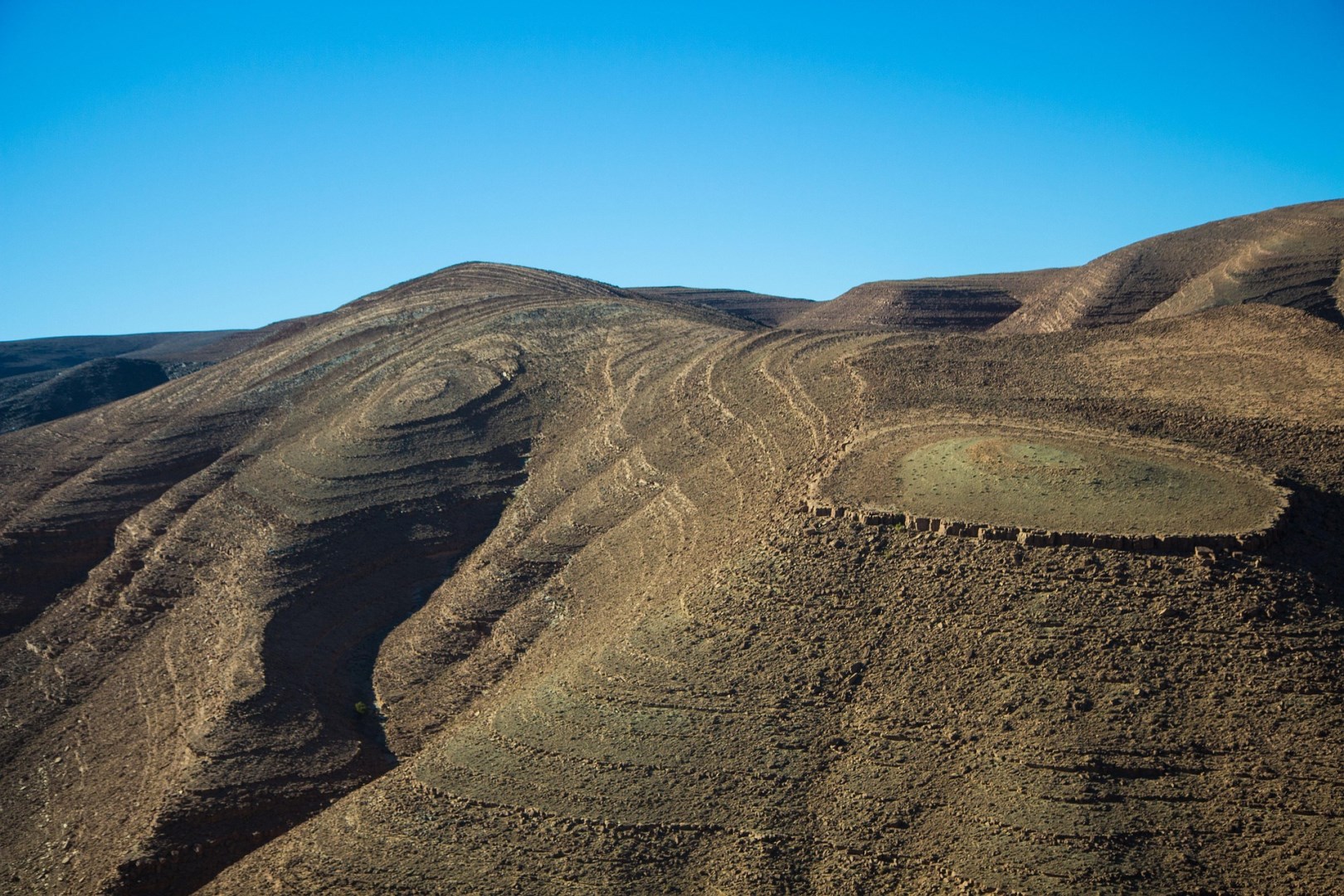
The Atlas Mountains extend across Morocco, Algeria and Tunisia, forming a vast system of ranges between the Mediterranean and Atlantic coasts and the Sahara.
The Whitsunday Islands sit in the heart of Australia’s Great Barrier Reef, where more than 70 islands rise from wide blue seas and offer an invitation to explore. Whitsunday Island itself is the largest of this group, known internationally for its ribbon of white silica sand stretching over seven kilometers at Whitehaven Beach. This sand feels cool underfoot even in warm sunshine because it’s made of nearly pure silica carried there by ancient ocean currents.
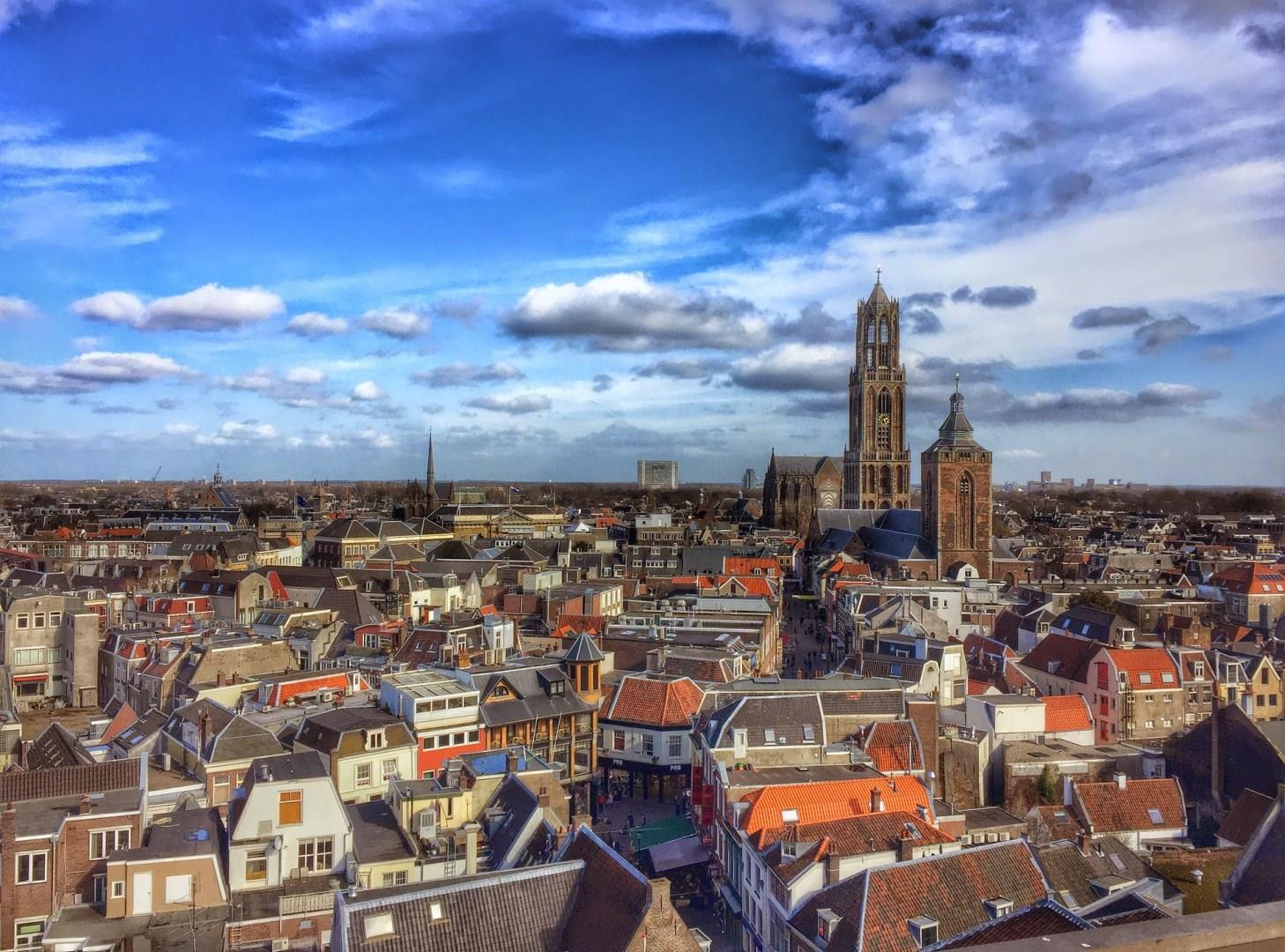
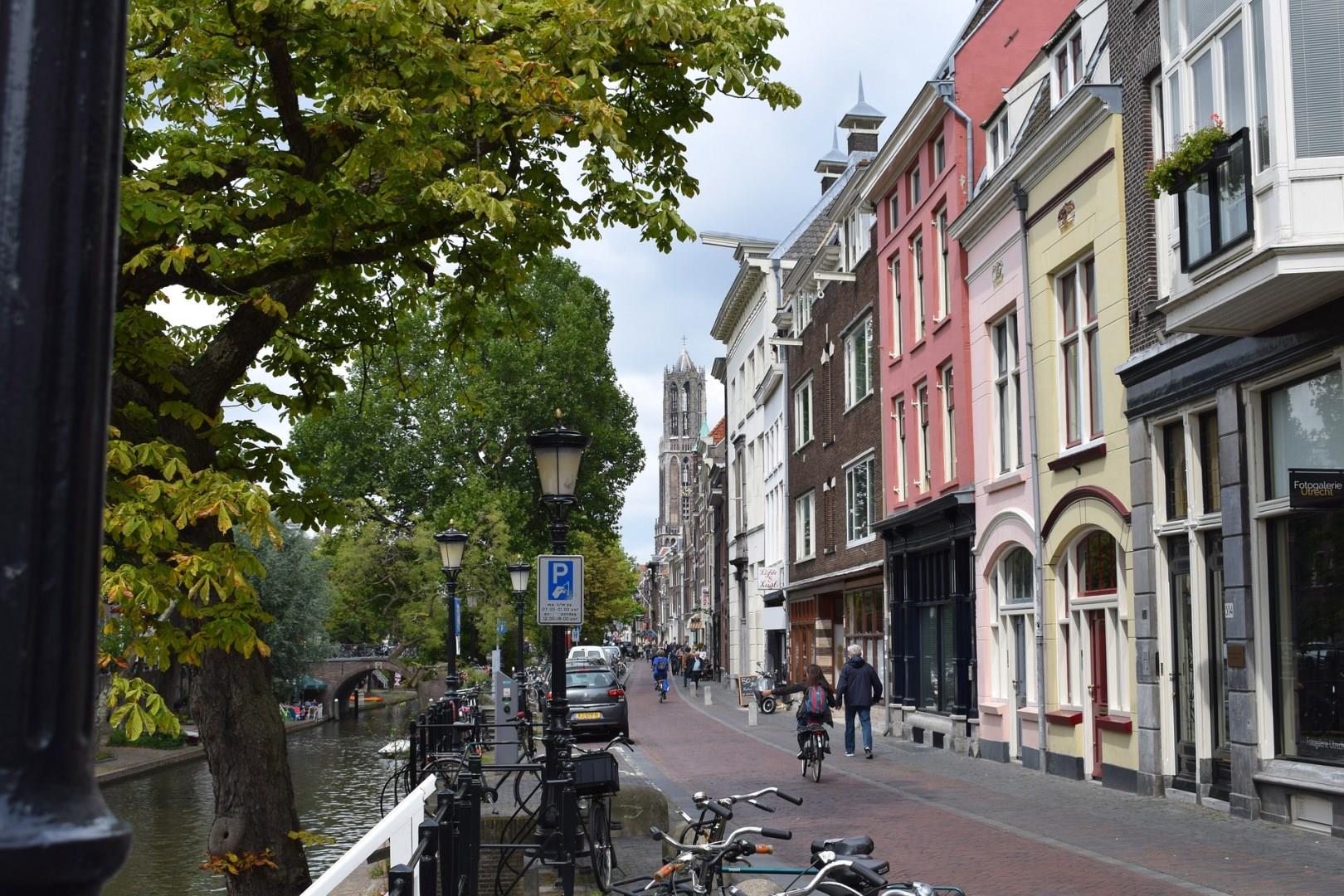
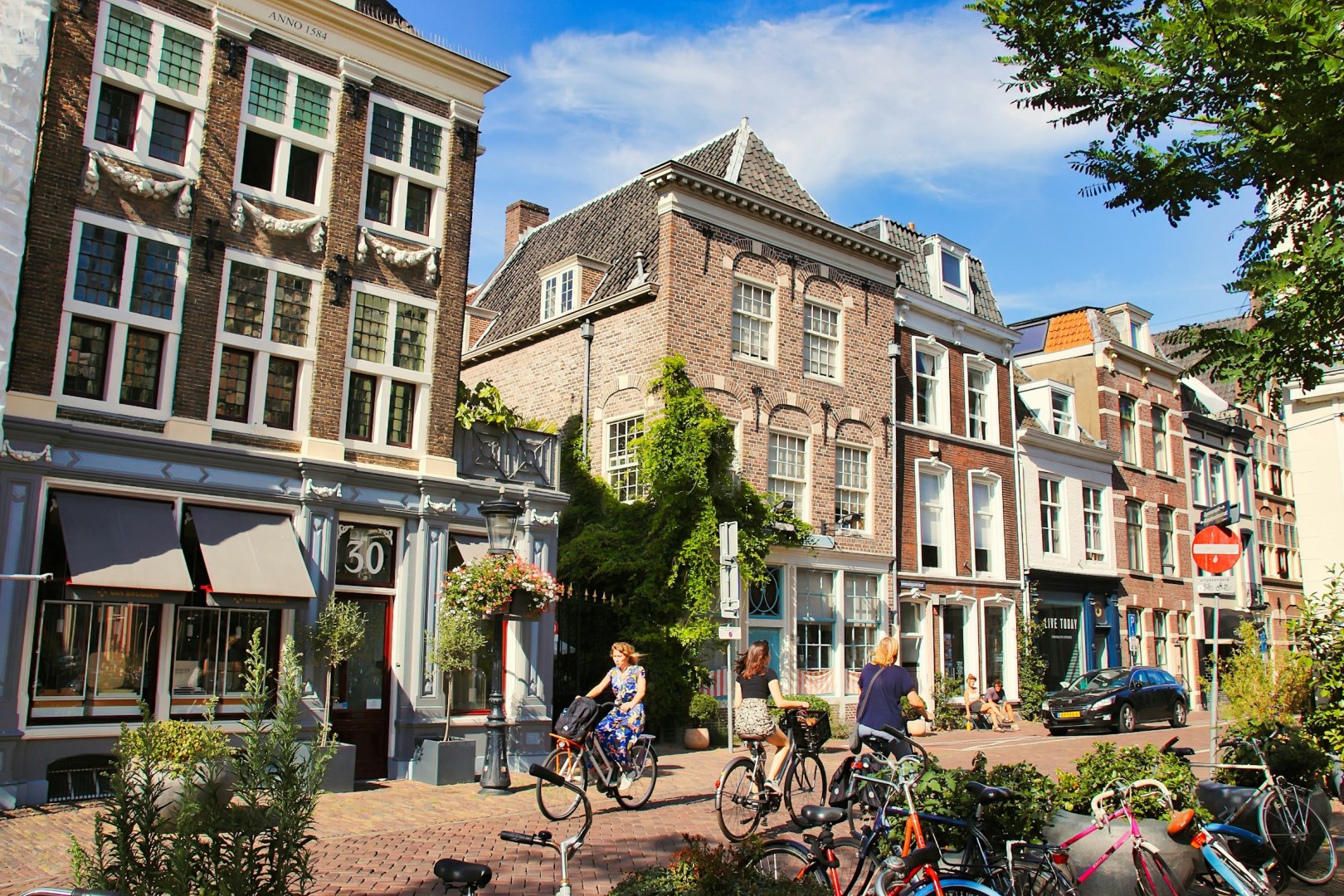
Utrecht, a charming city in the Netherlands, offers a captivating blend of history, culture, and modern vibrancy. Dominated by its striking Dom Tower, the tallest church tower in the Netherlands, Utrecht invites visitors to climb its 465 steps for panoramic views of the city and the surrounding countryside. This iconic landmark, part of the Dom Church, is a remnant of the medieval era, reflecting Utrecht’s rich historical tapestry.
The city’s picturesque canals, lined with unique wharfs and charming cafes, create an enchanting atmosphere. Utrecht’s Old Canal, with its distinctive lower-level quays, is a favorite spot for a leisurely stroll or a boat tour. The canals are a remnant of the city's medieval waterway system and provide a scenic backdrop for exploring Utrecht’s vibrant neighborhoods.
Culture enthusiasts will appreciate Utrecht’s diverse museums and galleries. The Centraal Museum showcases a wide range of exhibits from contemporary art to historic artifacts, including works by the famed Utrecht Caravaggisti. Additionally, the Rietveld Schröder House, a UNESCO World Heritage Site, offers a glimpse into the innovative De Stijl movement with its groundbreaking architecture and design.
For an optimal visit, consider coming in spring or early autumn when the weather is mild and the city’s cultural events are in full swing.
Other Popular Destinations in Netherlands
Amsterdam
Amsterdam, the 17th century capital of Holland, is often called the "Venice of the North" due to its numerous, boat-navigable canals. Truly rich in history, the oldest part of this populous, multicultural city is Sloten, which dates all the way back to the 9th century.
Kinderdijk
Replete with windmills and old-world charm, the village of Kinderdijk lies east of Rotterdam on the Lek River and is a popular stop for European river cruises. Home to the largest concentration of old windmills in the Netherlands, Kinderdijk was designated a UNESCO World Heritage Site in 1997.