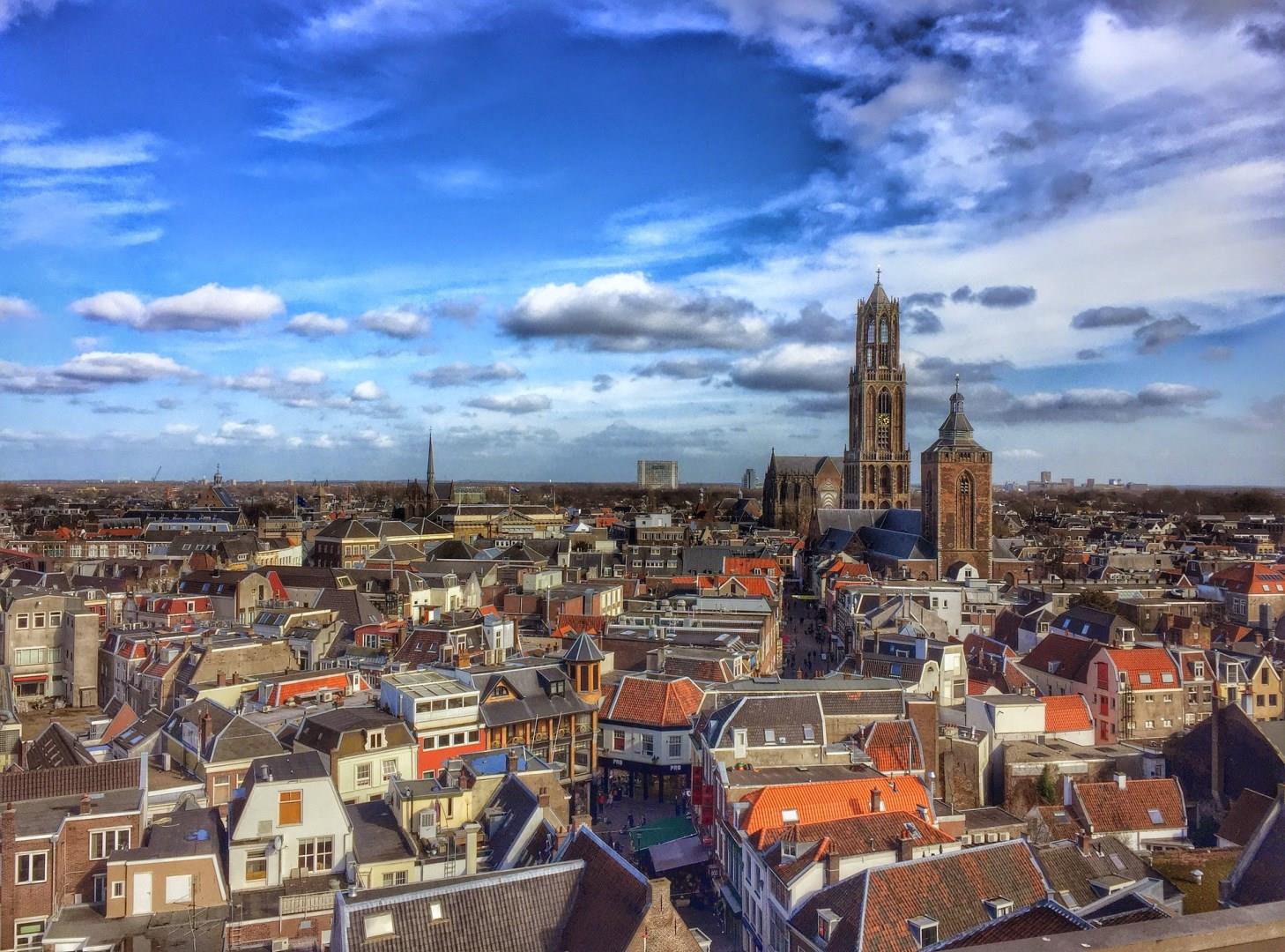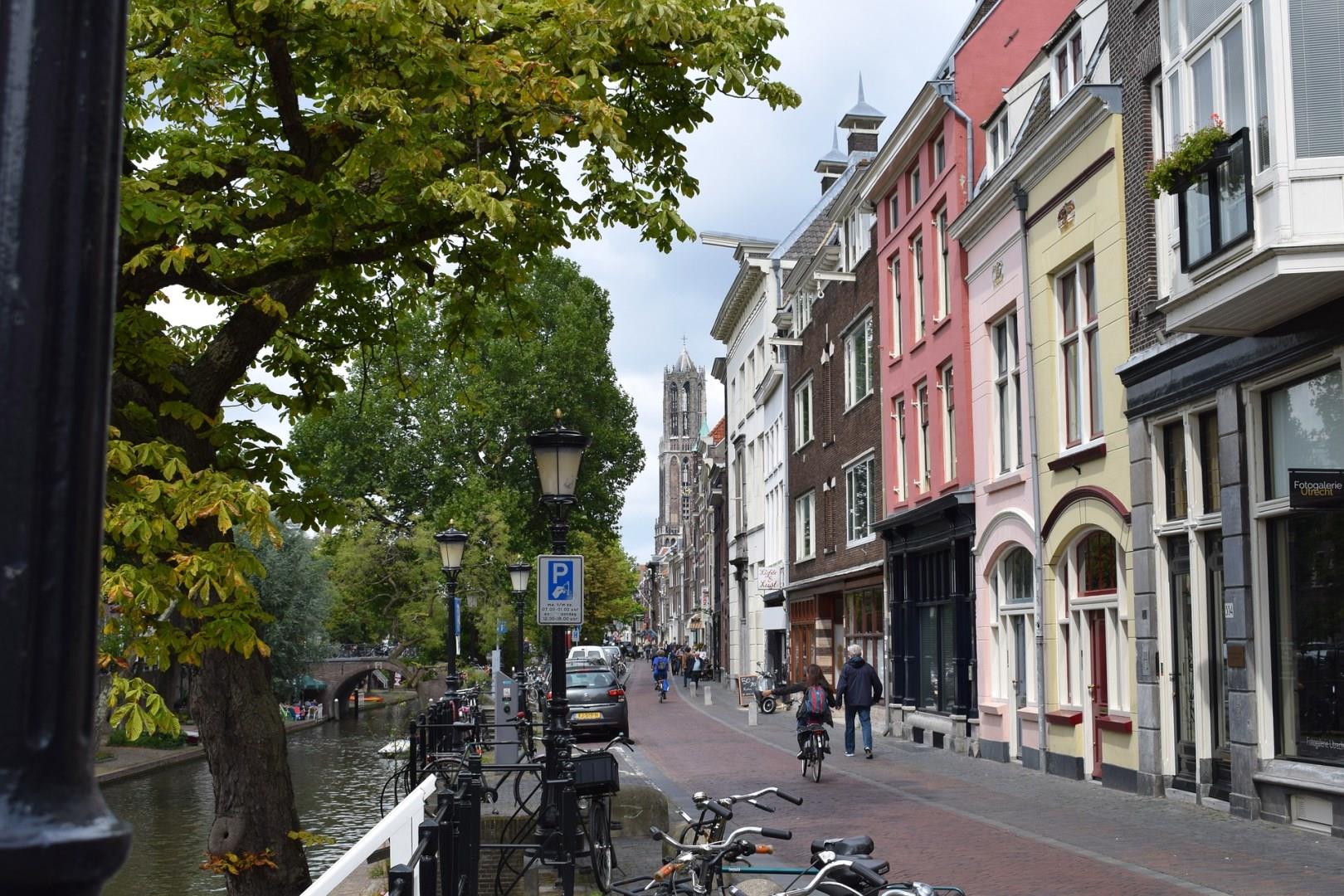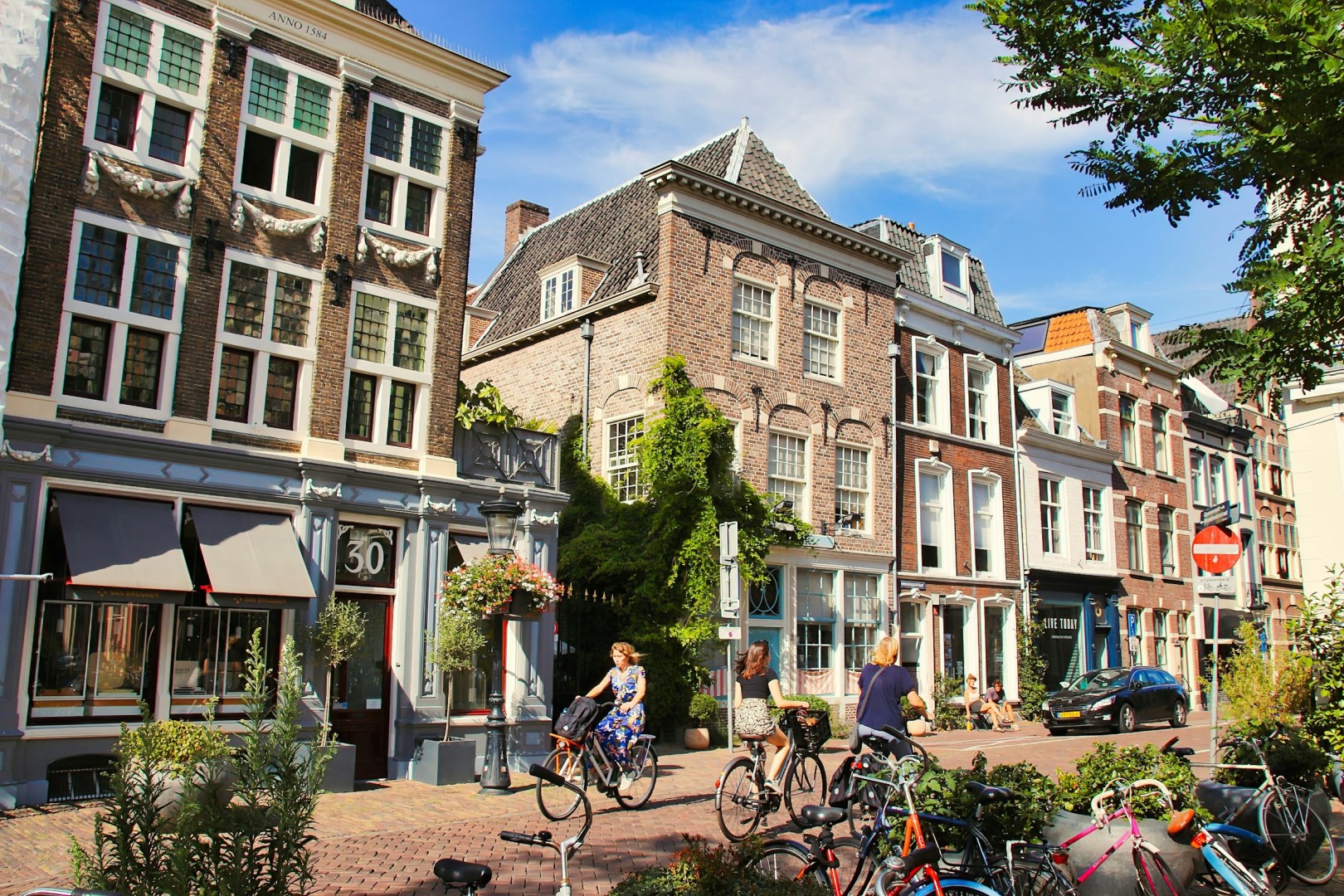
Aguas Calientes
Aguas Calientes, officially called Machupicchu Pueblo, sits in a narrow valley below the ruins of Machu Picchu, shaped almost entirely by geography and access. The town grew around the railway and hot springs that give it its name, becoming a necessary stopping point rather than a destination planned in advance. Its identity is closely tied to movement, with most people arriving on foot or by train and staying briefly before heading uphill.
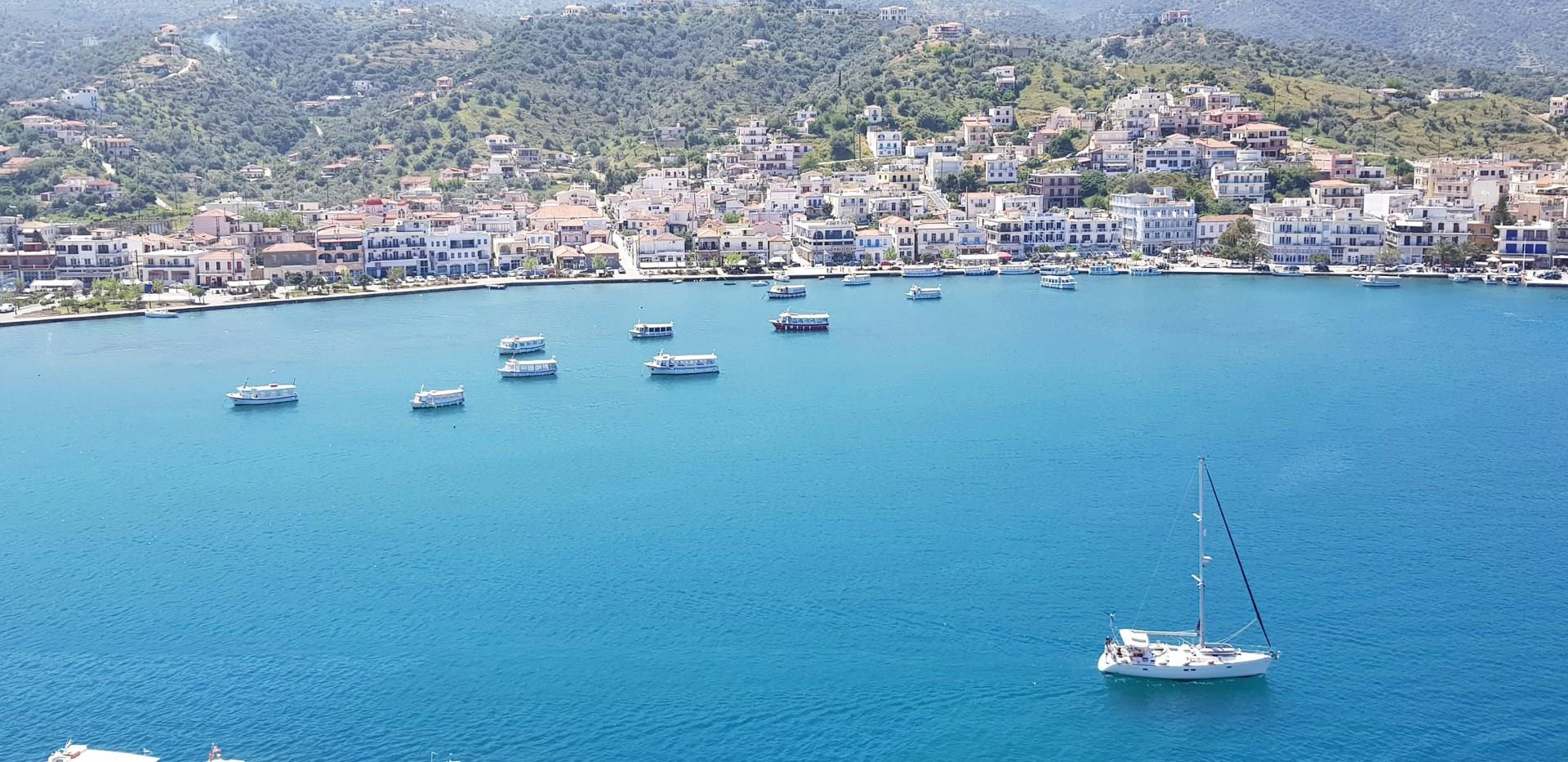
Poros
Poros, a small island in the Saronic Gulf of Greece, is known for its pine-covered hills, neoclassical architecture, and laid-back charm. Just an hour by ferry from Athens, it feels worlds away from the bustle of the capital, offering a slower pace and picturesque scenery.

Japan
Japan is a country where deep-rooted traditions exist alongside cutting-edge innovation. From serene temples and centuries-old castles to neon-lit cities and futuristic technology, it offers travelers an extraordinary variety of experiences

Outer Banks
The Outer Banks are a long chain of narrow barrier islands along the coast of North Carolina, separated from the mainland by broad sounds and connected by bridges and ferries. Communities including Corolla, Duck, Kitty Hawk, Kill Devil Hills, Nags Head, Manteo, Hatteras, and Ocracoke each have distinct settings and local traditions. The landscape is shaped by ocean waves, shifting sand, wind, and storms, creating wide beaches, dunes, marshes, maritime forests, and tidal inlets.
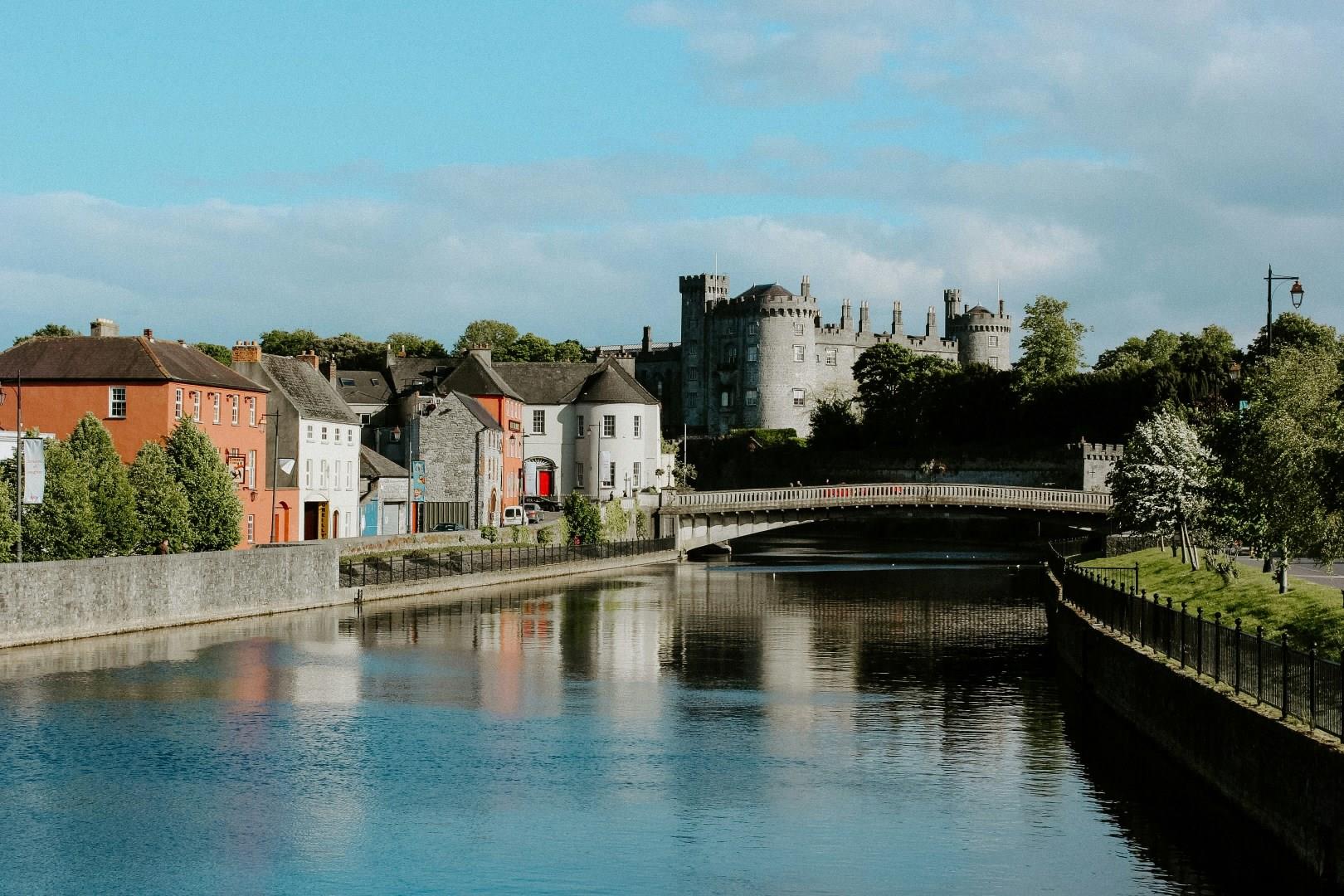
Kilkenny
Kilkenny is a city where history sits beside everyday life, and stories from centuries past shape the streets visitors walk today. At its heart stands Kilkenny Castle, first built in the 12th century and home to the Butler family for more than 600 years. From here, the Medieval Mile creates a natural path through the city, linking key sites such as St. Canice’s Cathedral. Its round tower, one of the few in Ireland still open to climb, rewards visitors with wide views across the rooftops.