Leknes sits in the heart of Norway’s Lofoten Islands, a small town shaped more by geography than by long urban history. It developed as a regional hub for farming, fishing, and transport, serving surrounding villages spread across Vestvågøy. Rather than presenting a preserved past, Leknes reflects contemporary life in the north, practical and closely tied to seasonal rhythms.
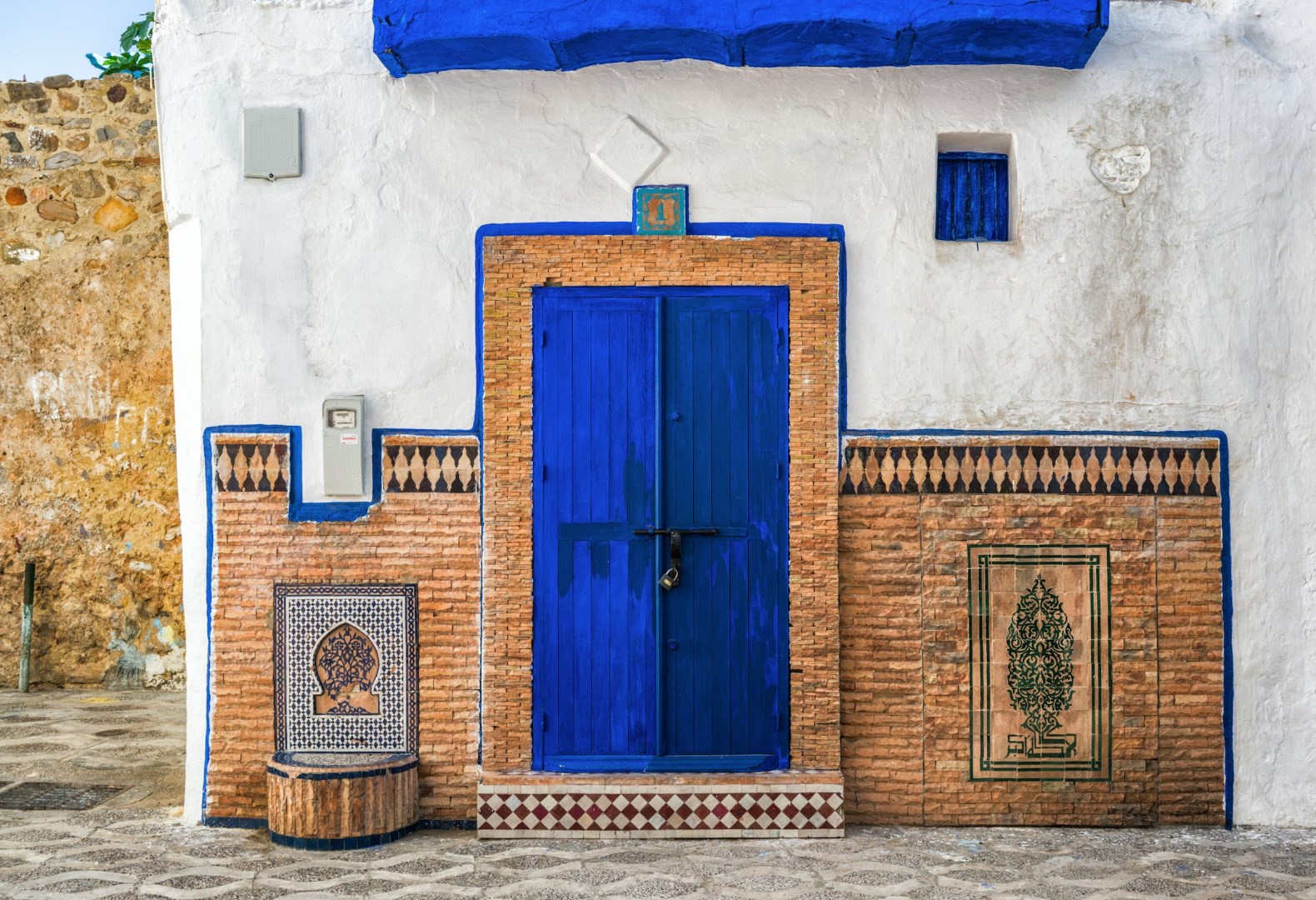
Asilah is a small coastal town on Morocco’s Atlantic shore, south of Tangier, known for its whitewashed buildings, fortified medina, and position beside the sea. Its historic walls run along the coastline, with sections overlooking rocky cliffs and the Atlantic. The town has a quieter character than larger northern Moroccan cities, while its narrow streets, painted façades, and waterfront setting give it a distinctive appearance.
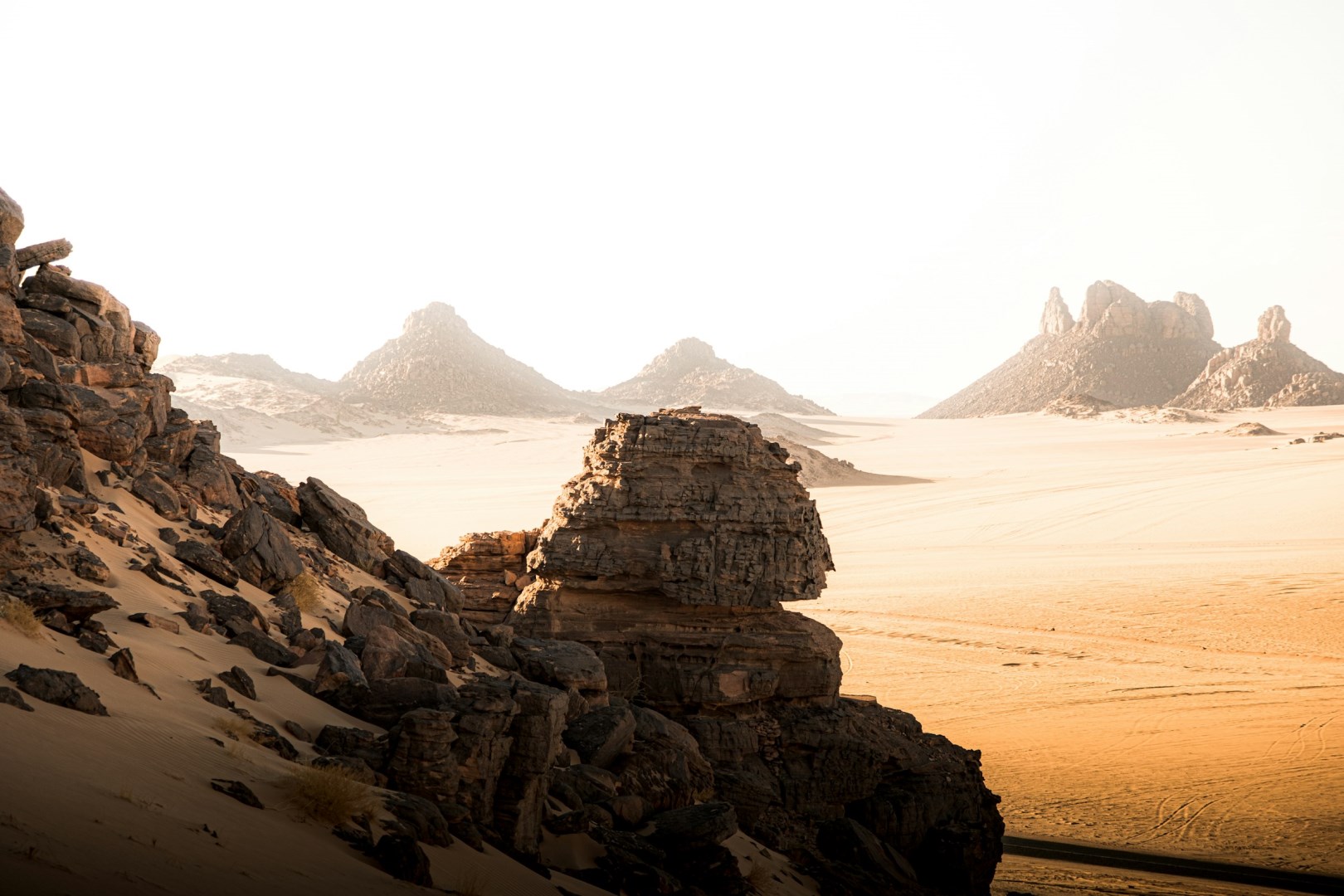
Djanet is a small oasis town in southeastern Algeria, situated in the Tassili n’Ajjer region near the border with Libya. It is surrounded by a vast desert landscape of sandstone plateaus, rocky valleys, and palm-filled oases. The town serves as an important gateway to the Tassili n’Ajjer, a UNESCO World Heritage site known for its unusual rock formations and extensive collection of prehistoric rock art.

Höfn is a small fishing town in southeastern Iceland, located on a narrow peninsula surrounded by the waters of Hornafjörður and nearby lagoons. The town sits beneath the large Vatnajökull ice cap, whose glaciated peaks form a prominent backdrop to the surrounding landscape. Höfn is an important service and fishing center for southeast Iceland, with a harbor, restaurants, shops, and accommodation.
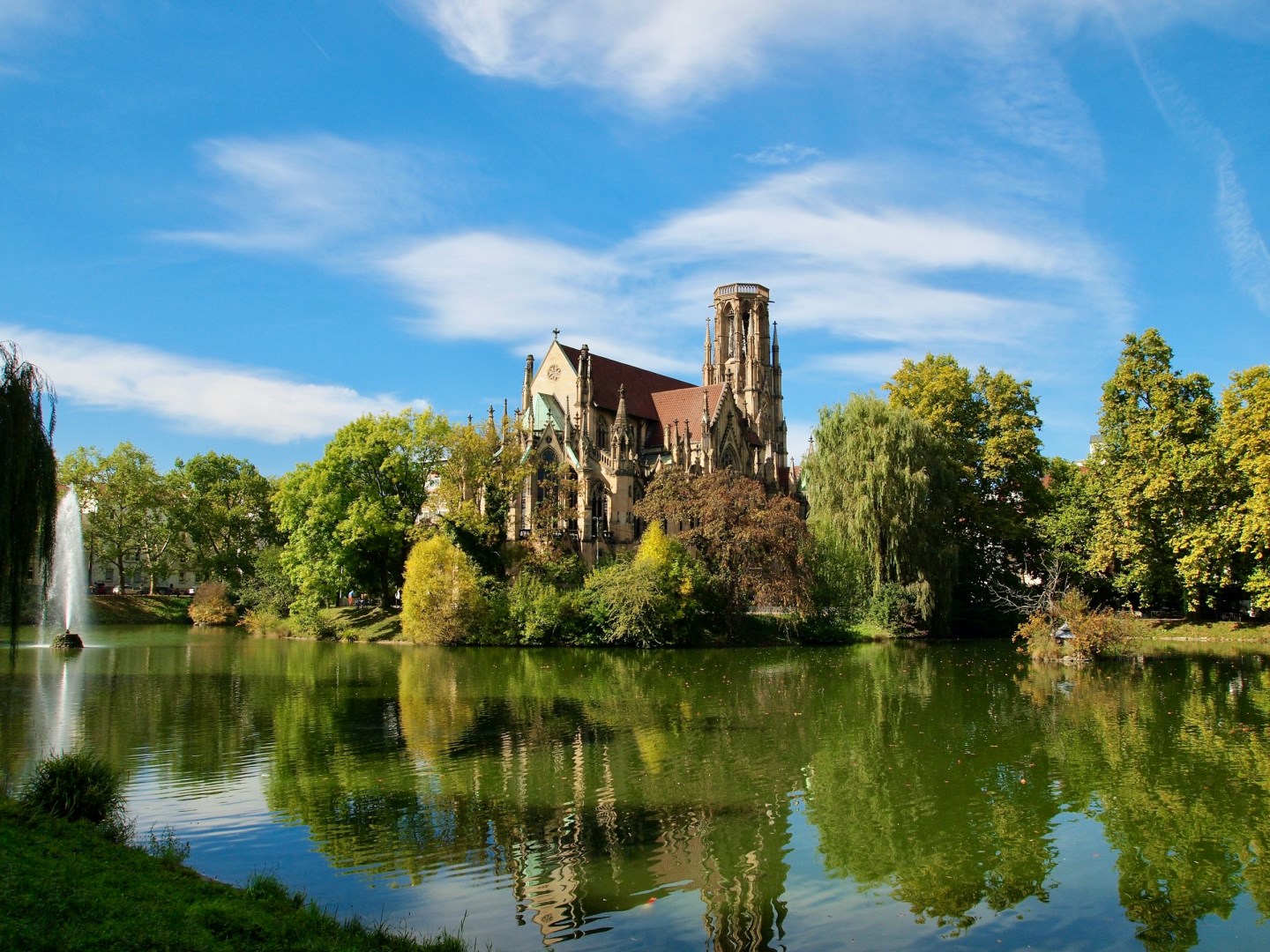
Stuttgart, the capital of Baden-Württemberg in southwestern Germany, is a city celebrated for its automotive heritage, green spaces, and cultural vibrancy. Nestled in a valley surrounded by vineyards and gentle hills, Stuttgart balances modern industry with historical charm.
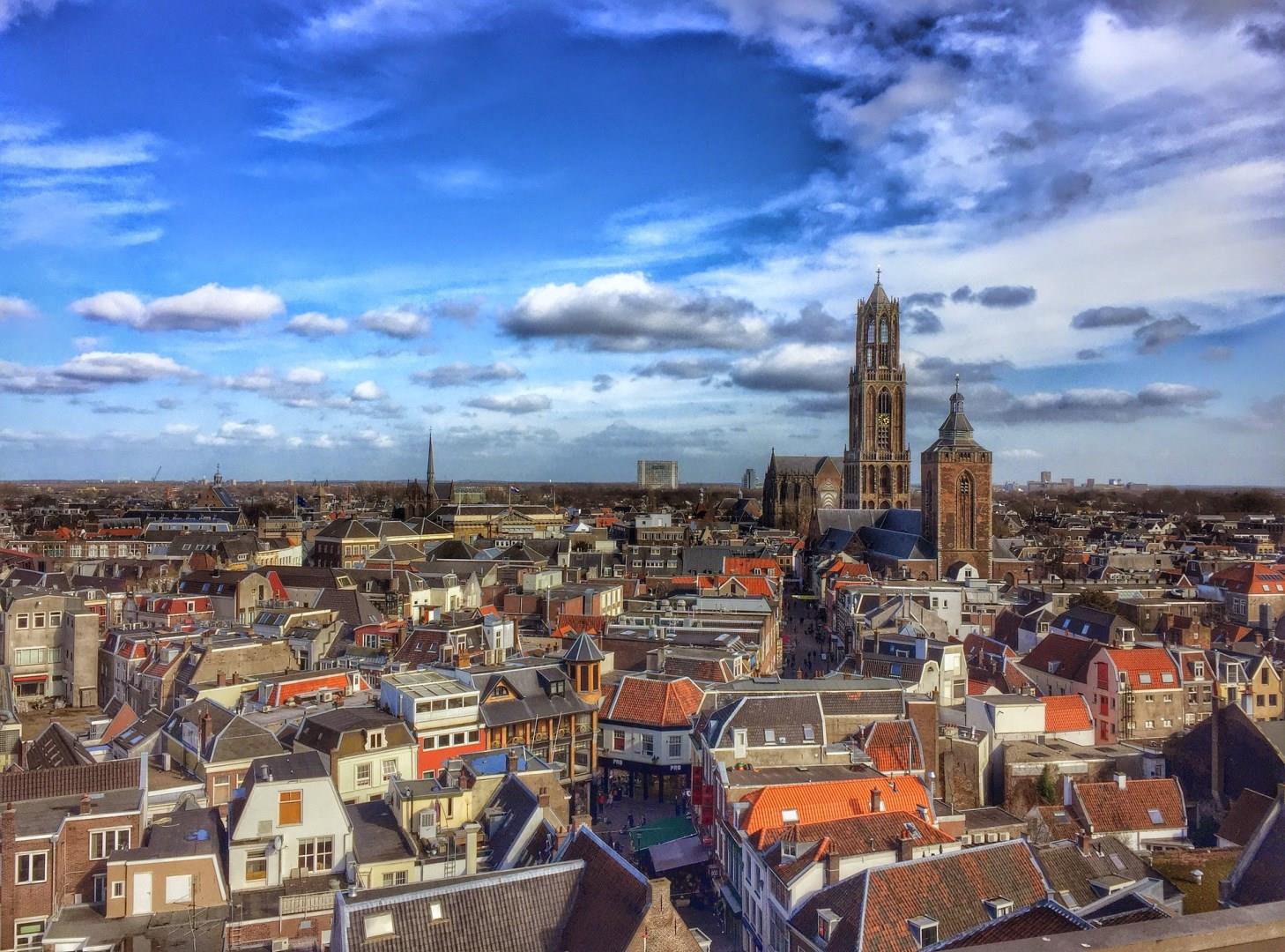
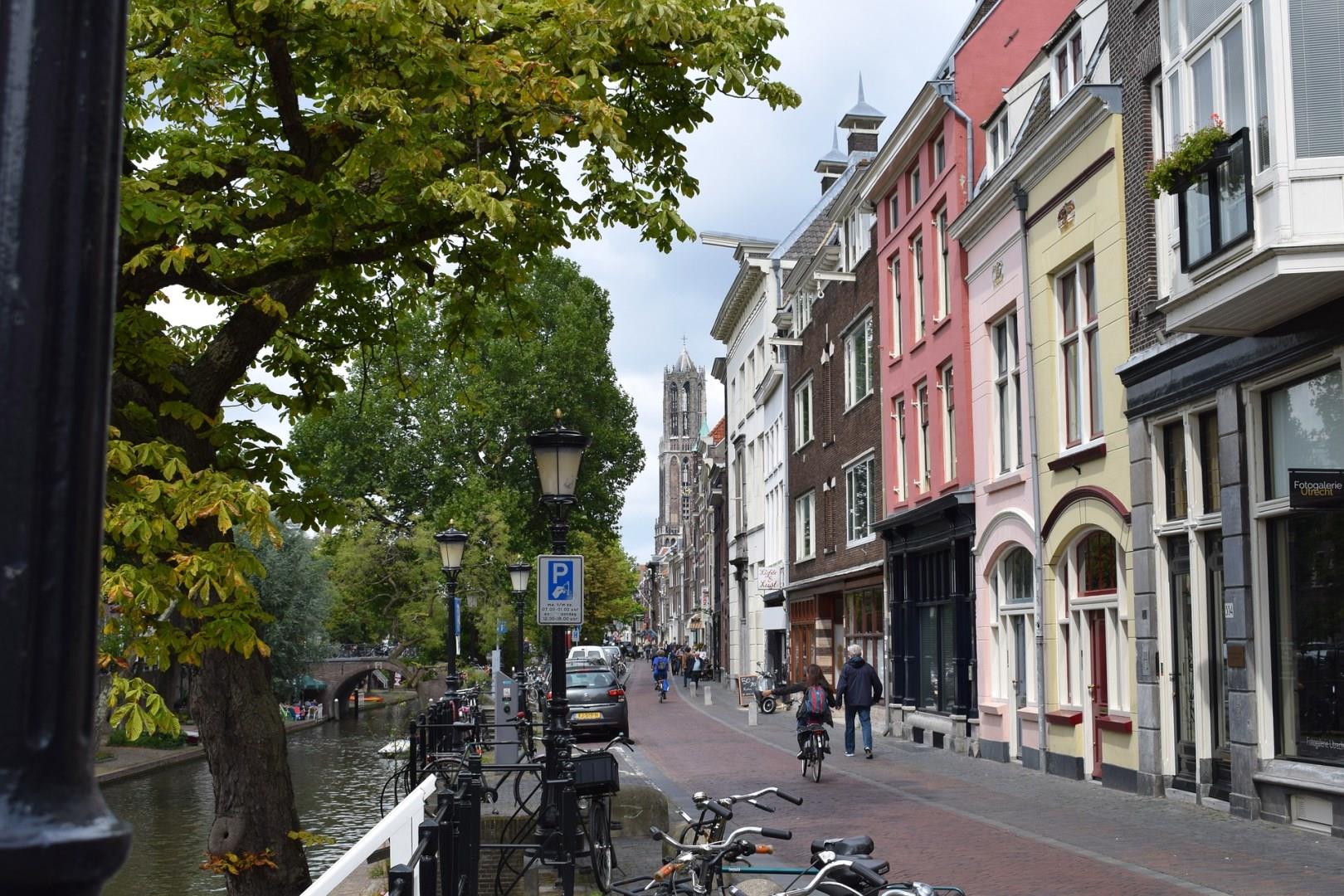
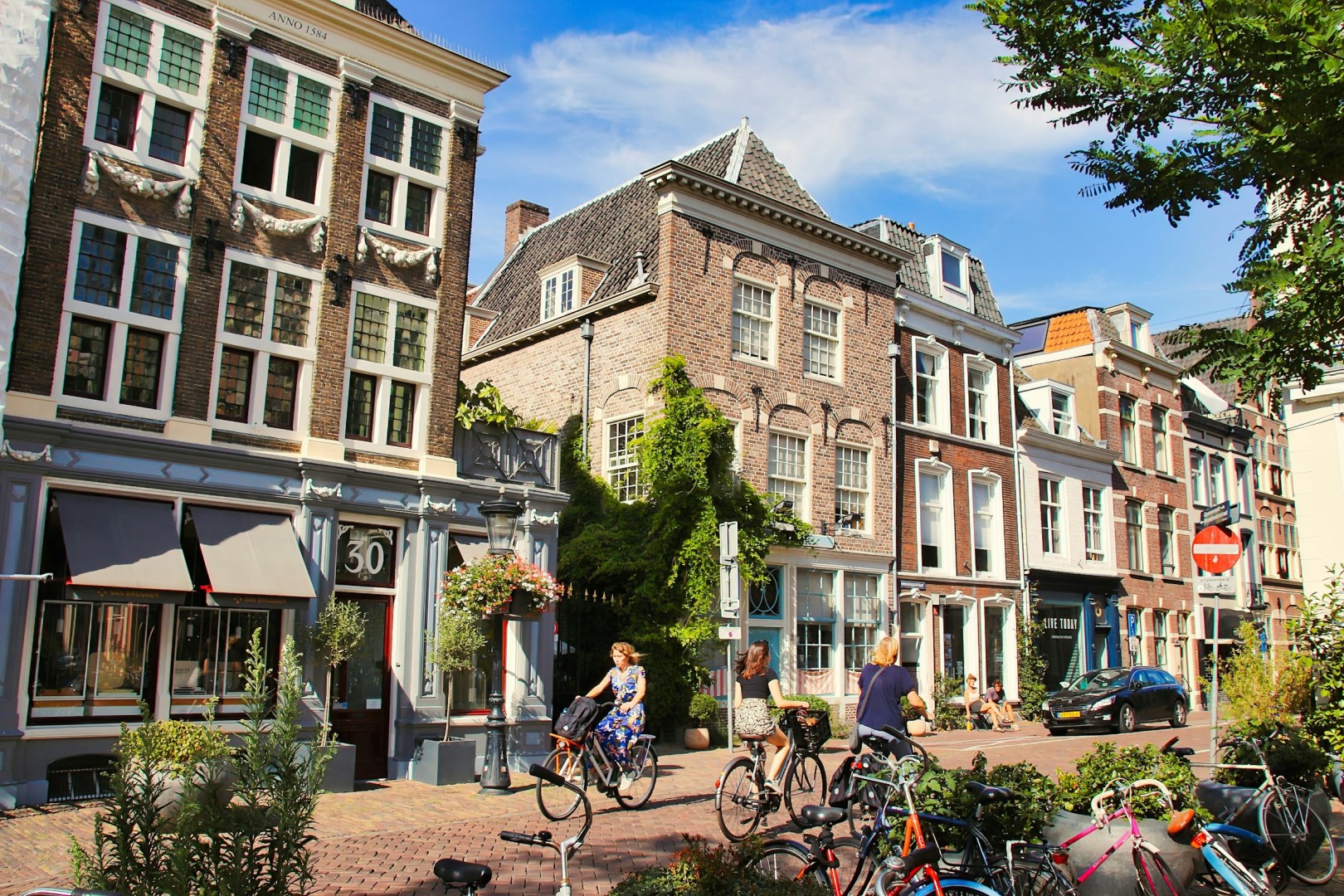
Utrecht, a charming city in the Netherlands, offers a captivating blend of history, culture, and modern vibrancy. Dominated by its striking Dom Tower, the tallest church tower in the Netherlands, Utrecht invites visitors to climb its 465 steps for panoramic views of the city and the surrounding countryside. This iconic landmark, part of the Dom Church, is a remnant of the medieval era, reflecting Utrecht’s rich historical tapestry.
The city’s picturesque canals, lined with unique wharfs and charming cafes, create an enchanting atmosphere. Utrecht’s Old Canal, with its distinctive lower-level quays, is a favorite spot for a leisurely stroll or a boat tour. The canals are a remnant of the city's medieval waterway system and provide a scenic backdrop for exploring Utrecht’s vibrant neighborhoods.
Culture enthusiasts will appreciate Utrecht’s diverse museums and galleries. The Centraal Museum showcases a wide range of exhibits from contemporary art to historic artifacts, including works by the famed Utrecht Caravaggisti. Additionally, the Rietveld Schröder House, a UNESCO World Heritage Site, offers a glimpse into the innovative De Stijl movement with its groundbreaking architecture and design.
For an optimal visit, consider coming in spring or early autumn when the weather is mild and the city’s cultural events are in full swing.
Other Popular Destinations in Netherlands
Amsterdam
Amsterdam, the 17th century capital of Holland, is often called the "Venice of the North" due to its numerous, boat-navigable canals. Truly rich in history, the oldest part of this populous, multicultural city is Sloten, which dates all the way back to the 9th century.
Rotterdam
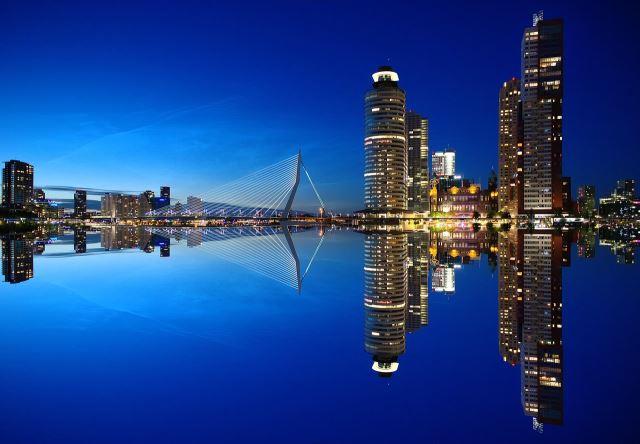
If you find yourself in Rotterdam, there's a strong chance you've arrived by water. This popular port city (the second largest in the Netherlands) has gone through an architectural renaissance since World War II, with daring, innovative structures dotting the city (cube houses!) and defining its skyline. Café culture is on the rise here, so grab yourself a table and a cup.