Hallstatt
Nestled between the serene waters of Lake Hallstatt and the towering Dachstein mountains, Hallstatt, Austria, is a picturesque gem that seems almost too perfect to be real. This UNESCO World Heritage site is renowned for its stunning alpine scenery and charming architecture. Wander through the narrow streets lined with 16th-century houses and experience the timeless beauty that has captivated visitors for centuries.

Kings Wharf
King's Wharf is the largest and most active port in Bermuda, with a high volume of cruise ship and ferry traffic. Shopping, restaurants and museums are close by.
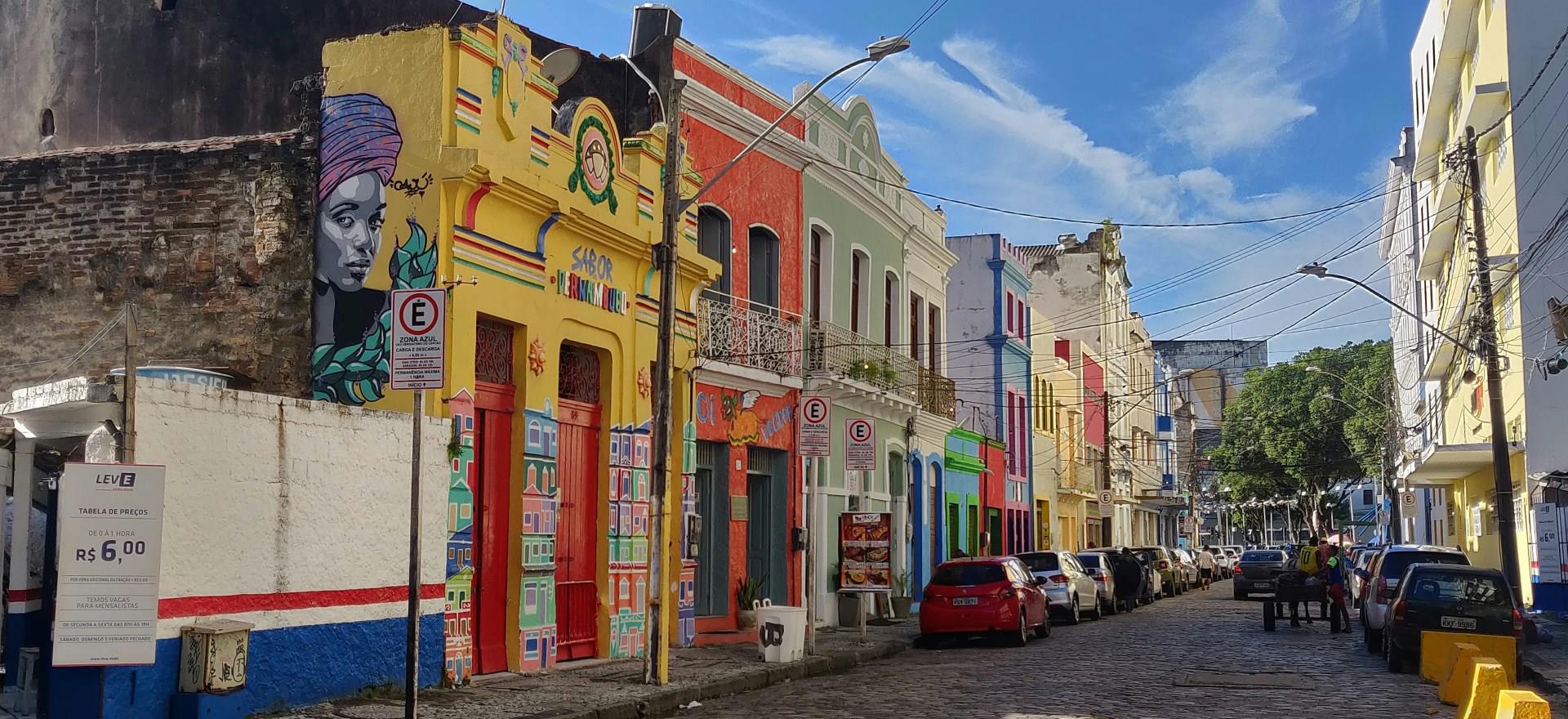
Recife
Recife, the vibrant capital of Pernambuco in northeastern Brazil, is a city where history, culture, and natural beauty intertwine to create an unforgettable destination. Known as the "Venice of Brazil" due to its many waterways, bridges, and islands, Recife offers visitors a unique blend of colonial architecture, modern urban life, and stunning coastal landscapes.
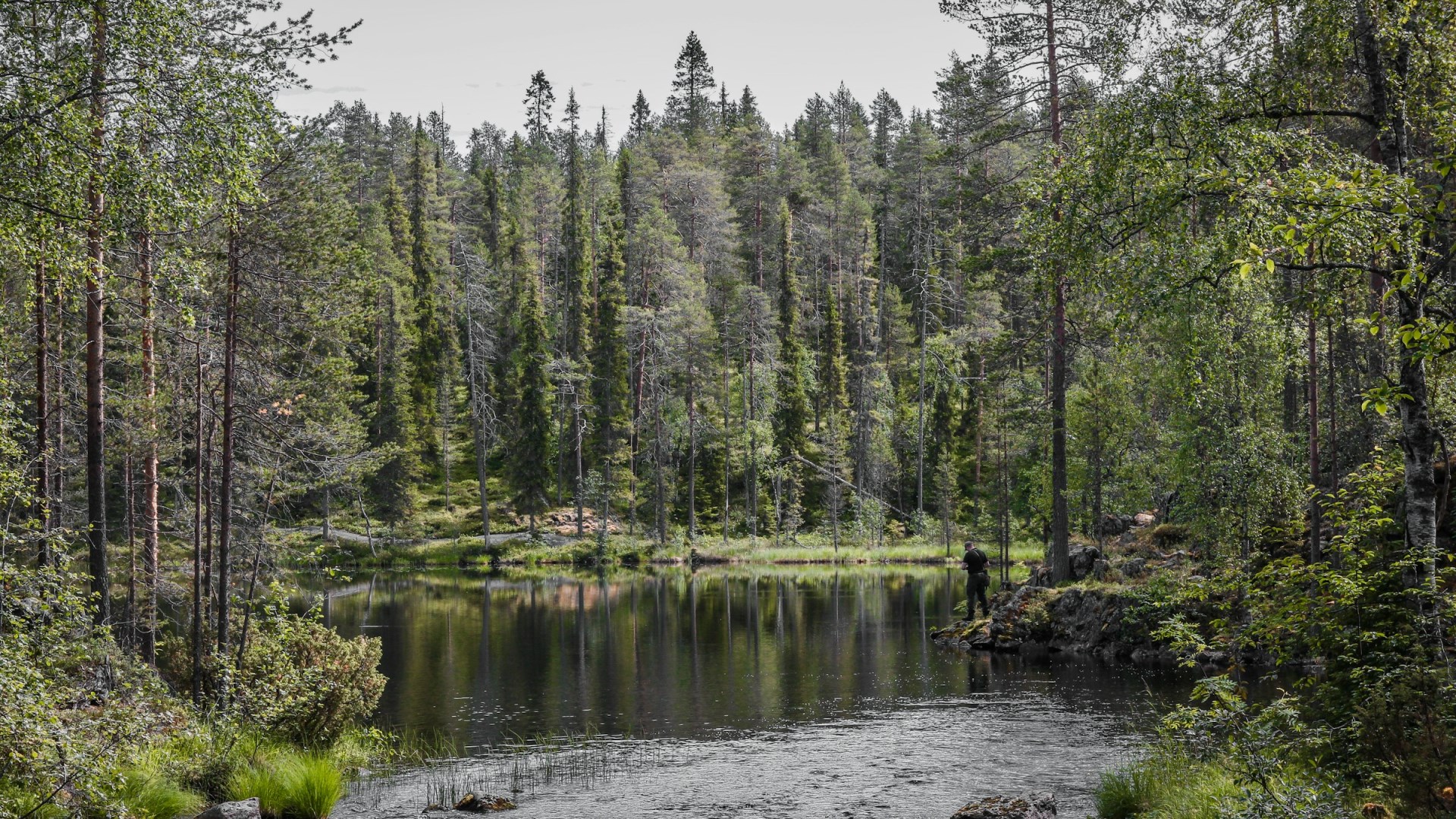
Hossa National Park
The name "Hossa" originates from the old Sami word Huossa meaning "a place far away," and this gorgeous location is definitely away from it all! This national park is one of seven hiking areas created under Finland's Outdoor Recreation Act and contains over 55 miles of trails for hiking enthusiasts to explore.
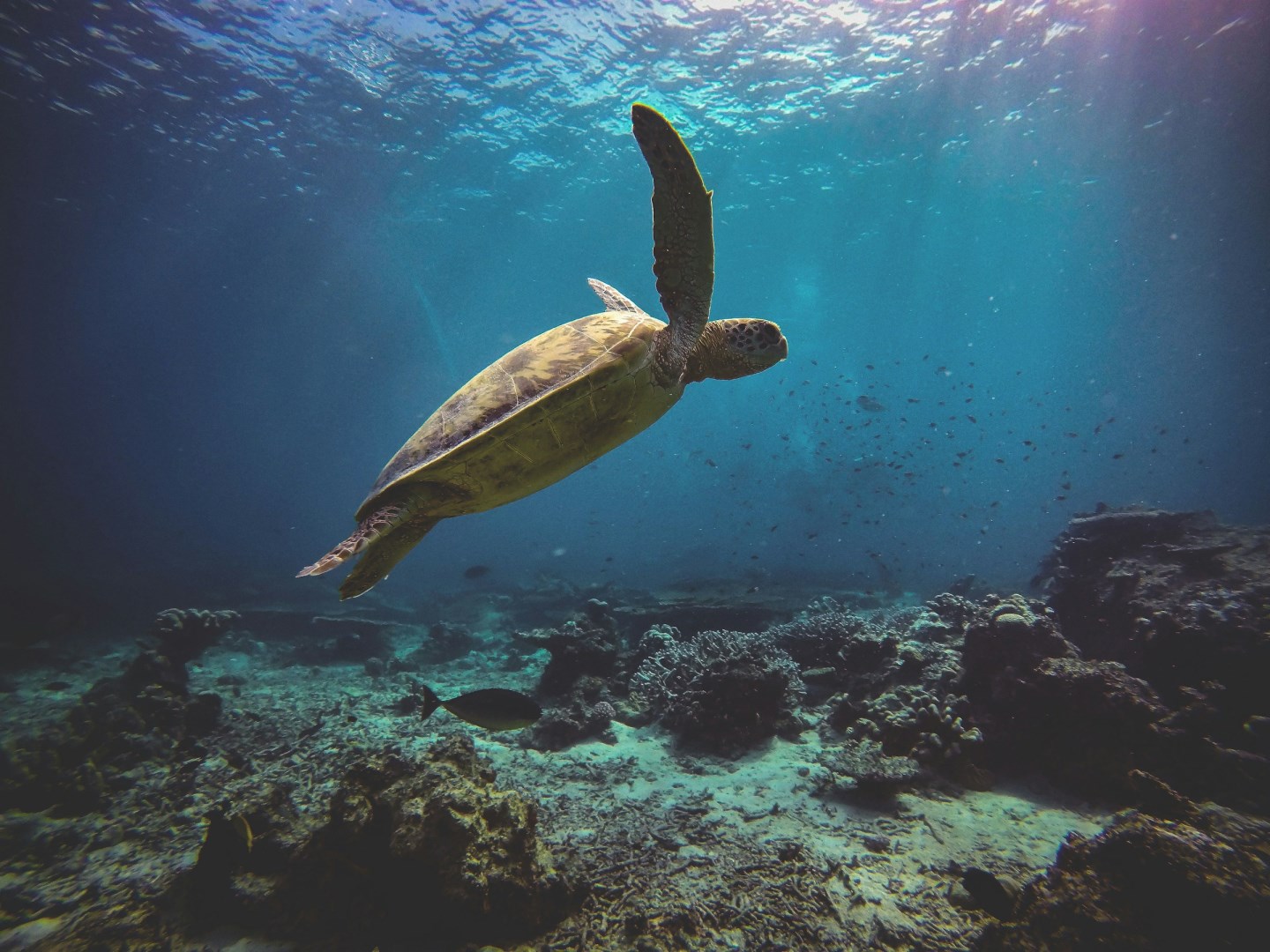
Borneo
Malaysian Borneo occupies the northern part of Borneo, the world's third-largest island, and consists of the states of Sabah and Sarawak together with the federal territory of Labuan. The region is marked by extensive rainforests, rivers, mountains, limestone formations, and a long coastline along the South China, Sulu, and Celebes seas. Kota Kinabalu and Kuching are the principal urban centers, while smaller communities extend into forest and river regions.