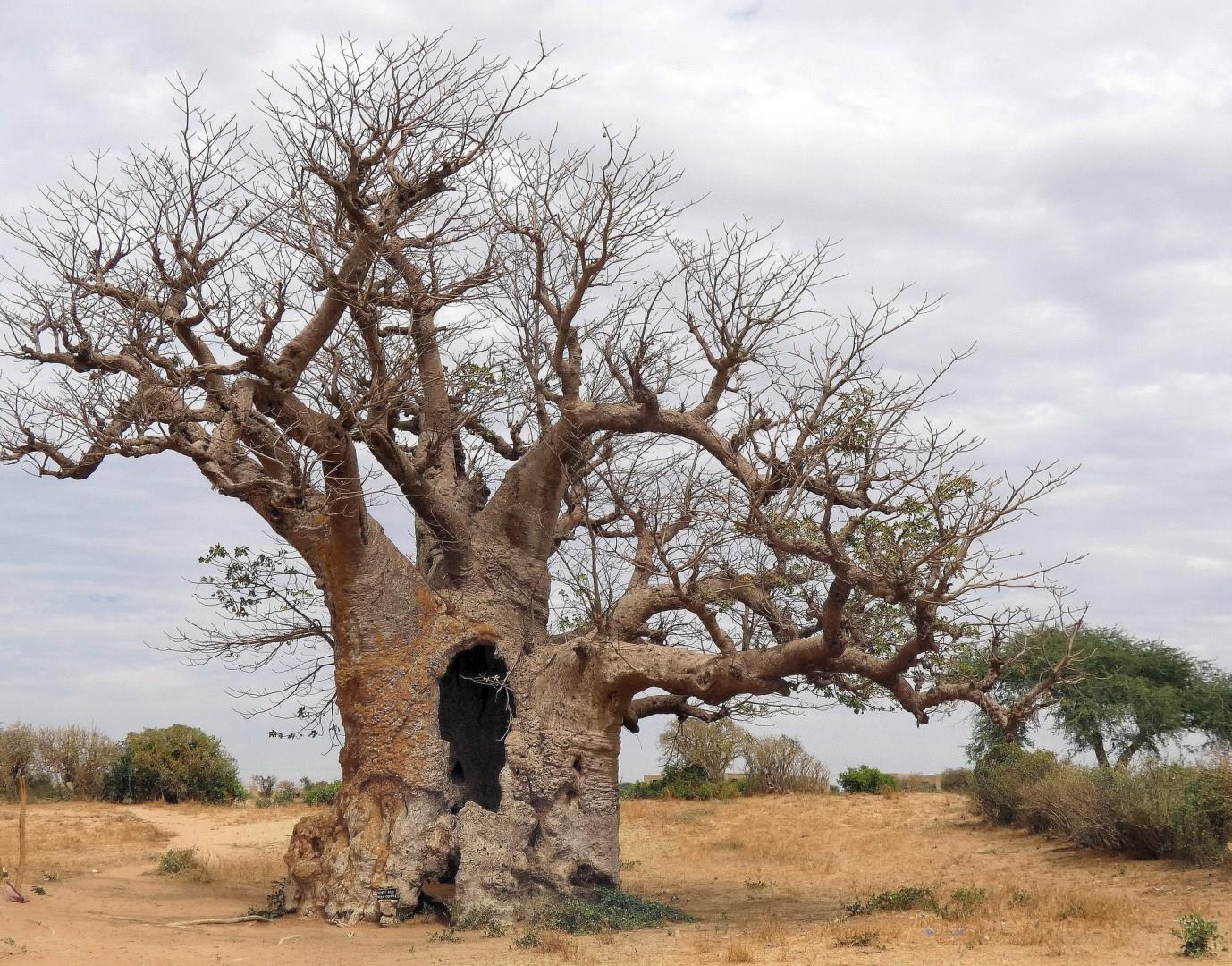
Senegal
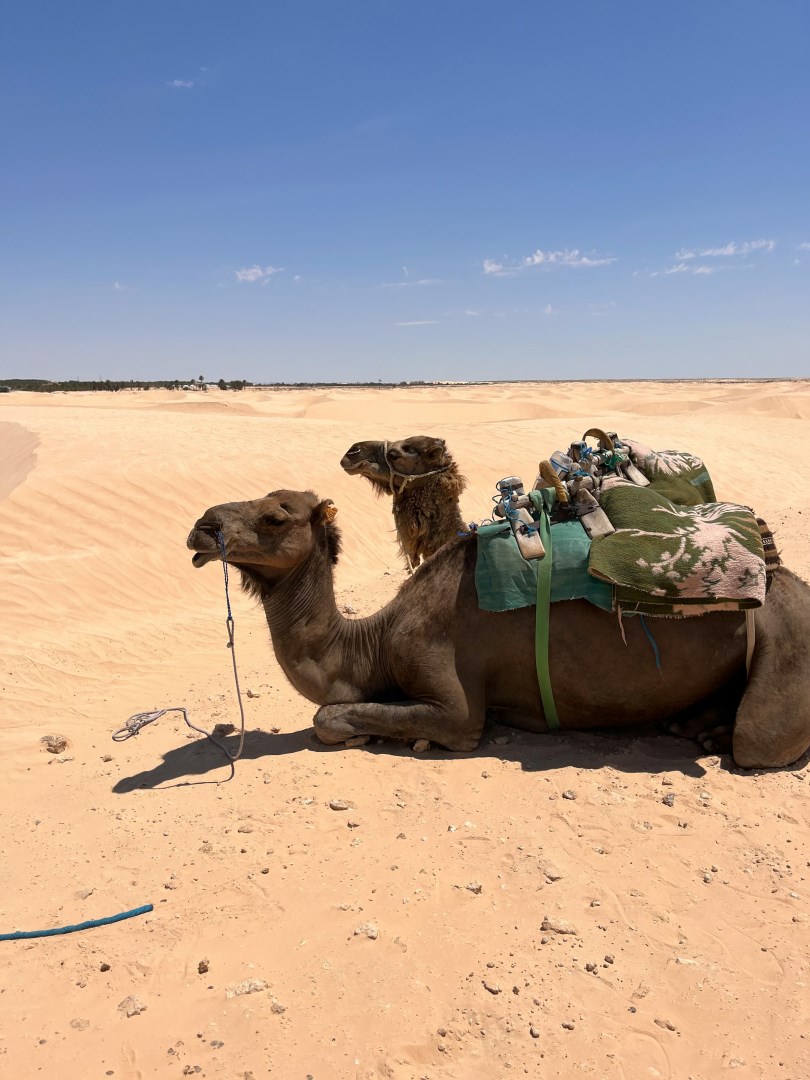
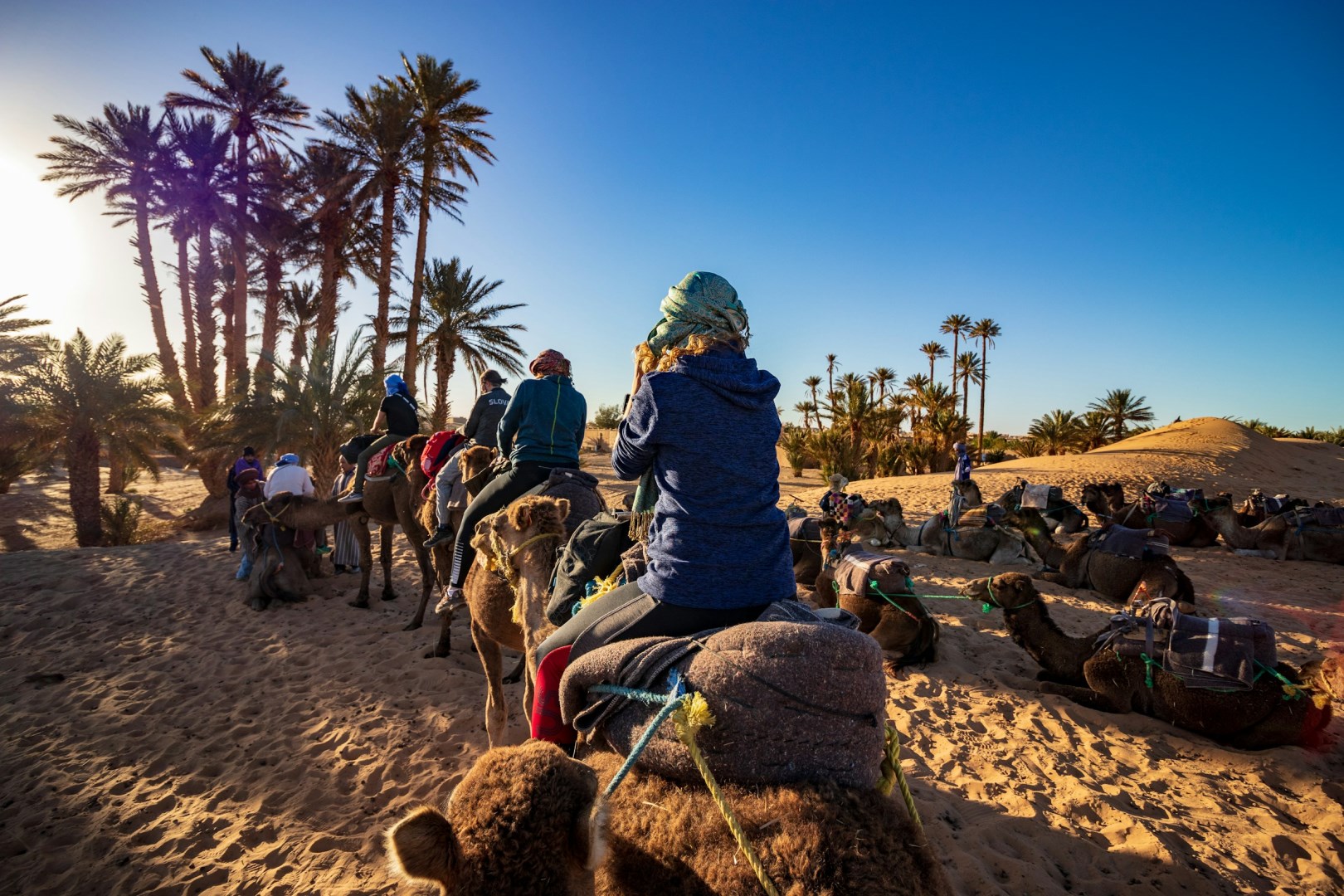
Senegal, located on the westernmost tip of Africa, is a country where vibrant traditions meet striking natural beauty. Its capital, Dakar, sits on the Cape Verde Peninsula and is known for its bustling markets, lively music scene, and impressive art galleries.
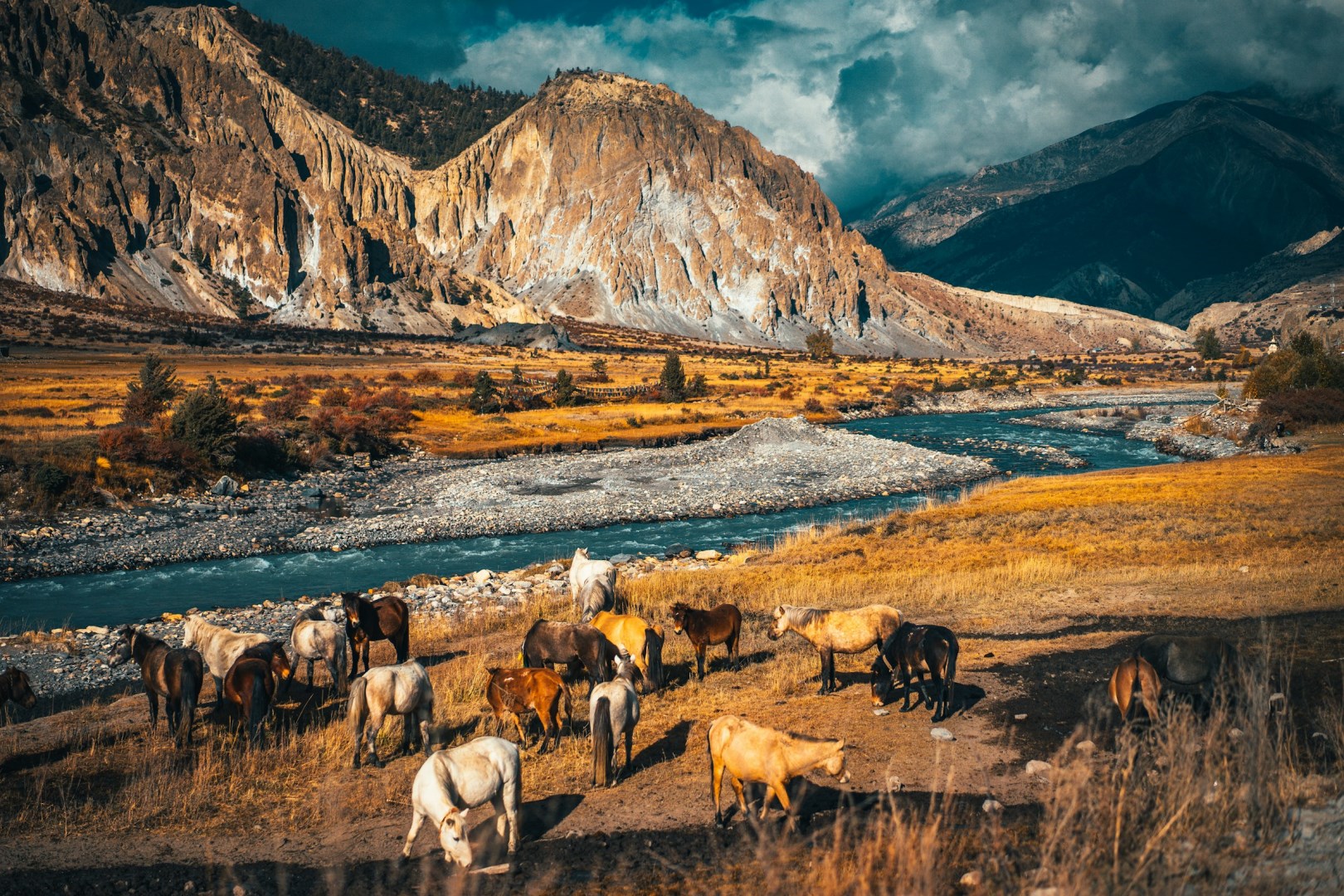
Nepal
Nepal, nestled in the heart of the Himalayas, is a land of dramatic landscapes, rich traditions, and spiritual depth. Known as the gateway to the world’s tallest peaks, including Mount Everest, it offers both breathtaking natural beauty and profound cultural heritage.
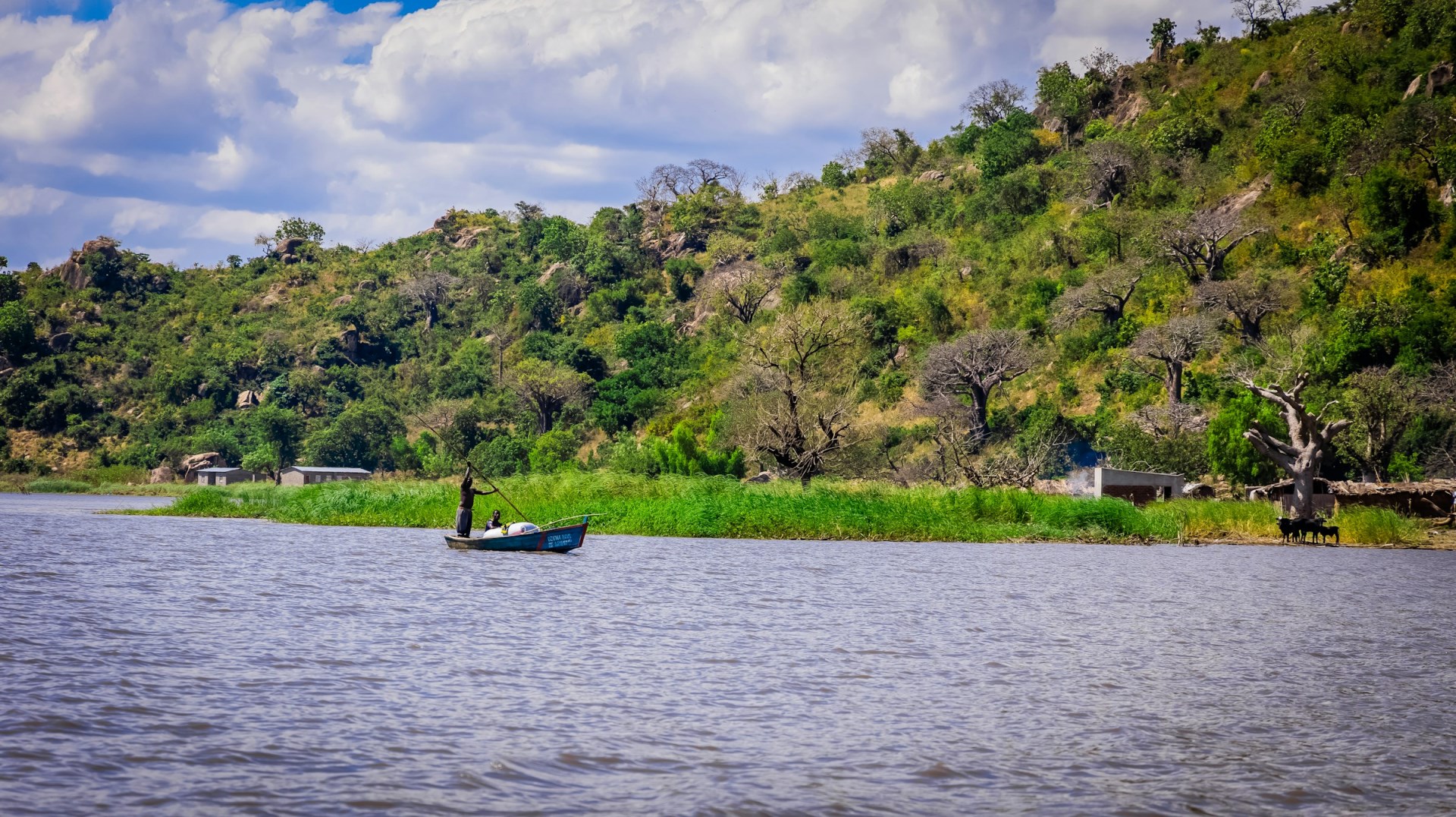
Njalo Island
Njalo Island is a small inhabited island in Lake Chilwa, in southern Malawi’s Phalombe District. Situated in the lake’s open waters, it is part of a wetland landscape shaped by changing water levels, shallow channels, marshes, and seasonal fishing activity. The island is home to a close-knit community whose daily life is closely connected to the lake. Fishing provides an important source of food and income, while boats are essential for transport between the island and mainland communities.
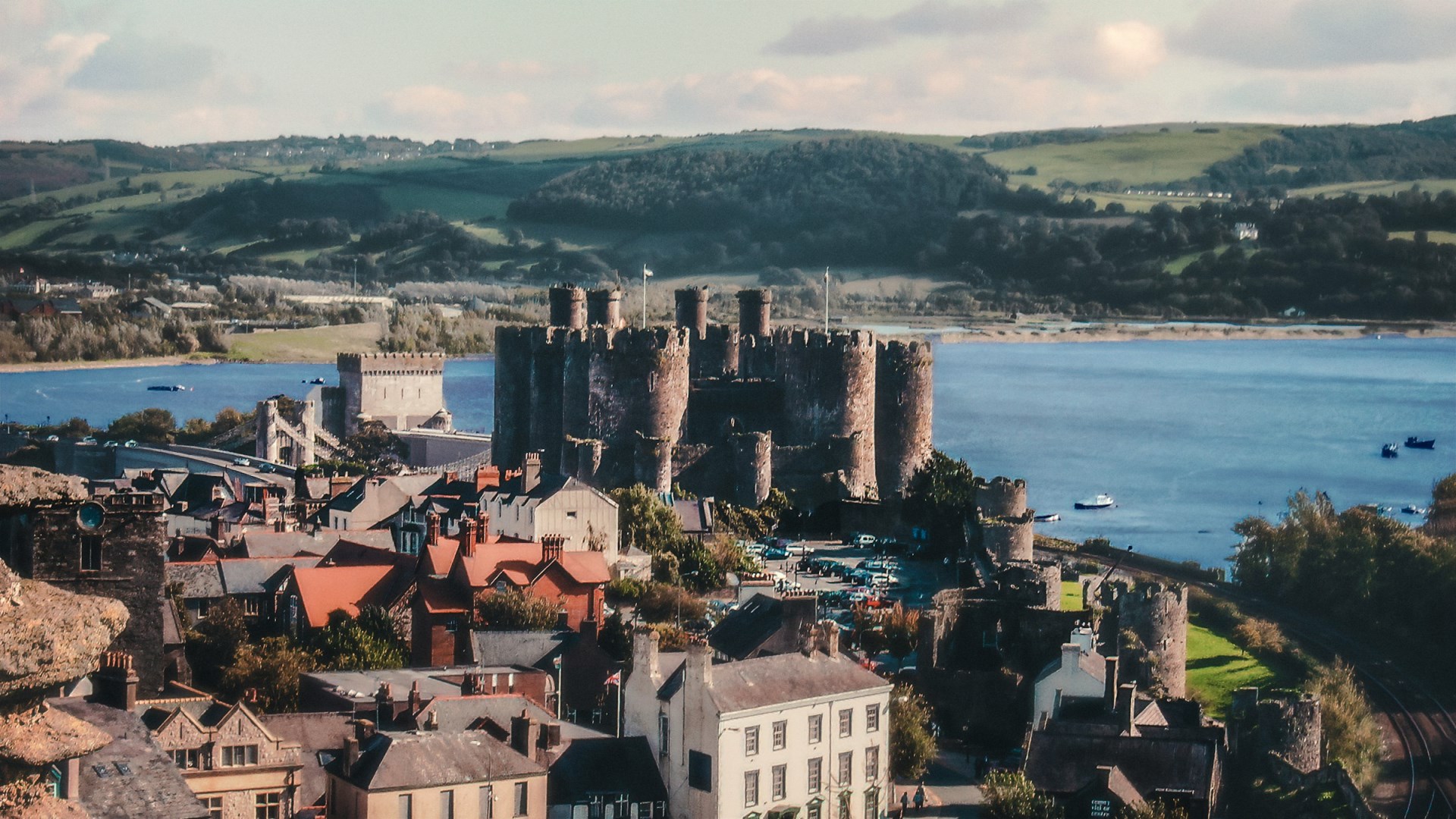
Conwy
Located approximately 50 miles west of Chester, along the northern Welsh coast, is the beautiful small town of Conwy. In 1283, King Edward I set out to build a series of magnificent castles, of which Conwy was one of the largest. In addition, the town was fortified with walls which still exist today, making this one of the finest surviving fortified medieval towns in the world.

Wānaka
Nestled on the southern shores of its namesake lake, Wanaka is a charming resort town in New Zealand's South Island that offers a captivating blend of adventure, relaxation, and stunning natural beauty. Surrounded by snow-capped mountains and crystal-clear waters, Wanaka is an ideal destination for outdoor enthusiasts.