Ballachulish
Ballachulish is a small village in the Scottish Highlands, set at the mouth of the River Laroch beside the narrow waters of Loch Leven. The surrounding landscape includes steep mountains, wooded slopes, rocky shorelines, and the broad valley of nearby Glencoe. The village is divided into several settlements, including North Ballachulish, South Ballachulish, and Ballachulish itself, giving the area a distinctive layout shaped by the loch.
Port Moresby
Port Moresby sits by the Coral Sea as Papua New Guinea’s capital and shows visitors a city of contrasts where glittering new buildings rise beside traditional villages built on stilts. One such place is Hanuabada, the original Motuan village, where roofs reach above water’s edge and everyday life still unfolds in Tok Pisin and local tongue.
Pakistan
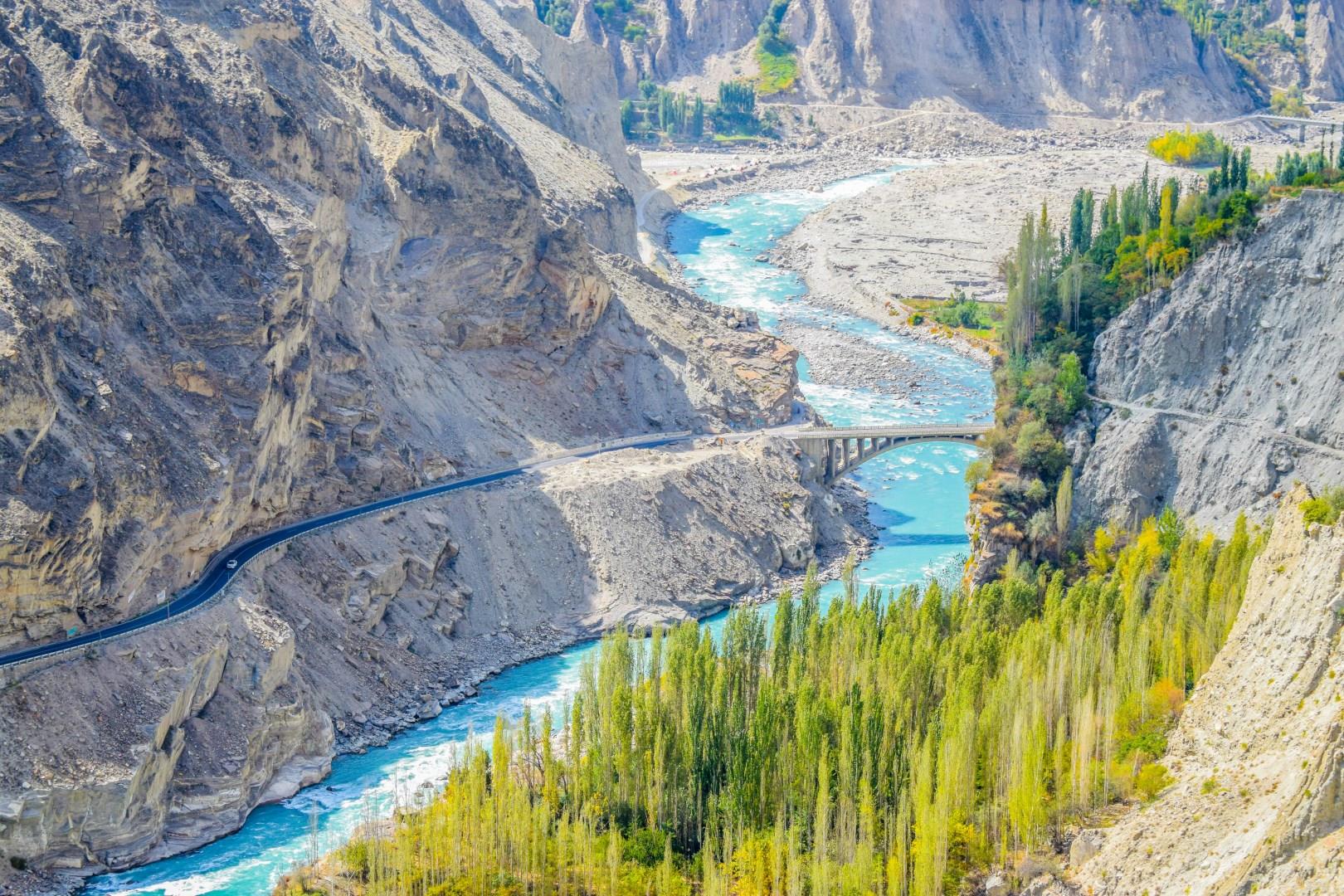
Pakistan is a country of remarkable diversity, combining mountains, deserts, rivers, and coastal areas. The northern regions feature some of the world’s highest peaks, including K2, while the southern plains are home to fertile agricultural land and the port city of Karachi.

Placencia
Tucked away on the southern tip of a narrow, 16-mile peninsula in Belize, Placencia is a charming seaside village that effortlessly blends laid-back Caribbean vibes with an adventurous spirit. Known for its vibrant local culture and idyllic beaches, Placencia invites visitors to relax on its soft sandy shores or dive into its crystal-clear waters.
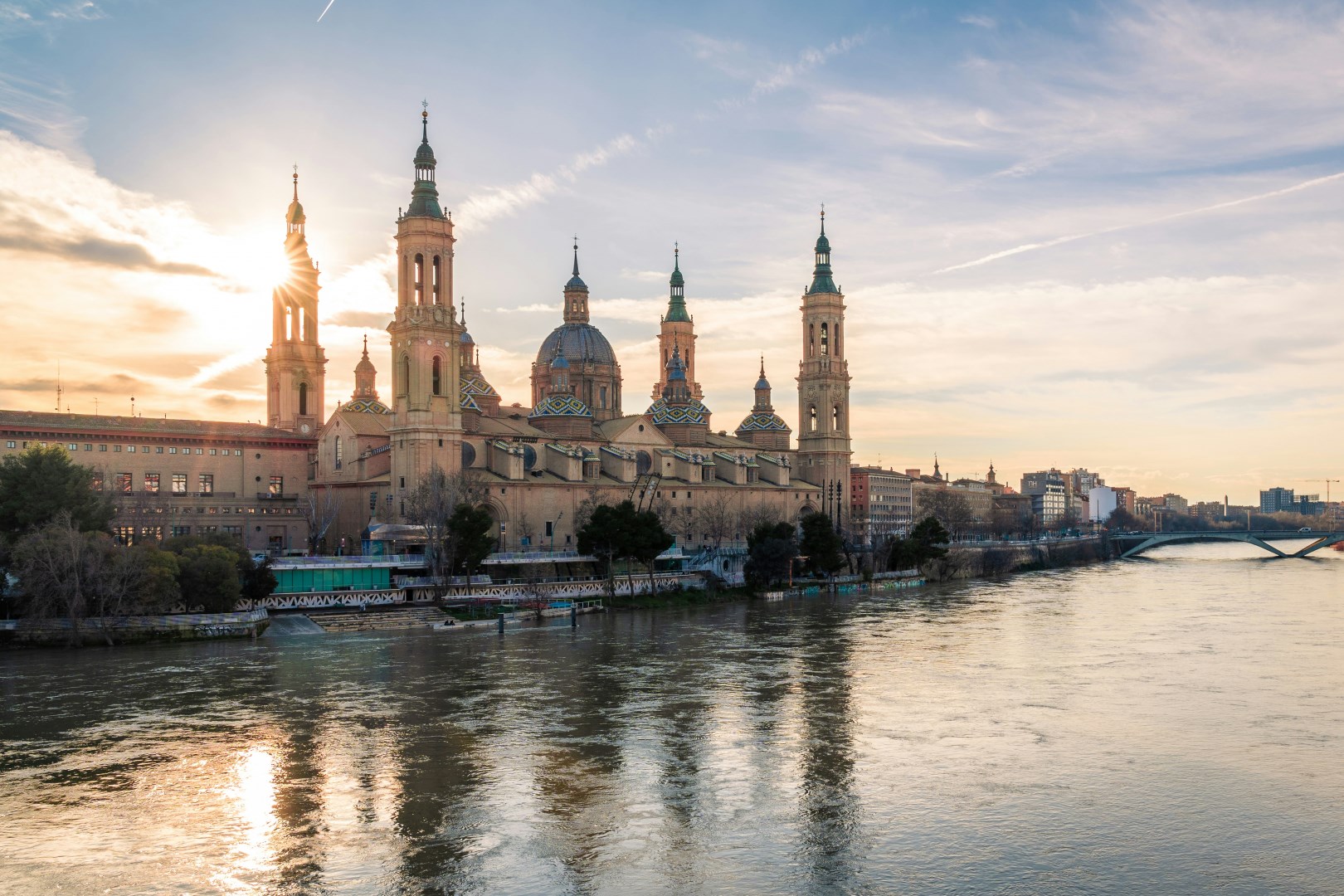
Zaragoza
Zaragoza stands on the banks of the Ebro River in northeastern Spain and serves as the capital of the Aragón region. The city is known for its mix of Roman remains, Islamic influences, Mudéjar architecture, and large Baroque landmarks.