Saint Louis
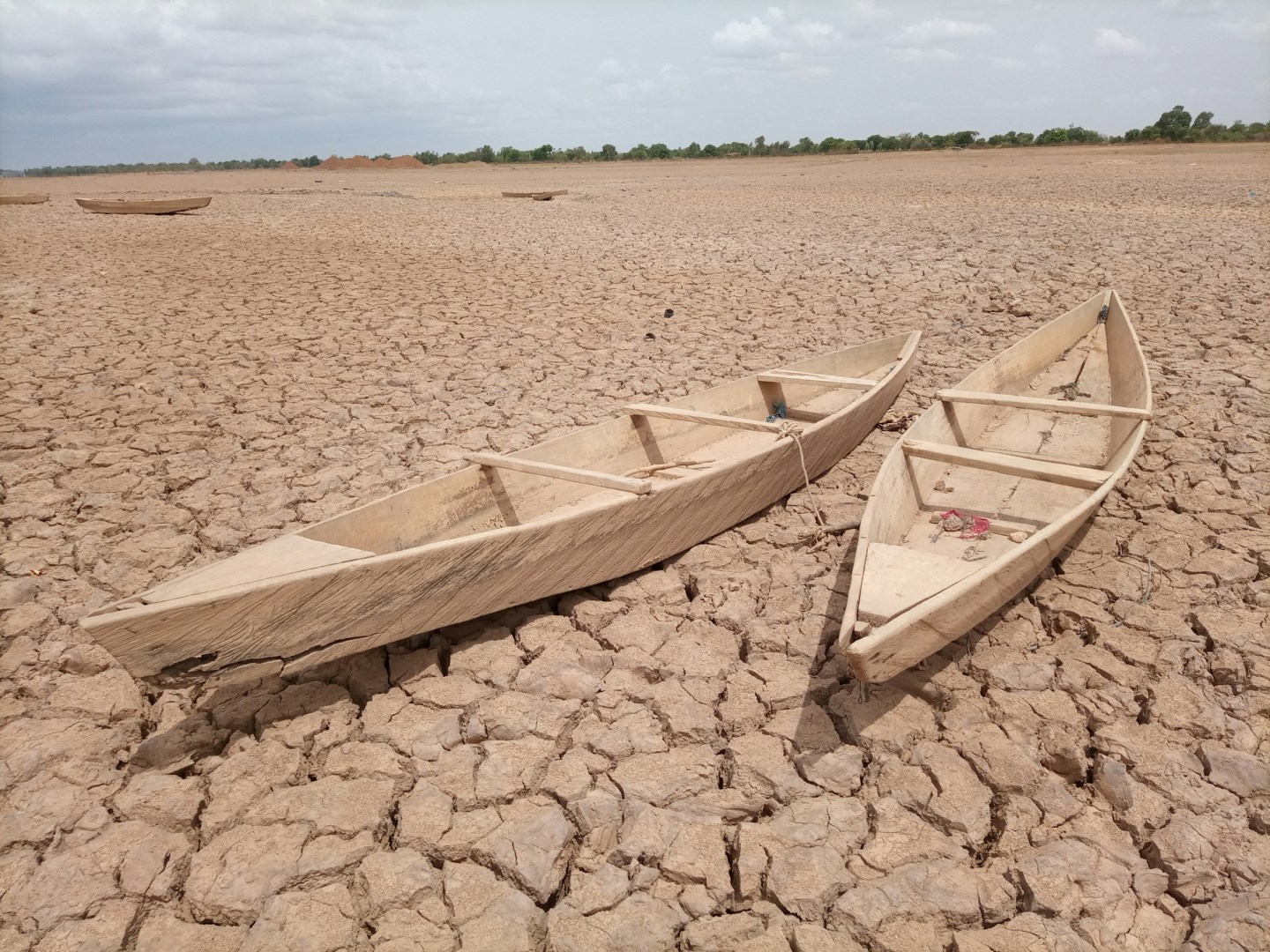
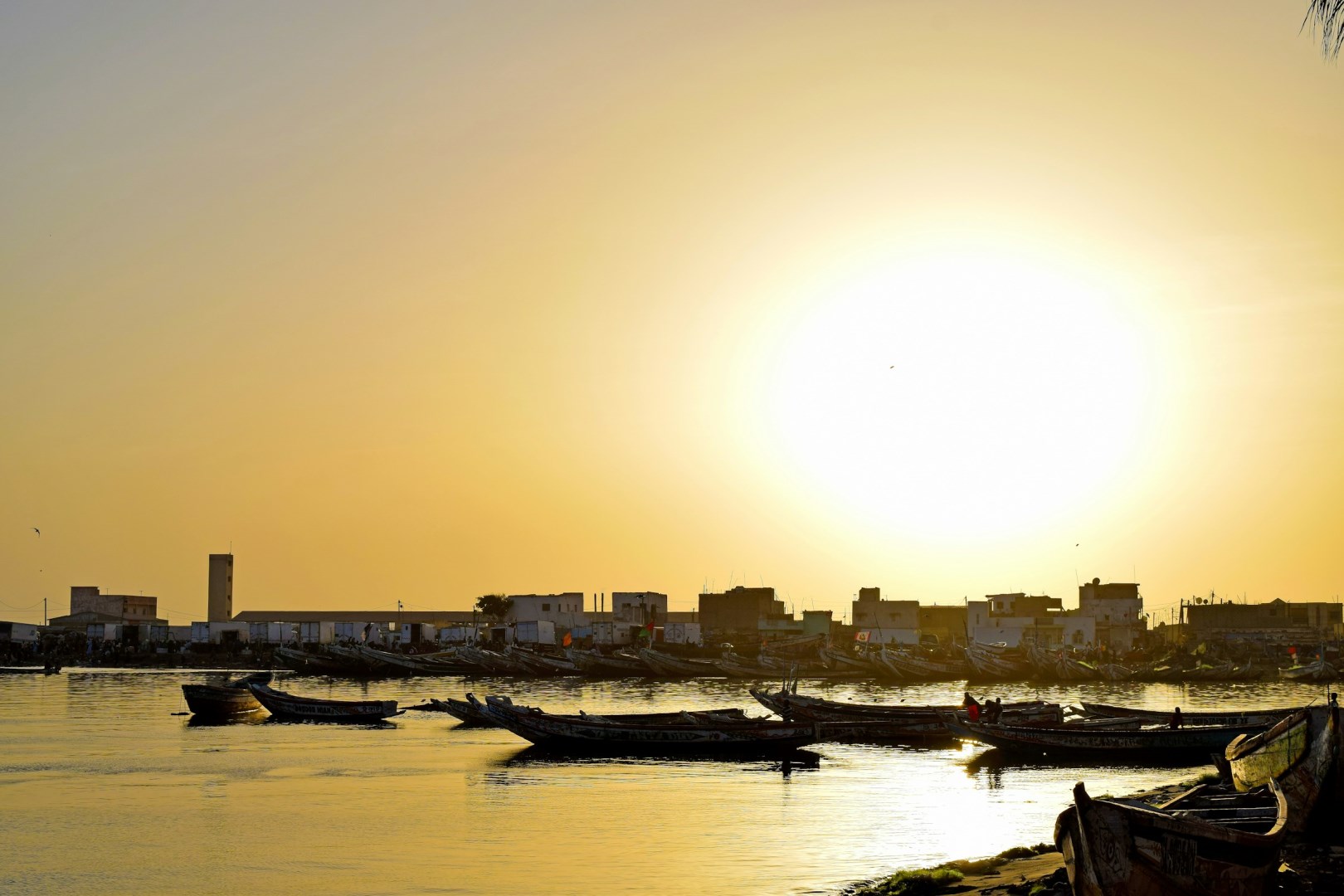
Saint-Louis is a historic city in northern Senegal, positioned on an island at the mouth of the Senegal River where the river meets the Atlantic Ocean. Its distinctive setting between waterways has shaped the city’s architecture, economy, and daily life. The historic island is recognized as a UNESCO World Heritage Site for its regular street plan, waterfront quays, colonial buildings, and distinctive balconies and galleries.
Guangzhou
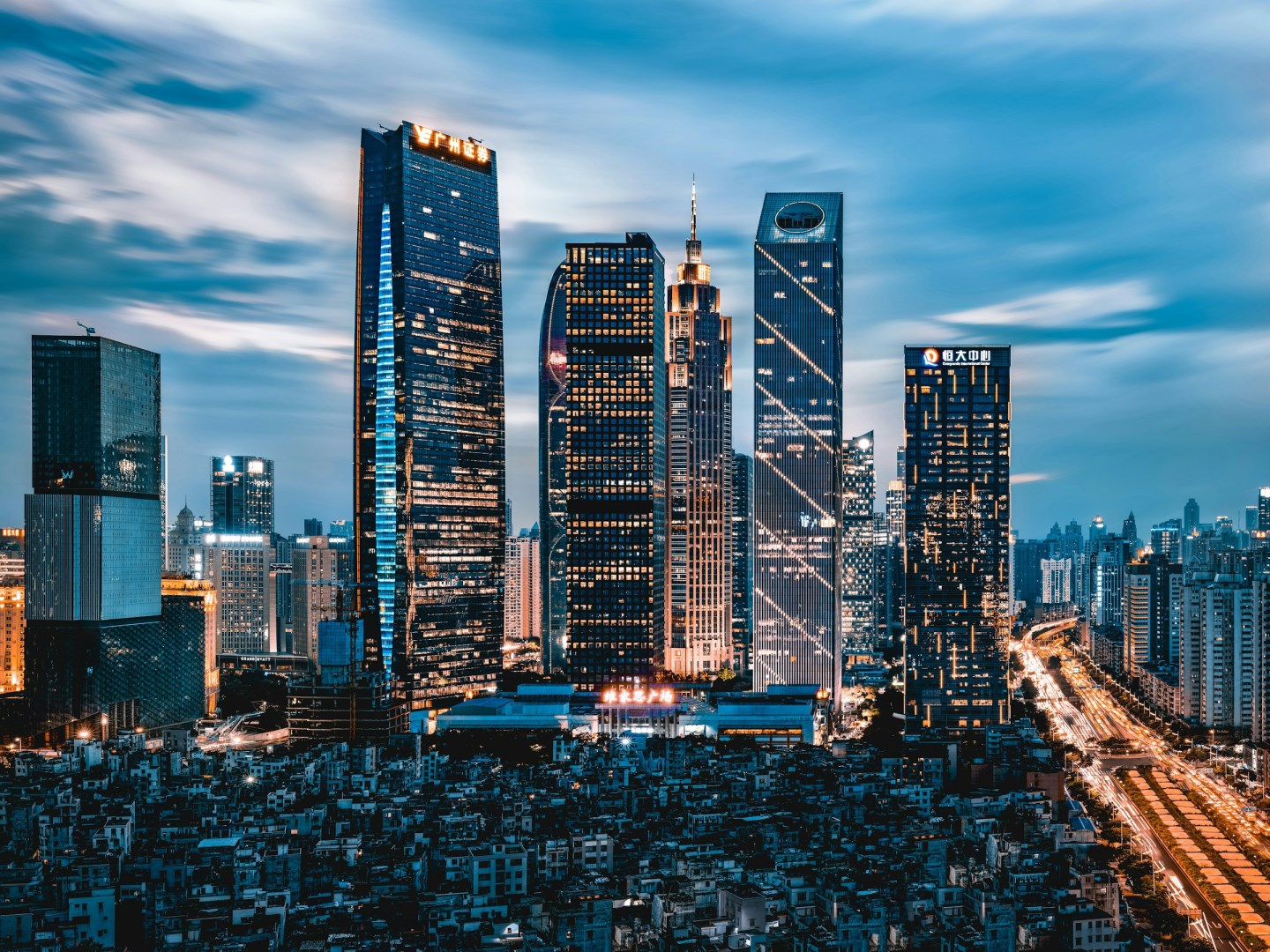
Also known as Canton, it is located adjacent to Hong Kong, an important industrial and trade center in South China.

Chișinău
Chișinău, the capital of Moldova, is a city rich in history and full of surprises for travelers seeking a blend of culture, architecture, and natural beauty. As you wander the tree-lined boulevards, you’ll discover the city’s intriguing mix of Soviet-era buildings, elegant Orthodox churches, and modern structures.

Huaraz
Huaraz is an Andean city in Peru’s Áncash Region, situated in the Callejón de Huaylas between the Cordillera Blanca and Cordillera Negra. At more than 3,000 meters above sea level, it is an important regional center and a principal base for exploring the mountains, lakes, and valleys of the surrounding highlands. The city combines a busy central area with traditional neighborhoods, markets, restaurants, and views toward the snow-covered peaks of the Cordillera Blanca.
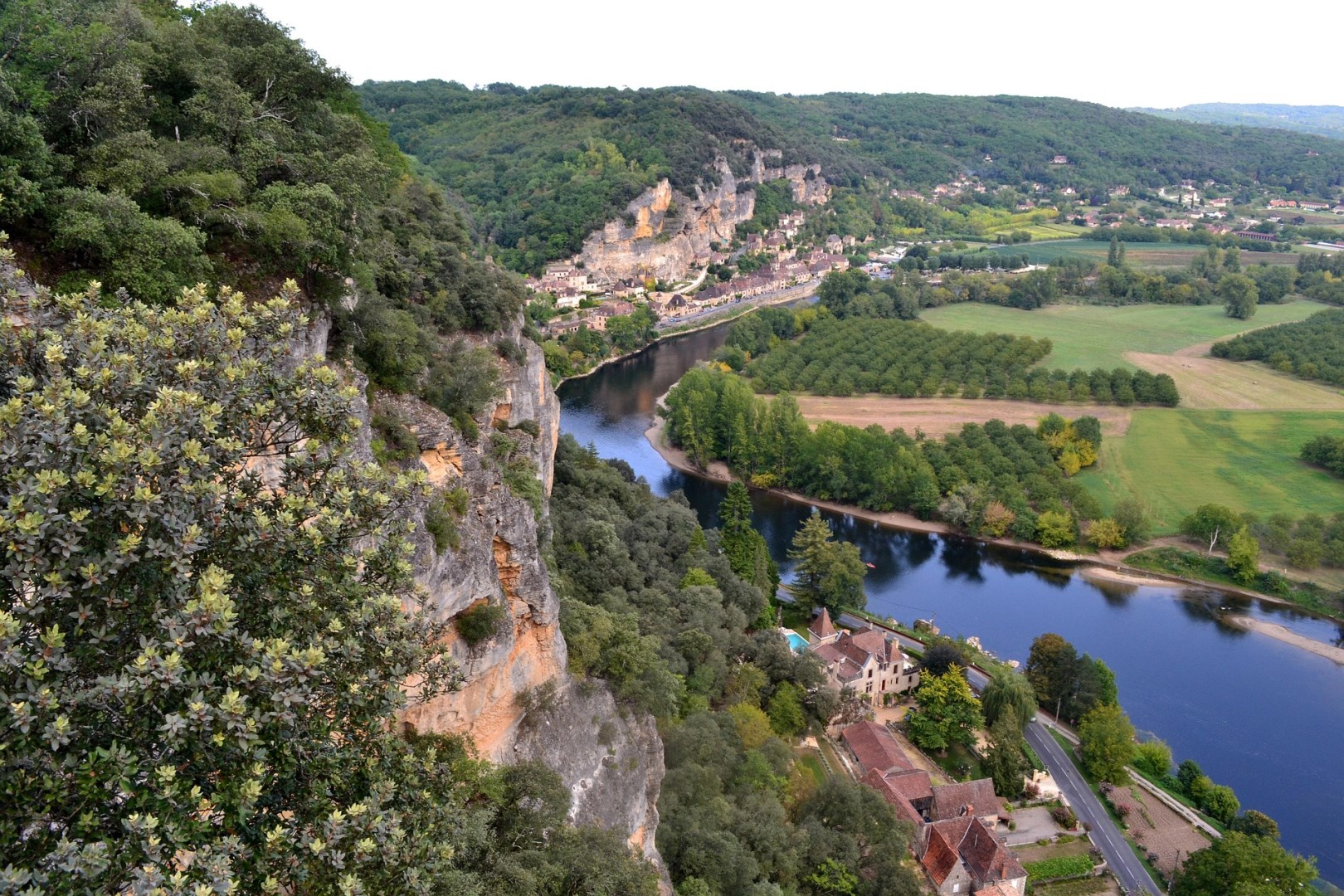
Dordogne River
The Dordogne River flows from the mountains of Auvergne to Bordeaux through the magnificent French countryside. The valley area named for the river is full of bucolic scenery, dotted with welcoming rural villages, quaint riverside castles, and plenty of opportunities for gourmet meals in true French tradition.