Duiker Island
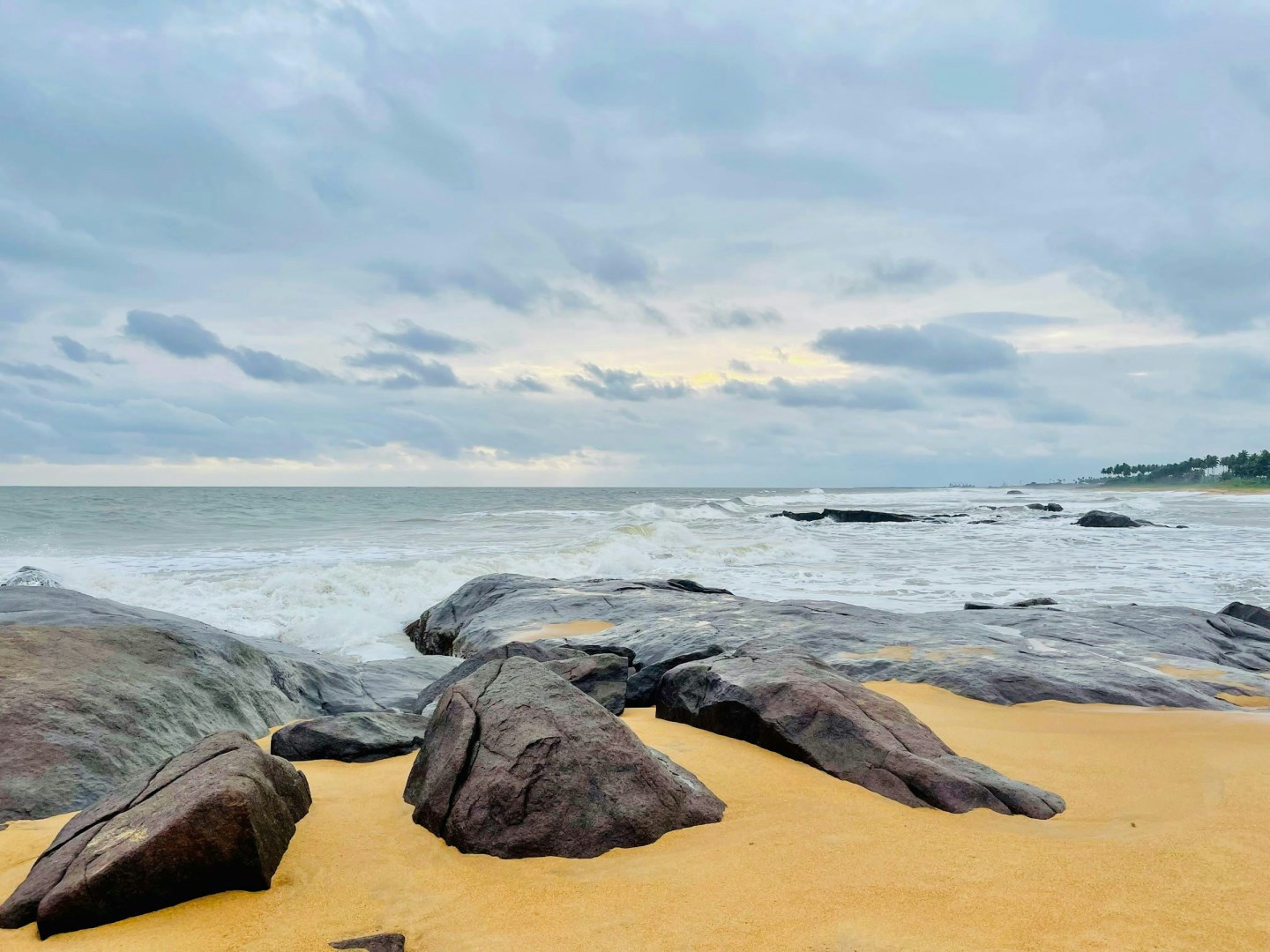
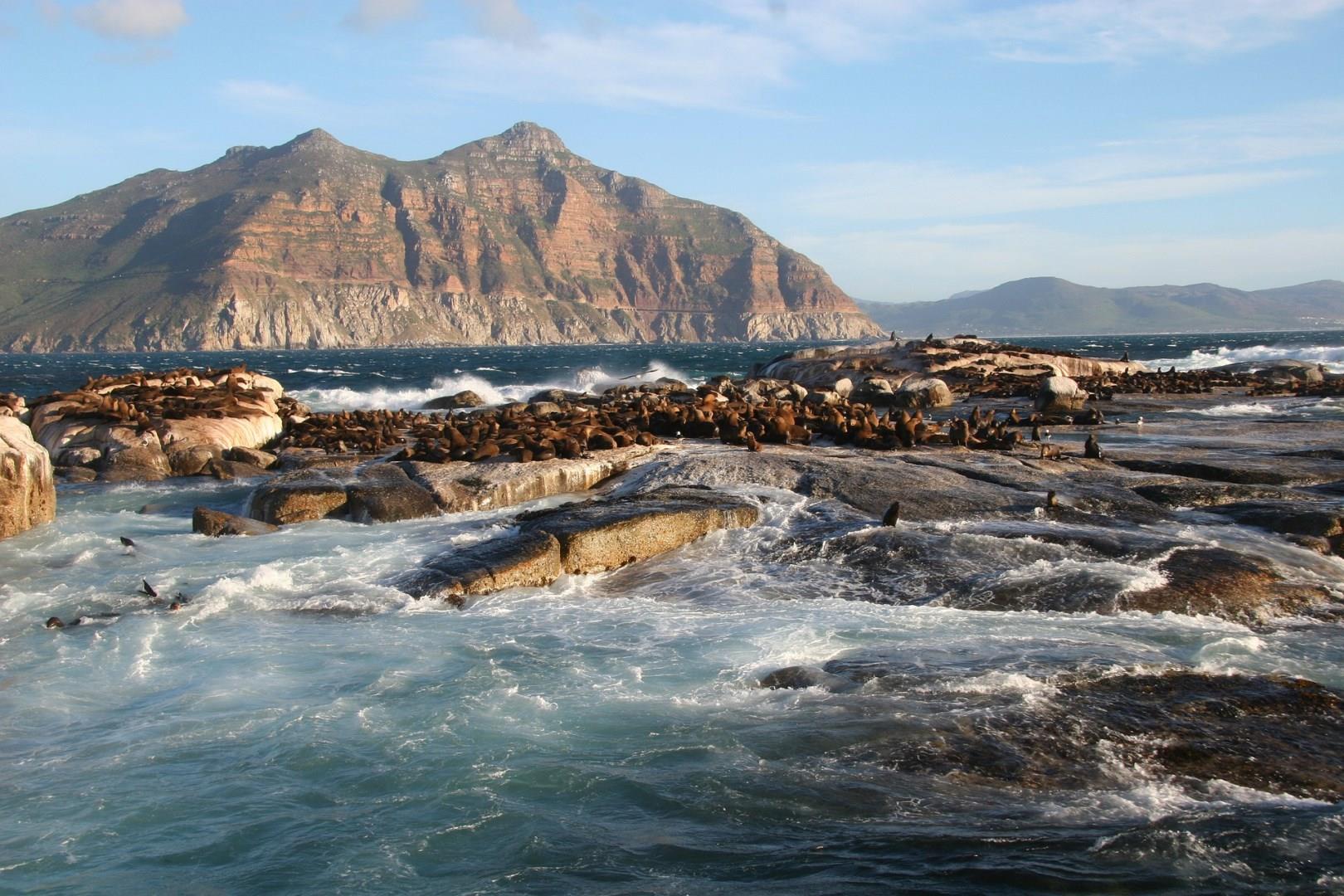
Duiker Island, located off the coast of Hout Bay in Cape Town, South Africa, is a fascinating destination for nature lovers and adventure seekers alike. Known for its large population of Cape fur seals, the island provides a unique opportunity to observe these playful marine mammals in their natural habitat.
Chilean Patagonia
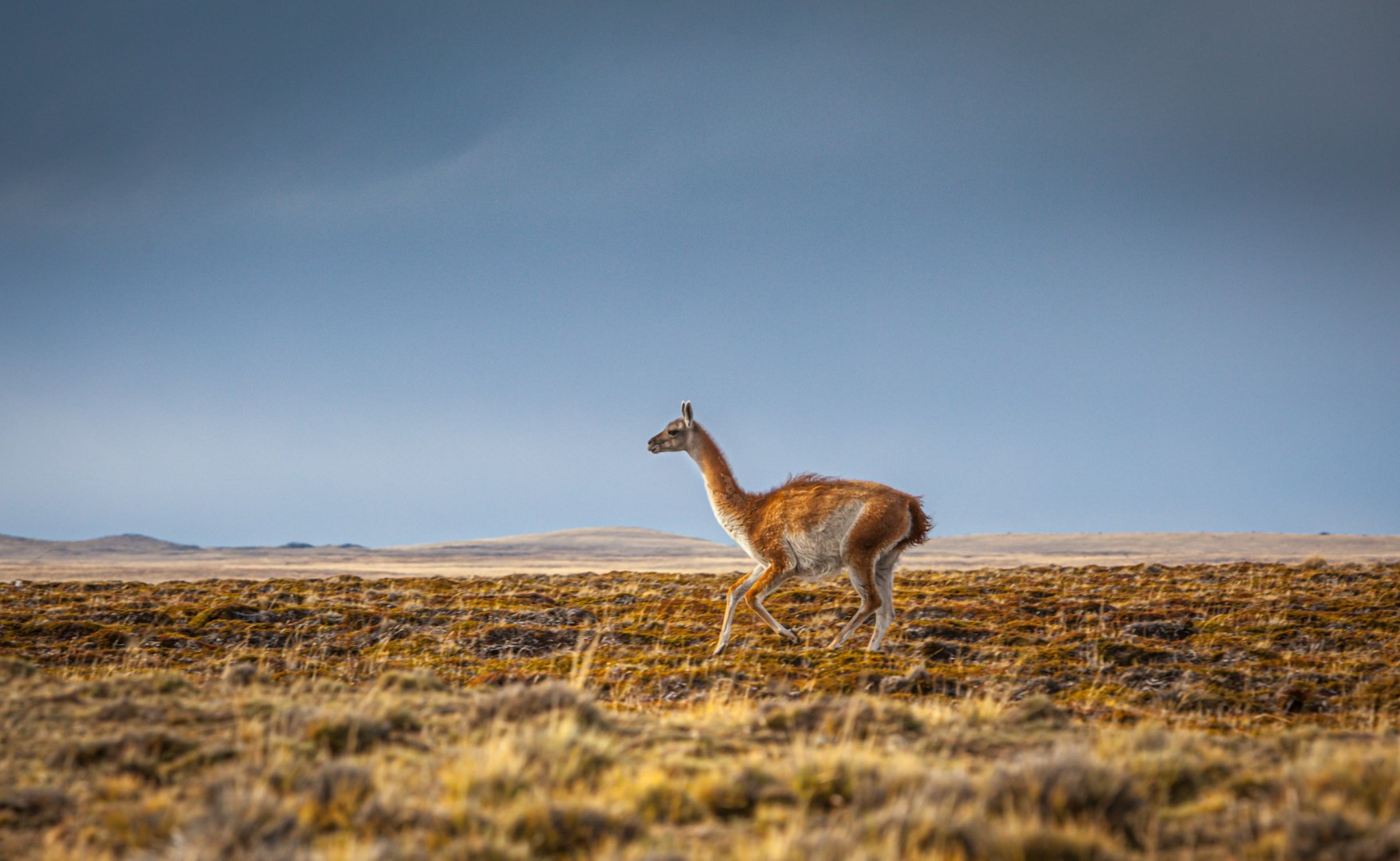
Chilean Patagonia is a vast southern region extending from the fjords and forests of Aysén to the mountains, steppes, and channels of Magallanes. Rather than a single destination, it encompasses remote towns, national parks, glaciers, islands, and long stretches of sparsely settled landscape. The Carretera Austral provides one of its main overland routes, linking places such as Coyhaique, Puerto Río Tranquilo, and Villa O’Higgins through forests, rivers, mountains, and fjords.
Oujda
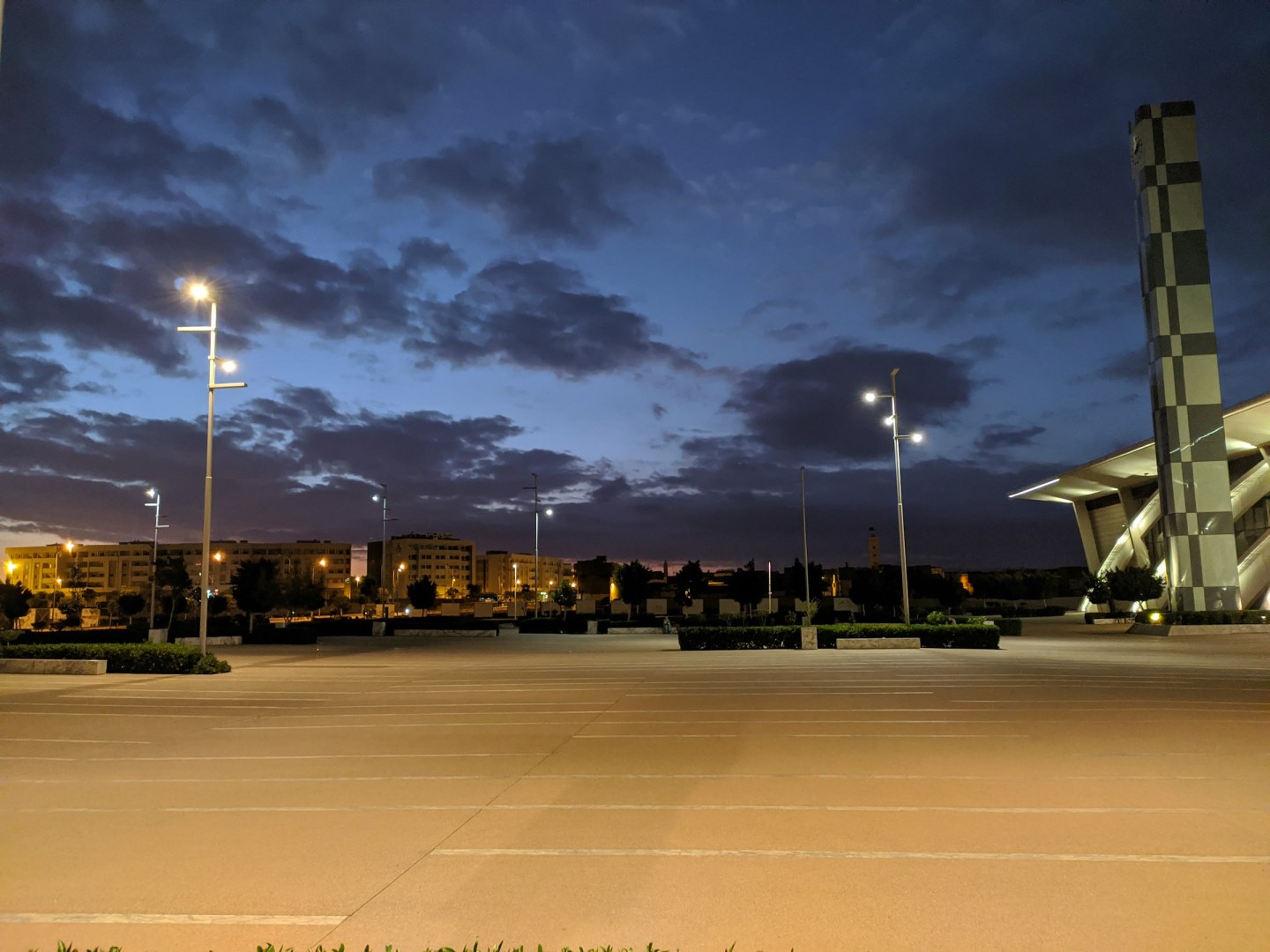
The capital of eastern Morocco, Oujda stands on the border with Algeria. Its privileged geographic position makes it a center for Maghreb tourism and a meeting point of routes between Morocco and other North African countries. Many streams run from the northern slopes to irrigate the well-kept gardens and orchards. Crossing these imposing mountains affords a magnificent panoramic view of Oujda.
Chios
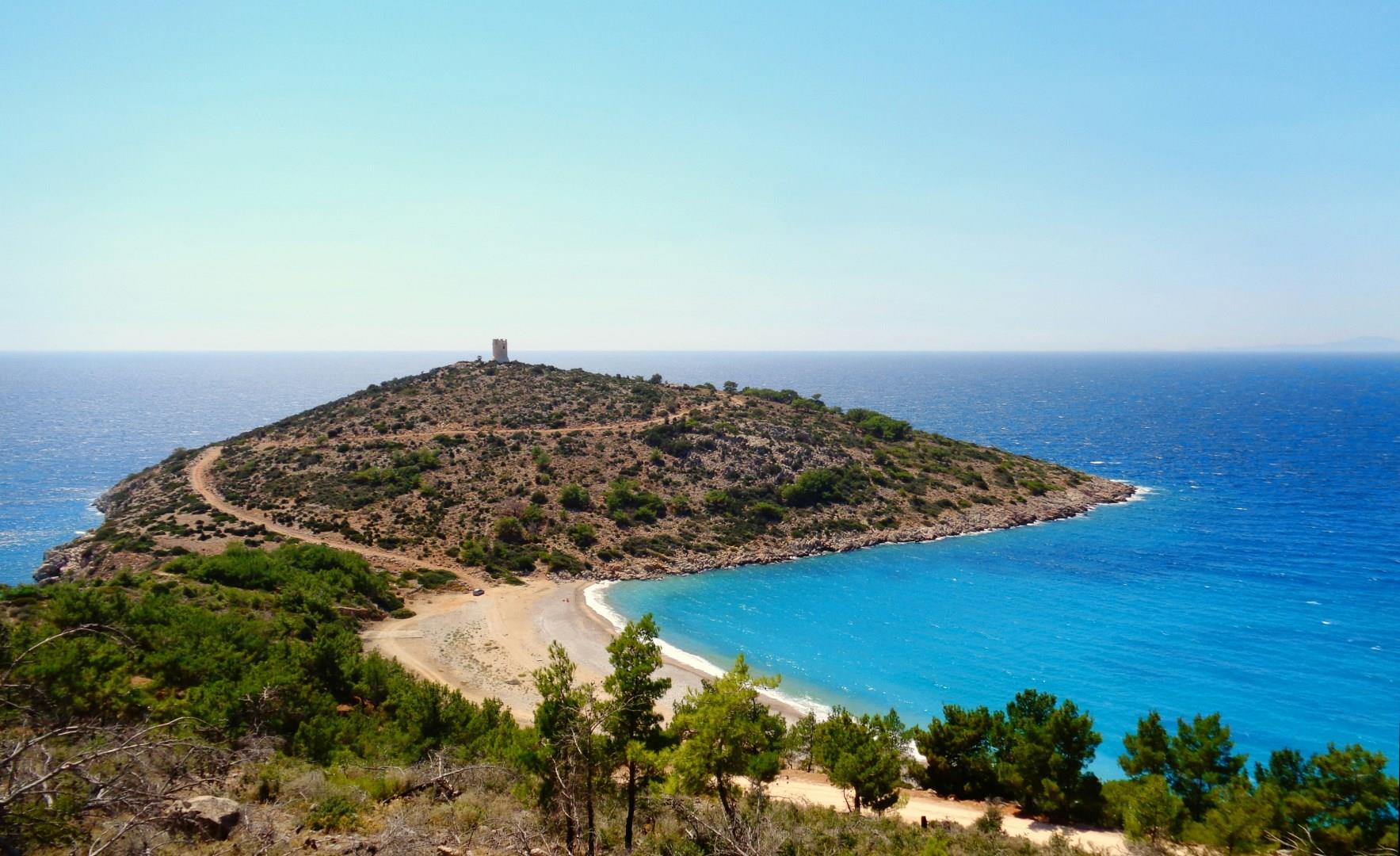
Chios lies in the northeastern Aegean, close enough to the Turkish coast that the mainland feels present in daily life.
Kootenay National Park
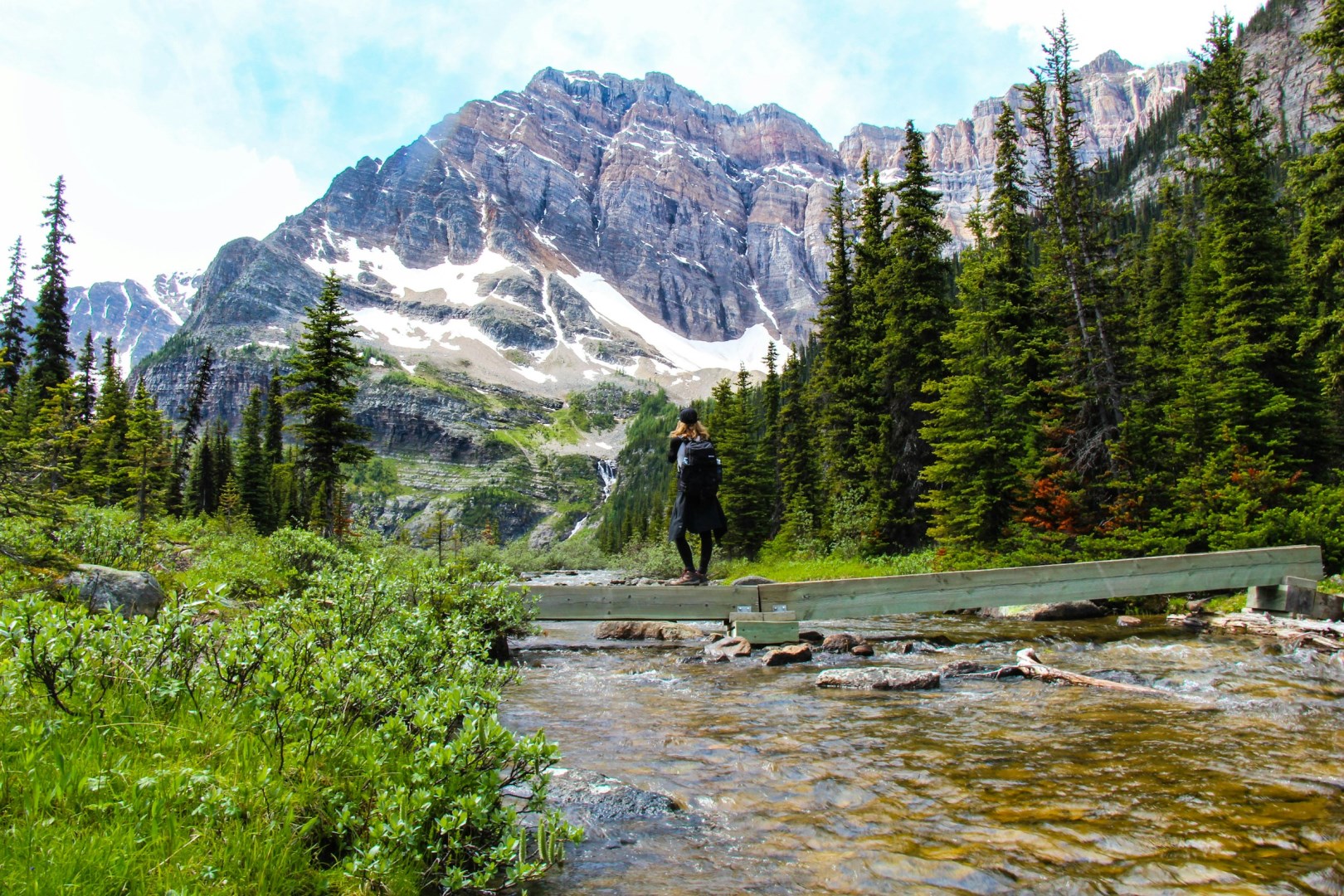
Kootenay National Park occupies 1,406 square kilometres of the Canadian Rockies in southeastern British Columbia, extending from the Continental Divide toward the Columbia Valley. The park is known for its contrasts, with glaciers and alpine terrain giving way to dry grasslands, narrow canyons, and forested valleys. Highway 93 South crosses the park, providing access to many of its landscapes and viewpoints.