Liège
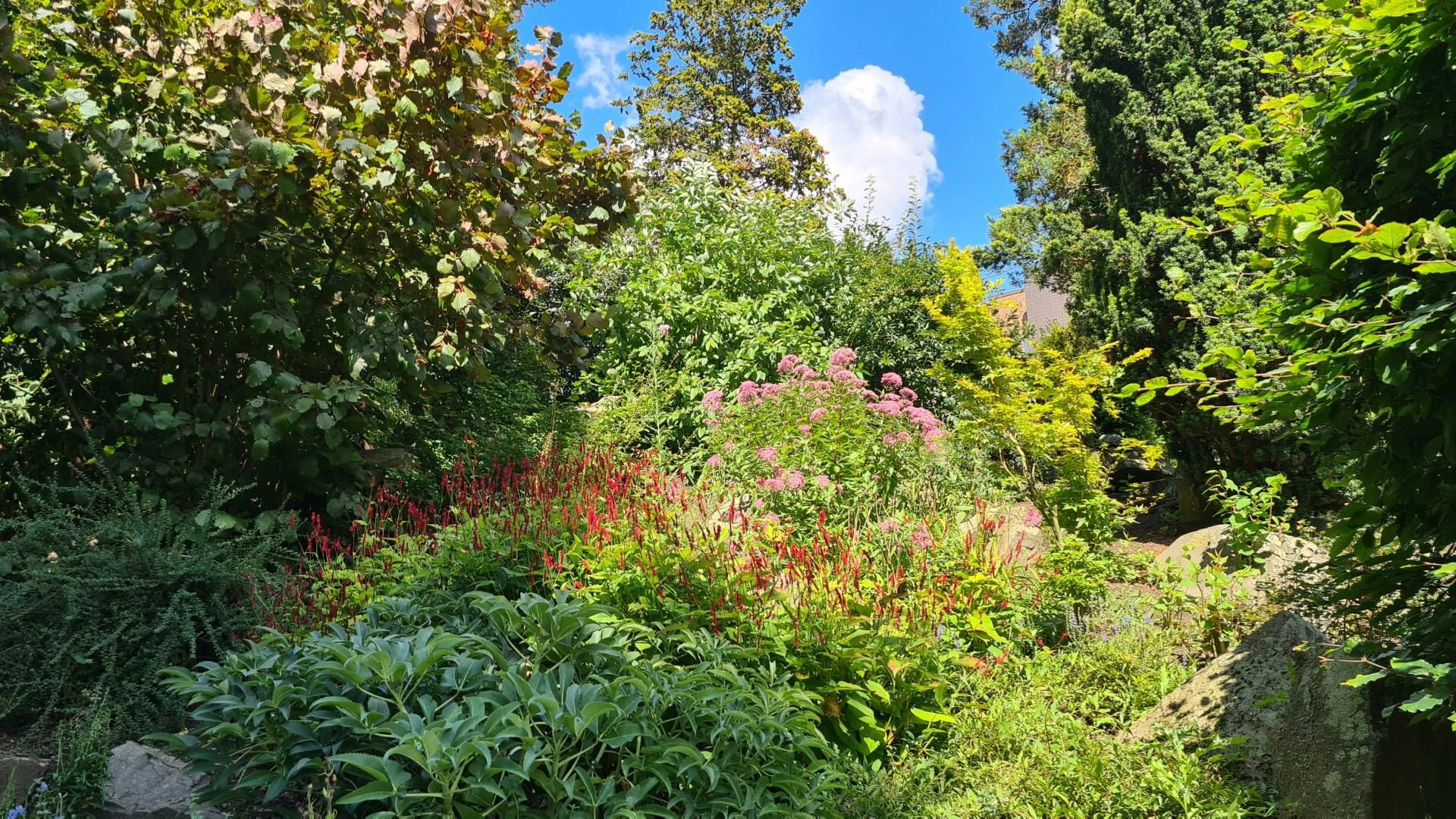
Liège, located along the Meuse River in eastern Belgium, is a city shaped by industry, resilience, and an independent spirit that dates back centuries. Once the capital of a powerful prince-bishopric, Liège has always done things its own way and is lived-in and layered with working neighborhoods, student cafés, and markets that tell the city’s real story. Every Sunday, locals gather at La Batte, one of the oldest and largest outdoor markets in Belgium.
Pagat
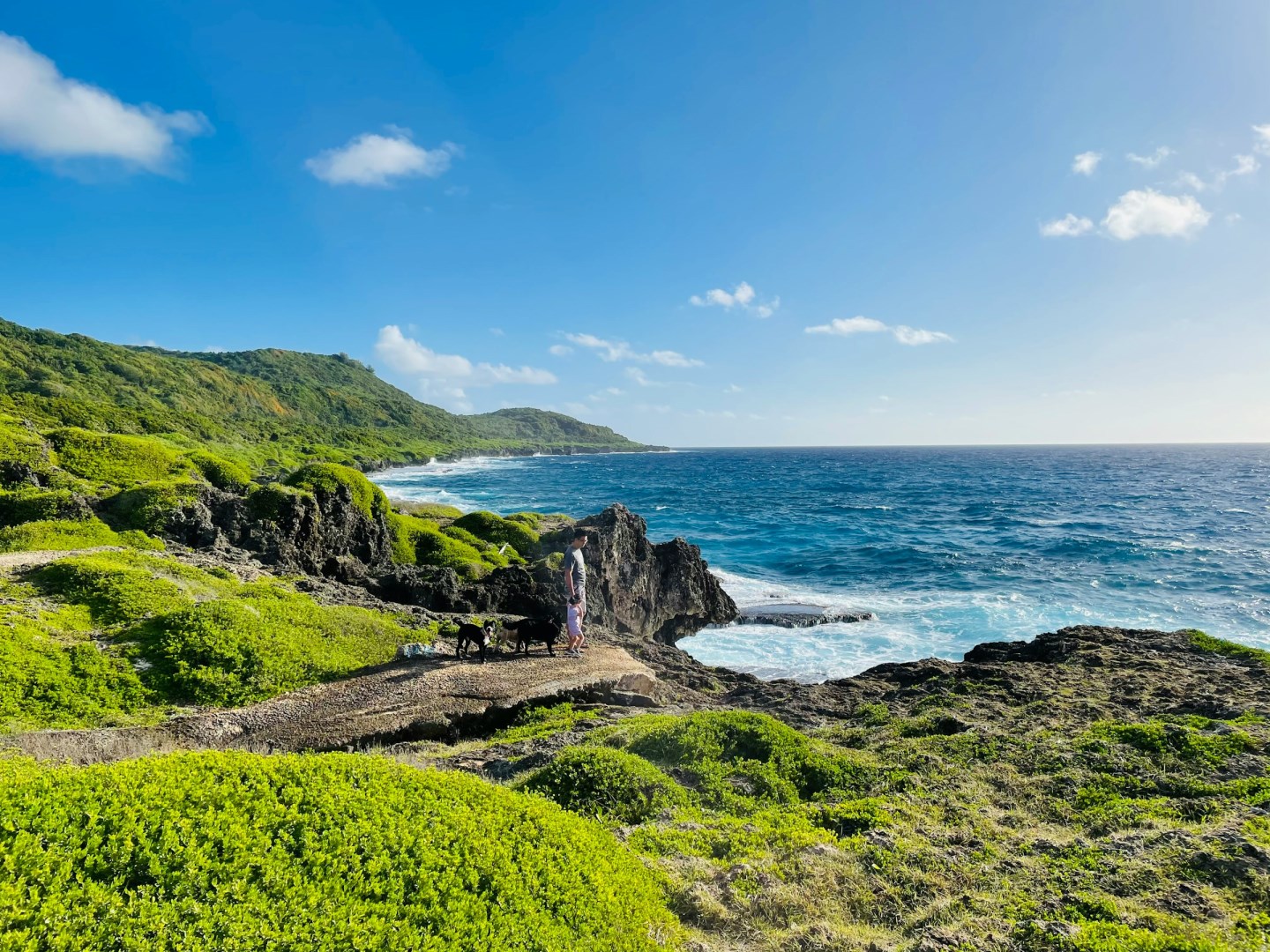
Pagat is a historic village area on Guam's northeastern coast, known for its archaeological remains, limestone cliffs, caves, and coastal trails. The area lies within Guam's rugged northern landscape, where dense vegetation covers limestone terraces above the Pacific Ocean. Pagat is particularly significant because it preserves evidence of ancient CHamoru settlement, including stone structures, pottery fragments, and remnants of traditional village life.
Guinea
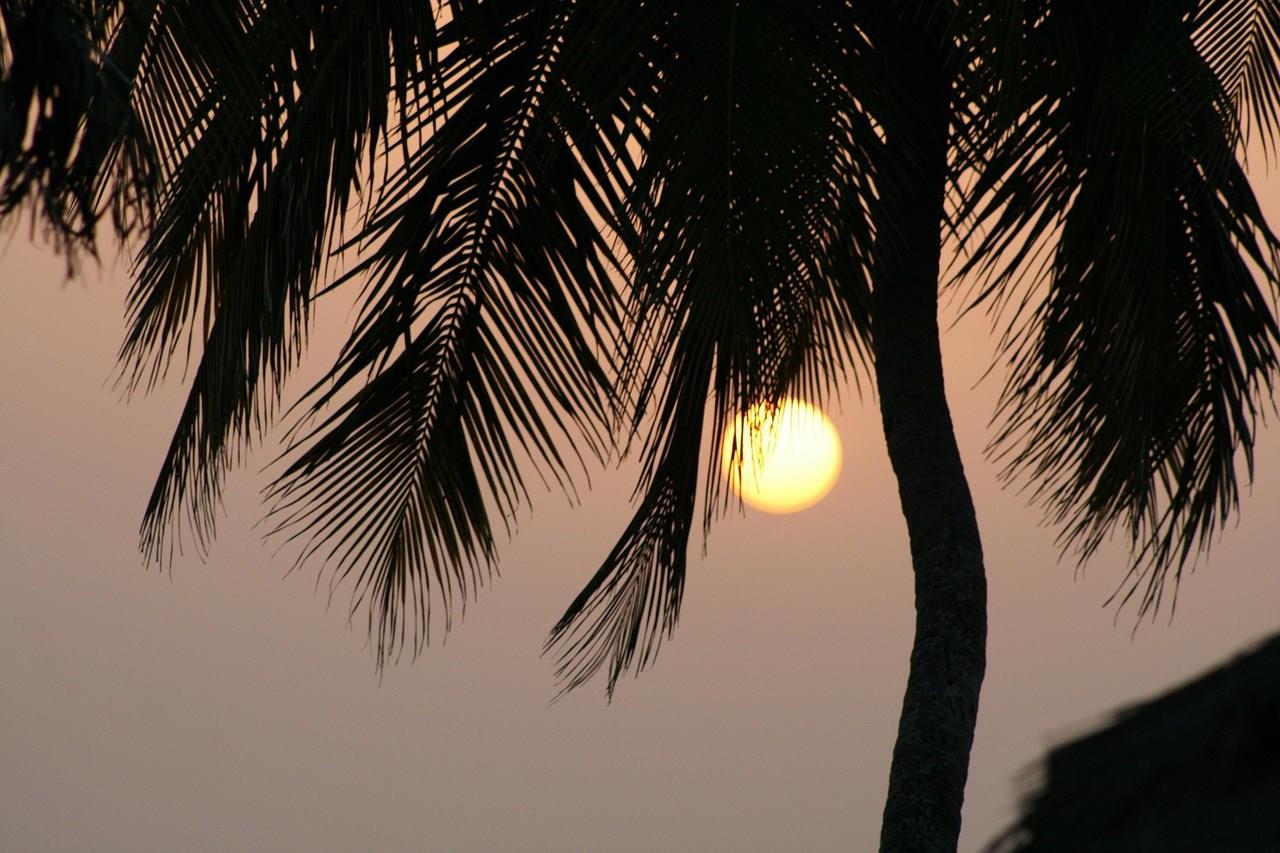
Guinea, located on the west coast of Africa, offers a rich blend of landscapes, cultures, and traditions that remain largely untouched by mass tourism. Its Atlantic shoreline is dotted with fishing villages and sandy beaches, while inland, rolling highlands and dense rainforests give way to sweeping savannas.

Colima
Visitors to the state of Colima will experience mountains, volcanoes, rivers and alluring beaches. Jalisco sits to the north, and to the south lies Michoacán.
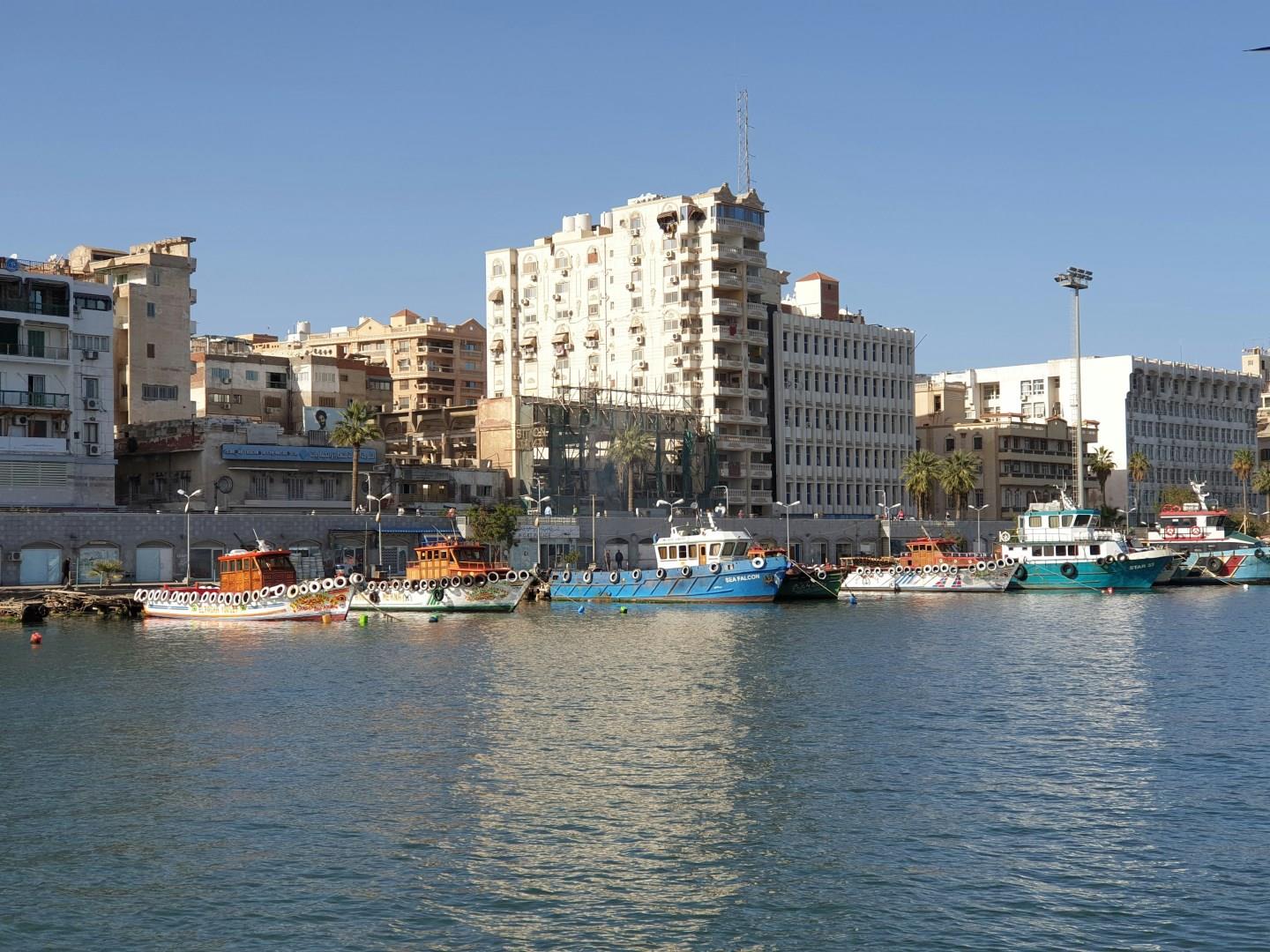
Port Said
Egypt’s Port Said sits at the northern entrance of the Suez Canal, where the Mediterranean meets one of the world’s most famous waterways.