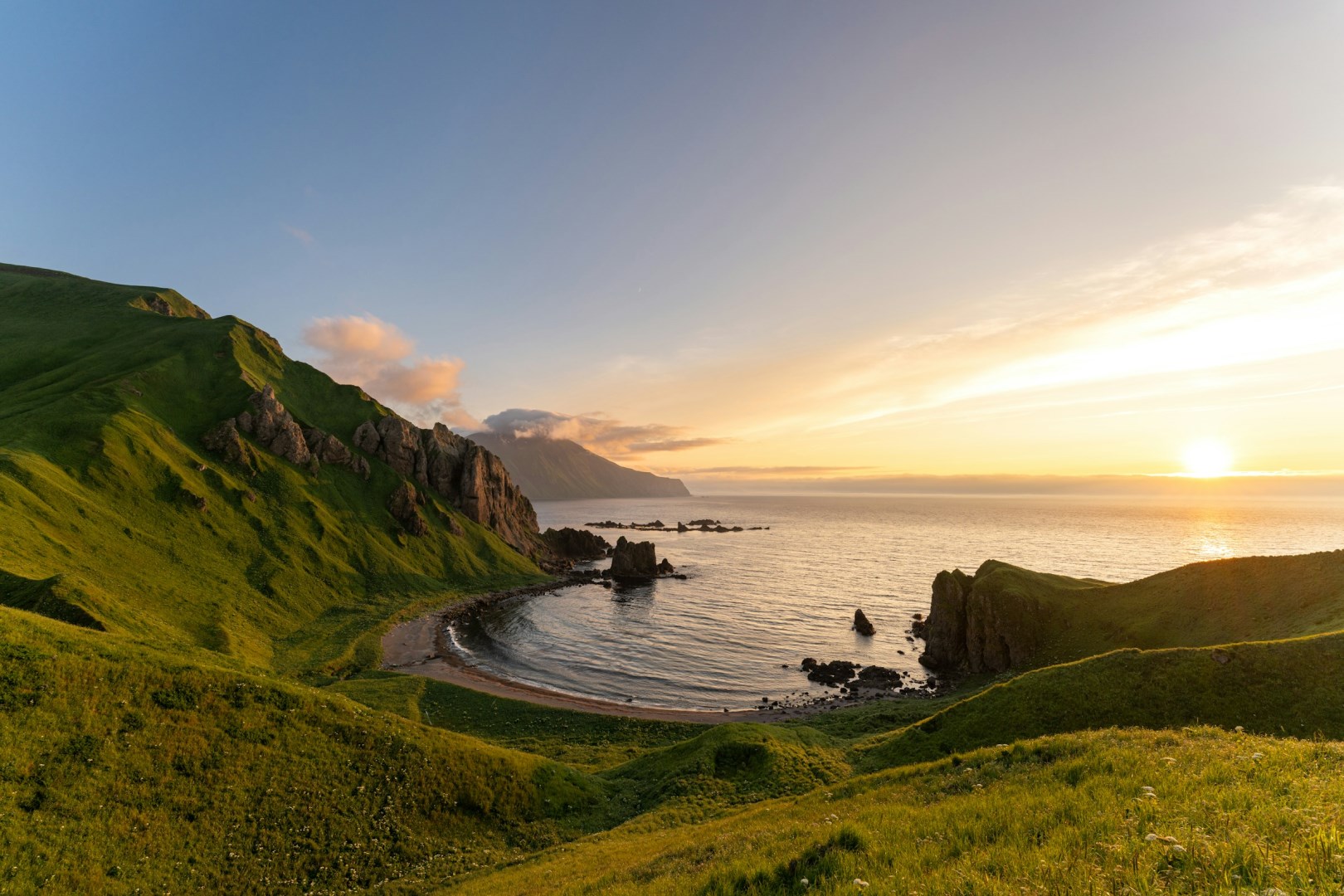
Adak Island
Adak Island lies in the central Aleutian Islands of southwest Alaska, where steep volcanic mountains meet the North Pacific. The community of Adak occupies a sheltered harbor on the island and is one of the few remote Aleutian locations accessible by commercial airline. Much of the island consists of open tundra, rugged slopes, coastal wetlands, and rocky shorelines shaped by strong winds and frequent rain.

Aomori
One of Japan's 60 core cities, Aomori is well-known for its beautiful landscapes. Favorite landscapes include the Hakkoda Mountains and Lake Towada. Another of the city's highlights is the Nebuta Matsuri, an annual festival known for its daily parade of giant, colorful lantern floats.

Lisbon
Lisbon, the enchanting capital of Portugal, entices sightseers with its vibrant color, stunning Gothic architecture, and temperate weather. Easily traversed by foot or tram, the city’s distinct quarters and vivid cultural landmarks make Lisbon an excellent spot for exploration.
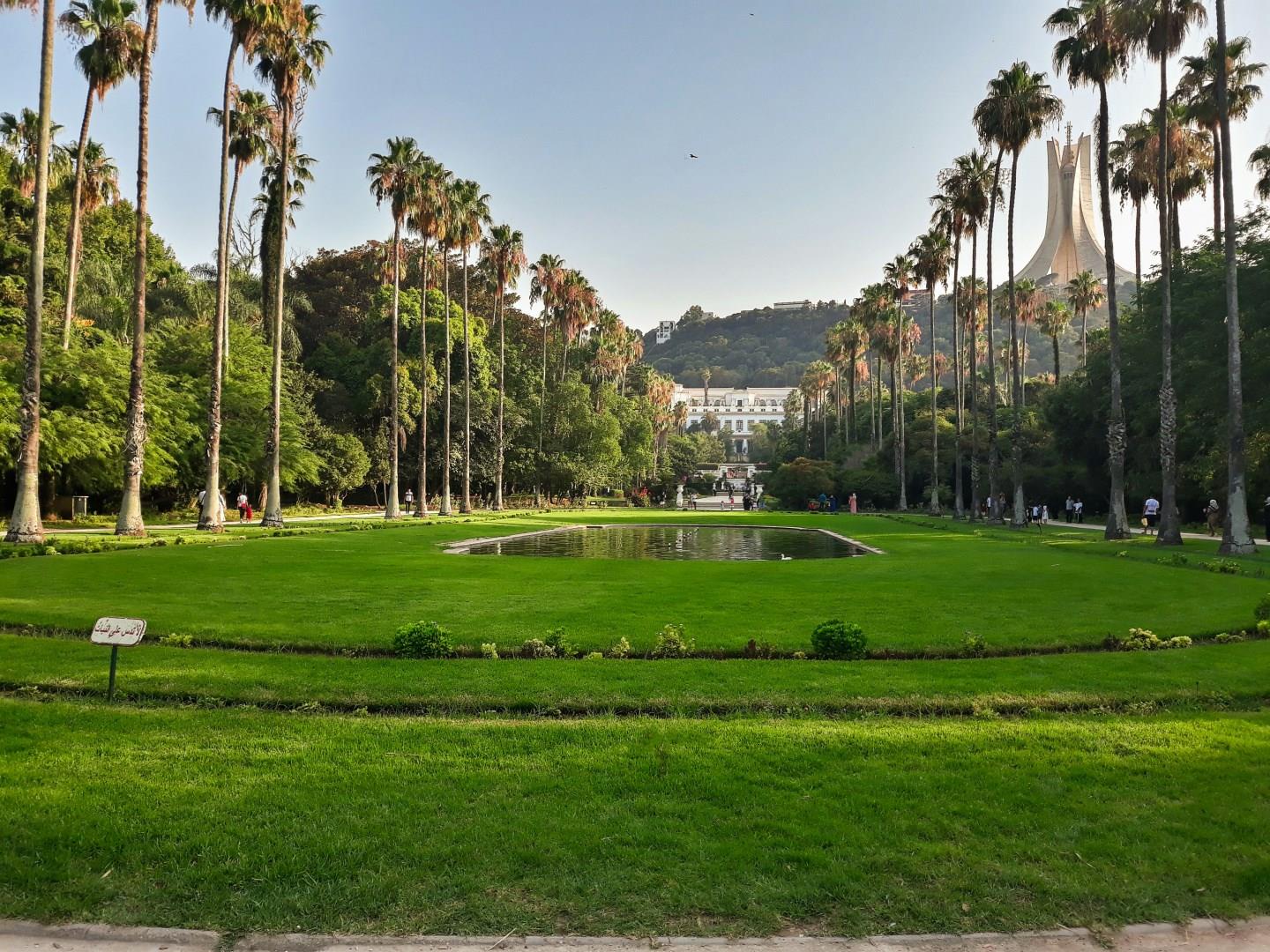
Algiers
Algiers is the capital and largest city of Algeria, occupying a series of hills along the western side of a broad Mediterranean bay. Its landscape combines a historic hillside core, modern districts, busy avenues, and a large waterfront. The white facades of the city rise above the sea, giving Algiers its familiar nickname, “Algiers the White.”

Aghios Nikolaos
Agios Nikolaos is a seaside town in eastern Crete, Greece, set around Mirabello Bay and known for its unusual waterfront setting around Lake Voulismeni. The small lagoon lies at the center of the town, surrounded by cafés, tavernas, shops, and narrow streets that rise toward the surrounding hills. The harbor and marina extend the town toward the sea, while beaches and coves are found along the nearby coast.