Seward
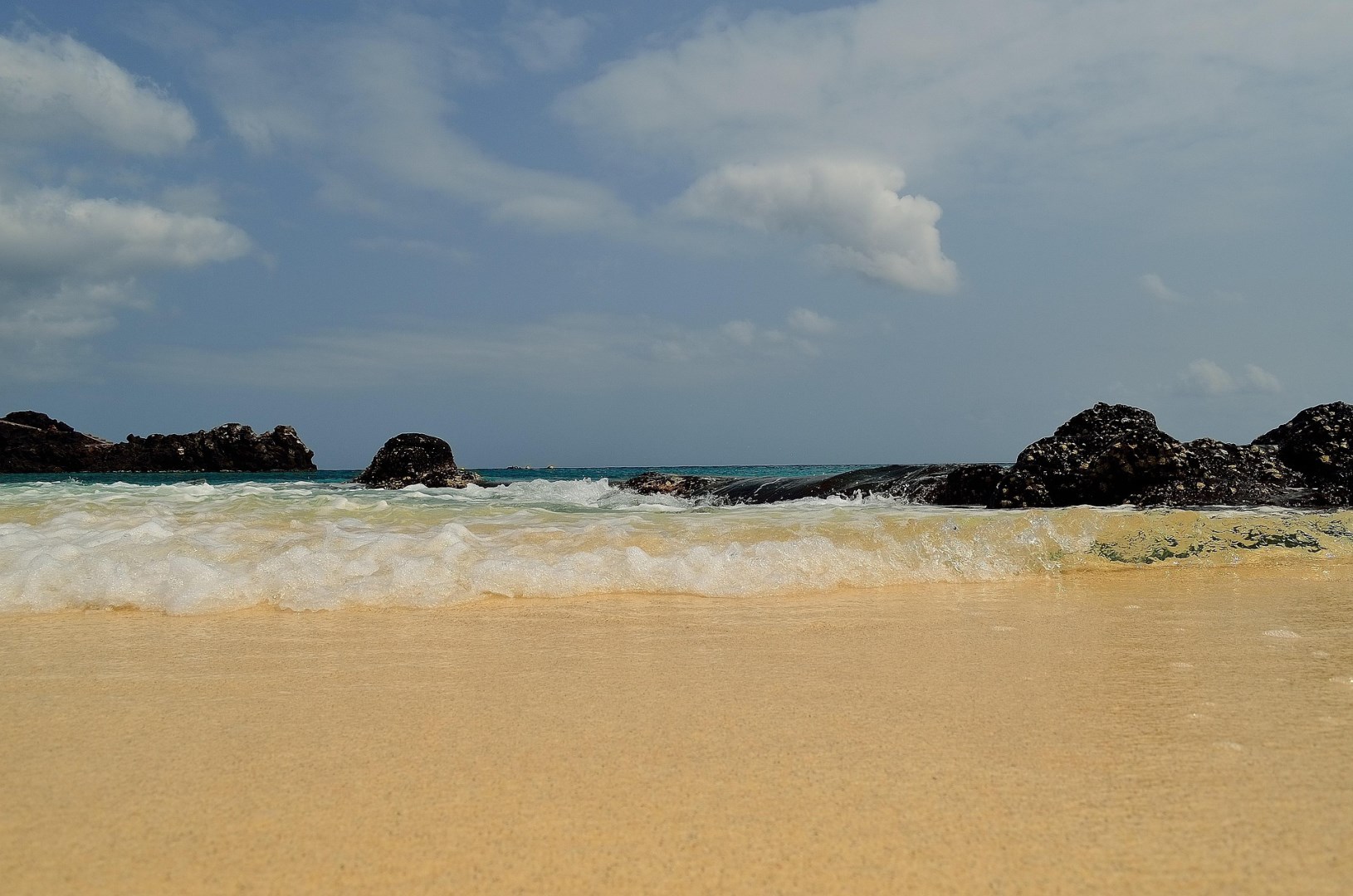
Seward is a coastal city at the head of Resurrection Bay on Alaska’s Kenai Peninsula. Mountains rise around the community, while its harbor opens toward the Gulf of Alaska. The city is an important gateway to Kenai Fjords National Park and a center for commercial fishing, marine transportation, and outdoor recreation. Seward also marks the southern terminus of the historic Iditarod Trail.

Las Vegas
Las Vegas, Nevada, is an electrifying city where glitz and glamour meet entertainment and excitement. Known as "The Entertainment Capital of the World," Las Vegas offers an unparalleled array of attractions, from its iconic casinos and luxurious hotels to its world-class dining and live shows. The city's entertainment scene is second to none, featuring legendary headliners, cutting-edge performances, and an array of themed attractions.

Glasgow
Picturesque Glasgow will instantly charm you with its collection of stunning architecture, historic landmarks, and trendy restaurants and bars. Scotland’s vibrant and eclectic cultural center, Glasgow is an essential destination for travelers to the United Kingdom.
Falmouth
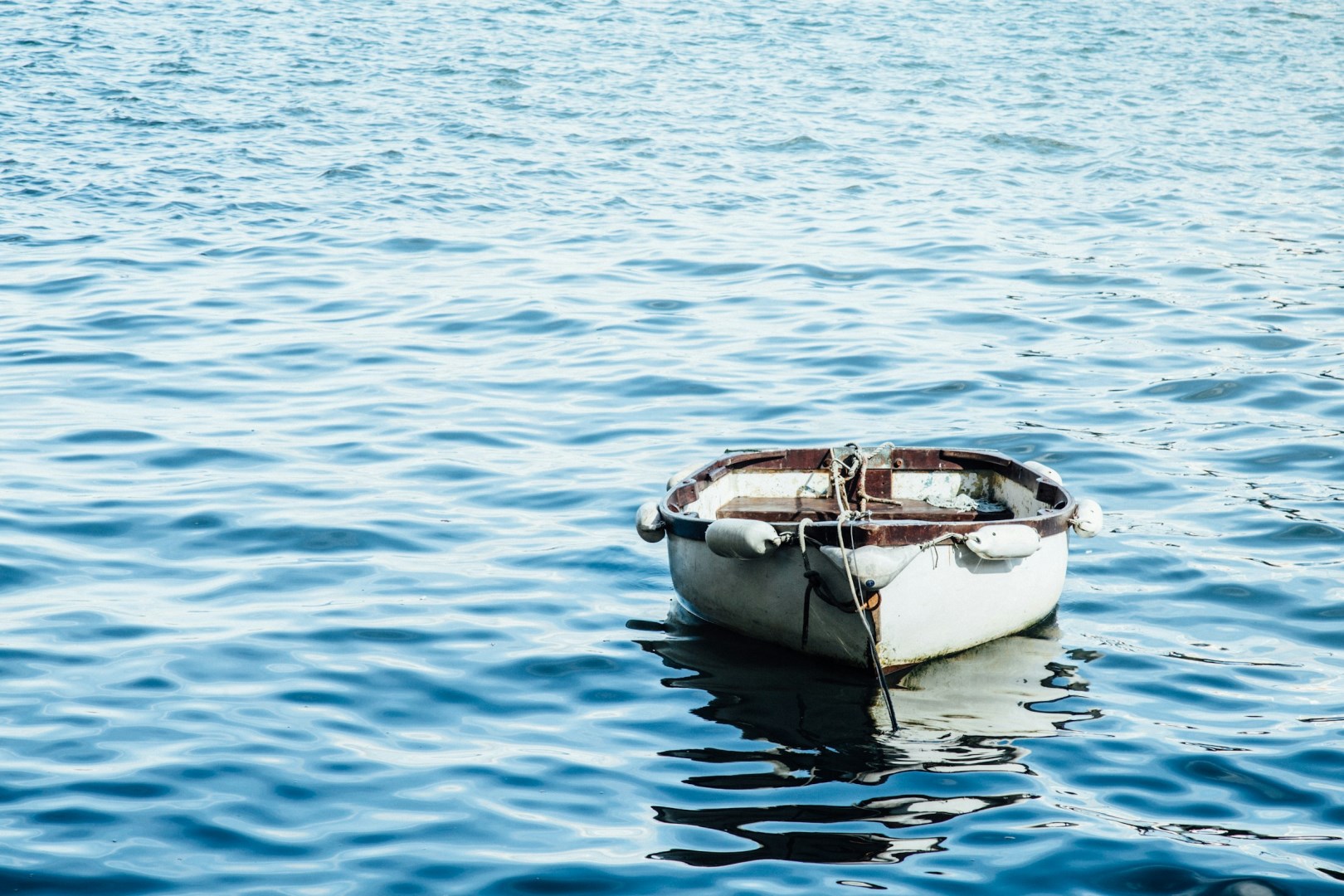
Falmouth, on Cornwall’s south coast, grew around one of the world’s largest natural harbors, a feature that has shaped its maritime identity for centuries. The town expanded during the age of sail, serving as a key port for packet ships, and landmarks like Pendennis Castle still anchor Falmouth firmly in its naval past.
Te Anau
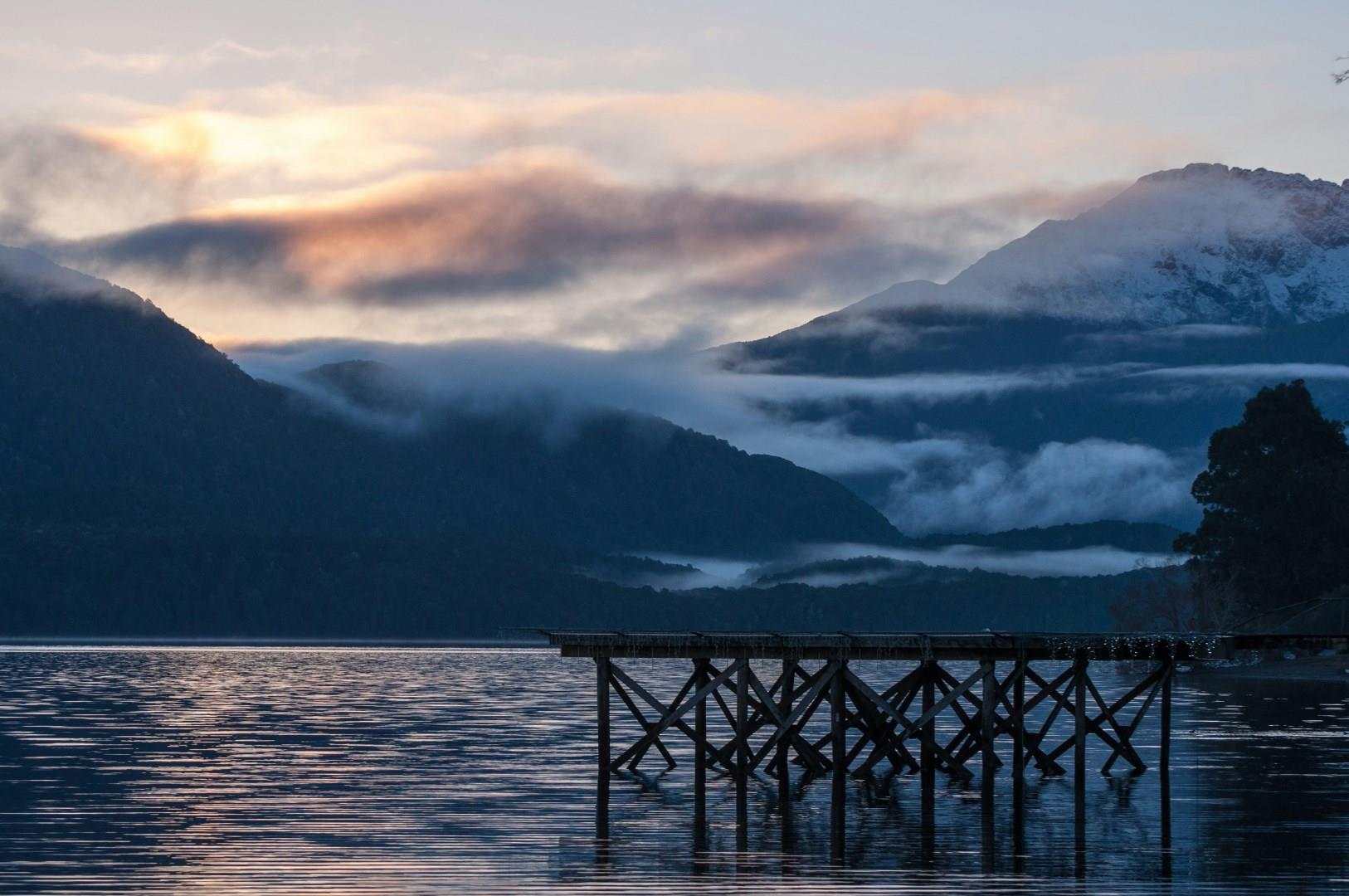
Te Anau sits on the edge of New Zealand’s second-largest lake, acting as the unofficial gateway to Fiordland National Park. While it’s often viewed as a starting point for trips to Milford Sound, the town itself offers a slower, more scenic way to experience the South Island’s dramatic landscapes. Te Anau’s lakefront is a mix of walking paths, local birdlife, and wide-open views across snow-dusted peaks.