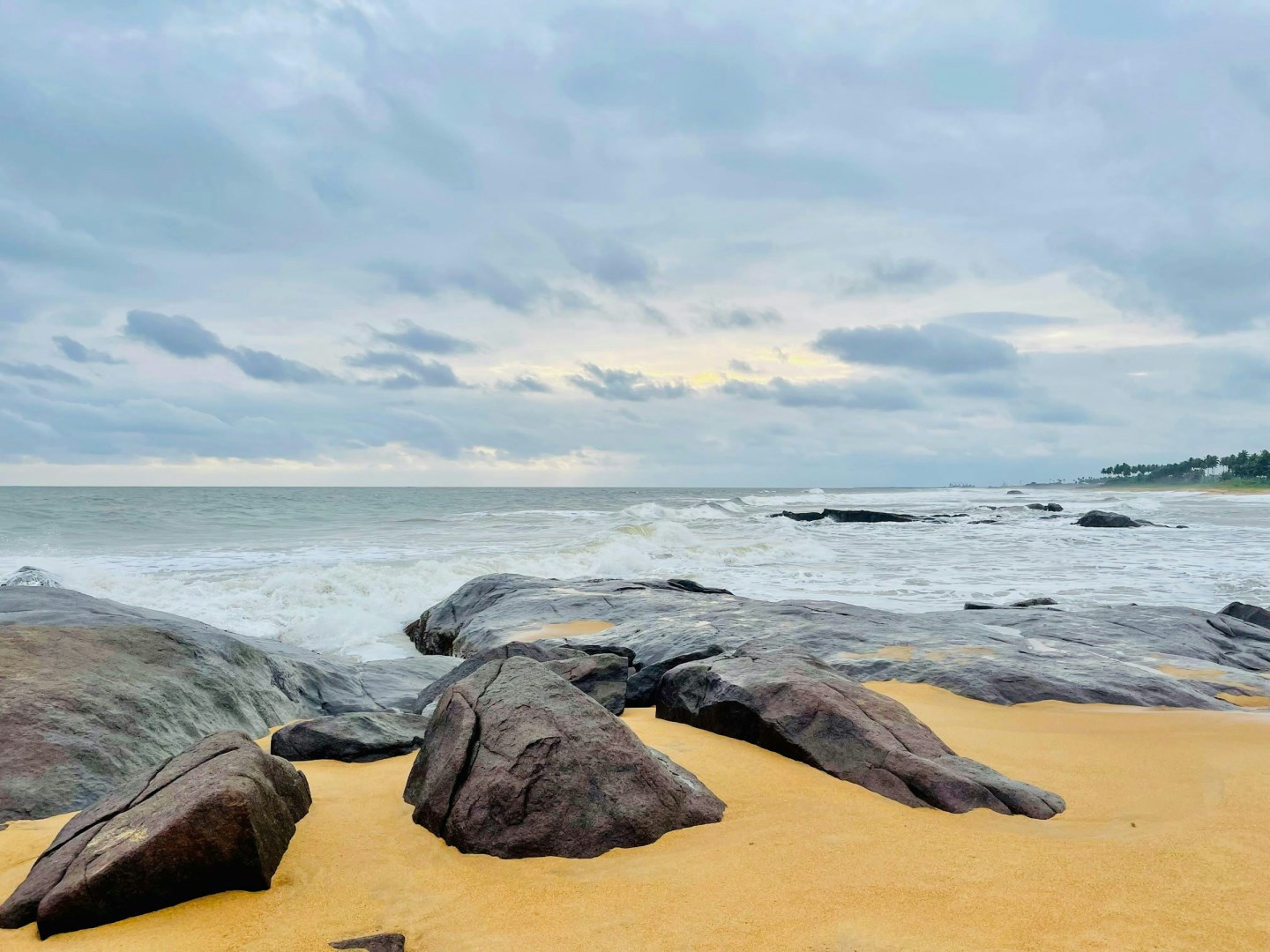
Liberia
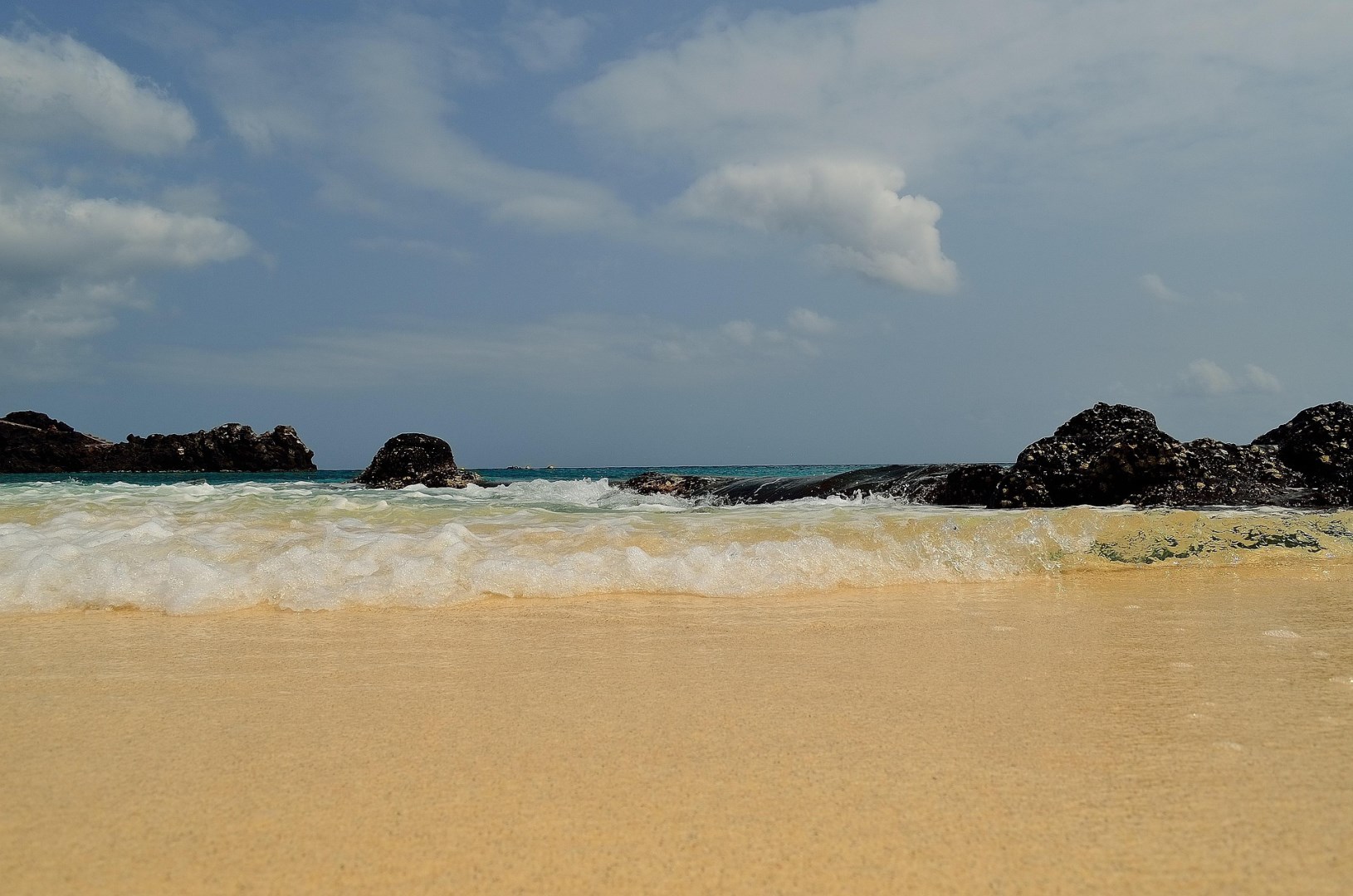
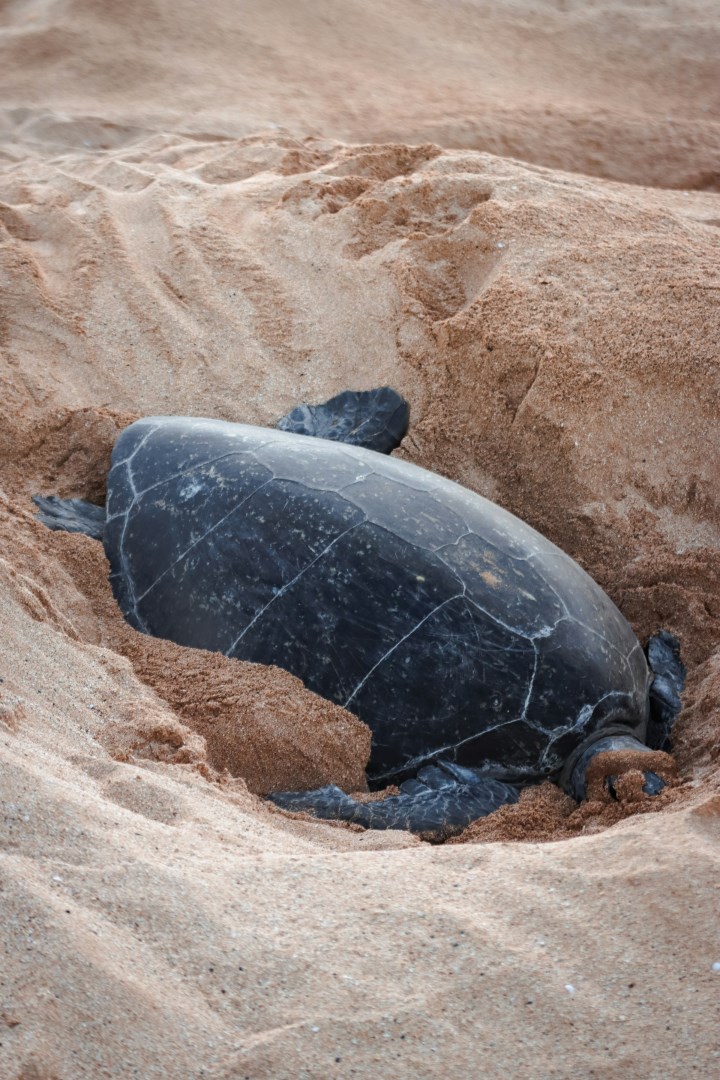
Liberia, republic in western Africa, bounded on the north by Sierra Leone and Guinea, on the east by Côte d'Ivoire, and on the south and west by the Atlantic Ocean. Liberia has an area of 99,067 sq. km (38,250 sq. mi.). Liberia was founded in the early 1800s by freed American slaves. Monrovia is the capital and largest city.
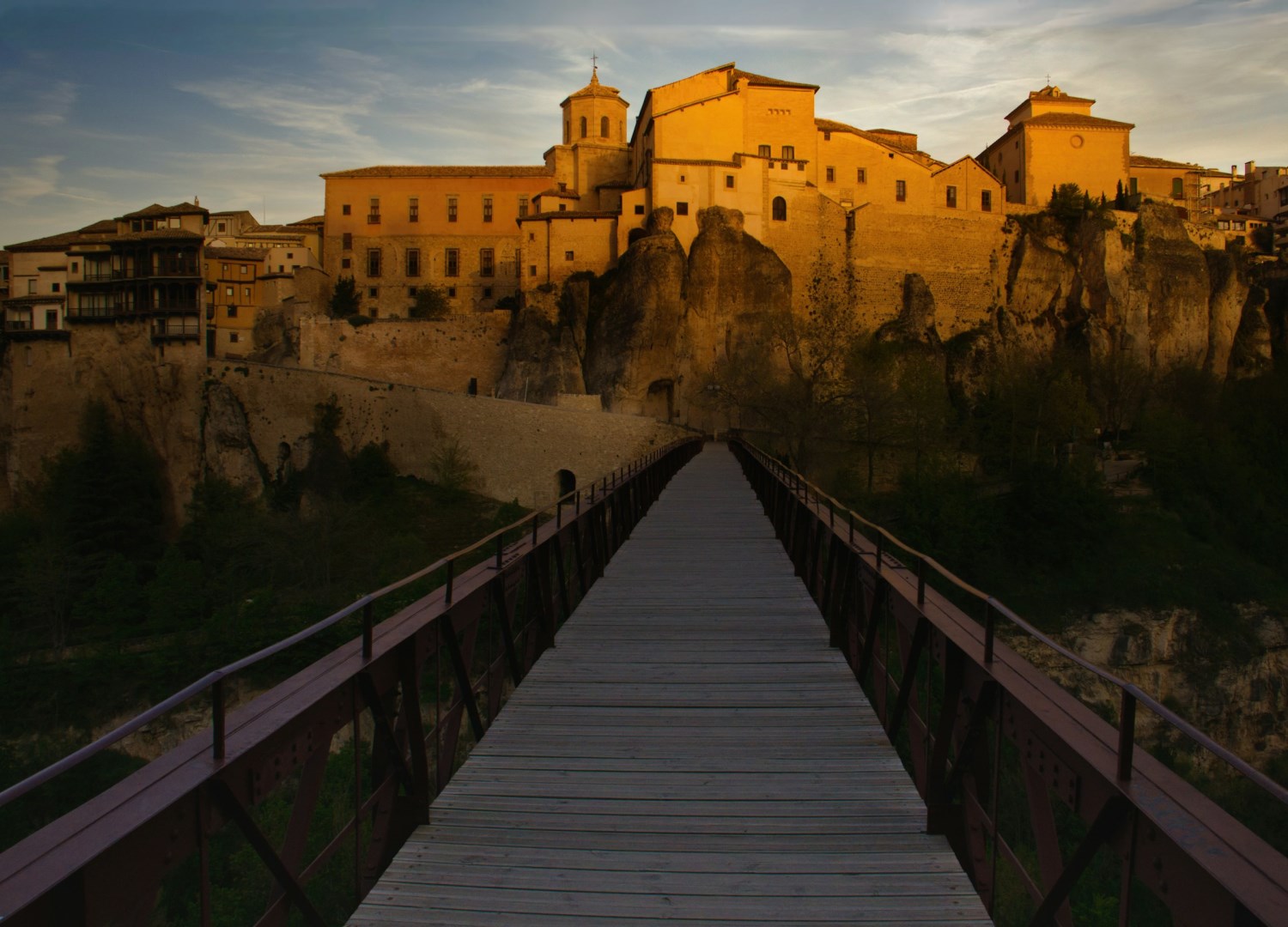
Cuenca
This cliff-side town with it's iconic hanging houses is a true marvel! Walking the steep cobblestone streets surrounded by medieval architecture, you'll feel like you've stepped into a storybook.
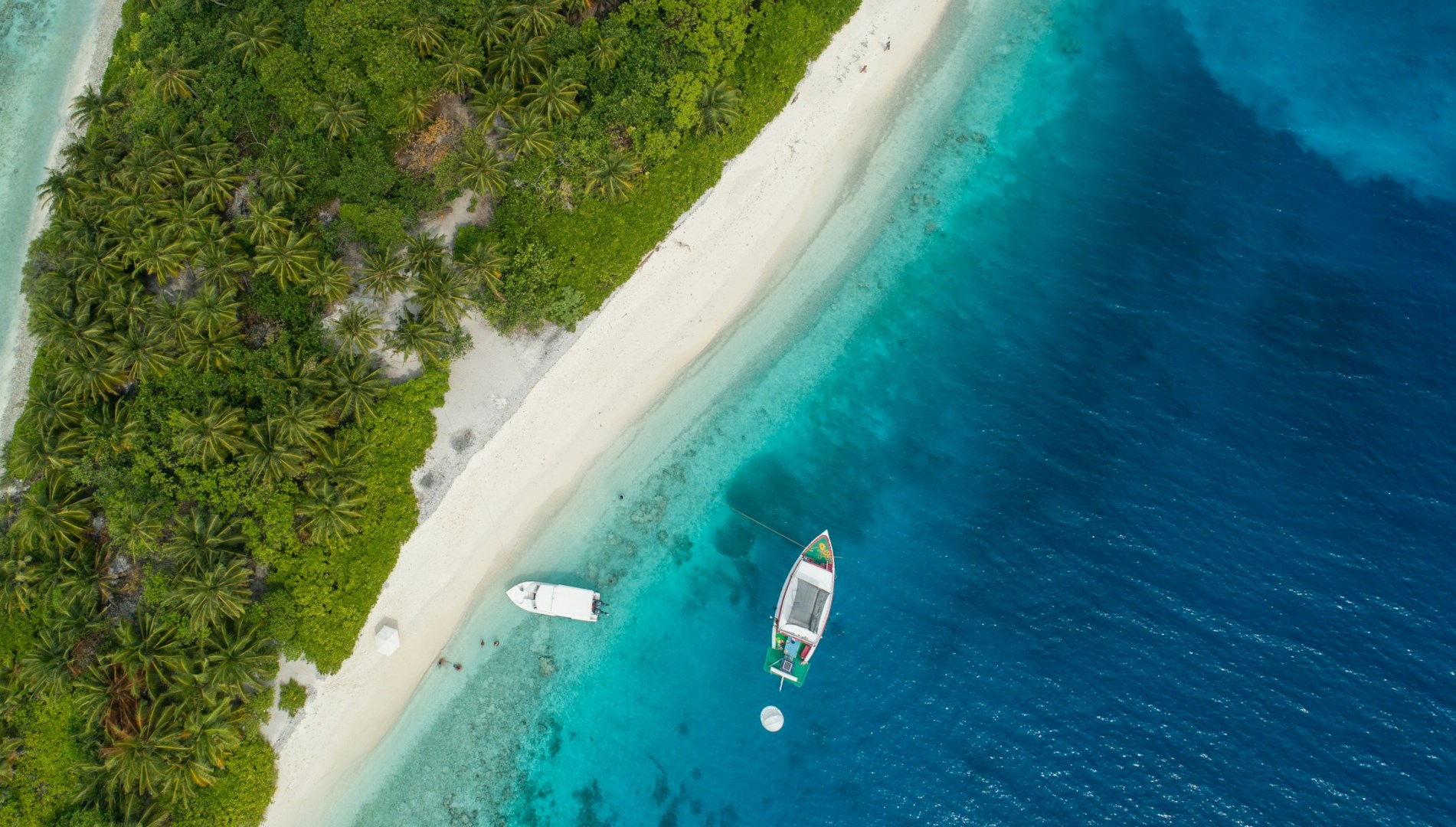
Vaavu Atoll
Vaavu Atoll lies south of Malé and is known for its relatively small population, numerous uninhabited islands, clear lagoons, and extensive coral reefs. Felidhoo is the administrative capital, while Thinadhoo, Keyodhoo, and Fulidhoo are among the better-known inhabited islands. The atoll has a quieter character than the more developed areas closer to the capital, with guesthouses, fishing communities, and resorts spread across separate islands.
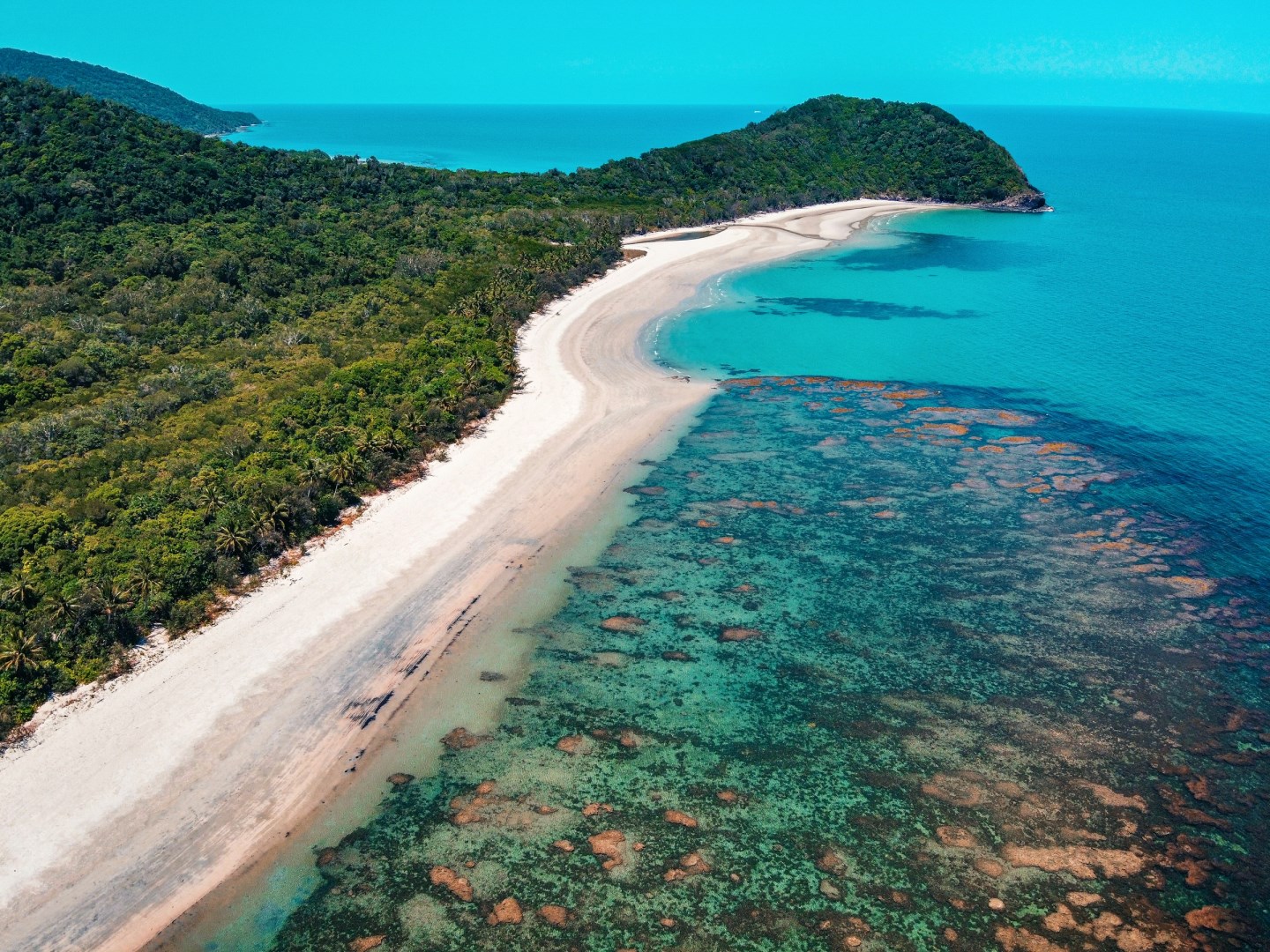
Cape Tribulation
The largest virgin tract of rainforest in Australia (and the second largest in the world), this lush, tropical World Heritage area is a living testimonial to the ancient rainforests which once covered the earth's surface. Cool forest streams, primitive rainforests, stunning mountain scenery and abundant wildlife - a naturalists and bird watchers paradise.

Tahiti
Tahiti is a veritable paradise in the South Pacific. The largest and most populous island of French Polynesia's Society Islands, Tahiti is known for its iconic overwater bungalows, crystal-clear cerulean water, and lush, tropical rainforests.