Tangalle
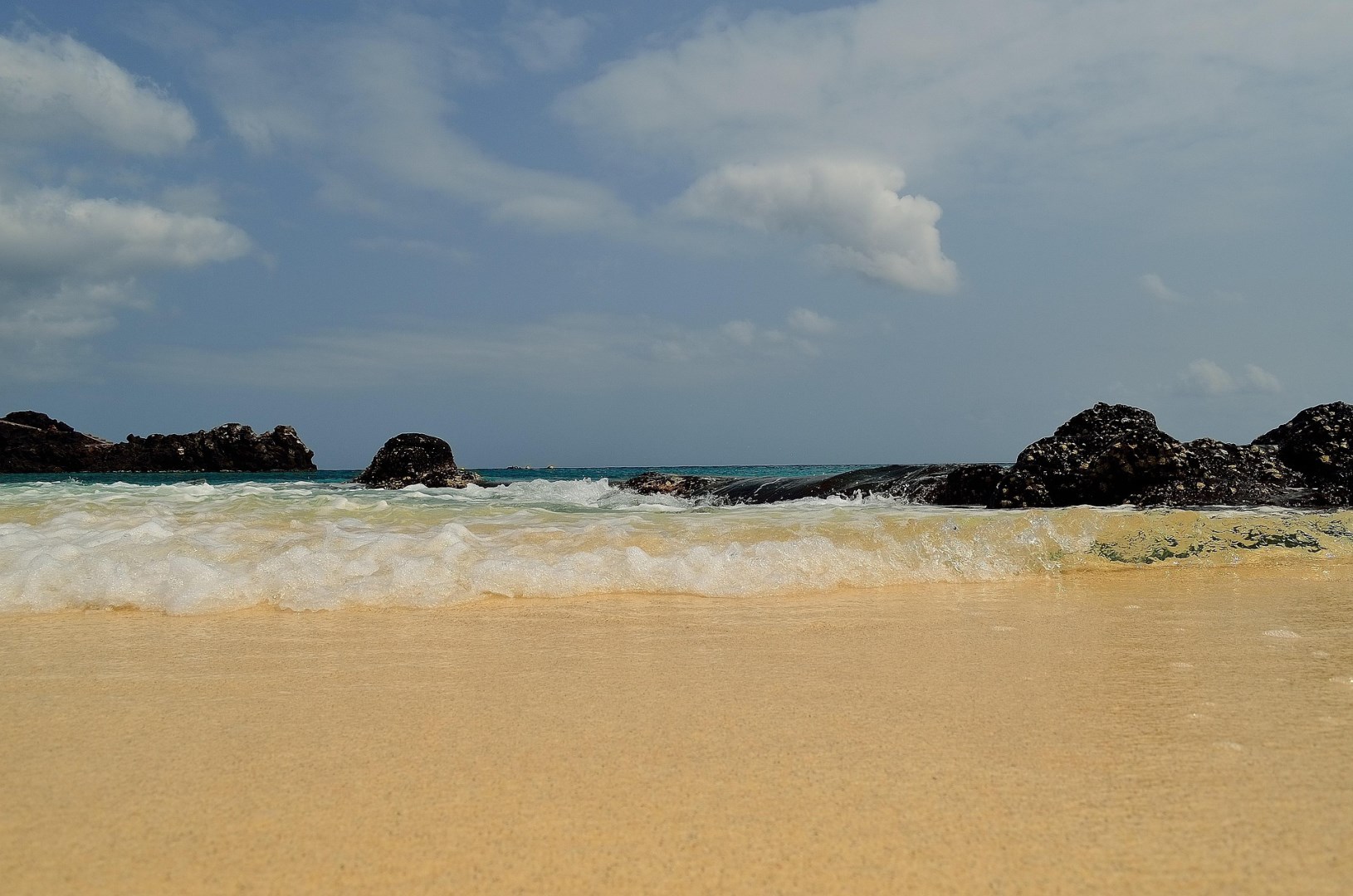
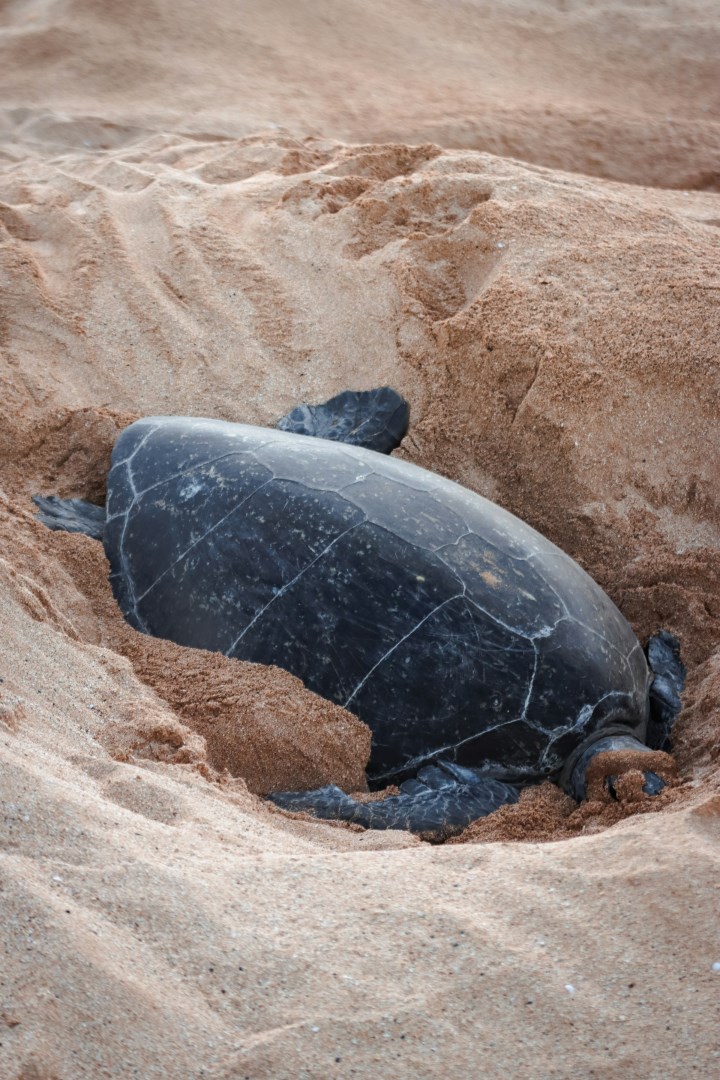
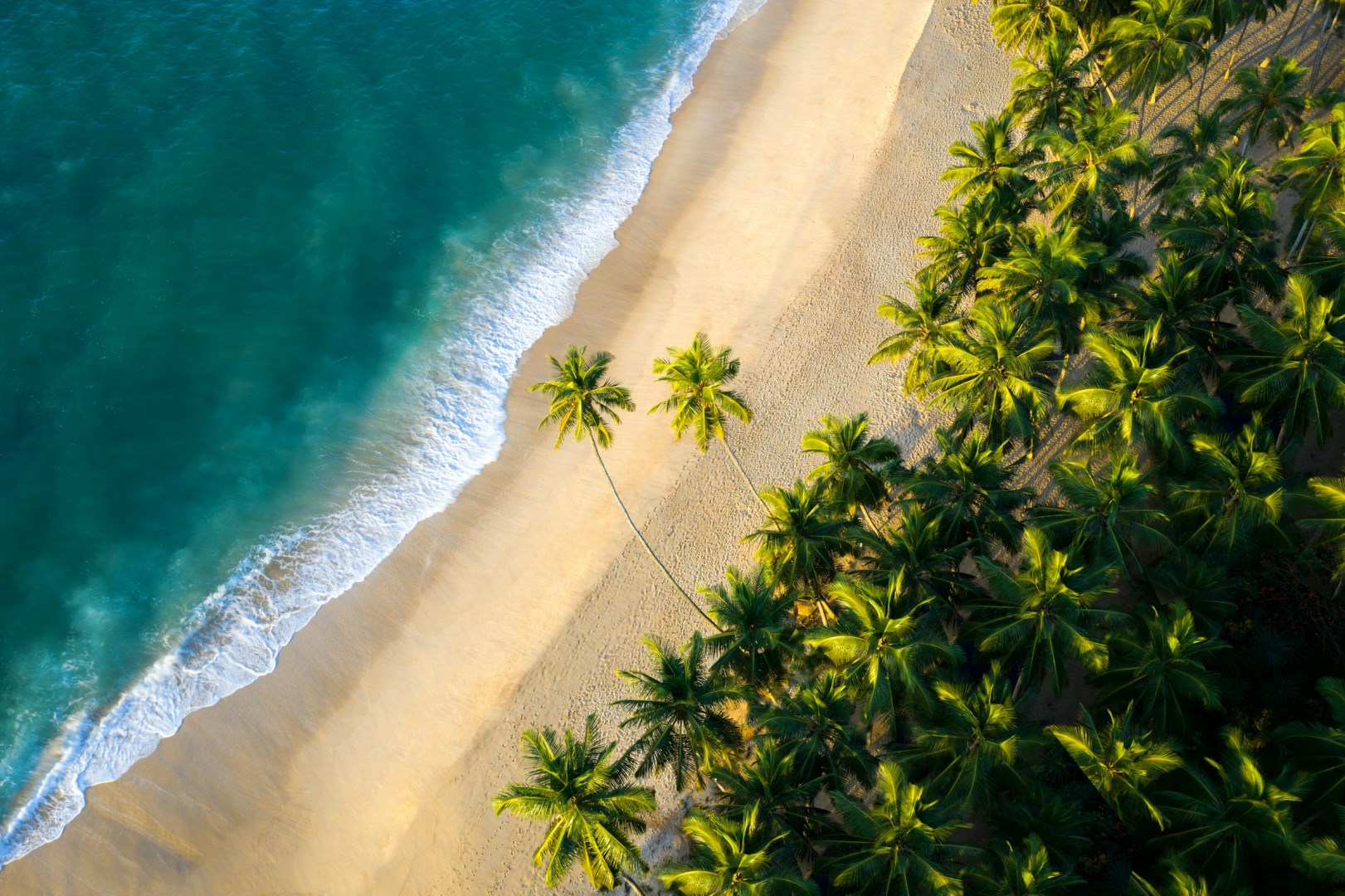
Tangalle is a coastal town in Sri Lanka’s Southern Province, set around one of the island’s larger natural bays. Its shoreline is divided into a series of sandy beaches and smaller coves, including Medaketiya, Goyambokka, Pallikkudawa, and Medilla. Tangalle remains an important fishing port, while tourism has developed around its beaches, seafood restaurants, and small hotels.
Illinois
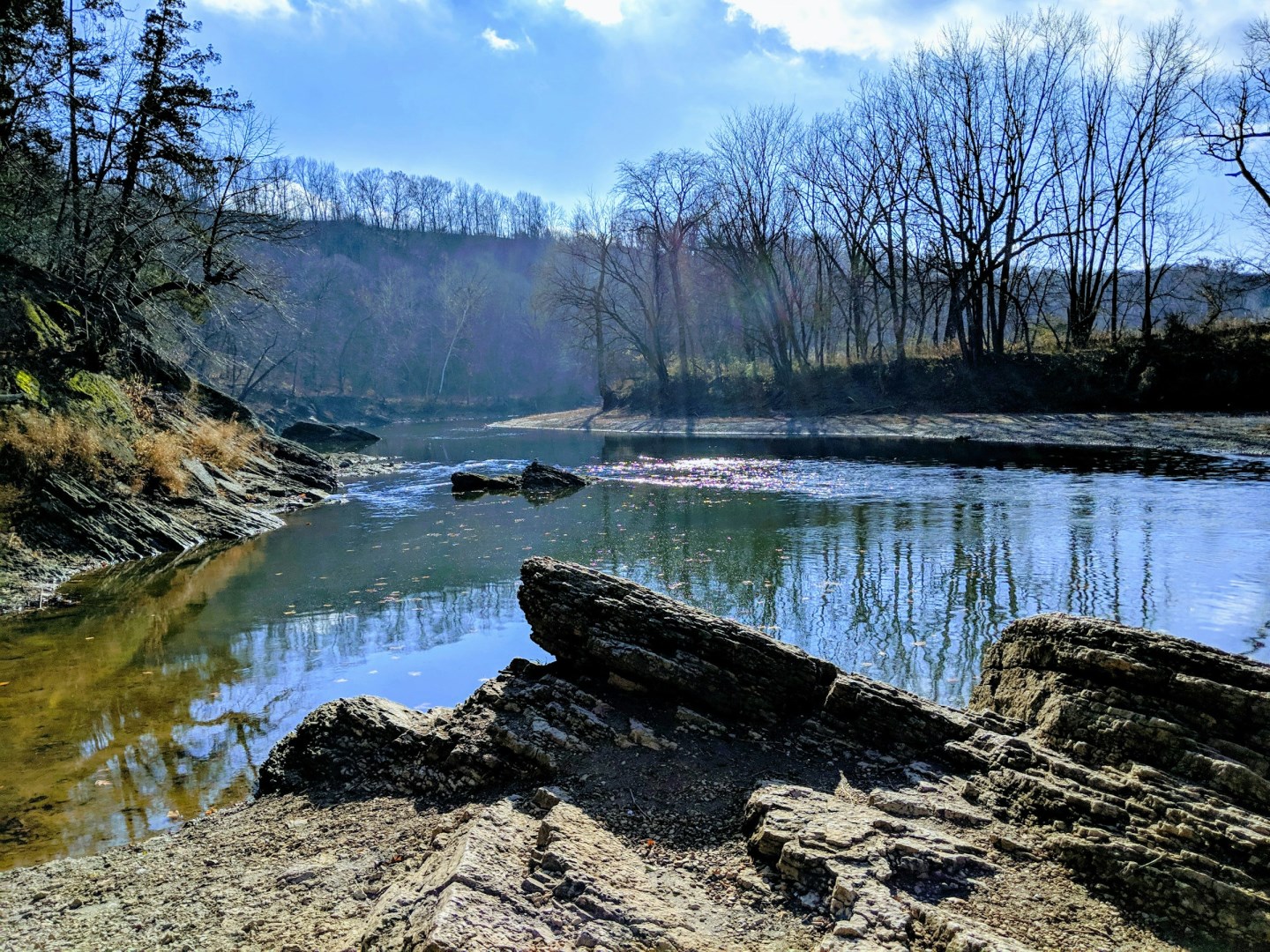
Illinois, a state known for its rich history and diverse attractions, offers a wealth of experiences for visitors. Chicago, its largest city, is a dynamic hub of culture and innovation. The iconic Millennium Park features the striking Cloud Gate sculpture, affectionately known as "The Bean," which reflects the city skyline in a captivating way. Just a short walk away, the Art Institute of Chicago houses an impressive collection of artworks, including Grant Wood’s famous “American Gothic”.
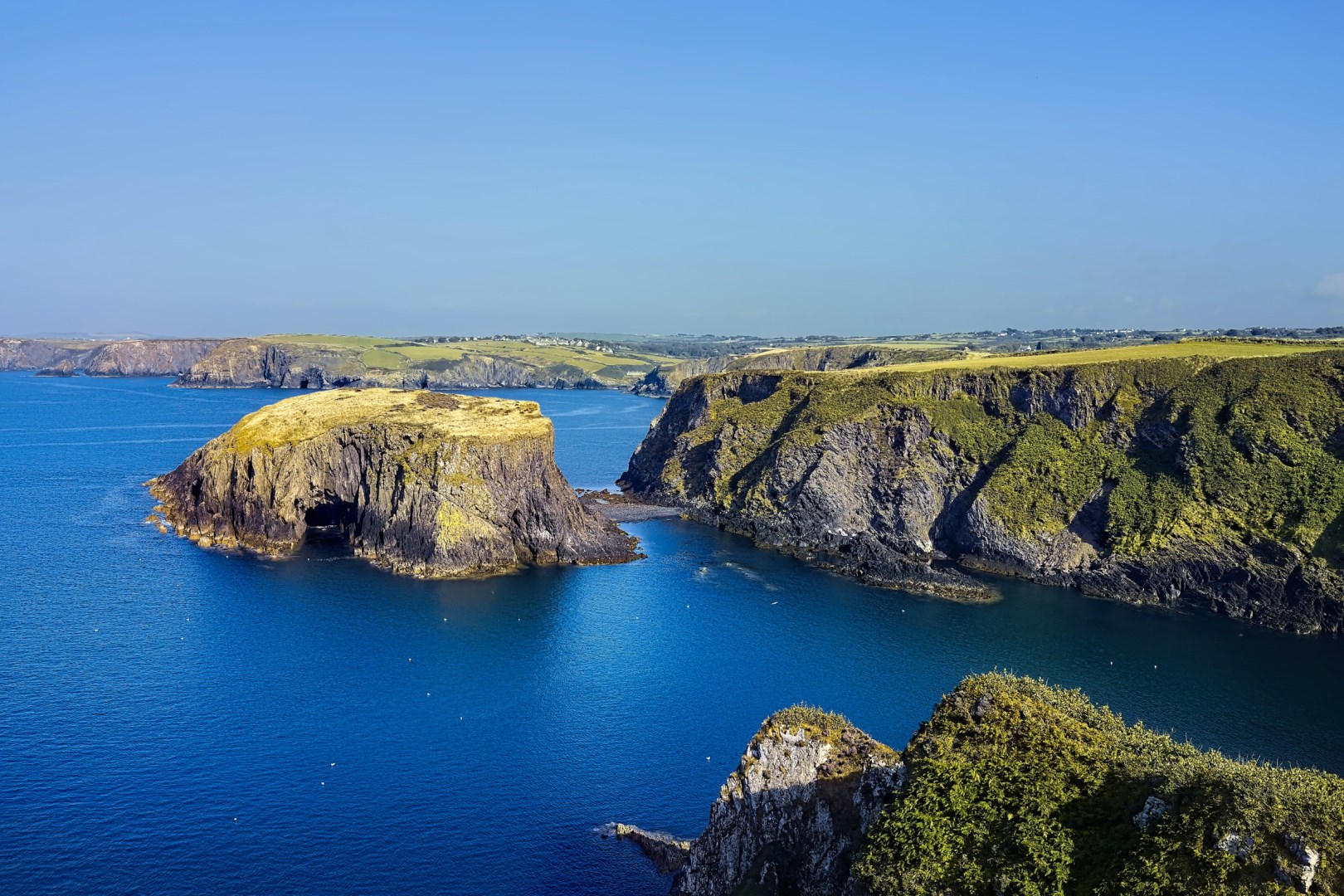
St. David's
At the heart of this tiny village is the 12th-century St. Davids Cathedral. And, beside it lie the ruins of the bishop's Palace. Walk the coastal path and visit the popular Oceanarium.

Cádiz
With its captivating blend of ancient history, sun-drenched beaches, and vibrant Andalusian culture, Cádiz, Spain, stands as one of Europe’s oldest continually inhabited cities. Founded over 3,000 years ago by the Phoenicians, this coastal gem in southern Spain offers a rich tapestry of historical sites and modern charms. The old city of Cádiz is a labyrinth of narrow cobblestone streets, whitewashed houses, and hidden plazas that evoke the city’s Moorish past.
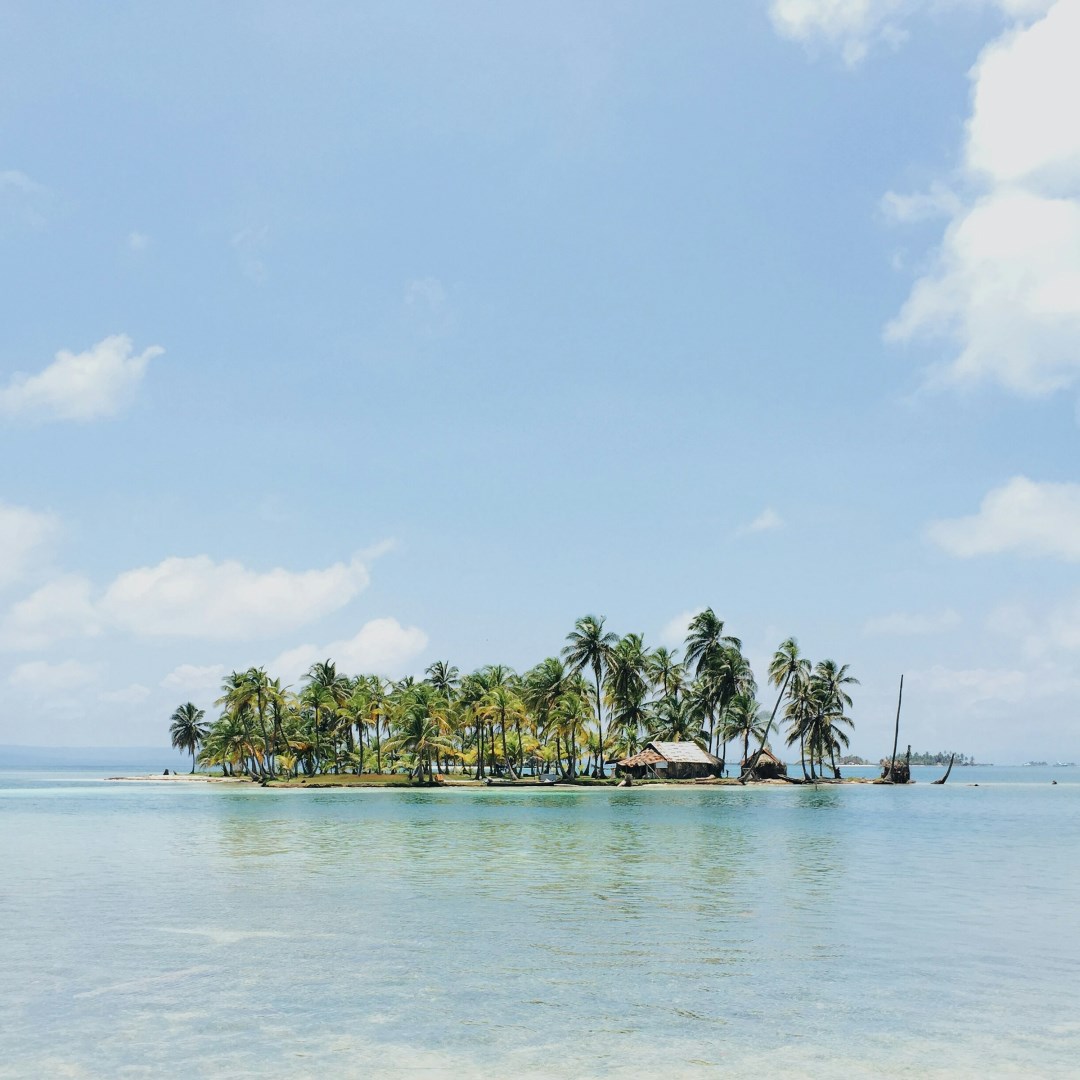
Kuna Yala
Kuna Yala, officially known as Guna Yala, is an Indigenous comarca along Panama's Caribbean coast, extending from the province of Colón toward the border with Colombia. Its best-known feature is the Guna Yala archipelago, made up of hundreds of small islands and islets surrounded by coral reefs and clear Caribbean waters. Many islands are low and covered with coconut palms, while others are uninhabited.