Gibraltar
Perched at the southern tip of the Iberian Peninsula, Gibraltar is a captivating destination where British and Mediterranean influences seamlessly blend. Dominated by the iconic Rock of Gibraltar, this British Overseas Territory is a haven for travelers seeking both adventure and history. The Rock itself is a limestone monolith that stands 426 meters high and offers breathtaking views over the Strait of Gibraltar, where the Mediterranean Sea meets the Atlantic Ocean.
Outjo
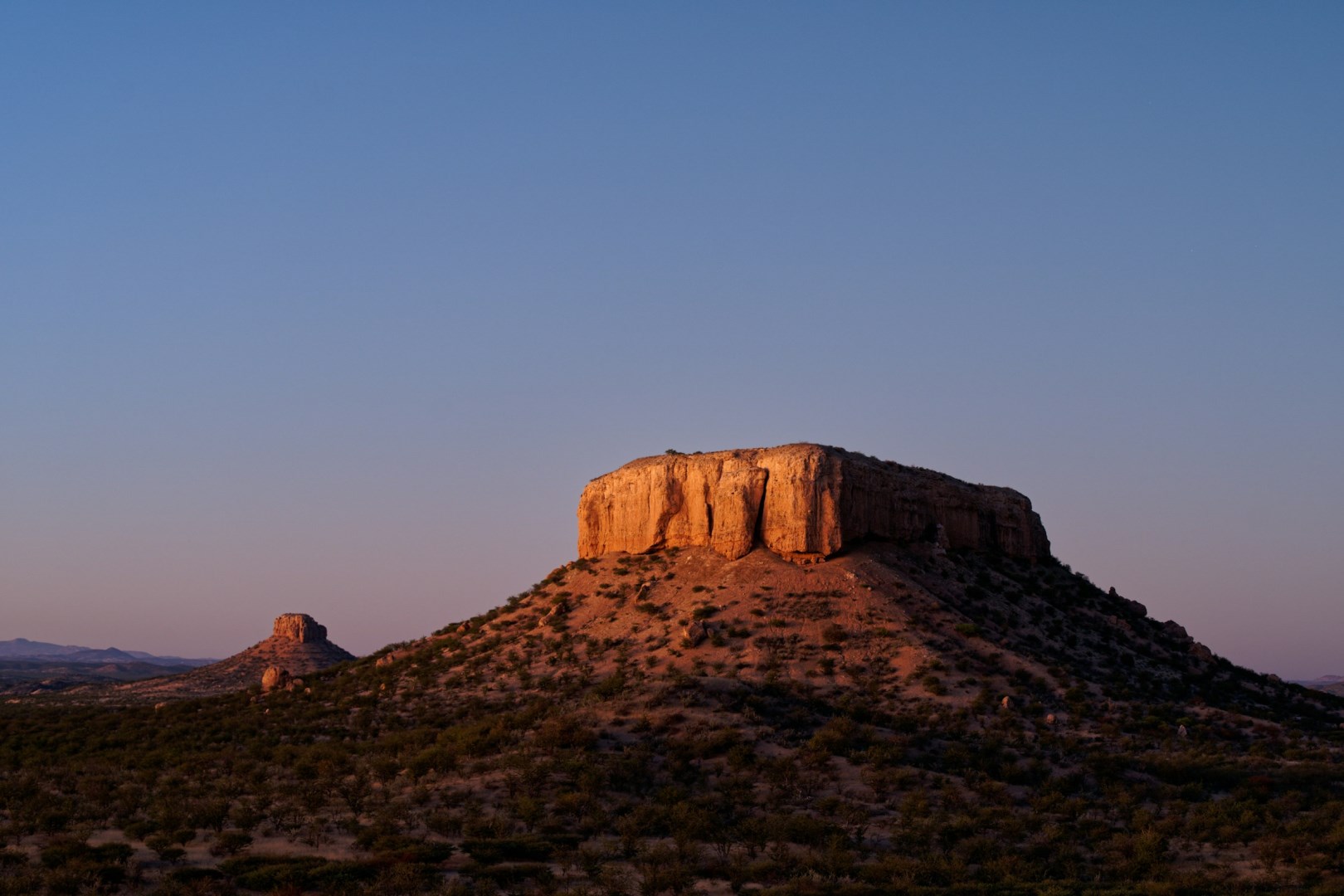
Outjo is a small town in Namibia’s Kunene Region and an important stop on the route toward Etosha National Park and the dry landscapes of Damaraland. It sits among low hills and open bushveld, with the town serving as a practical center for travelers, local residents, and nearby farming communities. Its location makes it a useful base for exploring the southern part of Etosha, while roads from Outjo also lead toward Khorixas and Kamanjab.
Amboseli
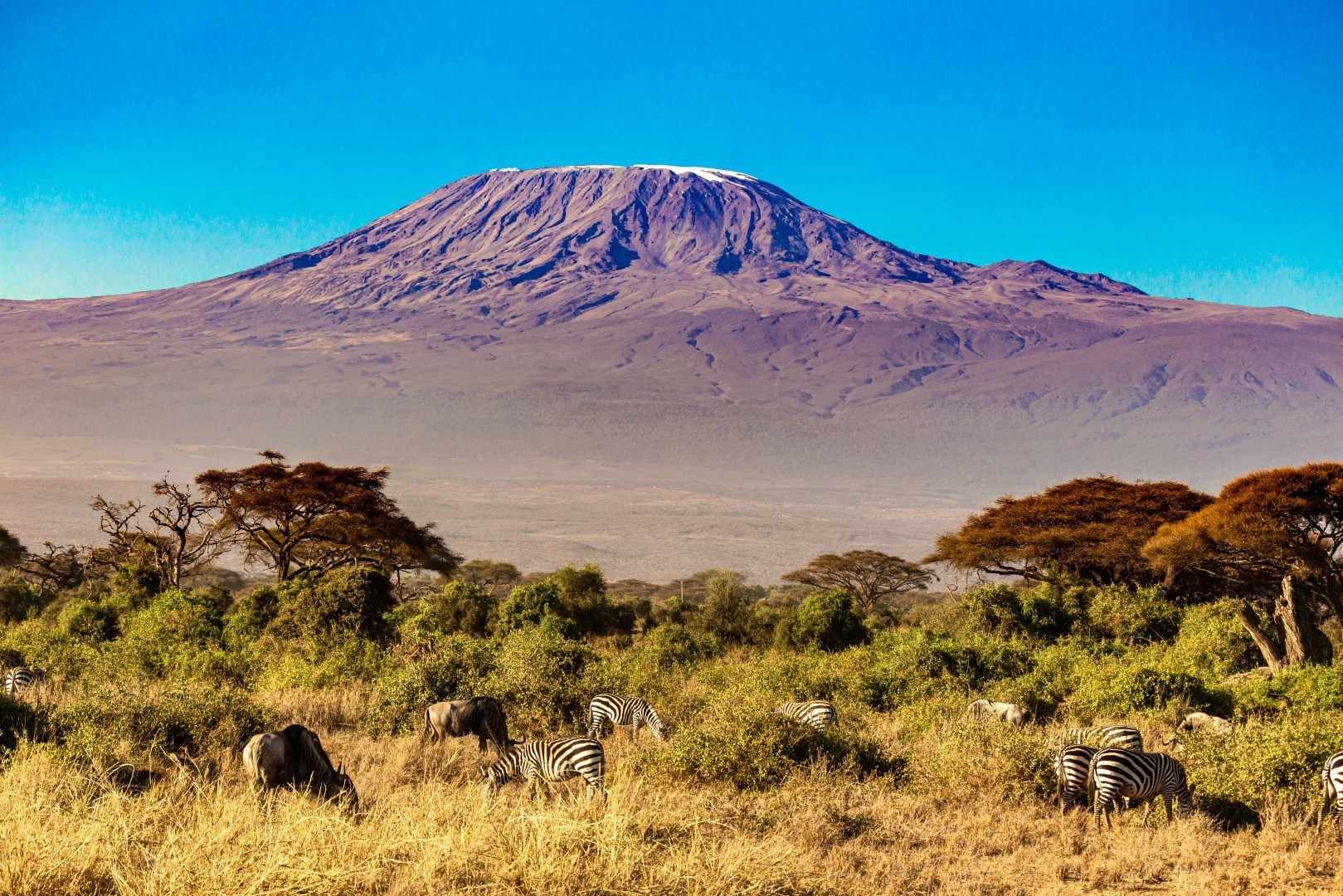
Amboseli is a wildlife region in southern Kenya, centered on Amboseli National Park in Kajiado County near the border with Tanzania. Its landscape is defined by open plains, seasonal lake beds, acacia woodland, and freshwater swamps, with Mount Kilimanjaro rising prominently across the border to the south.
Denis Island
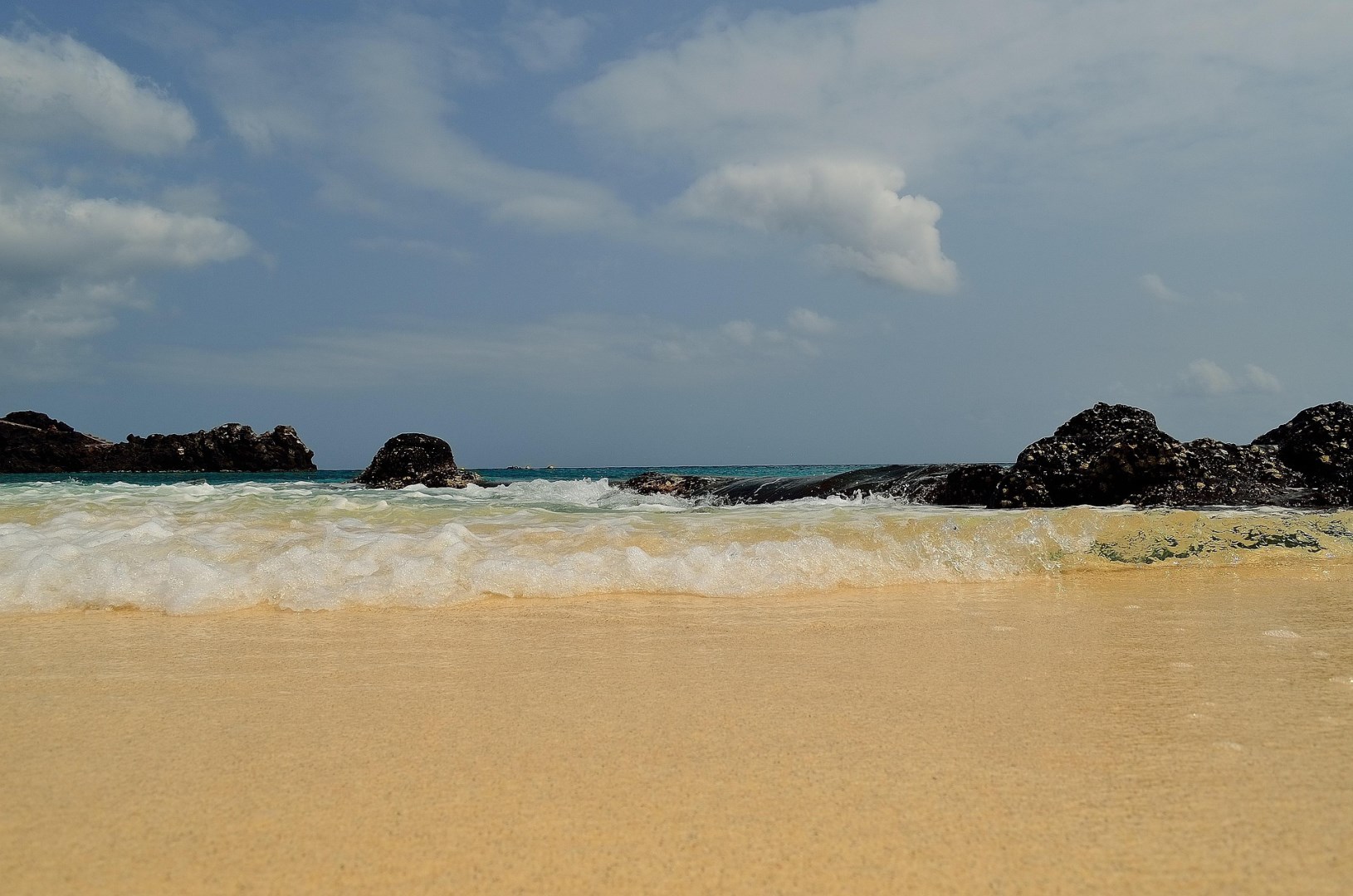
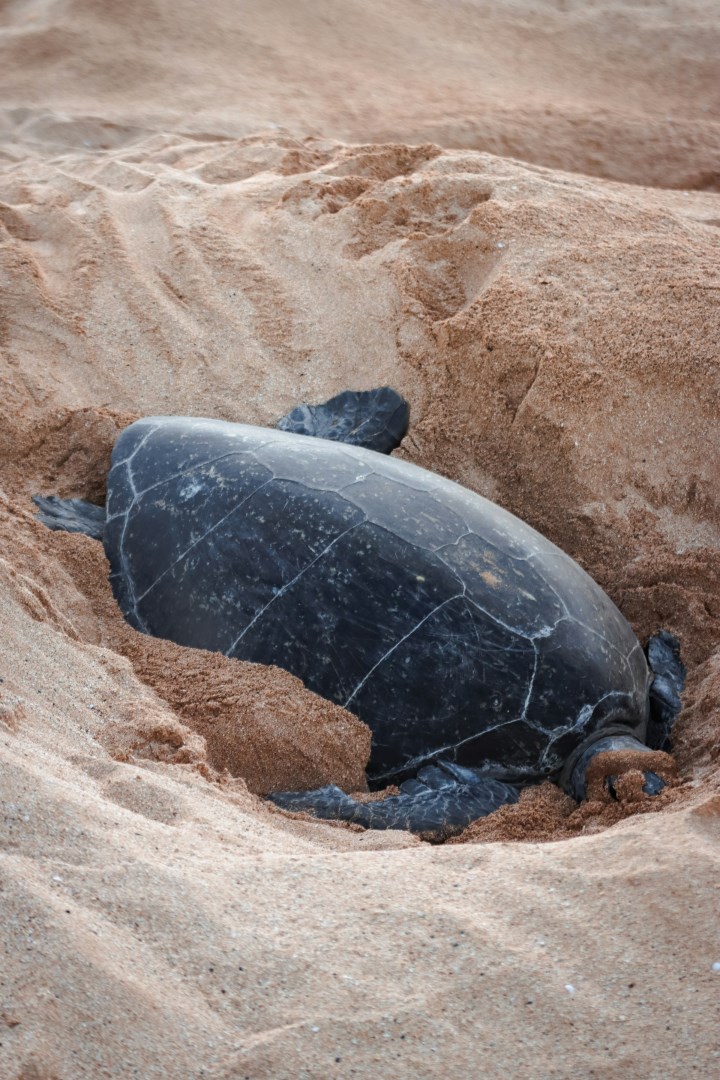
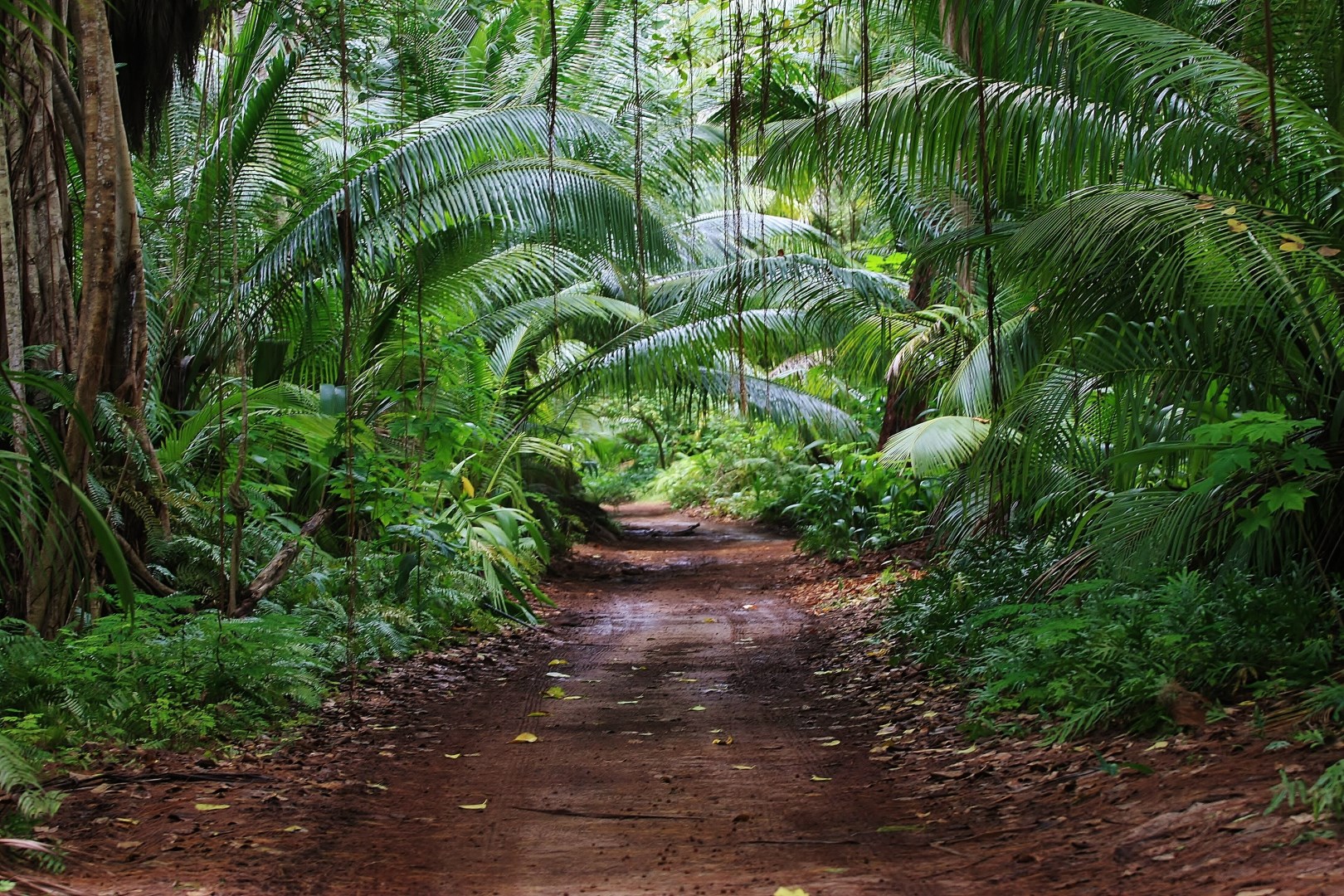
Denis Island, a hidden gem in the Seychelles, promises an exclusive tropical escape with its pristine landscapes and luxury offerings. Located 95 kilometers northeast of Mahé, the island is renowned for its unspoiled beaches and vibrant marine life. As one of the few privately-owned islands in the Seychelles, Denis Island offers a unique opportunity for travelers seeking both tranquility and indulgence.
Chengdu
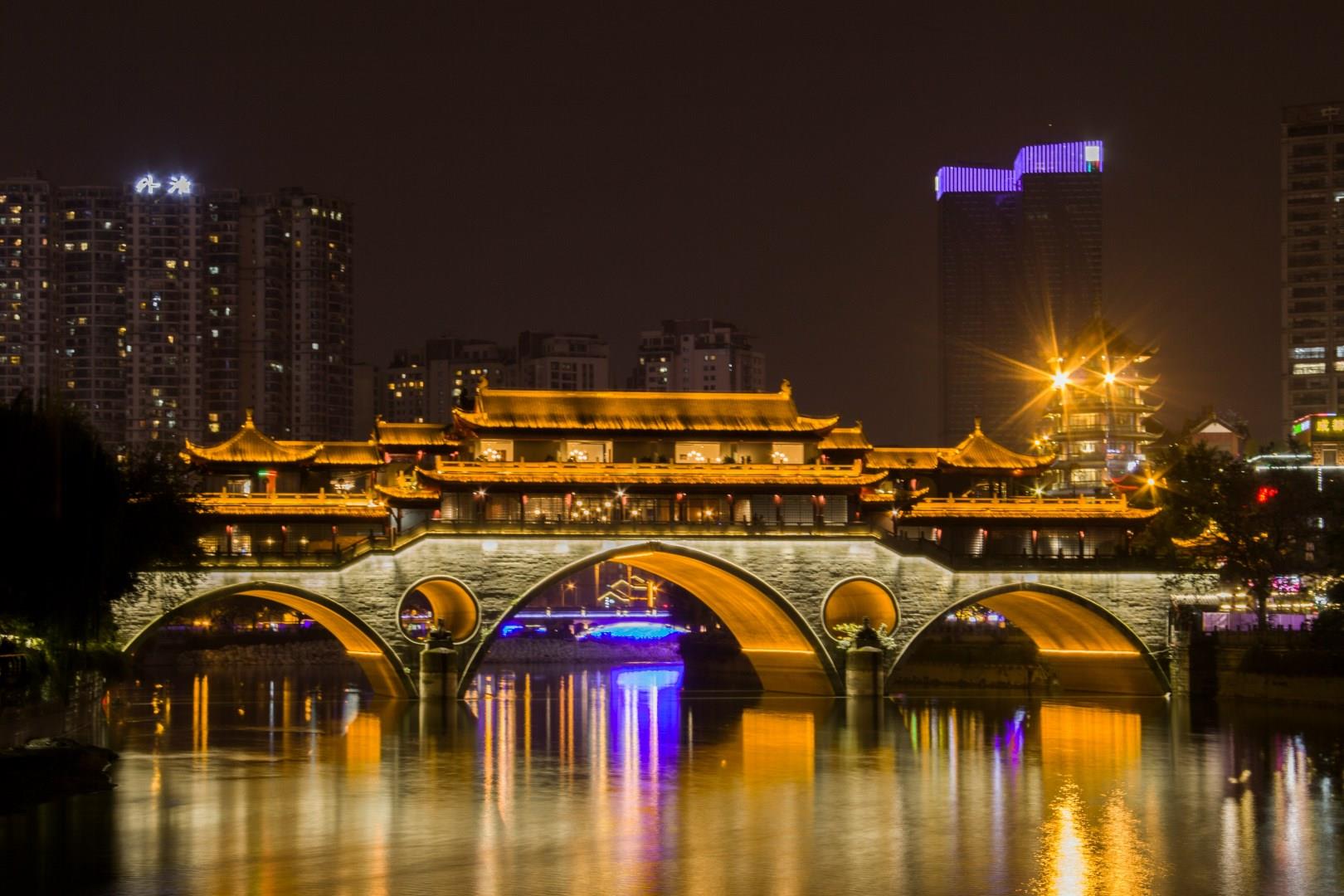
Chengdu, the capital of China's Sichuan Province, blends modern urban life with centuries of history. It is famous as the home of the giant panda, but its cultural significance extends far beyond wildlife.